


-
Table of Contents
“12K Carbon Fiber Cloth: Unmatched Strength, Expansive Width, Unbelievably Affordable.”
Introduction
12K Carbon Fiber Cloth is a revolutionary material that combines strength, versatility, and affordability, making it an ideal choice for a wide range of applications. With its unique 12,000 filaments per tow, this cloth offers enhanced tensile strength and durability compared to lower filament options, allowing for the creation of lightweight yet robust structures. Its wider fabric width facilitates easier handling and application, reducing waste and improving efficiency in manufacturing processes. As advancements in production techniques continue to drive down costs, 12K Carbon Fiber Cloth is becoming increasingly accessible, challenging the perception that high-performance materials must come with a hefty price tag. Whether in aerospace, automotive, or sporting goods, this innovative material is redefining possibilities and setting new standards in composite technology.
Benefits of 12K Carbon Fiber Cloth in Modern Manufacturing
In the realm of modern manufacturing, the emergence of advanced materials has revolutionized various industries, and 12K carbon fiber cloth stands out as a particularly noteworthy innovation. This material, characterized by its unique composition and structural properties, offers a multitude of benefits that enhance both the efficiency and effectiveness of manufacturing processes. One of the most significant advantages of 12K carbon fiber cloth is its exceptional strength-to-weight ratio. This property allows manufacturers to create lightweight components without compromising structural integrity, making it an ideal choice for applications in aerospace, automotive, and sporting goods industries. As a result, products made from 12K carbon fiber cloth can achieve higher performance levels while reducing overall weight, which is crucial in sectors where every gram counts.
Moreover, the wider format of 12K carbon fiber cloth facilitates the production of larger components in a single piece, thereby minimizing the need for joints or seams. This characteristic not only streamlines the manufacturing process but also enhances the durability of the final product. By eliminating potential weak points that can arise from joints, manufacturers can produce components that are more resilient to stress and strain. Consequently, this leads to longer-lasting products, which is a significant advantage in industries where reliability is paramount. Additionally, the ability to create larger components can result in reduced production times and lower labor costs, further contributing to the overall efficiency of manufacturing operations.
Another noteworthy benefit of 12K carbon fiber cloth is its affordability, especially when compared to other high-performance materials. As advancements in production techniques continue to evolve, the cost of carbon fiber materials has decreased, making them more accessible to a broader range of manufacturers. This affordability does not come at the expense of quality; rather, it allows companies to incorporate high-performance materials into their products without significantly increasing production costs. As a result, manufacturers can offer enhanced products at competitive prices, which is particularly advantageous in today’s market, where consumers are increasingly seeking value without sacrificing quality.
In addition to its mechanical properties and cost-effectiveness, 12K carbon fiber cloth also boasts excellent resistance to environmental factors. This material is inherently resistant to corrosion, chemicals, and UV radiation, making it suitable for use in a variety of challenging environments. For instance, in the automotive industry, components made from 12K carbon fiber cloth can withstand harsh weather conditions and exposure to various chemicals without degrading. This durability not only extends the lifespan of the products but also reduces maintenance costs for end-users, further enhancing the appeal of this material.
Furthermore, the versatility of 12K carbon fiber cloth allows it to be easily integrated into existing manufacturing processes. Whether through traditional methods such as weaving or more modern techniques like automated layup, manufacturers can adapt their production lines to accommodate this innovative material with relative ease. This adaptability ensures that companies can leverage the benefits of 12K carbon fiber cloth without the need for extensive retooling or investment in new equipment.
In conclusion, the benefits of 12K carbon fiber cloth in modern manufacturing are manifold. Its exceptional strength-to-weight ratio, wider format, affordability, environmental resistance, and versatility make it an invaluable asset across various industries. As manufacturers continue to seek ways to enhance product performance while maintaining cost-effectiveness, the adoption of 12K carbon fiber cloth is likely to grow, paving the way for innovative applications and advancements in manufacturing practices.
Comparing 12K Carbon Fiber Cloth to Traditional Materials
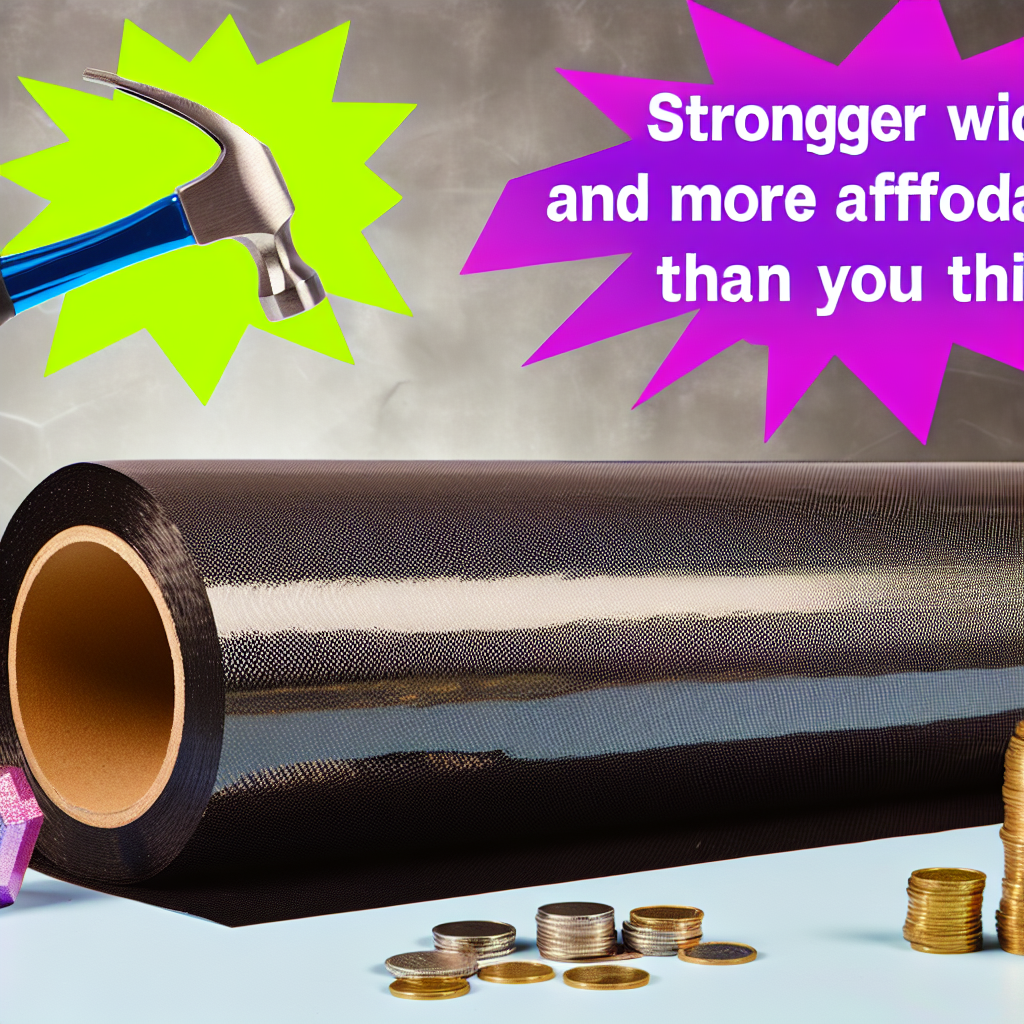
In recent years, the advancements in material science have led to the emergence of innovative alternatives to traditional materials, particularly in the realm of composites. Among these, 12K carbon fiber cloth has gained significant attention due to its remarkable properties and versatility. When comparing 12K carbon fiber cloth to traditional materials such as fiberglass, aluminum, and steel, it becomes evident that the former offers a unique combination of strength, weight efficiency, and cost-effectiveness that is hard to overlook.
To begin with, one of the most striking advantages of 12K carbon fiber cloth is its exceptional strength-to-weight ratio. Traditional materials like aluminum and steel, while strong, are considerably heavier, which can be a significant drawback in applications where weight is a critical factor. For instance, in the aerospace and automotive industries, reducing weight can lead to improved fuel efficiency and performance. In contrast, 12K carbon fiber cloth provides a lightweight alternative without compromising structural integrity. This characteristic makes it particularly appealing for manufacturers looking to enhance the performance of their products while maintaining a competitive edge.
Moreover, the tensile strength of 12K carbon fiber cloth surpasses that of many traditional materials. This means that components made from carbon fiber can withstand greater forces without deforming or breaking. For example, in the construction of high-performance sporting equipment, such as bicycles and tennis rackets, the use of 12K carbon fiber cloth allows for the creation of products that are not only lighter but also more durable than those made from fiberglass or aluminum. Consequently, athletes benefit from enhanced performance and longevity of their gear, which is a crucial factor in competitive sports.
In addition to its mechanical properties, 12K carbon fiber cloth also offers superior resistance to environmental factors. Unlike metals that can corrode over time or fiberglass that may degrade under UV exposure, carbon fiber is inherently resistant to such deterioration. This durability translates into lower maintenance costs and longer lifespans for products made from this material. As a result, industries that require long-lasting solutions, such as marine and automotive sectors, are increasingly turning to 12K carbon fiber cloth as a reliable option.
Furthermore, the affordability of 12K carbon fiber cloth has improved significantly in recent years, making it a more accessible choice for manufacturers. While it was once considered a premium material reserved for high-end applications, advancements in production techniques have driven down costs. This shift has allowed a broader range of industries to incorporate carbon fiber into their designs, thereby democratizing access to its benefits. As a result, businesses can now leverage the advantages of 12K carbon fiber cloth without incurring prohibitive expenses.
In conclusion, when comparing 12K carbon fiber cloth to traditional materials, it is clear that the former presents a compelling case for its adoption across various industries. Its lightweight nature, exceptional strength, resistance to environmental degradation, and improved affordability position it as a superior alternative to materials like fiberglass, aluminum, and steel. As industries continue to seek innovative solutions that enhance performance and reduce costs, the role of 12K carbon fiber cloth is likely to expand, paving the way for a new era of material applications that prioritize efficiency and durability. Ultimately, the transition to carbon fiber represents not just a shift in materials but a significant advancement in engineering possibilities.
Cost-Effectiveness of 12K Carbon Fiber Cloth for DIY Projects
When considering materials for DIY projects, the cost-effectiveness of 12K carbon fiber cloth emerges as a compelling option that combines strength, versatility, and affordability. Traditionally, carbon fiber has been associated with high-end applications in aerospace and automotive industries, often leading to the misconception that it is prohibitively expensive for personal or small-scale projects. However, the advent of 12K carbon fiber cloth has changed this narrative, making it accessible to a broader audience, including hobbyists and DIY enthusiasts.
One of the primary advantages of 12K carbon fiber cloth is its impressive strength-to-weight ratio. This material is composed of 12,000 individual filaments, which are woven together to create a fabric that is not only lightweight but also exceptionally strong. This characteristic makes it ideal for a variety of applications, from crafting custom bicycle frames to building lightweight drones. The durability of 12K carbon fiber cloth means that projects can withstand significant stress and strain, reducing the likelihood of failure and the need for costly repairs or replacements.
Moreover, the wider format of 12K carbon fiber cloth allows for larger projects to be completed with fewer seams, which can enhance both the aesthetic appeal and structural integrity of the final product. This feature is particularly beneficial for those undertaking larger DIY endeavors, as it minimizes the complexity of assembly and reduces the potential for weak points in the structure. Consequently, the use of 12K carbon fiber cloth can lead to a more streamlined construction process, saving both time and effort.
In addition to its physical properties, the cost of 12K carbon fiber cloth has become increasingly competitive in recent years. As manufacturing processes have improved and demand has increased, prices have dropped, making this material more accessible than ever. When compared to traditional materials such as aluminum or steel, which may require additional treatments or reinforcements to achieve similar strength, 12K carbon fiber cloth often proves to be a more economical choice. This affordability allows DIY enthusiasts to experiment with innovative designs without the fear of overspending.
Furthermore, the ease of use associated with 12K carbon fiber cloth contributes to its cost-effectiveness. Unlike some materials that require specialized tools or extensive knowledge for manipulation, carbon fiber cloth can be cut, shaped, and bonded with relative simplicity. This user-friendly nature encourages more individuals to take on projects that they might have otherwise deemed too complex or expensive. As a result, the potential for creativity and innovation is significantly enhanced, allowing for a greater range of projects to be realized.
In conclusion, the cost-effectiveness of 12K carbon fiber cloth for DIY projects cannot be overstated. Its combination of strength, versatility, and affordability makes it an attractive option for a wide array of applications. As more individuals recognize the benefits of this material, it is likely that its popularity will continue to grow, inspiring a new generation of makers and innovators. By embracing 12K carbon fiber cloth, DIY enthusiasts can not only achieve remarkable results but also do so in a manner that is economically viable, ultimately transforming their creative visions into tangible realities.
Q&A
1. **What is 12K carbon fiber cloth?**
12K carbon fiber cloth is a type of fabric made from carbon fibers that are bundled together in groups of 12,000 filaments, providing a balance of strength, weight, and flexibility for various applications.
2. **How does 12K carbon fiber cloth compare in strength to other types of carbon fiber fabrics?**
12K carbon fiber cloth offers high tensile strength and rigidity, making it stronger than lower K fabrics (like 1K or 3K) while still being lighter than traditional materials, making it ideal for demanding applications.
3. **Why is 12K carbon fiber cloth considered more affordable?**
The production of 12K carbon fiber cloth has become more efficient due to advancements in manufacturing processes, leading to lower costs, while its versatility and performance make it a cost-effective choice for many industries.