


-
Table of Contents
“Powering the future with sustainable strength – the rise of carbon fiber yarn in renewable energy.”
Introduction
In recent years, there has been a significant increase in the global demand for carbon fiber yarn, particularly in the renewable energy sector. This surge in demand can be attributed to the growing focus on sustainable energy sources and the need for lightweight and durable materials in the production of renewable energy technologies. As the world continues to shift towards cleaner and greener energy solutions, the demand for carbon fiber yarn is expected to continue to rise. In this article, we will explore the reasons behind this surge in demand and its impact on the renewable energy sector.
Benefits of Carbon Fiber Yarn in Renewable Energy Applications
Carbon fiber yarn is a lightweight and strong material that has been gaining popularity in various industries, especially in the renewable energy sector. With the increasing global demand for clean and sustainable energy sources, the use of carbon fiber yarn has become essential in the development of renewable energy technologies. In this article, we will explore the benefits of carbon fiber yarn in renewable energy applications and how it is contributing to the growth of the industry.
One of the main benefits of carbon fiber yarn in renewable energy applications is its high strength-to-weight ratio. This means that it is incredibly strong, yet lightweight, making it an ideal material for use in wind turbine blades. Wind energy is one of the fastest-growing renewable energy sources, and the use of carbon fiber yarn in wind turbine blades has significantly increased their efficiency and durability. The lightweight nature of carbon fiber yarn allows for longer and more flexible blades, which can capture more wind energy and generate more electricity.
Moreover, carbon fiber yarn is also highly resistant to corrosion and fatigue, making it a reliable material for use in harsh environments. This is particularly important in offshore wind farms, where the blades are constantly exposed to saltwater and strong winds. The use of carbon fiber yarn in these applications has significantly reduced maintenance costs and increased the lifespan of wind turbines, making them a more cost-effective and sustainable energy source.
In addition to wind energy, carbon fiber yarn is also being used in solar energy applications. Solar panels made with carbon fiber yarn are more durable and have a longer lifespan compared to traditional solar panels. This is because carbon fiber yarn is not affected by extreme temperatures and can withstand harsh weather conditions. As a result, solar panels made with carbon fiber yarn can generate more electricity over a longer period, making them a more efficient and sustainable energy source.
Another benefit of carbon fiber yarn in renewable energy applications is its versatility. It can be easily molded into different shapes and sizes, making it suitable for various renewable energy technologies. For instance, it is being used in the development of lightweight and efficient fuel cells, which are essential for the production of clean energy from hydrogen. The use of carbon fiber yarn in fuel cells has significantly reduced their weight and increased their efficiency, making them a more viable option for powering electric vehicles and other clean energy applications.
Furthermore, the use of carbon fiber yarn in renewable energy applications has also led to a reduction in the overall carbon footprint of the industry. As a lightweight material, it requires less energy to transport and install, resulting in lower emissions. Additionally, the durability and longevity of carbon fiber yarn-based renewable energy technologies mean that they do not need to be replaced as frequently, further reducing their environmental impact.
The increasing global demand for carbon fiber yarn in the renewable energy sector has also led to the growth of the industry. As more countries and companies invest in renewable energy, the demand for carbon fiber yarn is expected to continue to rise. This has created new job opportunities and economic growth in the manufacturing and production of carbon fiber yarn, contributing to a more sustainable and greener economy.
In conclusion, the benefits of carbon fiber yarn in renewable energy applications are numerous and significant. Its high strength-to-weight ratio, resistance to corrosion and fatigue, versatility, and contribution to reducing the carbon footprint of the industry make it an essential material for the development of renewable energy technologies. As the world continues to shift towards clean and sustainable energy sources, the demand for carbon fiber yarn is expected to surge, further driving the growth of the renewable energy sector.
Impact of Global Demand for Carbon Fiber Yarn on Renewable Energy Industry
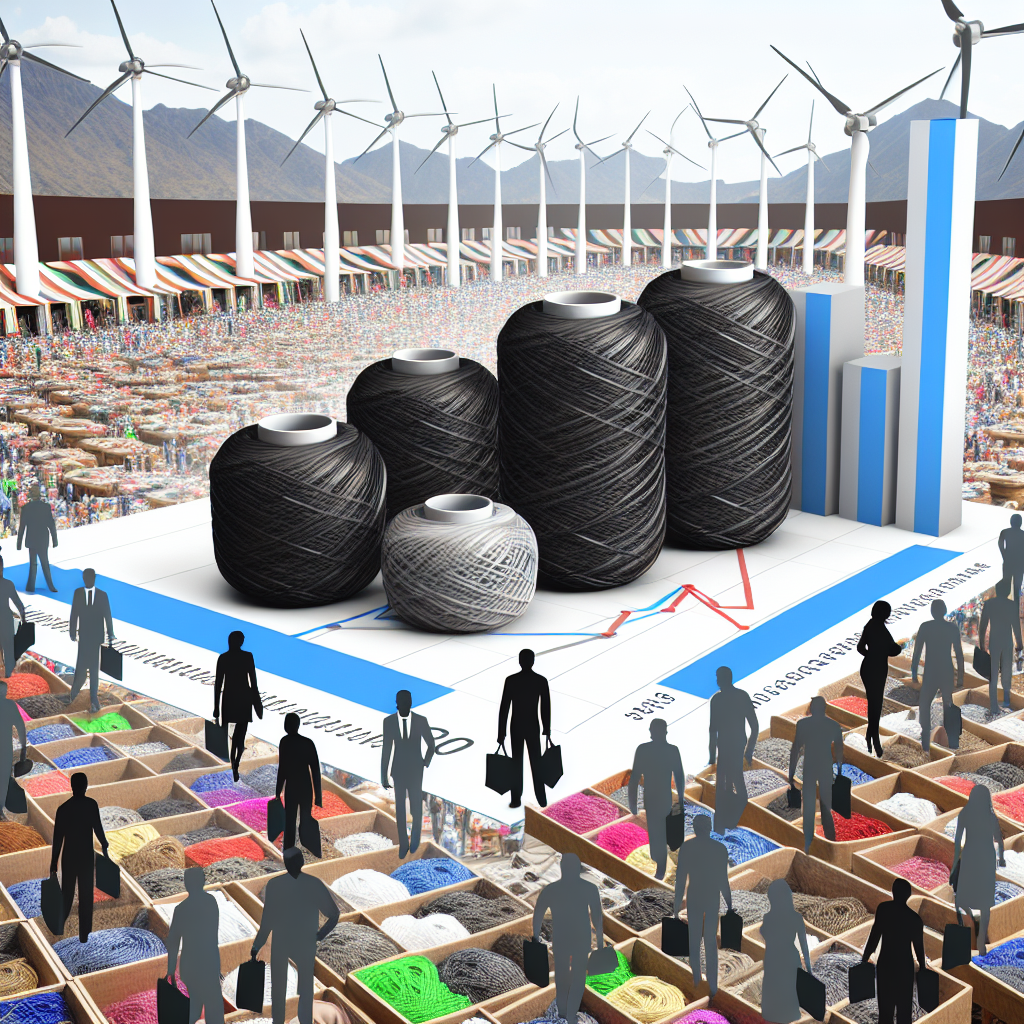
The global demand for carbon fiber yarn has been steadily increasing in recent years, particularly in the renewable energy sector. This surge in demand can be attributed to the growing awareness and adoption of renewable energy sources, as well as the unique properties of carbon fiber yarn that make it an ideal material for this industry.
One of the main reasons for the rise in demand for carbon fiber yarn in the renewable energy sector is its lightweight and high strength properties. This makes it a perfect material for the production of wind turbine blades, which need to be both strong and lightweight in order to efficiently harness wind energy. In fact, according to a report by the Global Wind Energy Council, the global wind energy capacity has been growing at an average rate of 20% per year, with over 60 GW of new wind power capacity installed in 2019 alone. This has resulted in a significant increase in the demand for carbon fiber yarn, as wind turbine manufacturers seek to produce more efficient and durable blades.
Moreover, the use of carbon fiber yarn in wind turbine blades also has a positive impact on the overall performance and efficiency of wind energy systems. The lightweight nature of carbon fiber allows for longer and wider blades, which can capture more wind energy and generate higher power output. This not only makes wind energy more cost-effective but also reduces the carbon footprint of the renewable energy industry.
Apart from wind energy, carbon fiber yarn is also being increasingly used in the production of solar panels. The solar energy sector has also been experiencing rapid growth, with the global solar capacity increasing by 22% in 2019, according to the International Energy Agency. Carbon fiber yarn is used in the production of solar panels due to its high strength and durability, which allows for the panels to withstand harsh weather conditions and last longer. This has led to a surge in demand for carbon fiber yarn from solar panel manufacturers, further driving the growth of the renewable energy industry.
In addition to its use in wind and solar energy, carbon fiber yarn is also being utilized in the production of hydroelectric turbines. Hydroelectric power is one of the oldest and most widely used forms of renewable energy, and its demand is expected to continue to grow in the coming years. The use of carbon fiber yarn in hydroelectric turbines allows for the production of more efficient and durable turbines, which can generate higher amounts of electricity. This not only contributes to the growth of the renewable energy industry but also helps in reducing the reliance on fossil fuels.
The increasing demand for carbon fiber yarn in the renewable energy sector has also had a positive impact on the global economy. The production and use of carbon fiber yarn have created job opportunities in various industries, from manufacturing to installation and maintenance of renewable energy systems. This has not only boosted the economy but also helped in the transition towards a more sustainable future.
In conclusion, the global demand for carbon fiber yarn has had a significant impact on the renewable energy industry. Its unique properties make it an ideal material for the production of wind turbine blades, solar panels, and hydroelectric turbines, contributing to the growth and efficiency of these renewable energy sources. As the world continues to shift towards cleaner and more sustainable energy, the demand for carbon fiber yarn is expected to continue to rise, further driving the growth of the renewable energy industry.
Future Growth Opportunities for Carbon Fiber Yarn in Renewable Energy Sector
Carbon fiber yarn, a lightweight and strong material, has been gaining popularity in various industries due to its unique properties. However, in recent years, there has been a significant surge in the global demand for carbon fiber yarn in the renewable energy sector. This demand is expected to continue to grow in the future, presenting numerous growth opportunities for the carbon fiber yarn market.
One of the main reasons for the increasing demand for carbon fiber yarn in the renewable energy sector is the shift towards clean and sustainable energy sources. With the growing concerns about climate change and the depletion of traditional energy sources, there has been a global push towards renewable energy. This has led to a rise in the production and installation of wind turbines and solar panels, which are major consumers of carbon fiber yarn.
Wind turbines, in particular, have been a major driver of the demand for carbon fiber yarn in the renewable energy sector. The blades of wind turbines require a strong and lightweight material to withstand the high winds and stresses they are subjected to. Carbon fiber yarn, with its high strength-to-weight ratio, is an ideal material for this purpose. As the wind energy industry continues to grow, the demand for carbon fiber yarn is expected to increase as well.
Similarly, the solar energy sector has also been a significant contributor to the demand for carbon fiber yarn. Solar panels, which convert sunlight into electricity, require a durable and lightweight material for their frames. Carbon fiber yarn, with its corrosion resistance and high strength, is an excellent choice for this application. As the solar energy market continues to expand, the demand for carbon fiber yarn is expected to rise as well.
Apart from wind and solar energy, there are other renewable energy sources that are also driving the demand for carbon fiber yarn. Hydroelectric power, for example, uses carbon fiber yarn in the construction of turbines and other equipment. Geothermal energy, which harnesses the heat from the earth’s core, also requires carbon fiber yarn for its drilling and extraction processes. As these renewable energy sources gain more traction, the demand for carbon fiber yarn is expected to increase in tandem.
Moreover, the use of carbon fiber yarn in the renewable energy sector is not limited to the production of energy-generating equipment. It is also being utilized in the development of energy storage solutions. With the intermittent nature of renewable energy sources, there is a need for efficient and reliable energy storage systems. Carbon fiber yarn is being used in the production of lightweight and durable batteries, which are crucial for storing excess energy generated by renewable sources.
In addition to the current demand, there are also several future growth opportunities for carbon fiber yarn in the renewable energy sector. As technology continues to advance, there is a constant need for more efficient and cost-effective solutions. This presents an opportunity for the development of new and improved carbon fiber yarn products that can cater to the specific needs of the renewable energy industry.
Furthermore, the increasing focus on reducing the carbon footprint of energy production is expected to drive the demand for carbon fiber yarn even further. As governments and organizations around the world set ambitious targets for reducing carbon emissions, the renewable energy sector is likely to see a significant boost. This, in turn, will lead to a higher demand for carbon fiber yarn, as it is a key component in the production of clean and sustainable energy.
In conclusion, the global demand for carbon fiber yarn in the renewable energy sector is on the rise and is expected to continue growing in the future. With the increasing adoption of renewable energy sources and the development of new technologies, there are numerous growth opportunities for the carbon fiber yarn market. As the world moves towards a more sustainable future, carbon fiber yarn will play a crucial role in powering the renewable energy sector.
Q&A
1. What is driving the surge in global demand for carbon fiber yarn in the renewable energy sector?
The surge in global demand for carbon fiber yarn in the renewable energy sector is primarily driven by the increasing use of carbon fiber composites in wind turbine blades. These lightweight and strong materials are able to withstand the harsh conditions of wind energy production, making them a popular choice for manufacturers.
2. How does the use of carbon fiber yarn benefit the renewable energy sector?
The use of carbon fiber yarn in the renewable energy sector offers several benefits. Firstly, it allows for the production of larger and more efficient wind turbine blades, which can generate more energy. Additionally, carbon fiber composites have a longer lifespan and require less maintenance, reducing overall costs for renewable energy companies.
3. Is the surge in demand for carbon fiber yarn expected to continue in the renewable energy sector?
Yes, the surge in demand for carbon fiber yarn is expected to continue in the renewable energy sector. As the world shifts towards cleaner and more sustainable energy sources, the demand for wind energy is expected to increase, driving the need for more efficient and durable wind turbine components. This will likely lead to a continued demand for carbon fiber yarn in the renewable energy sector.