


-
Table of Contents
“Unleash the power of lightweight strength with carbon fiber sheets – the unsung hero of modern robotics.”
Introduction
Carbon fiber sheets are a crucial component in the world of modern robotics. These lightweight and durable sheets are made from carbon fibers that are tightly woven together, creating a strong and flexible material. While often hidden from view, carbon fiber sheets play a vital role in the functionality and design of many robotic systems. From enhancing strength and stability to reducing weight and increasing efficiency, carbon fiber sheets are truly the hidden hero of modern robotics. In this article, we will explore the importance of carbon fiber sheets in the world of robotics and how they have revolutionized the field.
The Versatility of Carbon Fiber Sheets in Robotics Applications
Carbon fiber sheets may not be the first thing that comes to mind when thinking about modern robotics, but they are a crucial component in many applications. This lightweight and strong material has revolutionized the field of robotics, allowing for more advanced and versatile designs. In this article, we will explore the versatility of carbon fiber sheets in robotics applications and how they have become the hidden hero of modern robotics.
One of the main reasons why carbon fiber sheets are so widely used in robotics is their strength-to-weight ratio. This means that they are incredibly strong, yet lightweight, making them ideal for use in robots. In fact, carbon fiber is five times stronger than steel and twice as stiff, while being significantly lighter. This allows for the creation of robots that are both strong and agile, able to perform complex tasks with ease.
The versatility of carbon fiber sheets is also evident in their ability to be molded into various shapes and sizes. This makes them perfect for creating intricate and complex robot designs. Unlike traditional materials such as metal, carbon fiber can be easily molded into any shape without compromising its strength. This allows for the creation of robots with unique and innovative designs, making them more efficient and effective in their tasks.
Moreover, carbon fiber sheets are also highly resistant to corrosion and chemicals, making them ideal for use in harsh environments. This is especially important in robotics applications where robots may be exposed to extreme temperatures, chemicals, or other harsh conditions. The durability of carbon fiber ensures that robots can withstand these conditions without any damage, making them more reliable and long-lasting.
Another advantage of carbon fiber sheets in robotics is their ability to dampen vibrations. This is crucial in applications where precision and accuracy are essential, such as in surgical robots or drones. The stiffness of carbon fiber helps to reduce vibrations, allowing for more precise movements and control. This makes carbon fiber an ideal material for creating robots that require high levels of accuracy and stability.
In addition to their physical properties, carbon fiber sheets also offer a wide range of design possibilities. They can be combined with other materials, such as metals or plastics, to create hybrid structures that offer the best of both worlds. This allows for the creation of robots with unique properties and capabilities, making them more versatile and adaptable to different tasks and environments.
Furthermore, carbon fiber sheets are also highly customizable, allowing for the creation of robots that are tailored to specific needs. This is particularly useful in industries such as aerospace and defense, where robots need to meet specific requirements and perform specialized tasks. The versatility of carbon fiber allows for the creation of robots that can withstand extreme conditions and perform complex tasks with precision and efficiency.
In conclusion, carbon fiber sheets have become the hidden hero of modern robotics due to their versatility and unique properties. Their strength-to-weight ratio, moldability, resistance to harsh environments, vibration dampening capabilities, and design possibilities make them an ideal material for creating advanced and efficient robots. As technology continues to advance, we can expect to see even more innovative uses of carbon fiber in robotics, further solidifying its role as a crucial component in this field.
How Carbon Fiber Sheets are Revolutionizing the Robotics Industry
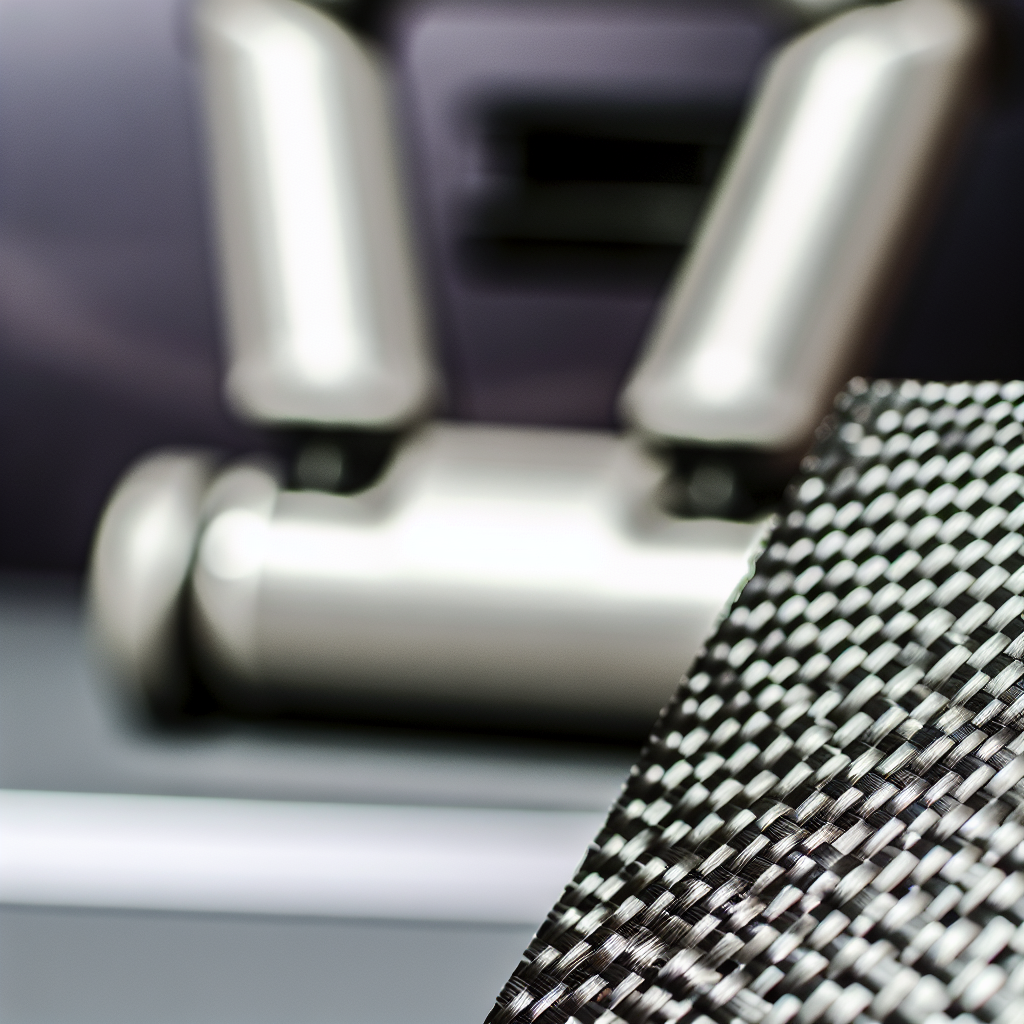
Carbon fiber sheets may not be the first thing that comes to mind when thinking about modern robotics, but they are quickly becoming a crucial component in the industry. These lightweight and strong sheets are revolutionizing the way robots are designed and built, making them more efficient, versatile, and capable of performing complex tasks.
So, what exactly are carbon fiber sheets? They are thin, flat panels made of carbon fibers that are tightly woven together and then bonded with a resin. This creates a strong and rigid material that is also incredibly lightweight. In fact, carbon fiber sheets are five times stronger than steel, yet weigh about two-thirds less. This makes them ideal for use in robotics, where weight and strength are crucial factors.
One of the main reasons why carbon fiber sheets are gaining popularity in the robotics industry is their strength-to-weight ratio. This means that they can withstand heavy loads and impacts without adding significant weight to the overall structure of the robot. This is especially important for robots that need to be agile and fast-moving, as the added weight of traditional materials can slow them down and limit their capabilities.
Moreover, carbon fiber sheets are also highly resistant to corrosion and fatigue, making them a durable choice for robots that are used in harsh environments or perform repetitive tasks. This not only increases the lifespan of the robot but also reduces maintenance costs, making it a cost-effective option for companies.
Another advantage of carbon fiber sheets is their flexibility. They can be molded into various shapes and sizes, allowing for more intricate and complex designs. This is particularly useful in the robotics industry, where robots need to perform a wide range of tasks and movements. With carbon fiber sheets, robots can be designed to have multiple joints and movements, mimicking the flexibility and dexterity of human limbs.
Furthermore, carbon fiber sheets are also electrically conductive, which is crucial for robots that require electronic components to function. This eliminates the need for additional wiring and connectors, reducing the weight and complexity of the robot. It also allows for better integration of electronic components, making the robot more efficient and responsive.
In addition to their physical properties, carbon fiber sheets also offer environmental benefits. They are made from a renewable resource, as carbon fibers are derived from organic materials such as wood, coal, or petroleum. This makes them a more sustainable option compared to traditional materials like steel or aluminum. Moreover, the production process of carbon fiber sheets also emits fewer greenhouse gases, making them a greener choice for companies looking to reduce their carbon footprint.
The use of carbon fiber sheets in robotics is not limited to just industrial or commercial robots. They are also being used in the development of advanced prosthetics, exoskeletons, and even in the aerospace industry. This shows the versatility and potential of this material in various fields.
In conclusion, carbon fiber sheets may not be the most visible component in modern robotics, but they are certainly the hidden hero. Their strength, lightweight, flexibility, and environmental benefits make them a game-changer in the industry. As technology continues to advance, we can expect to see even more innovative uses of carbon fiber sheets in robotics, further pushing the boundaries of what robots can do.
The Impact of Carbon Fiber Sheets on the Performance and Design of Modern Robots
Carbon fiber sheets may not be the first thing that comes to mind when thinking about modern robotics, but they play a crucial role in the performance and design of these advanced machines. This lightweight and strong material has revolutionized the field of robotics, allowing for more efficient and versatile designs. In this article, we will explore the impact of carbon fiber sheets on modern robots and how they have become the hidden hero of this rapidly evolving industry.
One of the main reasons why carbon fiber sheets have become so popular in the world of robotics is their strength-to-weight ratio. This means that they are incredibly strong, yet lightweight, making them ideal for use in robots. Traditional materials such as steel or aluminum are much heavier, which can limit the capabilities of a robot. With carbon fiber sheets, robots can be designed to be lighter and more agile, allowing them to perform tasks with greater precision and speed.
In addition to their strength, carbon fiber sheets also have a high stiffness-to-weight ratio. This means that they are very rigid and do not bend or flex easily. This is crucial for robots that need to maintain their shape and stability while performing complex tasks. The stiffness of carbon fiber sheets also allows for more accurate movements, making them ideal for robots that require precise control and coordination.
Another advantage of carbon fiber sheets is their resistance to corrosion and chemicals. This is especially important for robots that are used in harsh environments, such as underwater or in chemical plants. Traditional materials can corrode or degrade over time, leading to decreased performance and potentially costly repairs. Carbon fiber sheets, on the other hand, are highly resistant to corrosion and can withstand exposure to a wide range of chemicals, making them a reliable choice for these types of applications.
The use of carbon fiber sheets in modern robotics has also led to more efficient and streamlined designs. With traditional materials, robots often require bulky and complex structures to support their weight and withstand external forces. However, carbon fiber sheets are incredibly strong and can be molded into various shapes and sizes, allowing for more compact and efficient designs. This not only makes robots more agile and versatile but also reduces their overall weight, making them more energy-efficient.
Moreover, carbon fiber sheets have also allowed for the development of more advanced and complex robots. With their high strength and stiffness, these sheets can withstand the high forces and stresses that come with advanced robotic movements. This has opened up new possibilities for robots, such as those used in space exploration or in the medical field. These robots can now perform tasks that were previously impossible, thanks to the use of carbon fiber sheets.
In addition to their impact on the performance and design of robots, carbon fiber sheets also have a significant influence on their overall cost. While the initial cost of these sheets may be higher than traditional materials, their durability and resistance to wear and tear make them a cost-effective choice in the long run. Robots made with carbon fiber sheets require less maintenance and repairs, leading to lower operating costs and increased efficiency.
In conclusion, carbon fiber sheets have become the hidden hero of modern robotics. Their strength, stiffness, resistance to corrosion, and versatility have transformed the way robots are designed and used. From more efficient and agile designs to advanced capabilities, carbon fiber sheets have played a crucial role in the evolution of robotics. As technology continues to advance, it is safe to say that carbon fiber sheets will continue to be a vital component in the development of even more advanced and capable robots.
Q&A
1. What are carbon fiber sheets?
Carbon fiber sheets are thin, lightweight sheets made from carbon fibers that are woven together and then bonded with a resin. They are known for their high strength-to-weight ratio and are commonly used in various industries, including robotics.
2. How are carbon fiber sheets used in modern robotics?
Carbon fiber sheets are used in modern robotics for their strength, durability, and lightweight properties. They are often used to create the frames and structures of robots, as well as for components such as arms, legs, and joints. This allows for more efficient and agile movement of the robot.
3. What makes carbon fiber sheets the “hidden hero” of modern robotics?
Carbon fiber sheets are often referred to as the “hidden hero” of modern robotics because they play a crucial role in the development and advancement of robotic technology. Their lightweight and strong properties allow for more complex and efficient designs, making them an essential component in the creation of advanced robots. Additionally, their use in robotics has led to advancements in other industries, such as aerospace and automotive, making them a versatile and valuable material.