


-
Table of Contents
“Revolutionize your structures with Carbon Fiber Yarn and IoT for unparalleled real-time monitoring.”
Introduction
Carbon fiber yarn is a revolutionary material that has been widely used in various industries due to its high strength and lightweight properties. However, with the integration of Internet of Things (IoT) technology, carbon fiber yarn has taken on a new role in real-time structural monitoring. This combination of advanced material and cutting-edge technology has opened up a world of possibilities for monitoring and maintaining the structural integrity of various structures, from buildings to bridges to aircraft. In this article, we will explore how carbon fiber yarn integrates with IoT for real-time structural monitoring and the benefits it brings to various industries.
Benefits of Using Carbon Fiber Yarn for Real-Time Structural Monitoring in IoT
Carbon fiber yarn has been making waves in the world of structural engineering and construction. Its lightweight yet strong properties have made it a popular choice for various applications, from aerospace to automotive industries. But with the rise of the Internet of Things (IoT), carbon fiber yarn has found a new purpose – real-time structural monitoring.
IoT refers to the network of physical devices, vehicles, and other items embedded with electronics, software, sensors, and connectivity, which enables these objects to collect and exchange data. This technology has been integrated into various industries, including construction, to improve efficiency, safety, and cost-effectiveness. And with the integration of carbon fiber yarn, IoT has taken structural monitoring to a whole new level.
One of the main benefits of using carbon fiber yarn for real-time structural monitoring in IoT is its durability. Carbon fiber yarn is known for its high strength-to-weight ratio, making it stronger than steel while being significantly lighter. This property is crucial in structural monitoring as it allows for the detection of even the slightest changes in the structure’s integrity. With IoT sensors attached to carbon fiber yarn, any changes in the structure’s strain, temperature, or vibration can be detected in real-time, providing engineers with valuable data for analysis and decision-making.
Moreover, carbon fiber yarn is highly resistant to corrosion, making it an ideal material for long-term structural monitoring. Traditional methods of structural monitoring, such as visual inspections, can be time-consuming and costly. With carbon fiber yarn integrated with IoT, continuous monitoring can be done without the need for frequent physical inspections. This not only saves time and money but also reduces the risk of human error in detecting structural issues.
Another benefit of using carbon fiber yarn for real-time structural monitoring in IoT is its flexibility. Carbon fiber yarn can be easily woven into different patterns and shapes, making it adaptable to various structural designs. This flexibility allows for the integration of IoT sensors in hard-to-reach areas, providing a more comprehensive and accurate monitoring system. It also allows for the monitoring of complex structures, such as bridges and high-rise buildings, which can be challenging to inspect manually.
In addition to its durability and flexibility, carbon fiber yarn also offers a significant advantage in terms of data collection and analysis. With IoT sensors attached to the yarn, data can be collected in real-time and transmitted wirelessly to a central database. This allows for the continuous monitoring of multiple structures simultaneously, providing engineers with a comprehensive overview of the structural health of a project. The data collected can also be analyzed using advanced algorithms and machine learning, providing insights into the structure’s performance and predicting potential issues before they occur.
Furthermore, the integration of carbon fiber yarn with IoT also offers cost savings in the long run. With real-time structural monitoring, potential issues can be detected early on, allowing for timely repairs or maintenance. This prevents costly repairs or even structural failures, which can have severe consequences. It also extends the lifespan of the structure, reducing the need for frequent replacements or renovations.
In conclusion, the integration of carbon fiber yarn with IoT for real-time structural monitoring offers numerous benefits, including durability, flexibility, data collection and analysis, and cost savings. This technology has revolutionized the way structural monitoring is done, providing engineers with valuable data and insights for efficient and safe construction. As IoT continues to advance, we can expect to see even more innovative uses of carbon fiber yarn in the construction industry, making it an essential material for the future of structural engineering.
How Carbon Fiber Yarn Enhances Structural Monitoring in IoT Applications
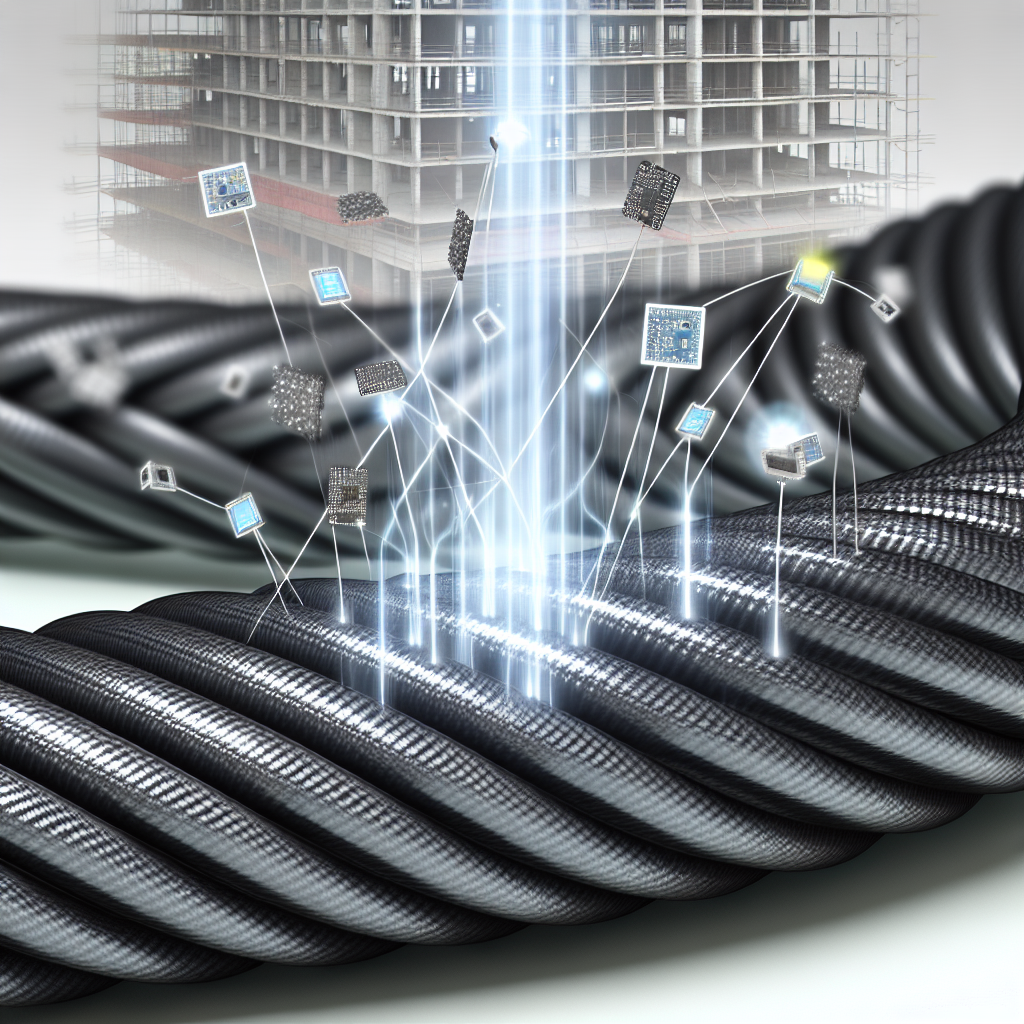
Carbon fiber has long been known for its strength and durability, making it a popular material in various industries such as aerospace, automotive, and construction. However, with the rise of the Internet of Things (IoT), carbon fiber is now being integrated with technology to enhance its capabilities even further. This integration has led to the development of carbon fiber yarn, which has revolutionized structural monitoring in IoT applications.
So, what exactly is carbon fiber yarn and how does it work? Carbon fiber yarn is a type of thread made from carbon fibers that are tightly woven together. These fibers are known for their high strength-to-weight ratio, making them ideal for use in structural applications. The yarn is then coated with a conductive material, such as copper or silver, to allow for the transmission of data.
One of the main advantages of using carbon fiber yarn in IoT applications is its ability to provide real-time structural monitoring. Traditional methods of structural monitoring, such as visual inspections or manual measurements, can be time-consuming and may not always provide accurate data. With carbon fiber yarn, sensors can be embedded directly into the material, allowing for continuous monitoring of structural integrity.
The integration of carbon fiber yarn with IoT technology has also made structural monitoring more cost-effective. Traditional methods often require frequent inspections and maintenance, which can be costly. With carbon fiber yarn, sensors can be installed during the manufacturing process, eliminating the need for additional maintenance and reducing overall costs.
In addition to real-time monitoring and cost-effectiveness, carbon fiber yarn also offers improved accuracy in structural monitoring. The sensors embedded in the yarn can detect even the slightest changes in the structure, providing more precise data compared to traditional methods. This allows for early detection of any potential issues, preventing costly repairs or replacements in the future.
Another benefit of using carbon fiber yarn in IoT applications is its lightweight and flexible nature. This makes it suitable for use in a wide range of structures, including those with complex shapes or in hard-to-reach areas. The yarn can be easily woven into the material, making it virtually invisible and not affecting the overall aesthetics of the structure.
The use of carbon fiber yarn in IoT applications also allows for remote monitoring. The data collected by the sensors can be transmitted wirelessly to a central system, allowing for real-time monitoring from a remote location. This is particularly useful for large structures or those in remote areas, where regular inspections may not be feasible.
One of the most significant advantages of using carbon fiber yarn in IoT applications is its ability to detect and predict structural failures. The sensors embedded in the yarn can detect changes in the structure, such as cracks or deformations, and send alerts in real-time. This allows for proactive maintenance and repairs, preventing catastrophic failures and ensuring the safety of the structure and its occupants.
The integration of carbon fiber yarn with IoT technology has opened up a world of possibilities for structural monitoring. Its real-time monitoring capabilities, cost-effectiveness, improved accuracy, lightweight and flexible nature, and ability to detect and predict failures make it a game-changer in the industry. As technology continues to advance, we can expect to see even more innovative uses of carbon fiber yarn in IoT applications.
In conclusion, the integration of carbon fiber yarn with IoT technology has enhanced structural monitoring in various industries. Its ability to provide real-time data, cost-effectiveness, improved accuracy, and remote monitoring capabilities make it a valuable tool for ensuring the safety and longevity of structures. As we continue to push the boundaries of technology, the possibilities for carbon fiber yarn in IoT applications are endless.
The Future of Real-Time Structural Monitoring with Carbon Fiber Yarn and IoT Integration
Carbon fiber yarn has long been known for its strength, durability, and lightweight properties. It has been used in various industries, from aerospace to automotive, to create high-performance and efficient products. However, with the rise of the Internet of Things (IoT), carbon fiber yarn is now being integrated with IoT technology to revolutionize the way we monitor and maintain the structural integrity of buildings, bridges, and other structures in real-time.
Traditionally, structural monitoring has been a time-consuming and costly process. It involves manual inspections and periodic maintenance checks, which can be prone to human error and may not always detect potential issues before they become major problems. This is where the integration of carbon fiber yarn and IoT comes in.
By embedding carbon fiber yarn into the structure during the construction phase, it becomes an integral part of the structure itself. The yarn is then connected to sensors that are strategically placed throughout the structure. These sensors collect data on various parameters such as strain, temperature, and humidity, and transmit it in real-time to a central monitoring system.
One of the key benefits of this integration is the ability to continuously monitor the structural health of a building or bridge. The data collected by the sensors can be analyzed to detect any changes or anomalies in the structure’s behavior. This allows for early detection of potential issues, allowing for timely and targeted maintenance or repairs to be carried out.
Moreover, the use of carbon fiber yarn and IoT integration also allows for remote monitoring. This means that structural engineers and maintenance teams can access the data from anywhere in the world, making it easier to monitor structures in remote or hard-to-reach locations. This not only saves time and resources but also improves safety by reducing the need for physical inspections in potentially hazardous environments.
Another advantage of this integration is the ability to collect and analyze large amounts of data. With traditional methods, data collection is limited to periodic inspections, which may not provide a comprehensive understanding of the structure’s behavior. However, with real-time data collection, a more accurate and detailed picture of the structure’s health can be obtained. This data can then be used to create predictive models, allowing for proactive maintenance and potentially avoiding costly repairs in the future.
Furthermore, the integration of carbon fiber yarn and IoT also allows for a more cost-effective approach to structural monitoring. The use of sensors and real-time data collection eliminates the need for manual inspections, which can be time-consuming and expensive. It also reduces the risk of human error, which can lead to costly mistakes. By detecting potential issues early on, the cost of repairs or replacements can also be significantly reduced.
In addition to its use in new construction, carbon fiber yarn and IoT integration can also be applied to existing structures. Retrofitting existing structures with carbon fiber yarn and sensors can provide a cost-effective solution for monitoring and maintaining their structural health. This is especially beneficial for aging infrastructure, where regular inspections may not be enough to ensure safety and longevity.
The integration of carbon fiber yarn and IoT technology is still in its early stages, but its potential for the future of structural monitoring is immense. With the ability to continuously monitor and analyze data in real-time, it has the potential to improve the safety, efficiency, and longevity of structures. As technology continues to advance, we can expect to see even more innovative applications of this integration, further revolutionizing the way we monitor and maintain our built environment.
Q&A
1. What is carbon fiber yarn?
Carbon fiber yarn is a type of strong and lightweight material made from carbon atoms bonded together in a crystal lattice pattern. It is commonly used in industries such as aerospace, automotive, and sports equipment due to its high strength-to-weight ratio.
2. How does carbon fiber yarn integrate with IoT for real-time structural monitoring?
Carbon fiber yarn can be embedded with sensors that can collect data on the structural integrity of a material or structure. This data can then be transmitted in real-time to an IoT platform, allowing for continuous monitoring and early detection of any potential issues or damage.
3. What are the benefits of using carbon fiber yarn with IoT for structural monitoring?
Integrating carbon fiber yarn with IoT for structural monitoring offers several benefits, including improved safety and reliability, reduced maintenance costs, and increased efficiency. It also allows for real-time data analysis and predictive maintenance, helping to prevent costly and potentially dangerous structural failures.