


-
Table of Contents
- Introduction
- Lightweight and Durable: The Advantages of Using Carbon Fiber Tubes in Portable Solar Farms
- Maximizing Efficiency: How Carbon Fiber Tubes Enhance the Performance of Portable Solar Panels
- Revolutionizing Renewable Energy: The Role of Carbon Fiber Tubes in Making Portable Solar Farms a Viable Solution
- Q&A
“Unleash the power of the sun with lightweight and durable carbon fiber tubes for your portable solar farm.”
Introduction
Carbon fiber tubes have revolutionized the world of portable solar farms, enabling breakthroughs in efficiency, durability, and portability. These lightweight and strong tubes have replaced traditional heavy and bulky materials, making it possible to create highly efficient and portable solar farms that can be easily transported and set up in remote locations. This has opened up new possibilities for renewable energy sources, allowing for increased access to clean energy in areas that were previously difficult to reach. In this article, we will explore the ways in which carbon fiber tubes have enabled breakthroughs in portable solar farms and their impact on the renewable energy industry.
Lightweight and Durable: The Advantages of Using Carbon Fiber Tubes in Portable Solar Farms
Carbon fiber tubes have been making waves in the renewable energy industry, particularly in the development of portable solar farms. These lightweight and durable tubes have enabled breakthroughs in the design and construction of portable solar farms, making them more efficient and cost-effective. In this article, we will explore the advantages of using carbon fiber tubes in portable solar farms and how they have revolutionized the way we harness solar energy.
One of the main advantages of using carbon fiber tubes in portable solar farms is their lightweight nature. Carbon fiber is a composite material made of carbon fibers and resin, making it incredibly strong and lightweight. This makes it an ideal material for constructing portable solar farms, as it allows for easy transportation and installation. Traditional solar panels are heavy and bulky, making them difficult to transport and set up in remote locations. However, with the use of carbon fiber tubes, portable solar farms can be easily transported and set up in a matter of hours, making them a more viable option for off-grid locations.
Moreover, the lightweight nature of carbon fiber tubes also makes them more durable. Traditional solar panels are made of glass, which can easily break during transportation or installation. This not only leads to costly repairs but also reduces the lifespan of the solar panels. On the other hand, carbon fiber tubes are much stronger and more resistant to damage, making them a more durable option for portable solar farms. This means that they can withstand harsh weather conditions and rough handling during transportation, ensuring a longer lifespan and higher efficiency.
In addition to being lightweight and durable, carbon fiber tubes also offer a higher strength-to-weight ratio compared to traditional materials used in solar panels. This means that they can support a larger surface area of solar panels without adding extra weight. As a result, portable solar farms can generate more energy while still being lightweight and easy to transport. This is a significant advantage, especially for disaster relief efforts or military operations where quick and efficient deployment of renewable energy sources is crucial.
Another advantage of using carbon fiber tubes in portable solar farms is their flexibility in design. Traditional solar panels are limited in their design due to their rigid structure, making it challenging to fit them into unconventional spaces. However, carbon fiber tubes can be molded into various shapes and sizes, allowing for more flexibility in design. This means that portable solar farms can be customized to fit different terrains and environments, making them a more versatile option for renewable energy production.
Furthermore, the use of carbon fiber tubes in portable solar farms has also led to cost savings. While the initial cost of carbon fiber tubes may be higher than traditional materials, the long-term benefits outweigh the initial investment. The lightweight and durable nature of carbon fiber tubes reduce transportation and installation costs, and their higher strength-to-weight ratio allows for more energy production, resulting in higher cost savings in the long run.
In conclusion, carbon fiber tubes have revolutionized the development of portable solar farms, making them a more efficient and cost-effective option for renewable energy production. Their lightweight and durable nature, higher strength-to-weight ratio, flexibility in design, and cost savings have enabled breakthroughs in the design and construction of portable solar farms. As the demand for renewable energy continues to grow, the use of carbon fiber tubes in portable solar farms will undoubtedly play a significant role in meeting this demand and creating a more sustainable future.
Maximizing Efficiency: How Carbon Fiber Tubes Enhance the Performance of Portable Solar Panels
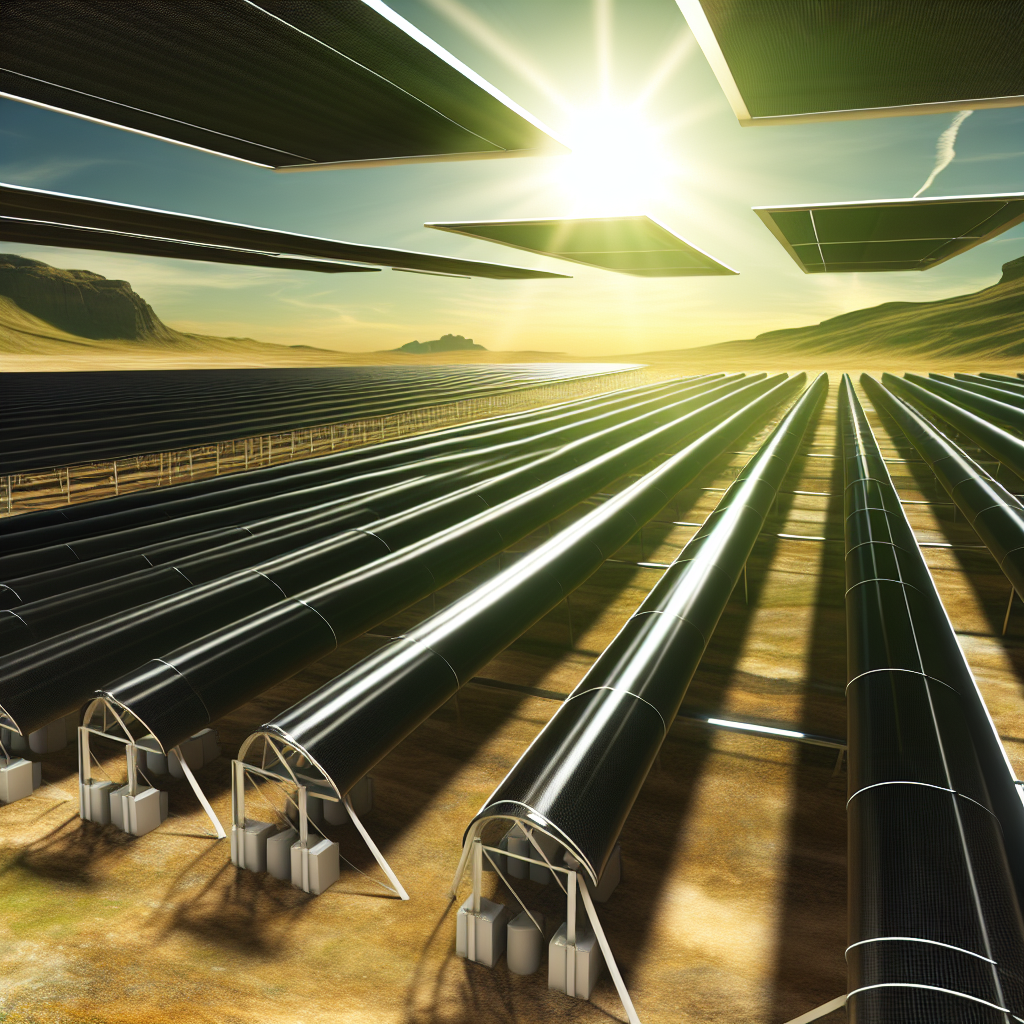
Portable solar farms have become increasingly popular in recent years, providing a sustainable and efficient solution for remote power generation. These compact and lightweight systems are designed to be easily transported and set up in various locations, making them ideal for disaster relief efforts, outdoor events, and off-grid living. However, the efficiency of these portable solar panels has always been a concern, as they often struggle to match the performance of their larger, fixed counterparts. This is where carbon fiber tubes come in, offering a breakthrough solution to enhance the efficiency of portable solar farms.
Carbon fiber tubes are made from a composite material consisting of carbon fibers and resin. This combination results in an incredibly strong and lightweight material, making it ideal for various applications, including aerospace, automotive, and renewable energy. The use of carbon fiber tubes in portable solar farms has revolutionized the industry, allowing for increased efficiency and performance.
One of the main advantages of carbon fiber tubes is their high strength-to-weight ratio. This means that they are incredibly strong while also being lightweight, making them perfect for portable solar panels. The use of carbon fiber tubes in the frame of these panels allows for a more robust and durable structure, without adding significant weight. This is crucial for portable solar farms, as they need to be easily transported and set up in different locations.
Moreover, the use of carbon fiber tubes in the frame of portable solar panels also enhances their stability. These tubes have a high stiffness, meaning they are resistant to bending and twisting forces. This is especially important for portable solar panels, as they are often exposed to harsh weather conditions and need to withstand strong winds. The use of carbon fiber tubes ensures that the panels remain stable and can continue to generate power even in adverse conditions.
Another significant advantage of carbon fiber tubes is their corrosion resistance. Unlike traditional metal frames, carbon fiber tubes do not rust or corrode, even when exposed to moisture and saltwater. This makes them ideal for portable solar panels, which are often used in outdoor and marine environments. The corrosion resistance of carbon fiber tubes ensures that the panels have a longer lifespan and can continue to perform efficiently for years to come.
In addition to their physical properties, carbon fiber tubes also offer design flexibility. These tubes can be easily molded into various shapes and sizes, allowing for customized designs to fit specific needs. This is particularly useful for portable solar panels, as they need to be compact and lightweight while still providing enough surface area to capture sunlight. The design flexibility of carbon fiber tubes allows for the optimization of the panel’s shape and size, resulting in increased efficiency and performance.
Furthermore, the use of carbon fiber tubes in portable solar panels also has a positive impact on their maintenance and repair. These tubes are highly durable and do not require frequent maintenance, unlike traditional metal frames that may need to be repainted or replaced over time. In the event of damage, carbon fiber tubes can also be easily repaired, reducing downtime and costs associated with repairs.
In conclusion, carbon fiber tubes have enabled breakthroughs in portable solar farms, enhancing their efficiency and performance. These lightweight and durable tubes offer a high strength-to-weight ratio, stability, corrosion resistance, design flexibility, and low maintenance, making them the ideal choice for portable solar panels. With the continued advancements in technology and materials, we can expect to see even more significant improvements in the efficiency of portable solar farms in the future.
Revolutionizing Renewable Energy: The Role of Carbon Fiber Tubes in Making Portable Solar Farms a Viable Solution
The world is facing a critical need for renewable energy sources as traditional fossil fuels continue to deplete and contribute to climate change. Solar energy has emerged as a promising solution, but its widespread adoption has been hindered by the limitations of traditional solar panels. However, recent advancements in technology have led to the development of portable solar farms, and carbon fiber tubes have played a crucial role in making this breakthrough possible.
Carbon fiber tubes are lightweight, strong, and durable, making them an ideal material for various applications. They are made of carbon fibers that are tightly woven and bonded together with resin, resulting in a material that is five times stronger than steel and significantly lighter. These properties make carbon fiber tubes an excellent choice for use in portable solar farms, where weight and durability are critical factors.
One of the main challenges in creating portable solar farms is the weight of the solar panels. Traditional solar panels are made of glass and aluminum, which are heavy and not suitable for transportation. This limitation has made it difficult to deploy solar farms in remote or disaster-stricken areas, where access to electricity is crucial. However, with the use of carbon fiber tubes, the weight of the solar panels is significantly reduced, making it possible to transport and set up portable solar farms in these areas.
Moreover, the strength and durability of carbon fiber tubes make them ideal for withstanding harsh weather conditions. Traditional solar panels are prone to damage from strong winds, heavy rain, and hail, which can result in costly repairs and maintenance. In contrast, carbon fiber tubes are highly resistant to these elements, making them a more reliable option for portable solar farms. This durability also translates to a longer lifespan for the solar panels, making them a more cost-effective solution in the long run.
Another significant advantage of carbon fiber tubes in portable solar farms is their flexibility. These tubes can be easily molded into different shapes and sizes, allowing for more versatile designs for solar panels. This flexibility is crucial in creating portable solar farms, as they need to be compact and easy to transport. With carbon fiber tubes, solar panels can be designed to fold or roll up, making them more portable and efficient.
Furthermore, the use of carbon fiber tubes in portable solar farms has also led to advancements in the tracking systems used to optimize solar panel efficiency. Traditional solar panels are fixed in one position, which means they can only capture a limited amount of sunlight throughout the day. However, with the use of carbon fiber tubes, solar panels can be mounted on a tracking system that follows the sun’s movement, maximizing their exposure to sunlight. This technology has significantly increased the efficiency of portable solar farms, making them a more viable solution for renewable energy.
In addition to their role in portable solar farms, carbon fiber tubes have also been instrumental in the development of solar-powered vehicles. These tubes are used to create lightweight and aerodynamic frames for solar-powered cars, making them more energy-efficient and faster. This technology has the potential to revolutionize the transportation industry, reducing our reliance on fossil fuels and promoting sustainable energy sources.
In conclusion, carbon fiber tubes have played a crucial role in making portable solar farms a viable solution for renewable energy. Their lightweight, strength, durability, flexibility, and efficiency have enabled the development of more efficient and cost-effective solar panels. With the continued advancements in technology, we can expect to see even more breakthroughs in the use of carbon fiber tubes in renewable energy solutions, paving the way for a more sustainable future.
Q&A
1. What are carbon fiber tubes and how do they enable breakthroughs in portable solar farms?
Carbon fiber tubes are lightweight, strong, and durable tubes made from carbon fibers. They are used in portable solar farms to support and protect the solar panels, as well as to provide a lightweight and easily transportable structure. This allows for easier setup and dismantling of the solar farm, making it more portable and efficient.
2. How do carbon fiber tubes compare to traditional materials used in solar farms?
Carbon fiber tubes have several advantages over traditional materials such as steel or aluminum. They are much lighter, making them easier to transport and install. They are also stronger and more durable, able to withstand harsh weather conditions and frequent assembly and disassembly. Additionally, carbon fiber tubes have a longer lifespan and require less maintenance, making them a more cost-effective option in the long run.
3. What other industries are utilizing carbon fiber tubes for their lightweight and durable properties?
Carbon fiber tubes are being used in a variety of industries, including aerospace, automotive, and sports equipment. They are also commonly used in the construction of wind turbines, as well as in the manufacturing of high-performance bicycles and drones. The lightweight and strong nature of carbon fiber tubes make them a versatile material for various applications.