


-
Table of Contents
“Launch into the future with the strength and lightness of carbon fiber tubes.”
Introduction
Carbon fiber tubes have become a critical component in the development of lightweight space launch systems. These tubes, made from a combination of carbon fibers and resin, offer a high strength-to-weight ratio, making them ideal for use in aerospace applications. With the increasing demand for more efficient and cost-effective space launch systems, the use of carbon fiber tubes has become essential in reducing the overall weight of the launch vehicle and increasing its payload capacity. In this introduction, we will explore the importance of carbon fiber tubes in the aerospace industry and their role in the development of lightweight space launch systems.
The Advantages of Using Carbon Fiber Tubes in Space Launch Systems
Carbon fiber tubes have become a critical component in the development of lightweight space launch systems. These tubes, made from a combination of carbon fibers and resin, offer numerous advantages over traditional materials such as aluminum and steel. In this article, we will explore the various advantages of using carbon fiber tubes in space launch systems.
One of the main advantages of carbon fiber tubes is their lightweight nature. These tubes are significantly lighter than traditional materials, making them ideal for use in space launch systems. The weight of a space launch system is a crucial factor as it directly affects the amount of fuel needed for launch. By using carbon fiber tubes, the overall weight of the system is reduced, resulting in a more efficient and cost-effective launch.
In addition to being lightweight, carbon fiber tubes also offer exceptional strength. These tubes have a high strength-to-weight ratio, meaning they can withstand high levels of stress and pressure while remaining lightweight. This is a crucial factor in space launch systems as they experience extreme forces during launch and must be able to withstand them without compromising the safety of the payload.
Another advantage of carbon fiber tubes is their durability. These tubes are highly resistant to corrosion, making them ideal for use in the harsh environment of space. Unlike traditional materials, carbon fiber tubes do not rust or degrade over time, ensuring the longevity of the space launch system. This durability also translates to cost savings as the need for frequent repairs and replacements is significantly reduced.
Furthermore, carbon fiber tubes offer excellent thermal properties. These tubes have a low thermal expansion coefficient, meaning they do not expand or contract significantly when exposed to extreme temperatures. This is a crucial factor in space launch systems as they experience extreme temperature changes during launch and while in orbit. The use of carbon fiber tubes ensures that the system remains stable and does not suffer from thermal stress.
In addition to their physical properties, carbon fiber tubes also offer advantages in terms of manufacturing. These tubes can be easily molded into various shapes and sizes, making them highly versatile for use in different components of a space launch system. They can also be customized to meet specific design requirements, allowing for greater flexibility in the design and construction of the system.
Moreover, carbon fiber tubes are also highly resistant to fatigue. This means that they can withstand repeated stress and pressure without experiencing any significant damage. This is a crucial factor in space launch systems as they undergo multiple launches and must be able to withstand the stress and pressure each time. The use of carbon fiber tubes ensures the structural integrity of the system is maintained, reducing the risk of failure.
Finally, carbon fiber tubes offer advantages in terms of cost-effectiveness. While the initial cost of these tubes may be higher than traditional materials, their durability and lightweight nature result in long-term cost savings. The reduced weight of the system translates to lower fuel costs, and the durability of the tubes reduces the need for frequent repairs and replacements.
In conclusion, the use of carbon fiber tubes in space launch systems offers numerous advantages, including lightweight, strength, durability, thermal properties, versatility, fatigue resistance, and cost-effectiveness. These tubes have revolutionized the aerospace industry and have become a critical component in the development of efficient and reliable space launch systems. As technology continues to advance, it is likely that the use of carbon fiber tubes will only increase, further solidifying their importance in the aerospace industry.
Innovative Applications of Carbon Fiber Tubes in the Aerospace Industry
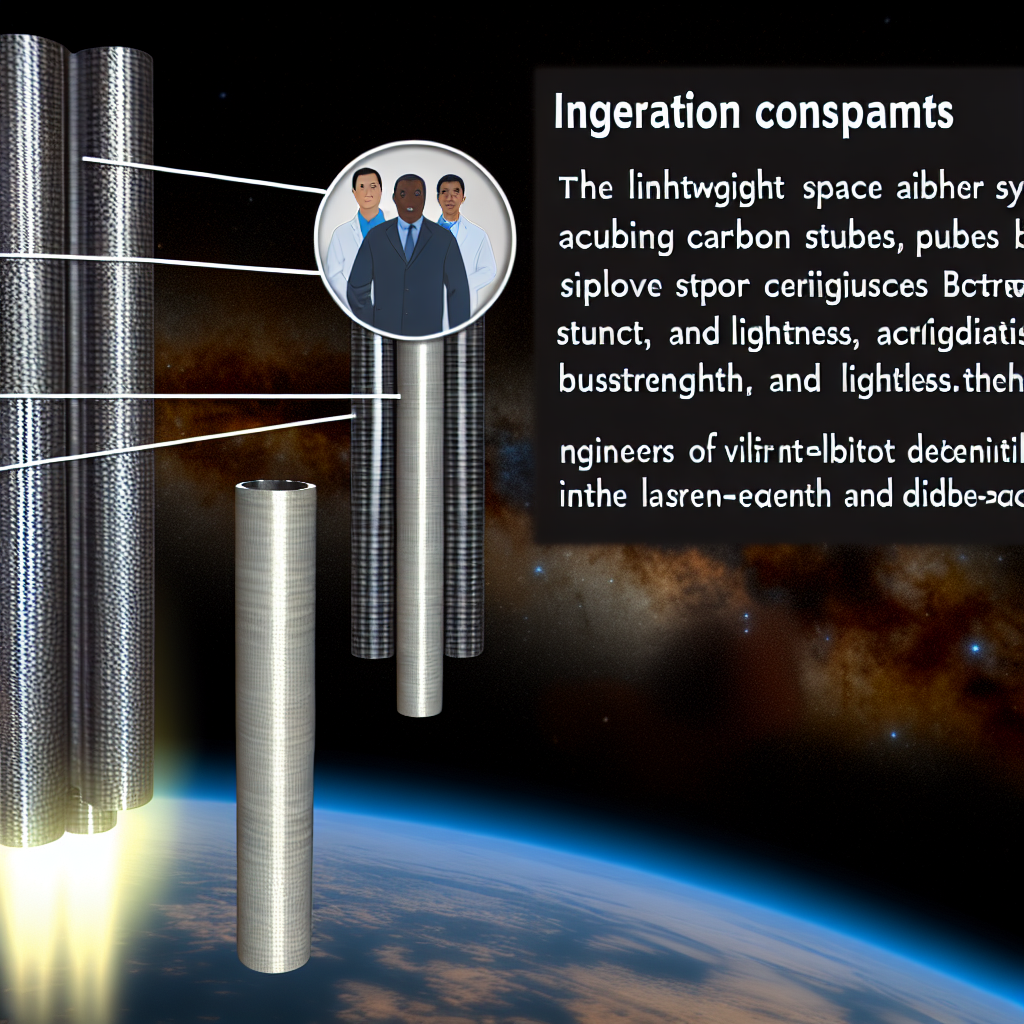
Carbon fiber tubes have been making waves in the aerospace industry for their lightweight and strong properties. These tubes, made from carbon fibers that are woven together and then bonded with resin, have been used in various applications such as aircraft structures, rocket components, and even in space exploration. However, one of the most critical and innovative applications of carbon fiber tubes is in space launch systems.
Space launch systems, also known as launch vehicles, are the backbone of space exploration. These systems are responsible for carrying satellites, spacecraft, and even humans into space. The success of a space launch system depends on various factors, one of which is the weight of the vehicle. The heavier the launch vehicle, the more fuel it requires to reach its destination, resulting in higher costs and limited payload capacity. This is where carbon fiber tubes come into play.
Traditionally, launch vehicles were made from aluminum or steel, which are strong but also heavy materials. However, with the advancements in technology and materials, carbon fiber tubes have emerged as a game-changer in the aerospace industry. These tubes are not only stronger than steel and aluminum but also significantly lighter. This makes them a critical component in the development of lightweight space launch systems.
One of the most significant advantages of using carbon fiber tubes in space launch systems is their high strength-to-weight ratio. This means that these tubes can withstand high amounts of stress and pressure while being significantly lighter than traditional materials. This is crucial for space launch systems as they need to withstand extreme conditions during launch and in space. The use of carbon fiber tubes allows for a reduction in weight, resulting in lower fuel consumption and increased payload capacity.
Moreover, carbon fiber tubes also offer excellent stiffness and rigidity, making them ideal for use in space launch systems. These tubes can maintain their shape and structural integrity even under high levels of stress, which is essential for the success of a launch vehicle. This stiffness also allows for better control and stability during launch, reducing the risk of failure.
Another innovative application of carbon fiber tubes in space launch systems is their use in the construction of rocket fairings. Rocket fairings are the protective coverings that surround the payload during launch. These fairings need to be strong enough to withstand the intense heat and pressure during launch, but also light enough to not add unnecessary weight to the launch vehicle. Carbon fiber tubes are the perfect solution for this, as they provide the necessary strength and rigidity while being significantly lighter than traditional materials.
Furthermore, the use of carbon fiber tubes in space launch systems also has a positive impact on the environment. With the increasing focus on sustainability and reducing carbon emissions, the aerospace industry is also looking for ways to make their operations more eco-friendly. The use of carbon fiber tubes in space launch systems results in a significant reduction in fuel consumption, which in turn reduces carbon emissions. This makes carbon fiber tubes a more environmentally friendly option for space exploration.
In conclusion, carbon fiber tubes have proven to be a critical component in the development of lightweight space launch systems. Their high strength-to-weight ratio, stiffness, and eco-friendliness make them an ideal choice for the aerospace industry. As technology continues to advance, we can expect to see even more innovative applications of carbon fiber tubes in space exploration, further revolutionizing the industry.
The Future of Space Launch Systems: How Carbon Fiber Tubes are Revolutionizing Space Travel
Space travel has always been a dream for humanity, and with advancements in technology, it is becoming more and more of a reality. However, one of the biggest challenges in space travel is the weight of the spacecraft. The heavier the spacecraft, the more fuel it requires, making it more expensive and less efficient. This is where carbon fiber tubes come into play. These lightweight and strong materials are revolutionizing space travel and making it more accessible and cost-effective.
Carbon fiber tubes are made from carbon fibers that are woven together and then coated with resin. This creates a strong and lightweight material that is five times stronger than steel and twice as stiff. This makes it an ideal material for space launch systems, where weight and strength are crucial factors.
One of the main advantages of using carbon fiber tubes in space launch systems is their weight. Traditional materials like aluminum and steel are heavy, which means more fuel is needed to launch the spacecraft. This not only increases the cost but also limits the payload capacity. With carbon fiber tubes, the weight of the spacecraft is significantly reduced, allowing for more payload and less fuel consumption. This makes space travel more efficient and cost-effective.
Moreover, carbon fiber tubes are also highly resistant to extreme temperatures and corrosion. This is crucial for space travel as spacecraft are exposed to extreme temperatures and harsh environments. Traditional materials like aluminum and steel are prone to corrosion, which can compromise the structural integrity of the spacecraft. Carbon fiber tubes, on the other hand, are highly resistant to corrosion, making them a more reliable and durable option for space launch systems.
Another advantage of carbon fiber tubes is their flexibility in design. These tubes can be molded into various shapes and sizes, making them suitable for different parts of the spacecraft. This flexibility allows for more efficient use of space and better aerodynamics, which is crucial for space travel. It also allows for more complex and intricate designs, which can improve the overall performance of the spacecraft.
In addition to their use in space launch systems, carbon fiber tubes are also being used in other aspects of space travel. For instance, they are being used in the construction of satellites, which require lightweight and strong materials. These tubes are also being used in the construction of space habitats and structures, as they can withstand the harsh conditions of space.
Furthermore, the use of carbon fiber tubes in space launch systems is not limited to just spacecraft. They are also being used in the construction of launch pads and other ground support equipment. This is because these tubes are not only lightweight but also highly durable, making them suitable for use in harsh environments.
However, there are some challenges that come with using carbon fiber tubes in space launch systems. One of the main challenges is the high cost of production. The process of manufacturing carbon fiber tubes is complex and requires specialized equipment, making it an expensive option. However, with advancements in technology and increased demand, the cost of production is expected to decrease in the future.
In conclusion, carbon fiber tubes are critical for the future of space launch systems. Their lightweight, strength, durability, and flexibility make them an ideal material for space travel. With the continued advancements in technology, we can expect to see more and more use of carbon fiber tubes in space launch systems, making space travel more efficient, cost-effective, and accessible.
Q&A
1. What makes carbon fiber tubes critical for lightweight space launch systems?
Carbon fiber tubes are critical for lightweight space launch systems because they are incredibly strong and lightweight, making them ideal for use in aerospace applications. They have a high strength-to-weight ratio, meaning they can withstand high levels of stress and pressure while still being lightweight enough to reduce the overall weight of the launch system. This is crucial for space launches, as every extra pound of weight adds significant costs and complexity to the mission.
2. How are carbon fiber tubes used in space launch systems?
Carbon fiber tubes are used in various components of space launch systems, including the rocket body, payload fairing, and propulsion systems. They are also used in the construction of launch vehicle structures, such as the main body and boosters. These tubes are typically layered and bonded together to create a strong and lightweight structure that can withstand the extreme conditions of space launches.
3. What are the advantages of using carbon fiber tubes in space launch systems?
The use of carbon fiber tubes in space launch systems offers several advantages. As mentioned, they are incredibly strong and lightweight, which helps reduce the overall weight of the launch system and increase its payload capacity. Additionally, carbon fiber tubes have excellent thermal and chemical resistance, making them suitable for use in the harsh environment of space. They also have a long lifespan and require minimal maintenance, making them a cost-effective choice for space missions.