


-
Table of Contents
“Woven UHMWPE Fabric: Where Unmatched Strength Meets Unrivaled Durability.”
Introduction
Woven UHMWPE (Ultra-High Molecular Weight Polyethylene) fabric is a cutting-edge material renowned for its exceptional strength and durability. Engineered from long-chain polyethylene molecules, this fabric exhibits remarkable resistance to abrasion, chemicals, and UV radiation, making it ideal for a wide range of applications, from industrial uses to outdoor gear. Its lightweight nature combined with high tensile strength allows for superior performance in demanding environments, while its woven structure enhances flexibility and comfort. As industries increasingly seek materials that offer both resilience and versatility, woven UHMWPE fabric stands out as a premier choice for those requiring unmatched performance and longevity.
Applications of Woven Uhmwpe Fabric in Extreme Environments
Woven UHMWPE (Ultra-High Molecular Weight Polyethylene) fabric has emerged as a revolutionary material in various industries, particularly in applications that demand exceptional strength and durability. Its unique properties make it an ideal choice for extreme environments, where traditional materials often fail to perform. The remarkable tensile strength of woven UHMWPE fabric, which is significantly higher than that of steel, allows it to withstand immense forces without compromising its structural integrity. This characteristic is particularly beneficial in applications such as ballistic protection, where the fabric is used in the production of body armor and protective gear. The lightweight nature of UHMWPE fabric enhances mobility for users while providing superior protection against projectiles and shrapnel.
In addition to its use in personal protective equipment, woven UHMWPE fabric is increasingly being utilized in the maritime industry. The fabric’s resistance to abrasion, UV radiation, and chemical exposure makes it an excellent choice for applications such as ropes, nets, and sails. For instance, fishing nets made from woven UHMWPE fabric exhibit remarkable durability, allowing them to withstand harsh marine conditions while maintaining their functionality over extended periods. Furthermore, the low water absorption rate of UHMWPE ensures that the fabric remains lightweight and buoyant, which is crucial for applications in watercraft and marine equipment.
Moreover, the aerospace sector has recognized the advantages of woven UHMWPE fabric, particularly in the manufacturing of components that require both strength and weight reduction. The fabric’s high strength-to-weight ratio is invaluable in applications such as aircraft interiors, where reducing weight can lead to significant fuel savings and improved overall efficiency. Additionally, the fabric’s resistance to extreme temperatures and environmental conditions makes it suitable for use in various aerospace applications, including protective covers and insulation materials.
The construction industry also benefits from the unique properties of woven UHMWPE fabric. Its exceptional tensile strength and resistance to environmental degradation make it an ideal choice for applications such as geotextiles and reinforcement materials. In soil stabilization projects, woven UHMWPE fabric can be used to reinforce slopes and prevent erosion, ensuring the longevity and stability of structures. Furthermore, its lightweight nature simplifies handling and installation, reducing labor costs and time on site.
In the field of sports and recreation, woven UHMWPE fabric has found its way into high-performance gear, such as climbing harnesses, ropes, and protective clothing. The fabric’s ability to withstand extreme forces while remaining lightweight enhances the safety and performance of athletes engaged in demanding activities. As outdoor enthusiasts seek gear that can endure harsh conditions, the adoption of woven UHMWPE fabric continues to grow, providing users with reliable and durable options.
In conclusion, the applications of woven UHMWPE fabric in extreme environments are vast and varied, spanning multiple industries from defense to aerospace, maritime, construction, and sports. Its unmatched strength, durability, and resistance to environmental factors make it a material of choice for applications where performance is critical. As technology advances and the demand for high-performance materials increases, woven UHMWPE fabric is poised to play an even more significant role in developing innovative solutions that meet the challenges of extreme environments. The ongoing exploration of its potential will undoubtedly lead to new applications and enhancements, further solidifying its status as a cornerstone material in various fields.
Comparing Woven Uhmwpe Fabric to Traditional Materials
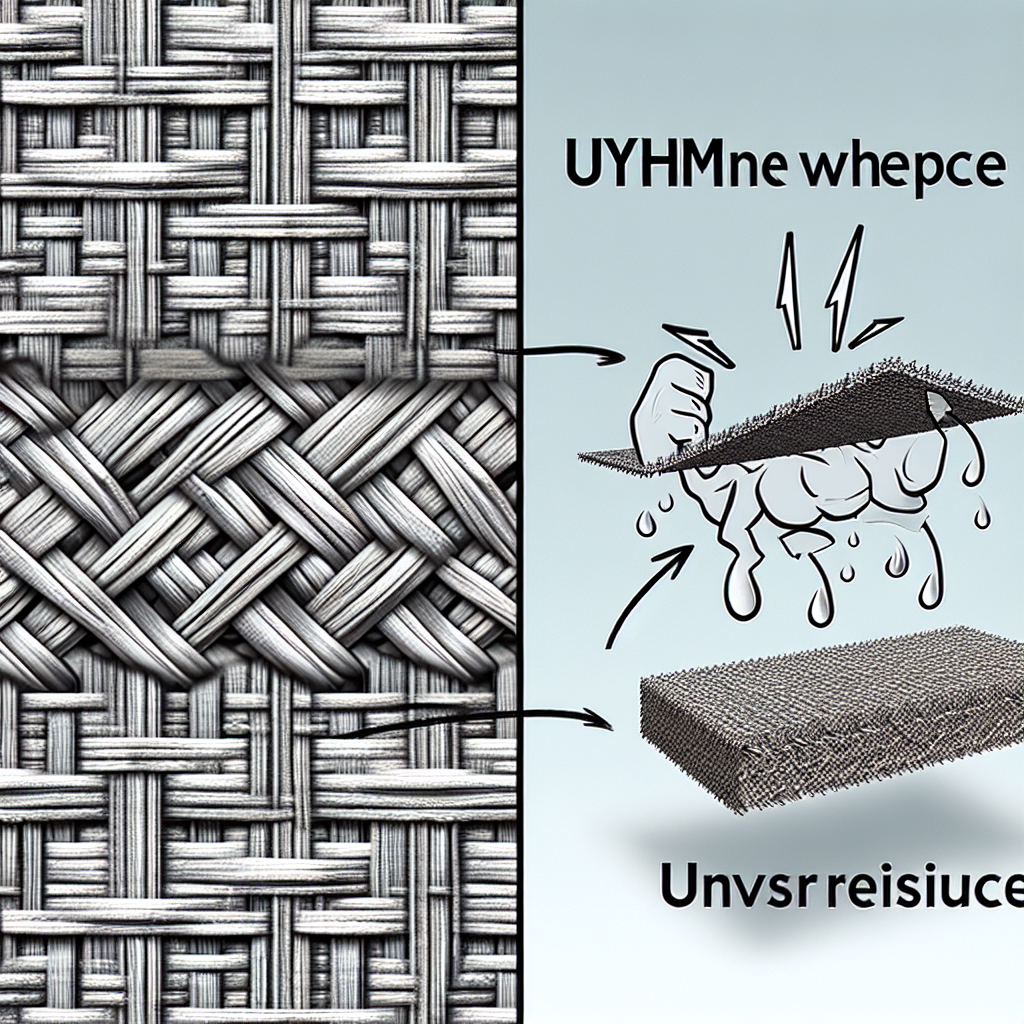
Woven Ultra-High Molecular Weight Polyethylene (UHMWPE) fabric has emerged as a revolutionary material in various industries, particularly when compared to traditional fabrics such as nylon, polyester, and cotton. The unique properties of UHMWPE, including its exceptional strength-to-weight ratio, chemical resistance, and durability, make it a superior choice for applications that demand high performance and reliability. To understand the advantages of woven UHMWPE fabric, it is essential to compare it with these conventional materials.
Firstly, one of the most significant differences between woven UHMWPE fabric and traditional materials lies in their tensile strength. UHMWPE boasts a tensile strength that is several times greater than that of steel, while traditional fabrics like nylon and polyester, although strong, do not come close to this level of performance. This remarkable strength allows UHMWPE fabric to withstand extreme forces and stresses, making it ideal for applications in industries such as marine, aerospace, and military, where failure is not an option. In contrast, traditional materials may experience wear and tear more quickly under similar conditions, leading to increased maintenance costs and potential safety hazards.
Moreover, the durability of woven UHMWPE fabric is another area where it outshines traditional materials. While nylon and polyester can degrade over time due to exposure to UV light, moisture, and chemicals, UHMWPE exhibits outstanding resistance to these environmental factors. This inherent durability translates into a longer lifespan for products made from UHMWPE, reducing the need for frequent replacements. Consequently, industries that rely on high-performance materials can benefit from the cost-effectiveness of using UHMWPE, as the longevity of the fabric minimizes the frequency of procurement and associated labor costs.
In addition to strength and durability, woven UHMWPE fabric is also lighter than many traditional materials. This lightweight characteristic is particularly advantageous in applications where weight reduction is critical, such as in the aerospace and automotive sectors. For instance, using UHMWPE in the construction of lightweight protective gear or equipment can enhance mobility and reduce fatigue for users. Traditional materials, while often heavier, can hinder performance and efficiency, making UHMWPE a more favorable option for those seeking to optimize their designs.
Furthermore, the versatility of woven UHMWPE fabric cannot be overlooked. It can be engineered to meet specific requirements, such as varying degrees of flexibility, thickness, and weave patterns, allowing for tailored solutions across diverse applications. In contrast, traditional materials may not offer the same level of customization, limiting their effectiveness in specialized uses. This adaptability of UHMWPE fabric enables manufacturers to innovate and create products that meet the evolving demands of their industries.
Lastly, the environmental impact of woven UHMWPE fabric is worth considering. While traditional materials like cotton require significant water and pesticide inputs during cultivation, UHMWPE is derived from a synthetic process that can be more sustainable when managed correctly. Additionally, the longevity of UHMWPE products means that they contribute less to landfill waste over time compared to their traditional counterparts.
In conclusion, the comparison between woven UHMWPE fabric and traditional materials reveals a clear advantage for UHMWPE in terms of strength, durability, weight, versatility, and environmental impact. As industries continue to seek high-performance materials that can withstand the rigors of modern applications, woven UHMWPE fabric stands out as a leading choice, promising unmatched strength and durability for a wide range of uses.
The Manufacturing Process of Woven Uhmwpe Fabric: A Closer Look
The manufacturing process of woven UHMWPE (Ultra-High Molecular Weight Polyethylene) fabric is a sophisticated endeavor that combines advanced technology with meticulous craftsmanship. To understand the remarkable properties of this fabric, it is essential to delve into the steps involved in its production. The journey begins with the selection of high-quality polyethylene resin, which is crucial for achieving the desired molecular weight. This resin is subjected to a polymerization process that significantly increases its molecular weight, resulting in a material that exhibits exceptional strength and durability.
Once the resin is prepared, it undergoes a series of transformations to create fibers. The first step involves the extrusion of the polymer into thin filaments. This process is critical, as the diameter of the fibers directly influences the fabric’s overall performance. The extruded fibers are then cooled and drawn to align the molecular chains, enhancing their tensile strength. This alignment is a key factor in the fabric’s ability to withstand extreme conditions, making it suitable for various applications, from industrial uses to personal protective equipment.
Following the fiber production, the next phase is weaving. The drawn fibers are carefully woven together using advanced looms that ensure precision and consistency. This weaving process is not merely a mechanical operation; it requires skilled technicians who understand the intricacies of fiber behavior and fabric structure. The choice of weave pattern can significantly affect the fabric’s properties, including its flexibility, weight, and resistance to abrasion. As the fibers interlace, they form a robust matrix that contributes to the overall strength of the fabric.
After weaving, the fabric undergoes a series of finishing treatments to enhance its performance characteristics. These treatments may include coating the fabric with specialized compounds that improve its resistance to water, chemicals, and UV radiation. Such enhancements are vital, as they extend the fabric’s lifespan and maintain its integrity under harsh environmental conditions. Additionally, these treatments can impart specific qualities, such as increased grip or reduced friction, depending on the intended application.
Quality control is an integral part of the manufacturing process. Throughout each stage, rigorous testing is conducted to ensure that the fabric meets industry standards and specifications. This includes assessments of tensile strength, elongation, and abrasion resistance. By adhering to strict quality control measures, manufacturers can guarantee that the final product will perform reliably in demanding situations.
Moreover, sustainability is becoming an increasingly important consideration in the production of woven UHMWPE fabric. Many manufacturers are exploring eco-friendly practices, such as recycling waste materials and reducing energy consumption during the manufacturing process. This commitment to sustainability not only benefits the environment but also appeals to consumers who are increasingly conscious of their purchasing decisions.
In conclusion, the manufacturing process of woven UHMWPE fabric is a complex interplay of science and craftsmanship. From the initial selection of high-quality resin to the final quality control checks, each step is designed to produce a fabric that is unmatched in strength and durability. As industries continue to seek materials that can withstand extreme conditions while remaining lightweight and flexible, woven UHMWPE fabric stands out as a premier choice. Its unique properties, combined with ongoing advancements in manufacturing techniques, ensure that it will remain a vital material in various applications for years to come.
Q&A
1. **What is Woven UHMWPE Fabric?**
Woven UHMWPE (Ultra-High Molecular Weight Polyethylene) Fabric is a high-performance textile made from long-chain polyethylene fibers, known for its exceptional strength-to-weight ratio and durability.
2. **What are the key benefits of Woven UHMWPE Fabric?**
The key benefits include outstanding abrasion resistance, high tensile strength, low moisture absorption, and resistance to chemicals and UV light, making it ideal for demanding applications.
3. **In what applications is Woven UHMWPE Fabric commonly used?**
It is commonly used in industries such as marine (for sails and ropes), personal protective equipment (like cut-resistant gloves), and in various industrial applications requiring lightweight yet strong materials.