


-
Table of Contents
“Transform Your Creations: Elevate Every Project with Woven Roving Fabric!”
Introduction
Woven roving fabric is a versatile and innovative material that can significantly enhance a variety of projects, from fashion design to home decor and industrial applications. Known for its strength, durability, and unique texture, woven roving fabric offers a blend of aesthetic appeal and functional performance. Its ability to be easily manipulated and combined with other materials makes it an ideal choice for creators looking to elevate their work. Whether you’re crafting bespoke garments, designing striking upholstery, or developing composite materials, incorporating woven roving fabric can add a distinctive touch and improve the overall quality of your projects.
Creative Uses of Woven Roving Fabric in Home Decor
Woven roving fabric, characterized by its unique texture and versatility, has emerged as a favored material in the realm of home decor. This fabric, which is crafted from long strands of fiber, offers a distinctive aesthetic that can elevate various design elements within a home. As homeowners increasingly seek innovative ways to personalize their spaces, woven roving fabric presents a myriad of creative applications that can enhance both functionality and visual appeal.
One of the most popular uses of woven roving fabric is in the creation of decorative throw pillows. The fabric’s soft texture and rich colors can add warmth and depth to any seating area. By selecting woven roving fabric in complementary hues, homeowners can easily coordinate their pillows with existing decor, thereby creating a cohesive look. Furthermore, the durability of this fabric ensures that the pillows not only serve as decorative accents but also withstand the rigors of daily use, making them both practical and stylish.
In addition to throw pillows, woven roving fabric can be utilized to craft unique wall hangings. The tactile quality of the fabric lends itself well to artistic expression, allowing for the creation of intricate designs that can serve as focal points in a room. By incorporating various weaving techniques, such as macramé or tapestry, homeowners can produce one-of-a-kind pieces that reflect their personal style. These wall hangings can transform a bare wall into a vibrant canvas, adding character and dimension to the space.
Moreover, woven roving fabric can be employed in the design of table runners and placemats, providing an elegant touch to dining areas. The fabric’s natural fibers can evoke a sense of warmth and comfort, making it an ideal choice for both casual and formal dining settings. By choosing colors and patterns that align with the overall theme of the dining room, homeowners can create an inviting atmosphere that encourages gatherings and shared meals. Additionally, the fabric’s durability ensures that it can withstand spills and stains, making it a practical choice for everyday use.
Another innovative application of woven roving fabric is in the creation of upholstered furniture. Whether it be a statement chair or a cozy ottoman, this fabric can bring a fresh perspective to traditional furniture pieces. The unique texture of woven roving fabric not only enhances the visual interest of the furniture but also provides a comfortable seating experience. By reupholstering existing furniture with this fabric, homeowners can breathe new life into their decor while also making a sustainable choice by repurposing older pieces.
Furthermore, woven roving fabric can be used in crafting decorative storage solutions, such as baskets or bins. These functional items can help maintain organization while simultaneously contributing to the overall aesthetic of a room. The natural look of woven roving fabric can seamlessly blend with various design styles, from rustic to modern, making it a versatile choice for storage solutions.
In conclusion, the creative uses of woven roving fabric in home decor are vast and varied. From decorative pillows and wall hangings to table runners and upholstered furniture, this fabric offers endless possibilities for enhancing interior spaces. Its unique texture, durability, and aesthetic appeal make it an ideal choice for homeowners looking to infuse their environments with personal style and warmth. As the trend towards personalized home decor continues to grow, woven roving fabric stands out as a valuable resource for those seeking to create inviting and stylish living spaces.
How to Incorporate Woven Roving Fabric in Fashion Design
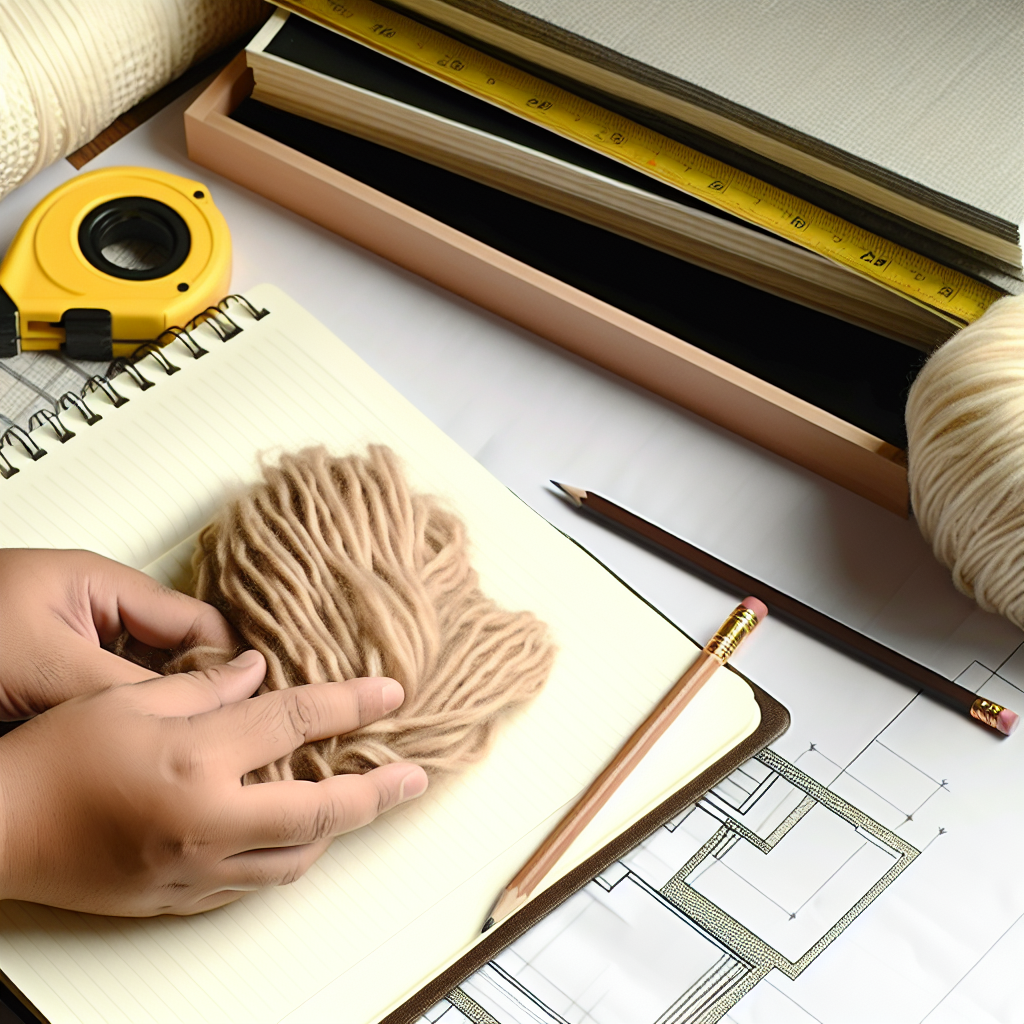
Woven roving fabric has emerged as a versatile and innovative material in the realm of fashion design, offering designers a unique opportunity to enhance their projects with texture, structure, and visual interest. This fabric, characterized by its lightweight yet durable nature, is crafted from a blend of fibers that are woven together, resulting in a product that is both aesthetically pleasing and functional. As fashion designers seek to push the boundaries of creativity, incorporating woven roving fabric into their collections can yield remarkable results.
To begin with, understanding the properties of woven roving fabric is essential for effective incorporation into fashion design. The fabric’s unique texture can add depth to garments, making it an excellent choice for layering. Designers can utilize woven roving fabric in various ways, such as creating statement pieces or subtle accents. For instance, a designer might choose to use this fabric for a flowing cape or overlay, allowing the material to drape elegantly over a more structured garment. This interplay between different fabrics can create a dynamic visual effect, drawing the eye and enhancing the overall design.
Moreover, the versatility of woven roving fabric extends to its suitability for various types of garments. From casual wear to high-fashion pieces, this fabric can be adapted to fit a wide range of styles. For example, in the realm of activewear, woven roving fabric can be employed to create breathable and lightweight layers that provide both comfort and style. By integrating this fabric into athleisure collections, designers can offer consumers functional yet fashionable options that cater to their active lifestyles. Additionally, the fabric’s ability to hold shape makes it an excellent choice for structured garments, such as tailored jackets or dresses, where form and silhouette are paramount.
In addition to its practical applications, woven roving fabric also presents an opportunity for designers to explore sustainable practices. As the fashion industry increasingly shifts towards eco-friendly materials, woven roving fabric can be sourced from organic fibers or recycled materials, aligning with the growing demand for sustainable fashion. By incorporating this fabric into their designs, fashion designers not only enhance the aesthetic appeal of their collections but also contribute to a more sustainable future for the industry. This dual benefit can resonate with environmentally conscious consumers, further elevating the brand’s appeal.
Furthermore, the incorporation of woven roving fabric can inspire innovative design techniques. Designers may experiment with various dyeing methods, such as tie-dye or ombre, to create unique patterns and colorways that enhance the fabric’s inherent qualities. This experimentation can lead to one-of-a-kind pieces that stand out in a crowded market. Additionally, the fabric’s texture lends itself well to embellishments, such as embroidery or appliqué, allowing designers to add intricate details that elevate the overall design.
As designers continue to explore the potential of woven roving fabric, it is essential to consider the overall vision for the collection. By thoughtfully integrating this material into their designs, fashion creators can achieve a harmonious balance between innovation and wearability. Ultimately, woven roving fabric offers a wealth of possibilities for fashion designers looking to enhance their projects, providing a canvas for creativity that can lead to stunning and memorable garments. In conclusion, the thoughtful incorporation of woven roving fabric can not only elevate individual pieces but also contribute to a broader narrative within a designer’s collection, making it a valuable asset in the ever-evolving world of fashion design.
Tips for Choosing the Right Woven Roving Fabric for Your Projects
When embarking on a project that requires woven roving fabric, it is essential to make informed choices to ensure the final outcome meets your expectations. Woven roving fabric, known for its versatility and strength, can be utilized in various applications, from upholstery to crafting and even in industrial settings. To begin with, understanding the specific requirements of your project is crucial. Consider the intended use of the fabric; for instance, if you are creating a piece that will endure heavy wear, selecting a durable option is paramount.
Moreover, the weight of the fabric plays a significant role in its performance. Woven roving fabrics come in various weights, and choosing the right one can greatly influence the drape and structure of your project. Lighter weights may be suitable for delicate applications, while heavier weights provide the robustness needed for more demanding uses. Therefore, assessing the balance between weight and functionality is essential to achieving the desired results.
In addition to weight, the type of fibers used in the woven roving fabric should also be taken into account. Common materials include cotton, polyester, and blends, each offering distinct characteristics. Cotton, for example, is known for its breathability and comfort, making it an excellent choice for clothing and home textiles. On the other hand, polyester is often favored for its durability and resistance to wrinkles, which can be advantageous in upholstery projects. By understanding the properties of different fibers, you can select a fabric that aligns with your project’s needs.
Furthermore, the weave pattern of the fabric can significantly impact its appearance and functionality. Woven roving fabrics are available in various patterns, such as plain, twill, or satin weaves. Each pattern offers unique aesthetic qualities and levels of flexibility. For instance, a twill weave may provide a more textured surface, which can enhance the visual appeal of your project, while a satin weave may offer a smoother finish. Therefore, considering the weave pattern in relation to your design vision is vital for achieving the desired aesthetic.
Another important factor to consider is the color and print of the woven roving fabric. The color palette can dramatically influence the overall look of your project, so it is advisable to choose hues that complement your design scheme. Additionally, if your project involves multiple fabrics, coordinating colors and patterns can create a cohesive and visually appealing result. It is also worth noting that some fabrics may be available in limited color options, so planning ahead can save time and ensure you find the perfect match.
Lastly, it is prudent to consider the care instructions associated with the woven roving fabric. Different materials may require specific cleaning methods, and understanding these requirements can help maintain the integrity and appearance of your project over time. For instance, some fabrics may be machine washable, while others may necessitate dry cleaning. By being aware of these care considerations, you can make a more informed decision that aligns with your lifestyle and maintenance preferences.
In conclusion, selecting the right woven roving fabric for your projects involves a careful evaluation of various factors, including weight, fiber type, weave pattern, color, and care instructions. By taking the time to assess these elements, you can enhance the quality and longevity of your projects, ensuring they not only meet your expectations but also stand the test of time. Ultimately, a thoughtful approach to fabric selection will contribute significantly to the success of your creative endeavors.
Q&A
1. **What is woven roving fabric?**
Woven roving fabric is a type of composite material made from layers of fiberglass strands woven together, providing high strength and durability, commonly used in boat building, automotive parts, and other applications requiring lightweight yet strong materials.
2. **How can woven roving fabric enhance project durability?**
Woven roving fabric enhances project durability by offering superior tensile strength and resistance to impact, making it ideal for applications that require long-lasting performance under stress or harsh conditions.
3. **What are the benefits of using woven roving fabric in composite construction?**
The benefits of using woven roving fabric in composite construction include improved structural integrity, reduced weight compared to traditional materials, ease of handling and application, and the ability to create complex shapes and designs.