


-
Table of Contents
“Woven Glass Fiber Cloth: Strength and Versatility for Every Project.”
Introduction
Woven glass fiber cloth is a versatile and durable material widely recognized for its exceptional strength and resistance to heat, chemicals, and environmental factors. Composed of fine glass fibers woven together, this cloth offers a lightweight yet robust solution for various applications, including insulation, reinforcement, and composite manufacturing. Its unique properties make it an ideal choice for industries such as aerospace, automotive, construction, and marine. With its ability to enhance structural integrity while maintaining flexibility, woven glass fiber cloth stands out as a reliable material solution for both industrial and commercial needs.
Applications of Woven Glass Fiber Cloth in Construction
Woven glass fiber cloth has emerged as a versatile and reliable material in the construction industry, offering a range of applications that enhance structural integrity and durability. This innovative fabric, composed of fine glass fibers woven together, provides unique properties that make it an ideal choice for various construction needs. One of the primary applications of woven glass fiber cloth is in the reinforcement of concrete structures. When integrated into concrete, this material significantly improves tensile strength, reducing the likelihood of cracking and extending the lifespan of the structure. The lightweight nature of glass fiber cloth allows for easy handling and installation, making it a preferred option for contractors seeking efficiency without compromising quality.
Moreover, woven glass fiber cloth is increasingly utilized in the production of composite materials. By combining glass fiber with resins, manufacturers can create lightweight yet robust panels that are suitable for a variety of construction applications, including wall systems, roofing, and flooring. These composite materials not only exhibit excellent mechanical properties but also offer resistance to moisture, chemicals, and UV radiation, making them ideal for both indoor and outdoor environments. As a result, architects and builders are increasingly incorporating these composites into their designs, recognizing the long-term benefits they provide in terms of maintenance and durability.
In addition to its structural applications, woven glass fiber cloth plays a crucial role in fireproofing and insulation. The inherent properties of glass fibers make them non-combustible, which is a significant advantage in meeting fire safety regulations. When used as a fire-resistant barrier, woven glass fiber cloth can help protect critical structural elements from heat and flames, thereby enhancing the overall safety of buildings. Furthermore, when combined with insulation materials, it can improve thermal performance, contributing to energy efficiency in construction projects. This dual functionality not only meets safety standards but also aligns with the growing demand for sustainable building practices.
Another noteworthy application of woven glass fiber cloth is in the realm of waterproofing. The fabric’s ability to repel water while maintaining breathability makes it an excellent choice for roofing membranes and exterior wall systems. By preventing water infiltration, woven glass fiber cloth helps to protect buildings from moisture-related issues such as mold and structural degradation. This application is particularly valuable in regions prone to heavy rainfall or flooding, where the integrity of a building can be severely compromised without adequate waterproofing measures.
Furthermore, the aesthetic versatility of woven glass fiber cloth cannot be overlooked. It can be easily coated or painted, allowing architects and designers to achieve a variety of finishes that complement their overall vision. This adaptability makes it suitable for both residential and commercial projects, where visual appeal is as important as structural performance. As the construction industry continues to evolve, the demand for materials that offer both functionality and aesthetic value is likely to increase, positioning woven glass fiber cloth as a key player in future developments.
In conclusion, the applications of woven glass fiber cloth in construction are diverse and impactful. From reinforcing concrete structures to enhancing fire safety and waterproofing capabilities, this material provides a reliable solution that meets the demands of modern construction. As builders and architects increasingly recognize its benefits, woven glass fiber cloth is poised to play an even more significant role in shaping the future of the industry, ensuring that structures are not only durable but also safe and visually appealing.
Benefits of Using Woven Glass Fiber Cloth in Automotive Industry
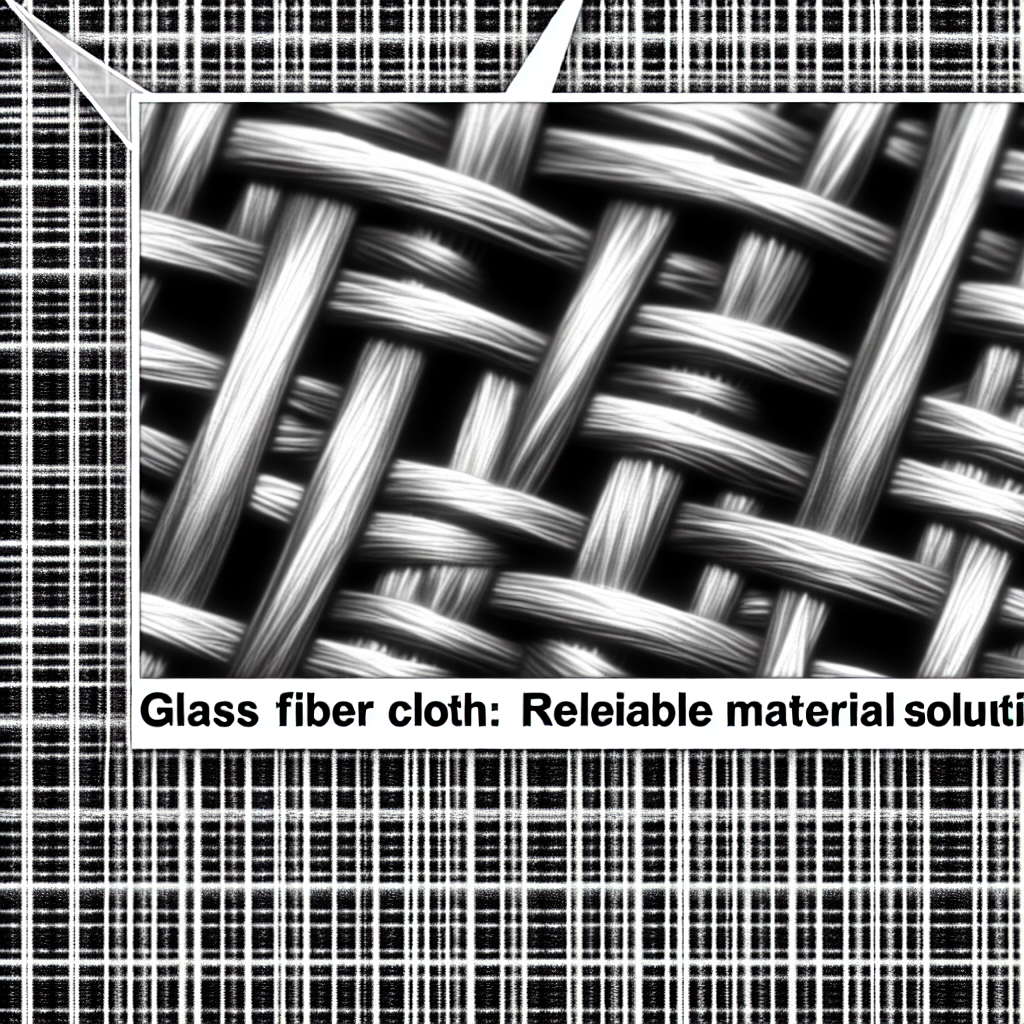
Woven glass fiber cloth has emerged as a pivotal material in the automotive industry, offering a multitude of benefits that enhance vehicle performance, safety, and longevity. As manufacturers continuously seek innovative solutions to meet the demands of modern consumers, the unique properties of woven glass fiber cloth have positioned it as a reliable choice for various automotive applications. One of the primary advantages of this material is its exceptional strength-to-weight ratio. This characteristic allows automotive engineers to design lighter vehicles without compromising structural integrity. By incorporating woven glass fiber cloth into components such as body panels and structural reinforcements, manufacturers can achieve significant weight reductions, which in turn improve fuel efficiency and overall vehicle performance.
Moreover, woven glass fiber cloth exhibits remarkable resistance to heat and chemicals, making it particularly suitable for automotive environments where exposure to extreme conditions is common. For instance, components such as engine covers and heat shields benefit from the thermal stability of this material, ensuring that they maintain their structural integrity even under high temperatures. Additionally, the chemical resistance of woven glass fiber cloth protects against the corrosive effects of automotive fluids, thereby extending the lifespan of critical components and reducing maintenance costs for vehicle owners.
In addition to its physical properties, woven glass fiber cloth also contributes to enhanced safety features in vehicles. The material’s inherent strength provides added protection in the event of a collision, as it can absorb and dissipate energy more effectively than traditional materials. This capability not only helps to safeguard passengers but also aligns with the automotive industry’s ongoing commitment to improving safety standards. Furthermore, the use of woven glass fiber cloth in the production of composite materials allows for the creation of complex shapes and designs that can enhance aerodynamics, further contributing to vehicle safety and efficiency.
Transitioning from safety to aesthetics, woven glass fiber cloth also offers design flexibility that appeals to automotive manufacturers. The material can be easily molded into various shapes and finishes, allowing for innovative designs that meet consumer preferences. This versatility enables manufacturers to create visually appealing vehicles that stand out in a competitive market while still benefiting from the performance advantages of woven glass fiber cloth. As a result, automotive designers can push the boundaries of creativity without sacrificing functionality.
Another significant benefit of woven glass fiber cloth is its sustainability. As the automotive industry increasingly prioritizes environmentally friendly practices, the use of glass fiber composites presents an opportunity to reduce reliance on traditional materials that may have a larger environmental footprint. Woven glass fiber cloth can be produced using recycled materials, and its durability ensures that vehicles made with this material have a longer lifespan, ultimately contributing to reduced waste.
In conclusion, the integration of woven glass fiber cloth into the automotive industry presents a myriad of advantages that enhance vehicle performance, safety, and design. Its strength-to-weight ratio, resistance to heat and chemicals, and design flexibility make it an invaluable material for manufacturers striving to meet the evolving needs of consumers. As the industry continues to innovate, woven glass fiber cloth stands out as a reliable solution that not only meets current demands but also aligns with future sustainability goals. By embracing this advanced material, automotive manufacturers can ensure that they remain at the forefront of technology while delivering high-quality vehicles that prioritize both performance and safety.
Comparison of Woven Glass Fiber Cloth with Other Reinforcement Materials
Woven glass fiber cloth has emerged as a prominent choice in various industries due to its unique properties and versatility. When comparing woven glass fiber cloth with other reinforcement materials, it becomes evident that its advantages are significant, making it a reliable solution for many applications. To begin with, woven glass fiber cloth is known for its exceptional strength-to-weight ratio. This characteristic is particularly advantageous in sectors such as aerospace and automotive, where reducing weight while maintaining structural integrity is crucial. In contrast, materials like carbon fiber, while also strong, tend to be more expensive and may not always provide the same level of thermal resistance as glass fiber.
Moreover, woven glass fiber cloth exhibits excellent resistance to moisture and chemicals, which is a vital consideration in environments where exposure to harsh conditions is common. For instance, in marine applications, the durability of woven glass fiber cloth ensures that it can withstand the corrosive effects of saltwater, unlike some organic fibers that may degrade over time. This resilience not only extends the lifespan of the materials but also reduces maintenance costs, making woven glass fiber cloth a cost-effective option in the long run.
In addition to its durability, woven glass fiber cloth is also highly versatile in terms of its applications. It can be easily molded into various shapes and forms, allowing for its use in a wide range of products, from composite materials to insulation. This adaptability is a significant advantage over other reinforcement materials such as aramid fibers, which, while offering high tensile strength, are often limited in their processing capabilities. The ease of handling and processing woven glass fiber cloth makes it a preferred choice for manufacturers looking to streamline production processes.
Furthermore, woven glass fiber cloth is compatible with a variety of resin systems, including epoxy, polyester, and vinyl ester. This compatibility enhances its usability across different manufacturing techniques, such as hand lay-up, vacuum infusion, and resin transfer molding. In contrast, some other reinforcement materials may require specific resins or processing methods, which can complicate production and increase costs. The ability to work with multiple resin types not only simplifies the manufacturing process but also allows for greater flexibility in product design.
Another important aspect to consider is the cost-effectiveness of woven glass fiber cloth compared to other reinforcement materials. While carbon fiber offers superior strength and stiffness, its high price point can be a barrier for many applications. Woven glass fiber cloth, on the other hand, provides a more economical solution without compromising on performance. This affordability makes it an attractive option for industries that require large quantities of reinforcement material, such as construction and transportation.
In conclusion, the comparison of woven glass fiber cloth with other reinforcement materials highlights its numerous advantages, including its strength-to-weight ratio, chemical resistance, versatility, compatibility with various resins, and cost-effectiveness. These attributes position woven glass fiber cloth as a reliable material solution for a wide array of applications. As industries continue to seek innovative and efficient materials, woven glass fiber cloth stands out as a dependable choice that meets the demands of modern manufacturing while offering long-term benefits. Thus, it is clear that woven glass fiber cloth is not only a practical option but also a strategic investment for businesses aiming to enhance their product offerings and operational efficiency.
Q&A
1. **What is woven glass fiber cloth?**
Woven glass fiber cloth is a fabric made from glass fibers that are woven together, providing high strength, durability, and resistance to heat and chemicals.
2. **What are the primary applications of woven glass fiber cloth?**
It is commonly used in industries such as aerospace, automotive, construction, and marine for insulation, reinforcement, and as a composite material in various products.
3. **What are the benefits of using woven glass fiber cloth?**
The benefits include lightweight properties, high tensile strength, excellent thermal resistance, and low moisture absorption, making it suitable for demanding environments.