


-
Table of Contents
“Versatile Woven Fiber Glass: Strength and Flexibility for Every Application.”
Introduction
Versatile woven fiberglass is a high-performance material known for its exceptional strength, durability, and lightweight properties. Engineered from fine glass fibers woven into a fabric, it offers a unique combination of flexibility and rigidity, making it suitable for a wide range of applications. From construction and automotive industries to aerospace and marine uses, woven fiberglass is prized for its resistance to heat, chemicals, and moisture. Its adaptability allows for easy integration into various products, including insulation, reinforcement, and composite materials, making it an essential choice for innovative engineering solutions across multiple sectors.
Applications of Versatile Woven Fiber Glass in Construction
Woven fiberglass has emerged as a pivotal material in the construction industry, owing to its remarkable properties and versatility. This composite material, characterized by its lightweight yet robust structure, is increasingly being utilized in various applications, enhancing both the durability and efficiency of construction projects. One of the primary advantages of woven fiberglass is its resistance to corrosion and environmental degradation, making it an ideal choice for structures exposed to harsh conditions. For instance, in coastal areas where saltwater can accelerate the deterioration of traditional materials, woven fiberglass provides a reliable alternative that ensures longevity and reduces maintenance costs.
Moreover, the strength-to-weight ratio of woven fiberglass is particularly advantageous in the construction of lightweight structures. This property allows for easier handling and installation, which can significantly reduce labor costs and construction time. In applications such as roofing and wall panels, woven fiberglass can be employed to create strong yet lightweight components that do not compromise structural integrity. As a result, architects and engineers are increasingly incorporating this material into their designs, recognizing its potential to streamline construction processes while maintaining high standards of safety and performance.
In addition to its structural applications, woven fiberglass is also utilized in the production of insulation materials. The inherent thermal resistance of fiberglass makes it an effective insulator, helping to regulate indoor temperatures and improve energy efficiency in buildings. This is particularly important in today’s context, where energy conservation is a priority for both environmental and economic reasons. By integrating woven fiberglass insulation into construction projects, builders can contribute to sustainable practices while also enhancing the comfort of occupants.
Furthermore, woven fiberglass is gaining traction in the realm of architectural finishes. Its aesthetic versatility allows for a wide range of design possibilities, from sleek modern facades to textured surfaces that mimic natural materials. This adaptability not only meets the creative demands of architects but also provides functional benefits, such as improved fire resistance and sound insulation. As a result, woven fiberglass is increasingly being specified for both interior and exterior applications, allowing for innovative designs that do not sacrifice performance.
Another significant application of woven fiberglass in construction is in the reinforcement of concrete structures. By incorporating fiberglass mesh into concrete, builders can enhance the tensile strength and durability of the material, reducing the likelihood of cracking and extending the lifespan of the structure. This application is particularly beneficial in areas prone to seismic activity, where reinforced concrete can better withstand the forces generated by earthquakes. Consequently, the use of woven fiberglass in concrete reinforcement is becoming a standard practice in modern construction, reflecting a shift towards more resilient building techniques.
In summary, the applications of versatile woven fiberglass in construction are vast and varied, ranging from structural components to insulation and architectural finishes. Its unique properties, including resistance to corrosion, lightweight nature, and aesthetic flexibility, make it an invaluable material in contemporary building practices. As the construction industry continues to evolve, the integration of woven fiberglass is likely to expand further, paving the way for innovative solutions that address both functional and environmental challenges. Ultimately, the adoption of this material not only enhances the quality and longevity of structures but also aligns with the growing emphasis on sustainability in construction.
Benefits of Using Versatile Woven Fiber Glass in Automotive Industry
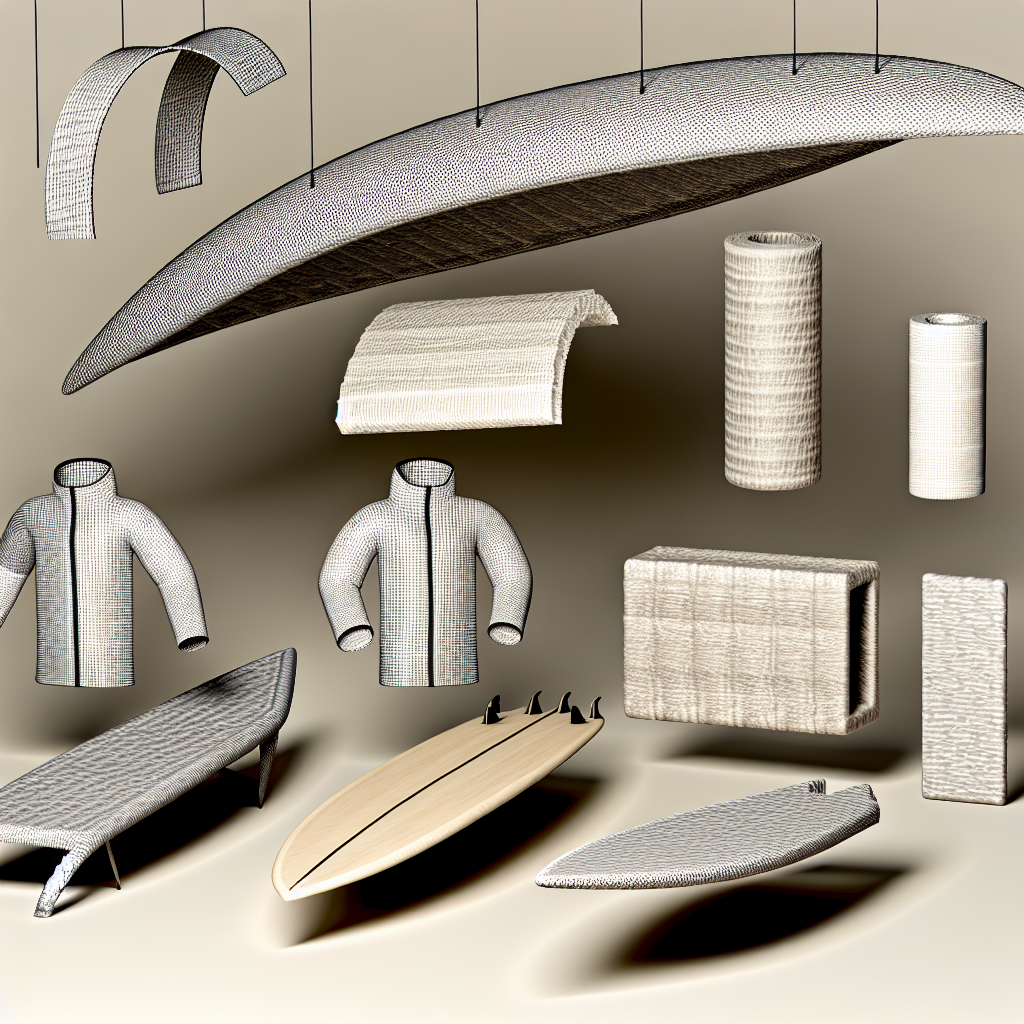
Versatile woven fiberglass has emerged as a significant material in the automotive industry, offering a multitude of benefits that enhance vehicle performance, safety, and aesthetics. One of the primary advantages of woven fiberglass is its exceptional strength-to-weight ratio. This characteristic is particularly crucial in automotive applications, where reducing weight can lead to improved fuel efficiency and enhanced handling. By incorporating woven fiberglass into various components, manufacturers can achieve a lightweight structure without compromising durability, thereby contributing to overall vehicle performance.
Moreover, woven fiberglass exhibits remarkable resistance to environmental factors, including moisture, chemicals, and temperature fluctuations. This resilience makes it an ideal choice for automotive parts that are exposed to harsh conditions, such as undercarriages and engine compartments. The ability of woven fiberglass to withstand corrosion and degradation ensures that vehicles maintain their integrity over time, reducing the need for frequent repairs and replacements. Consequently, this durability translates into lower maintenance costs for consumers, making woven fiberglass an economically advantageous option for both manufacturers and vehicle owners.
In addition to its physical properties, woven fiberglass also offers significant design flexibility. The material can be easily molded into complex shapes, allowing for innovative designs that enhance the aesthetic appeal of vehicles. This versatility enables automotive designers to create unique body panels, interior components, and other features that not only improve the visual aspects of a vehicle but also contribute to its aerodynamic efficiency. As a result, manufacturers can differentiate their products in a competitive market while simultaneously adhering to performance standards.
Furthermore, woven fiberglass is compatible with various manufacturing processes, including resin infusion and compression molding. This compatibility facilitates efficient production methods that can reduce lead times and lower production costs. As automotive manufacturers strive to meet increasing consumer demand for high-quality vehicles at competitive prices, the ability to streamline production processes becomes increasingly valuable. By integrating woven fiberglass into their manufacturing strategies, companies can enhance their operational efficiency while maintaining high standards of quality.
Another noteworthy benefit of woven fiberglass in the automotive industry is its contribution to safety. The material’s inherent strength provides additional protection in the event of a collision, helping to absorb impact energy and minimize damage to the vehicle’s occupants. This safety feature is particularly important as consumer awareness of vehicle safety continues to grow. By utilizing woven fiberglass in critical areas such as bumpers and side panels, manufacturers can enhance the overall safety profile of their vehicles, thereby increasing consumer confidence and satisfaction.
Additionally, woven fiberglass is an environmentally friendly option, as it can be produced using sustainable practices and is often recyclable. As the automotive industry increasingly focuses on sustainability and reducing its carbon footprint, the use of eco-friendly materials like woven fiberglass aligns with these goals. This commitment to sustainability not only appeals to environmentally conscious consumers but also positions manufacturers as responsible players in the industry.
In conclusion, the benefits of using versatile woven fiberglass in the automotive industry are manifold. From its impressive strength-to-weight ratio and resistance to environmental factors to its design flexibility and safety enhancements, woven fiberglass proves to be an invaluable material. As manufacturers continue to innovate and seek ways to improve vehicle performance and sustainability, the role of woven fiberglass is likely to expand, solidifying its place as a cornerstone in modern automotive design and production.
Innovative Uses of Versatile Woven Fiber Glass in Home Decor
Woven fiber glass has emerged as a remarkable material in the realm of home decor, showcasing its versatility and innovative applications. Traditionally associated with industrial uses, this lightweight yet durable material has found its way into residential settings, transforming the aesthetic and functional aspects of interior design. One of the most compelling features of woven fiber glass is its ability to mimic the appearance of natural textiles while offering superior strength and resilience. This characteristic makes it an ideal choice for various decorative elements, from upholstery to wall coverings.
In recent years, designers have increasingly turned to woven fiber glass for upholstery projects. Its inherent durability allows it to withstand the rigors of daily use, making it suitable for high-traffic areas such as living rooms and dining spaces. Moreover, the material is available in a wide array of colors and patterns, enabling homeowners to select options that align with their personal style and existing decor. This adaptability not only enhances the visual appeal of furniture but also ensures longevity, as woven fiber glass is resistant to fading and wear.
Transitioning from upholstery, woven fiber glass has also made significant inroads into wall coverings. The material can be applied as a decorative layer over drywall, providing a unique texture that adds depth to any room. Unlike traditional wallpaper, woven fiber glass is moisture-resistant, making it an excellent choice for areas prone to humidity, such as kitchens and bathrooms. Additionally, its easy maintenance and cleanability further enhance its appeal, as homeowners can simply wipe down surfaces to keep them looking fresh and new.
Furthermore, woven fiber glass is increasingly being utilized in the creation of decorative accessories. From light fixtures to wall art, the material’s versatility allows for innovative designs that can complement a wide range of interior styles. For instance, woven fiber glass can be shaped into intricate patterns for pendant lights, casting beautiful shadows and creating a warm ambiance in any space. Similarly, artists and designers are experimenting with the material to produce unique wall hangings that serve as focal points in living areas or bedrooms.
In addition to its aesthetic benefits, woven fiber glass is also an environmentally friendly option. As sustainability becomes a priority in home decor, many manufacturers are producing woven fiber glass from recycled materials, thereby reducing waste and promoting eco-conscious living. This aspect not only appeals to environmentally aware consumers but also aligns with the growing trend of incorporating sustainable practices into home design.
Moreover, the lightweight nature of woven fiber glass facilitates easy installation and rearrangement, allowing homeowners to experiment with their decor without the burden of heavy materials. This flexibility encourages creativity, enabling individuals to refresh their living spaces with minimal effort. As a result, woven fiber glass is not just a practical choice; it also empowers homeowners to express their personal style in dynamic and innovative ways.
In conclusion, the innovative uses of versatile woven fiber glass in home decor are vast and varied. From its application in upholstery and wall coverings to its role in decorative accessories, this material offers a unique blend of durability, aesthetic appeal, and sustainability. As designers continue to explore its potential, woven fiber glass is poised to become a staple in modern home decor, providing homeowners with endless possibilities for creating beautiful and functional living spaces.
Q&A
1. **What is Versatile Woven Fiber Glass?**
Versatile Woven Fiber Glass is a composite material made from woven glass fibers, known for its strength, durability, and resistance to heat and chemicals, making it suitable for various applications.
2. **What are the common uses of Versatile Woven Fiber Glass?**
It is commonly used in construction, automotive, aerospace, and marine industries for applications such as insulation, reinforcement, and as a lightweight alternative to metals.
3. **What are the advantages of using Versatile Woven Fiber Glass?**
Advantages include high tensile strength, low weight, resistance to corrosion and UV radiation, and the ability to be molded into complex shapes, enhancing design flexibility.