


-
Table of Contents
“Woven Fiber Glass: The Versatile Solution for Every Project.”
Introduction
Woven fiberglass is a versatile and durable material that has become a preferred choice for a wide range of projects across various industries. Known for its exceptional strength-to-weight ratio, woven fiberglass combines the lightweight properties of fiberglass with the added benefits of a woven structure, enhancing its flexibility and resilience. This material is commonly used in applications such as automotive components, marine construction, aerospace, and sporting goods, where both performance and reliability are crucial. Its resistance to corrosion, heat, and chemicals further solidifies its status as a go-to material for engineers and designers seeking innovative solutions. Whether for structural reinforcement or aesthetic finishes, woven fiberglass continues to be a key player in modern manufacturing and design.
Applications of Woven Fiber Glass in Construction
Woven fiber glass has emerged as a pivotal material in the construction industry, owing to its unique properties that combine strength, durability, and versatility. This composite material, made from fine strands of glass woven together, offers a lightweight yet robust solution for various applications, making it an ideal choice for modern construction projects. As the demand for sustainable and efficient building materials continues to rise, woven fiber glass stands out for its ability to meet these needs while providing exceptional performance.
One of the primary applications of woven fiber glass in construction is in the reinforcement of concrete structures. When integrated into concrete, woven fiber glass enhances the tensile strength of the material, allowing for thinner slabs and reduced weight without compromising structural integrity. This is particularly beneficial in high-rise buildings and bridges, where weight reduction can lead to significant savings in both materials and labor. Furthermore, the incorporation of woven fiber glass helps to mitigate cracking and improve the overall durability of concrete, extending the lifespan of structures and reducing maintenance costs over time.
In addition to its role in concrete reinforcement, woven fiber glass is also widely used in the production of composite panels. These panels, which are often employed in wall systems, roofing, and flooring, benefit from the lightweight nature of woven fiber glass while maintaining high levels of insulation and fire resistance. The versatility of these panels allows architects and builders to create aesthetically pleasing designs without sacrificing functionality. Moreover, the ease of installation associated with woven fiber glass panels can lead to reduced construction timelines, making them an attractive option for both residential and commercial projects.
Another significant application of woven fiber glass is in the manufacturing of insulation materials. The inherent properties of glass fibers provide excellent thermal and acoustic insulation, making them suitable for a variety of building environments. As energy efficiency becomes increasingly important in construction, woven fiber glass insulation helps to reduce energy consumption by maintaining stable indoor temperatures. This not only contributes to lower utility bills for occupants but also aligns with global sustainability goals by minimizing the carbon footprint of buildings.
Furthermore, woven fiber glass is utilized in the production of protective coatings and finishes. These coatings are often applied to surfaces that require enhanced durability and resistance to environmental factors such as moisture, chemicals, and UV radiation. By incorporating woven fiber glass into these coatings, builders can ensure that surfaces remain intact and visually appealing over time, thereby reducing the need for frequent repairs or replacements. This application is particularly relevant in industrial settings, where equipment and structures are subjected to harsh conditions.
As the construction industry continues to evolve, the applications of woven fiber glass are expanding. Innovations in manufacturing techniques and material science are leading to the development of new products that leverage the benefits of woven fiber glass. For instance, advancements in resin technology have resulted in composite materials that are even more resilient and adaptable to various construction needs. This ongoing evolution not only enhances the performance of woven fiber glass but also opens up new possibilities for its use in innovative architectural designs.
In conclusion, woven fiber glass has established itself as a go-to material in the construction sector, thanks to its remarkable properties and diverse applications. From reinforcing concrete to providing insulation and protective coatings, its versatility makes it an invaluable asset in modern building practices. As the industry continues to prioritize sustainability and efficiency, woven fiber glass is poised to play an even more significant role in shaping the future of construction.
Benefits of Using Woven Fiber Glass in Automotive Manufacturing
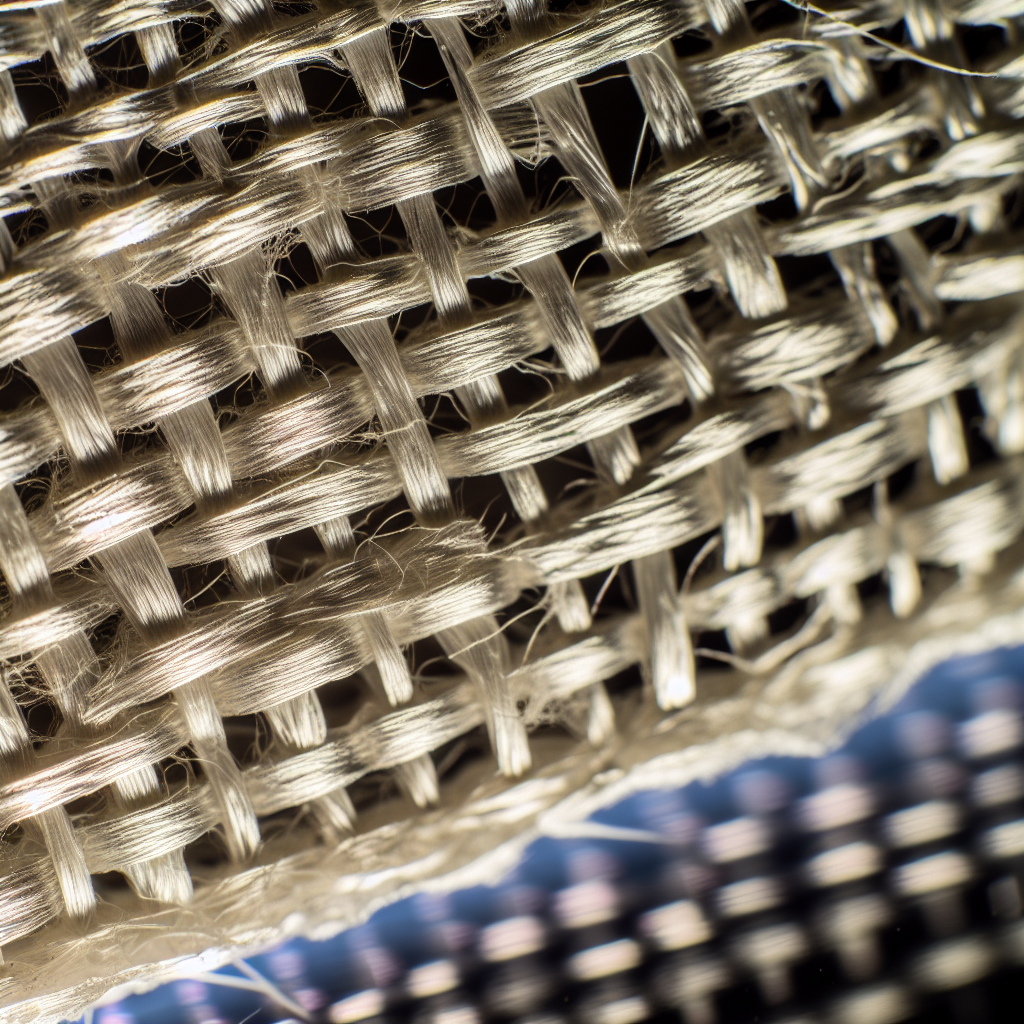
Woven fiber glass has emerged as a pivotal material in the automotive manufacturing industry, offering a multitude of benefits that enhance both the performance and durability of vehicles. One of the primary advantages of woven fiber glass is its exceptional strength-to-weight ratio. This characteristic is particularly crucial in automotive applications, where reducing weight can lead to improved fuel efficiency and enhanced handling. By incorporating woven fiber glass into vehicle components, manufacturers can achieve a significant reduction in weight without compromising structural integrity, thereby contributing to overall vehicle performance.
Moreover, woven fiber glass exhibits remarkable resistance to corrosion and environmental degradation. Unlike traditional metals, which can succumb to rust and other forms of deterioration over time, woven fiber glass maintains its structural properties even when exposed to harsh conditions. This durability is especially beneficial in automotive applications, where components are often subjected to moisture, chemicals, and varying temperatures. As a result, vehicles that utilize woven fiber glass can enjoy a longer lifespan and reduced maintenance costs, making it an economically viable choice for manufacturers and consumers alike.
In addition to its strength and durability, woven fiber glass also offers excellent thermal insulation properties. This feature is particularly advantageous in automotive manufacturing, where managing heat is essential for both performance and safety. By incorporating woven fiber glass into components such as engine covers and heat shields, manufacturers can effectively reduce heat transfer, thereby protecting sensitive parts and enhancing overall vehicle efficiency. Furthermore, the material’s ability to withstand high temperatures without losing its structural integrity ensures that it remains reliable under demanding conditions.
Another significant benefit of woven fiber glass is its versatility in design and application. The material can be easily molded into various shapes and sizes, allowing manufacturers to create complex components that meet specific performance requirements. This adaptability is particularly valuable in the automotive industry, where innovation and customization are key to staying competitive. By utilizing woven fiber glass, manufacturers can develop lightweight, aerodynamic designs that not only improve aesthetics but also enhance functionality.
Additionally, woven fiber glass is compatible with a range of resins, which further expands its applicability in automotive manufacturing. This compatibility allows for the creation of composite materials that combine the strengths of both woven fiber glass and resin, resulting in components that are not only lightweight and strong but also resistant to impact and fatigue. Such composites are increasingly being used in various automotive parts, including body panels, interior components, and structural elements, thereby revolutionizing the way vehicles are designed and built.
Furthermore, the use of woven fiber glass in automotive manufacturing aligns with the industry’s growing emphasis on sustainability. As manufacturers seek to reduce their environmental footprint, woven fiber glass presents an eco-friendly alternative to traditional materials. Its longevity and recyclability contribute to a more sustainable production process, allowing manufacturers to meet regulatory requirements while appealing to environmentally conscious consumers.
In conclusion, the benefits of using woven fiber glass in automotive manufacturing are manifold, encompassing strength, durability, thermal insulation, versatility, and sustainability. As the automotive industry continues to evolve, the integration of woven fiber glass into vehicle design and production processes will likely play a crucial role in shaping the future of transportation. By leveraging the unique properties of this material, manufacturers can create vehicles that are not only high-performing and reliable but also environmentally responsible, ultimately leading to a more sustainable automotive landscape.
Comparing Woven Fiber Glass to Other Composite Materials
Woven fiber glass has emerged as a preferred material in various industries, thanks to its unique properties and versatility. When comparing woven fiber glass to other composite materials, it is essential to consider several factors, including strength, weight, cost, and application suitability. These comparisons reveal why woven fiber glass stands out in many projects.
To begin with, the strength-to-weight ratio of woven fiber glass is one of its most significant advantages. This composite material is known for its remarkable tensile strength, which allows it to withstand considerable stress while remaining lightweight. In contrast, materials such as carbon fiber, while also strong, tend to be more expensive and may not be as readily available for all applications. Additionally, traditional materials like steel and aluminum, although strong, are considerably heavier, which can be a disadvantage in applications where weight reduction is critical, such as in aerospace and automotive industries. Thus, woven fiber glass provides an optimal balance of strength and weight, making it an attractive choice for engineers and designers.
Moreover, woven fiber glass exhibits excellent resistance to environmental factors, including moisture, chemicals, and UV radiation. This durability is particularly advantageous in applications where exposure to harsh conditions is inevitable. For instance, in marine environments, woven fiber glass is often preferred over other materials like wood or metal, which can deteriorate over time due to corrosion or rot. While some synthetic composites may offer similar resistance, they often lack the same level of structural integrity that woven fiber glass provides. Consequently, the longevity and reliability of woven fiber glass make it a go-to material for projects requiring durability and resilience.
In terms of cost, woven fiber glass is generally more affordable than alternatives such as carbon fiber or aramid fiber composites. This cost-effectiveness does not come at the expense of quality; rather, it allows for broader accessibility in various industries, from construction to consumer goods. For example, in the automotive sector, manufacturers often choose woven fiber glass for components like body panels and structural reinforcements, as it offers a good balance between performance and price. In contrast, while other composite materials may offer superior performance in specific applications, their higher costs can limit their use to niche markets or high-end products.
Furthermore, the versatility of woven fiber glass cannot be overstated. It can be easily molded into complex shapes and combined with various resins to enhance its properties, making it suitable for a wide range of applications. This adaptability is a significant advantage over other materials, such as metals, which may require extensive machining and fabrication processes. As a result, woven fiber glass can be utilized in everything from sporting goods to industrial components, demonstrating its broad applicability across different sectors.
In conclusion, when comparing woven fiber glass to other composite materials, it becomes evident that its unique combination of strength, lightweight characteristics, environmental resistance, cost-effectiveness, and versatility positions it as a leading choice for many projects. While alternatives may excel in specific areas, woven fiber glass consistently offers a well-rounded solution that meets the demands of various industries. As technology continues to advance, the role of woven fiber glass is likely to expand further, solidifying its status as a go-to material for innovative applications.
Q&A
1. **What is woven fiberglass?**
Woven fiberglass is a composite material made from glass fibers that are woven together to form a fabric, which is then often used in various applications due to its strength, durability, and lightweight properties.
2. **What are the common uses of woven fiberglass?**
Woven fiberglass is commonly used in the construction of boats, automotive parts, aerospace components, and in the manufacturing of various industrial products due to its resistance to corrosion and high tensile strength.
3. **What are the advantages of using woven fiberglass over other materials?**
The advantages of woven fiberglass include its high strength-to-weight ratio, resistance to environmental factors (like moisture and chemicals), flexibility in design, and the ability to be molded into complex shapes, making it ideal for a wide range of applications.