


-
Table of Contents
“Woven Carbon Fiber: Weaving Strength and Innovation into Every Fiber.”
Introduction
Woven carbon fiber is emerging as a transformative force in the material world, combining exceptional strength, lightweight properties, and versatility. This advanced composite material, crafted from interlaced strands of carbon fiber, offers enhanced structural integrity and flexibility, making it ideal for a wide range of applications, from aerospace and automotive industries to sports equipment and consumer goods. Its unique properties not only improve performance and durability but also contribute to energy efficiency and sustainability. As industries increasingly seek innovative solutions to meet modern demands, woven carbon fiber stands at the forefront, revolutionizing the way we design and manufacture products.
Woven Carbon Fiber: The Future of Lightweight Materials in Aerospace
Woven carbon fiber is emerging as a transformative force in the aerospace industry, offering a combination of lightweight properties, exceptional strength, and versatility that traditional materials cannot match. As the demand for more efficient and sustainable aircraft continues to rise, the aerospace sector is increasingly turning to advanced materials to enhance performance and reduce fuel consumption. Woven carbon fiber, with its unique structural characteristics, is at the forefront of this evolution, promising to redefine the standards of material engineering in aviation.
One of the most significant advantages of woven carbon fiber is its remarkable strength-to-weight ratio. This property is crucial in aerospace applications, where every ounce counts. By replacing heavier metals and alloys with woven carbon fiber composites, manufacturers can significantly reduce the overall weight of aircraft. This reduction not only leads to lower fuel consumption but also enhances the aircraft’s payload capacity, allowing for greater efficiency in both commercial and military aviation. As a result, airlines can operate more economically, while military applications benefit from improved maneuverability and range.
Moreover, the inherent flexibility of woven carbon fiber allows for innovative design possibilities that were previously unattainable with traditional materials. The weaving process creates a fabric-like structure that can be molded into complex shapes, enabling engineers to design components that optimize aerodynamics and structural integrity. This adaptability is particularly beneficial in the aerospace sector, where components must withstand extreme conditions, including high temperatures and significant stress during flight. By utilizing woven carbon fiber, engineers can create lighter, more efficient designs that enhance overall aircraft performance.
In addition to its mechanical properties, woven carbon fiber also offers superior resistance to environmental factors. Unlike metals, which can corrode over time, woven carbon fiber is resistant to moisture, chemicals, and UV radiation. This durability translates into lower maintenance costs and longer service life for aircraft components, further contributing to the economic advantages of using this advanced material. As the aerospace industry increasingly prioritizes sustainability, the longevity and resilience of woven carbon fiber make it an attractive option for manufacturers seeking to reduce their environmental footprint.
Furthermore, the integration of woven carbon fiber into aerospace applications aligns with the industry’s ongoing efforts to innovate and improve safety standards. The material’s ability to absorb impact energy and distribute stress effectively enhances the overall safety of aircraft structures. In the event of an accident, woven carbon fiber components can help mitigate damage, protecting both passengers and crew. This focus on safety, combined with the material’s lightweight and durable characteristics, positions woven carbon fiber as a key player in the future of aerospace engineering.
As research and development in woven carbon fiber technology continue to advance, the potential applications within the aerospace sector are expanding. From airframes to interior components, the versatility of this material is paving the way for next-generation aircraft that are not only lighter and more efficient but also safer and more environmentally friendly. The ongoing collaboration between material scientists, engineers, and aerospace manufacturers is crucial in unlocking the full potential of woven carbon fiber, ensuring that it becomes a staple in the industry.
In conclusion, woven carbon fiber is revolutionizing the material landscape in aerospace, offering a compelling solution to the challenges of weight, strength, and sustainability. As the industry embraces this innovative material, the future of aviation looks promising, with the potential for enhanced performance, reduced environmental impact, and improved safety. The journey toward a new era of aerospace engineering is well underway, and woven carbon fiber is leading the charge.
Woven Carbon Fiber in Automotive Design: Enhancing Performance and Safety
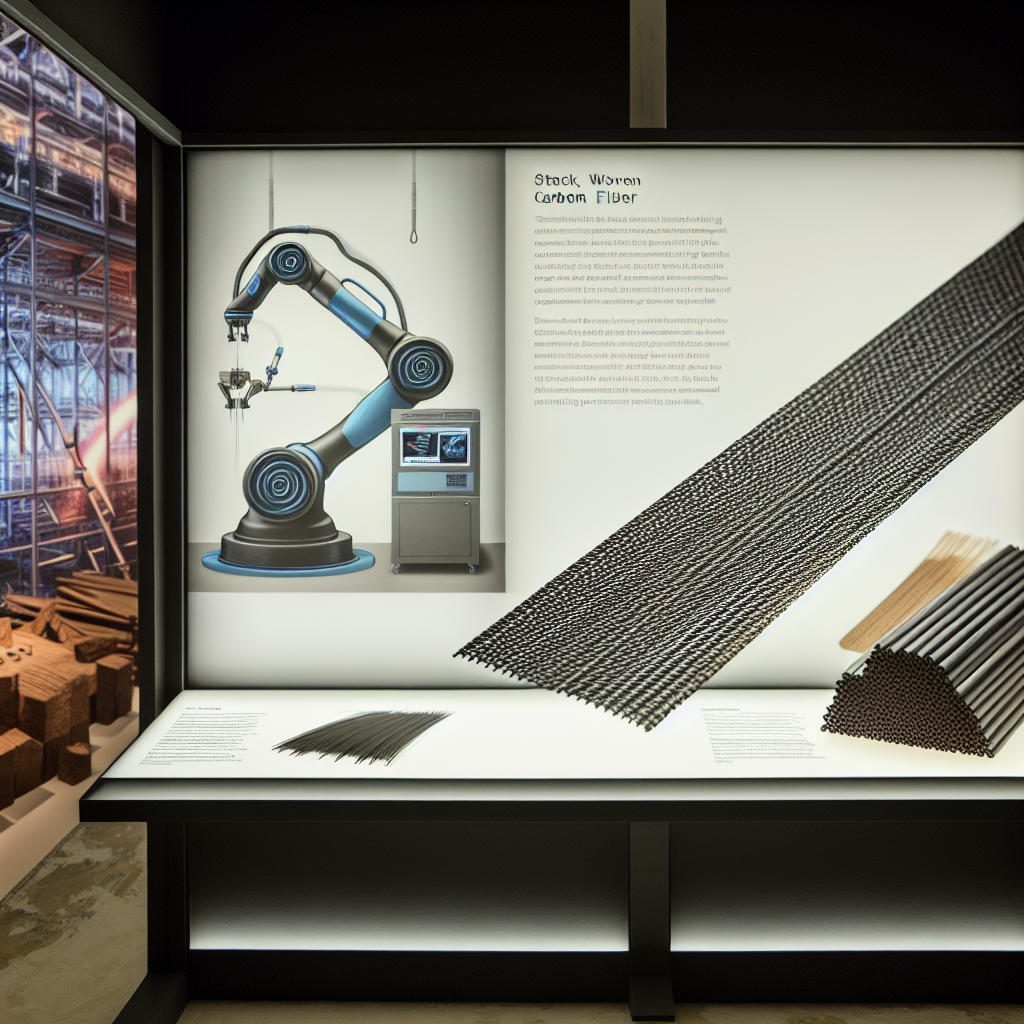
Woven carbon fiber has emerged as a transformative material in the automotive industry, significantly enhancing both performance and safety. This innovative composite material, characterized by its lightweight yet robust properties, is increasingly being integrated into vehicle design, leading to a paradigm shift in how automobiles are constructed and perceived. As manufacturers strive to meet stringent regulations regarding fuel efficiency and emissions, the adoption of woven carbon fiber offers a compelling solution that aligns with these goals while simultaneously improving vehicle dynamics.
One of the most notable advantages of woven carbon fiber is its exceptional strength-to-weight ratio. This property allows automotive engineers to reduce the overall weight of vehicles without compromising structural integrity. By replacing traditional materials such as steel and aluminum with woven carbon fiber, manufacturers can create lighter vehicles that require less energy to operate. Consequently, this reduction in weight translates to improved fuel efficiency, which is a critical factor in today’s environmentally conscious market. Moreover, lighter vehicles tend to exhibit enhanced acceleration and handling characteristics, providing drivers with a more responsive and enjoyable driving experience.
In addition to performance benefits, woven carbon fiber also plays a crucial role in enhancing safety features within vehicles. The material’s inherent strength allows for the design of crumple zones that effectively absorb and dissipate energy during collisions. This capability is vital in protecting occupants and minimizing injury during accidents. Furthermore, woven carbon fiber can be engineered to provide specific properties, such as increased rigidity in certain areas of the vehicle, which contributes to overall stability and control. As a result, vehicles constructed with woven carbon fiber not only perform better but also offer a higher level of safety for drivers and passengers alike.
Transitioning from traditional materials to woven carbon fiber also presents opportunities for innovative design. The versatility of this composite allows for intricate shapes and forms that were previously challenging to achieve with conventional materials. Automotive designers can explore new aesthetics and functional elements, leading to more aerodynamic profiles that further enhance performance. This creative freedom is particularly evident in high-performance vehicles, where every detail contributes to the overall efficiency and effectiveness of the design. As a result, woven carbon fiber is not merely a functional material; it is also a catalyst for artistic expression in automotive design.
Moreover, the integration of woven carbon fiber into automotive manufacturing processes is becoming increasingly feasible due to advancements in technology. Automated production techniques, such as automated fiber placement and resin transfer molding, have streamlined the fabrication of woven carbon fiber components. These innovations not only reduce production costs but also ensure consistent quality and precision in the final product. As manufacturers continue to refine these processes, the scalability of woven carbon fiber applications will likely expand, making it accessible for a broader range of vehicles, from luxury sports cars to everyday sedans.
In conclusion, woven carbon fiber is revolutionizing automotive design by enhancing performance and safety while allowing for innovative aesthetics. Its lightweight yet strong characteristics contribute to improved fuel efficiency and vehicle dynamics, while its ability to absorb impact energy enhances occupant protection. As technology continues to advance, the potential for woven carbon fiber in the automotive industry will only grow, paving the way for a new era of vehicle design that prioritizes both performance and safety. The future of automotive engineering is undoubtedly intertwined with the capabilities of woven carbon fiber, marking a significant step forward in the quest for more efficient and safer vehicles.
Sustainable Manufacturing Practices for Woven Carbon Fiber Products
Woven carbon fiber has emerged as a transformative material in various industries, from aerospace to automotive, due to its exceptional strength-to-weight ratio and versatility. However, as the demand for these advanced materials grows, so does the need for sustainable manufacturing practices that minimize environmental impact. The production of woven carbon fiber products traditionally involves energy-intensive processes and the use of non-renewable resources, raising concerns about sustainability. Consequently, manufacturers are increasingly adopting innovative approaches to reduce their ecological footprint while maintaining the high performance that woven carbon fiber is known for.
One of the primary strategies for enhancing sustainability in woven carbon fiber manufacturing is the development of eco-friendly raw materials. Traditionally, carbon fibers are derived from polyacrylonitrile (PAN), a petroleum-based precursor. In response to environmental concerns, researchers are exploring alternative sources, such as bio-based precursors derived from renewable resources. These bio-based materials not only reduce reliance on fossil fuels but also contribute to a lower carbon footprint throughout the production process. By integrating these sustainable raw materials, manufacturers can produce woven carbon fiber that aligns with the growing demand for environmentally responsible products.
In addition to sourcing sustainable materials, manufacturers are also focusing on optimizing production processes to minimize waste and energy consumption. Advanced manufacturing techniques, such as automated fiber placement and 3D weaving, allow for greater precision and efficiency in the production of woven carbon fiber components. These methods not only reduce material waste but also enhance the overall quality of the final product. Furthermore, the implementation of closed-loop systems in manufacturing can significantly decrease water and energy usage, as well as facilitate the recycling of by-products. By adopting these innovative techniques, manufacturers can create woven carbon fiber products that are not only high-performing but also produced with a reduced environmental impact.
Another critical aspect of sustainable manufacturing practices is the end-of-life management of woven carbon fiber products. Traditionally, carbon fiber composites have posed challenges in recycling due to their complex structure. However, advancements in recycling technologies are paving the way for more sustainable solutions. Mechanical recycling methods, which involve grinding the composite materials into smaller pieces, and chemical recycling processes, which break down the fibers into their original precursors, are gaining traction. These methods enable the recovery of valuable materials, thereby reducing the need for virgin resources and minimizing waste. By investing in recycling technologies, manufacturers can contribute to a circular economy, where woven carbon fiber products are reused and repurposed rather than discarded.
Moreover, collaboration among stakeholders in the supply chain is essential for promoting sustainable practices in the woven carbon fiber industry. Manufacturers, suppliers, and researchers must work together to share knowledge, resources, and best practices. This collaborative approach can lead to the development of industry standards that prioritize sustainability and encourage innovation. By fostering a culture of sustainability, the woven carbon fiber sector can not only meet the demands of environmentally conscious consumers but also position itself as a leader in responsible manufacturing.
In conclusion, the future of woven carbon fiber manufacturing lies in the adoption of sustainable practices that address environmental concerns while maintaining the material’s exceptional performance characteristics. By focusing on eco-friendly raw materials, optimizing production processes, enhancing end-of-life management, and fostering collaboration, the industry can revolutionize its approach to manufacturing. As these practices become more widespread, woven carbon fiber will not only continue to be a material of choice across various applications but will also contribute to a more sustainable future.
Q&A
1. **What is woven carbon fiber?**
Woven carbon fiber is a composite material made from interlacing carbon fiber strands, which enhances its strength, flexibility, and durability compared to traditional carbon fiber sheets.
2. **What are the primary applications of woven carbon fiber?**
Woven carbon fiber is widely used in aerospace, automotive, sports equipment, and medical devices due to its lightweight properties and high tensile strength.
3. **How does woven carbon fiber compare to other materials?**
Woven carbon fiber offers superior strength-to-weight ratios and resistance to fatigue compared to metals and plastics, making it an ideal choice for high-performance applications.