


-
Table of Contents
“Unleash Strength and Versatility with Woven Aramid Yarn Fabric.”
Introduction
Woven aramid yarn fabric is a revolutionary material known for its exceptional strength, durability, and heat resistance. Engineered from synthetic fibers, aramid yarns are designed to withstand extreme conditions, making them ideal for a variety of applications, including aerospace, automotive, and protective clothing. This fabric not only offers superior tensile strength but also provides lightweight solutions that enhance performance without compromising safety. Discover the power of woven aramid yarn fabric and explore its transformative potential in industries where reliability and resilience are paramount.
Applications of Woven Aramid Yarn Fabric in Aerospace Industry
Woven aramid yarn fabric has emerged as a pivotal material in the aerospace industry, owing to its exceptional properties that cater to the demanding requirements of this sector. The unique characteristics of aramid fibers, such as high tensile strength, lightweight nature, and excellent thermal stability, make them particularly suitable for various applications in aerospace engineering. As the industry continues to evolve, the integration of woven aramid yarn fabric into aircraft design and manufacturing processes has become increasingly prevalent.
One of the primary applications of woven aramid yarn fabric in the aerospace sector is in the production of composite materials. These composites are often utilized in the construction of aircraft components, where weight reduction is crucial for enhancing fuel efficiency and overall performance. By incorporating woven aramid fabrics into composite structures, manufacturers can achieve a significant reduction in weight without compromising structural integrity. This is particularly important in the aerospace industry, where every ounce counts, and optimizing weight can lead to substantial cost savings in fuel consumption over the lifespan of an aircraft.
Furthermore, woven aramid yarn fabric is renowned for its excellent resistance to heat and flame, making it an ideal choice for applications that require thermal protection. In aerospace, components such as engine covers, heat shields, and fire-resistant barriers benefit from the thermal stability of aramid fabrics. These materials can withstand extreme temperatures, thereby ensuring the safety and reliability of critical aircraft systems. As a result, the use of woven aramid yarn fabric contributes to the overall safety standards of modern aircraft, providing peace of mind to both manufacturers and passengers alike.
In addition to thermal protection, woven aramid yarn fabric also plays a significant role in enhancing the durability and longevity of aerospace components. The inherent resistance of aramid fibers to abrasion and impact makes them suitable for use in areas subject to wear and tear, such as landing gear and fuselage components. By utilizing woven aramid fabrics in these applications, manufacturers can extend the lifespan of critical parts, reducing maintenance costs and improving the overall reliability of the aircraft. This durability is particularly advantageous in the aerospace industry, where operational efficiency and safety are paramount.
Moreover, the versatility of woven aramid yarn fabric allows for its application in various aerospace systems beyond structural components. For instance, it is increasingly being used in the production of advanced insulation materials, which are essential for maintaining optimal operating temperatures in various aircraft systems. These insulation materials not only enhance energy efficiency but also contribute to the overall comfort of passengers and crew by minimizing noise and vibration.
As the aerospace industry continues to embrace innovation, the demand for advanced materials like woven aramid yarn fabric is expected to grow. The ongoing research and development efforts aimed at improving the performance characteristics of aramid fibers will likely lead to even more applications in the future. This evolution will not only enhance the capabilities of aircraft but also contribute to the industry’s commitment to sustainability by promoting the use of lightweight, durable materials that can reduce environmental impact.
In conclusion, woven aramid yarn fabric stands as a testament to the advancements in material science within the aerospace industry. Its unique properties enable a wide range of applications, from structural components to thermal protection and insulation. As the industry moves forward, the continued integration of this innovative material will undoubtedly play a crucial role in shaping the future of aerospace engineering, ensuring safer, more efficient, and environmentally friendly air travel.
Benefits of Using Woven Aramid Yarn Fabric in Protective Clothing
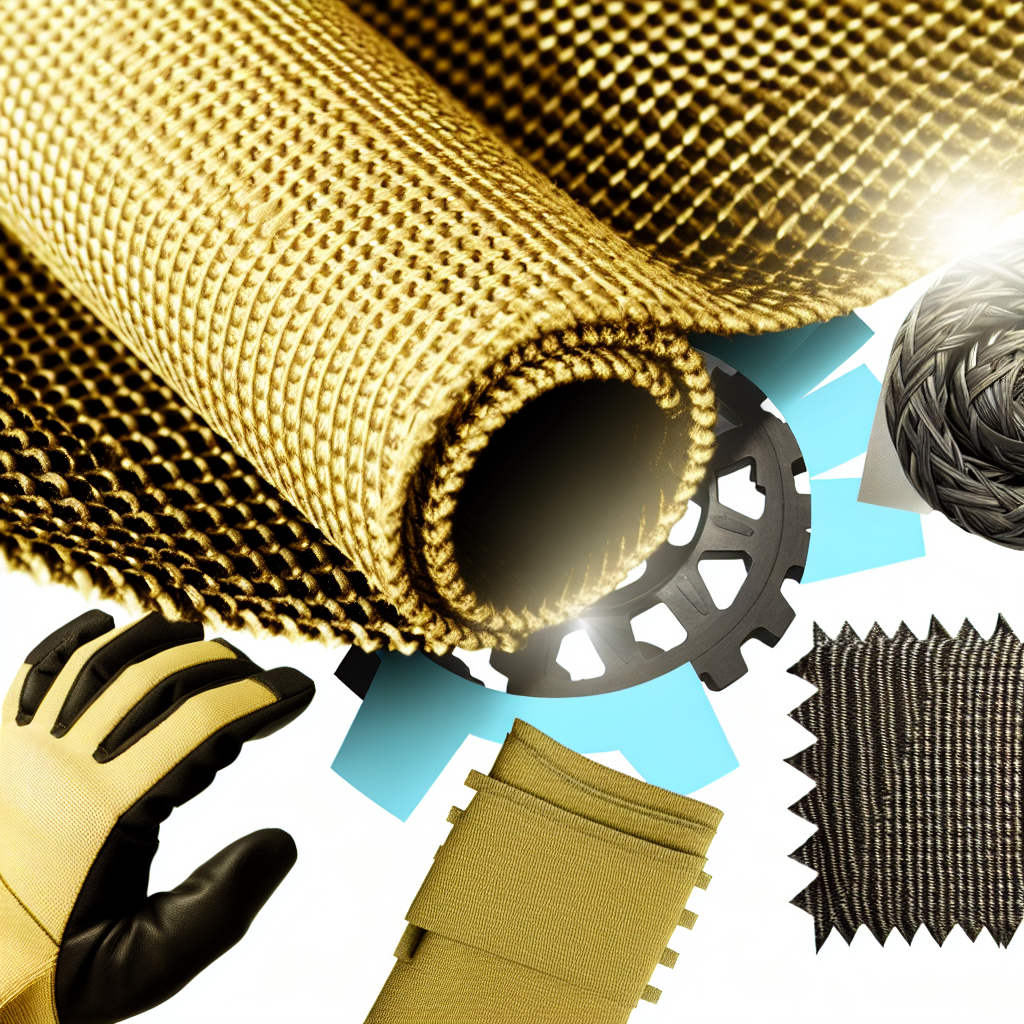
Woven aramid yarn fabric has emerged as a pivotal material in the realm of protective clothing, offering a multitude of benefits that enhance safety and performance across various industries. This unique fabric, known for its exceptional strength and durability, is derived from synthetic fibers that exhibit remarkable resistance to heat, flames, and abrasions. As a result, woven aramid yarn fabric is increasingly utilized in environments where workers are exposed to hazardous conditions, such as firefighting, military applications, and industrial settings.
One of the most significant advantages of woven aramid yarn fabric is its inherent flame resistance. Unlike conventional fabrics, which may ignite and burn, aramid fibers are designed to withstand high temperatures without melting or dripping. This characteristic is particularly crucial for professionals who operate in high-risk environments, as it provides an essential layer of protection against thermal hazards. Furthermore, the fabric’s ability to self-extinguish minimizes the risk of severe burns, thereby enhancing the overall safety of the wearer.
In addition to its flame-resistant properties, woven aramid yarn fabric is also highly resistant to chemical exposure. This feature is vital for workers in industries such as chemical manufacturing and oil refining, where contact with hazardous substances is a daily reality. The fabric’s ability to repel chemicals ensures that it maintains its integrity and protective qualities, thereby safeguarding the wearer from potential harm. Consequently, the use of woven aramid yarn fabric in protective clothing not only enhances safety but also contributes to the longevity of the garments, reducing the need for frequent replacements.
Moreover, woven aramid yarn fabric is lightweight and breathable, which significantly enhances comfort for the wearer. Traditional protective clothing often sacrifices comfort for safety, leading to fatigue and decreased productivity. However, the innovative design of woven aramid yarn fabric allows for improved airflow, ensuring that individuals remain cool and comfortable even in demanding conditions. This balance between protection and comfort is essential, as it enables workers to perform their tasks effectively without being hindered by cumbersome clothing.
Another noteworthy benefit of woven aramid yarn fabric is its exceptional tensile strength. The fabric’s ability to withstand significant stress and strain makes it ideal for protective clothing that must endure rigorous use. Whether in the form of gloves, suits, or other protective gear, woven aramid yarn fabric provides a reliable barrier against physical hazards, such as cuts and abrasions. This durability not only enhances the safety of the wearer but also reduces the overall cost of protective clothing, as garments made from this fabric tend to have a longer lifespan.
Furthermore, the versatility of woven aramid yarn fabric allows for its application in a wide range of protective clothing designs. Manufacturers can easily incorporate this material into various garments, ensuring that specific needs and requirements are met across different industries. This adaptability is particularly beneficial in sectors where specialized protective gear is necessary, as it allows for the creation of tailored solutions that prioritize both safety and functionality.
In conclusion, the benefits of using woven aramid yarn fabric in protective clothing are manifold. From its flame and chemical resistance to its lightweight and durable nature, this innovative material plays a crucial role in enhancing safety and comfort for workers in hazardous environments. As industries continue to prioritize worker protection, the adoption of woven aramid yarn fabric is likely to expand, solidifying its status as a cornerstone of modern protective clothing solutions.
Innovations in Woven Aramid Yarn Fabric for Automotive Safety
The automotive industry has long been at the forefront of innovation, continually seeking materials that enhance safety, performance, and durability. Among the most significant advancements in this realm is the development of woven aramid yarn fabric, a material that has garnered attention for its exceptional properties. This fabric, composed of synthetic fibers known for their strength and heat resistance, is increasingly being integrated into various automotive applications, particularly in safety features. As the demand for safer vehicles grows, the role of woven aramid yarn fabric becomes increasingly critical.
One of the primary advantages of woven aramid yarn fabric is its remarkable tensile strength. This characteristic allows it to withstand significant stress and strain, making it an ideal choice for components that require high durability. For instance, in the context of automotive safety, woven aramid fabric is often utilized in the production of airbags and seatbelts. These components are essential for protecting occupants during collisions, and the incorporation of aramid fibers enhances their ability to absorb impact forces. Consequently, the use of this innovative material can significantly reduce the risk of injury in the event of an accident.
Moreover, woven aramid yarn fabric exhibits excellent thermal stability, which is particularly beneficial in automotive applications where high temperatures are a concern. For example, under-hood components, such as heat shields and insulation materials, can greatly benefit from the heat-resistant properties of aramid fibers. By incorporating this fabric into these components, manufacturers can ensure that they maintain their integrity and performance even in extreme conditions. This not only enhances the overall safety of the vehicle but also contributes to its longevity, reducing the need for frequent repairs or replacements.
In addition to its mechanical and thermal properties, woven aramid yarn fabric is also lightweight, which is a crucial factor in modern automotive design. As manufacturers strive to improve fuel efficiency and reduce emissions, the importance of lightweight materials cannot be overstated. By utilizing woven aramid fabric, automotive engineers can create components that do not compromise on safety while simultaneously minimizing the overall weight of the vehicle. This dual benefit aligns with the industry’s ongoing efforts to develop more sustainable and efficient vehicles.
Furthermore, the versatility of woven aramid yarn fabric allows for its application in various automotive contexts beyond safety features. For instance, it can be used in the production of interior components, such as door panels and headliners, where its aesthetic appeal and durability can enhance the overall quality of the vehicle. The ability to combine functionality with design makes woven aramid fabric an attractive option for manufacturers looking to differentiate their products in a competitive market.
As the automotive industry continues to evolve, the innovations surrounding woven aramid yarn fabric are likely to expand further. Research and development efforts are ongoing, focusing on enhancing the properties of this material and exploring new applications. The potential for woven aramid yarn fabric to contribute to advancements in electric vehicles, autonomous driving technologies, and other emerging trends is significant. In conclusion, the integration of woven aramid yarn fabric into automotive safety features represents a pivotal step forward in enhancing vehicle safety and performance. As manufacturers increasingly recognize the benefits of this innovative material, it is poised to play a crucial role in shaping the future of automotive design and engineering.
Q&A
1. **What is woven aramid yarn fabric?**
Woven aramid yarn fabric is a high-performance textile made from aramid fibers, known for their exceptional strength, heat resistance, and durability, commonly used in protective clothing and industrial applications.
2. **What are the key benefits of using woven aramid yarn fabric?**
The key benefits include high tensile strength, resistance to abrasion and chemicals, flame resistance, and lightweight properties, making it ideal for applications in safety gear, aerospace, and automotive industries.
3. **In what applications is woven aramid yarn fabric commonly used?**
It is commonly used in manufacturing personal protective equipment (PPE), such as firefighter suits, cut-resistant gloves, and bulletproof vests, as well as in aerospace components and automotive parts.