


-
Table of Contents
“UHMWPE Fabric Anti Cut: Unyielding Protection, Unmatched Durability.”
Introduction
UHMWPE (Ultra-High Molecular Weight Polyethylene) fabric is a revolutionary material designed to provide exceptional cut resistance, making it an ideal choice for protective clothing and gear. Known for its high strength-to-weight ratio, UHMWPE fabric offers superior durability while remaining lightweight and flexible. This advanced material is engineered to withstand sharp objects and harsh environments, ensuring maximum safety for users in various industries, including construction, manufacturing, and outdoor activities. With its innovative properties, UHMWPE fabric serves as a reliable shield against cuts, providing peace of mind and enhanced protection for those who require it most.
Benefits of UHMWPE Fabric in Cut-Resistant Applications
UHMWPE fabric, or Ultra-High Molecular Weight Polyethylene, has emerged as a revolutionary material in the realm of cut-resistant applications, offering a multitude of benefits that enhance safety and performance across various industries. One of the most significant advantages of UHMWPE fabric is its exceptional strength-to-weight ratio. This material is not only incredibly strong but also lightweight, making it an ideal choice for protective gear without compromising comfort or mobility. As a result, workers in high-risk environments can perform their tasks with greater ease, knowing they are shielded from potential cuts and abrasions.
Moreover, the inherent properties of UHMWPE fabric contribute to its remarkable cut resistance. The molecular structure of UHMWPE allows it to absorb and dissipate energy effectively, which is crucial when it comes to preventing cuts from sharp objects. This characteristic makes it particularly valuable in industries such as construction, manufacturing, and food processing, where employees are frequently exposed to sharp tools and materials. By integrating UHMWPE fabric into protective clothing and gear, employers can significantly reduce the risk of injuries, thereby fostering a safer work environment.
In addition to its cut-resistant capabilities, UHMWPE fabric is also resistant to abrasion and wear. This durability ensures that protective gear made from this material can withstand the rigors of daily use without degrading quickly. Consequently, the longevity of such equipment translates into cost savings for businesses, as they will not need to replace gear as frequently. Furthermore, the fabric’s resistance to chemicals and moisture enhances its versatility, allowing it to be used in a variety of settings, including those where exposure to harsh substances is a concern.
Another noteworthy benefit of UHMWPE fabric is its ease of maintenance. Unlike some traditional materials that may require special cleaning methods or treatments, UHMWPE can often be cleaned with standard detergents and does not retain odors or stains. This feature is particularly advantageous in environments where hygiene is paramount, such as in the food industry or healthcare settings. By ensuring that protective gear remains clean and functional, UHMWPE fabric contributes to overall workplace safety and efficiency.
Additionally, the flexibility of UHMWPE fabric allows for innovative designs in cut-resistant clothing and gear. Manufacturers can create garments that not only provide protection but also offer a high degree of comfort and mobility. This adaptability is essential in industries where workers need to perform intricate tasks that require dexterity. As a result, the integration of UHMWPE fabric into protective apparel can lead to improved worker satisfaction and productivity, as employees are less hindered by their gear.
Furthermore, the growing awareness of sustainability in manufacturing processes has led to an increased interest in materials like UHMWPE. As a synthetic polymer, UHMWPE can be produced with a lower environmental impact compared to some traditional materials. This aspect aligns with the global push towards more sustainable practices, making UHMWPE fabric an appealing choice for companies looking to enhance their corporate responsibility.
In conclusion, the benefits of UHMWPE fabric in cut-resistant applications are manifold, encompassing strength, durability, ease of maintenance, and adaptability. As industries continue to prioritize safety and efficiency, the adoption of UHMWPE fabric in protective gear will likely expand, providing workers with the necessary shield against cuts and enhancing overall workplace safety.
Comparing UHMWPE Fabric to Traditional Cut-Resistant Materials
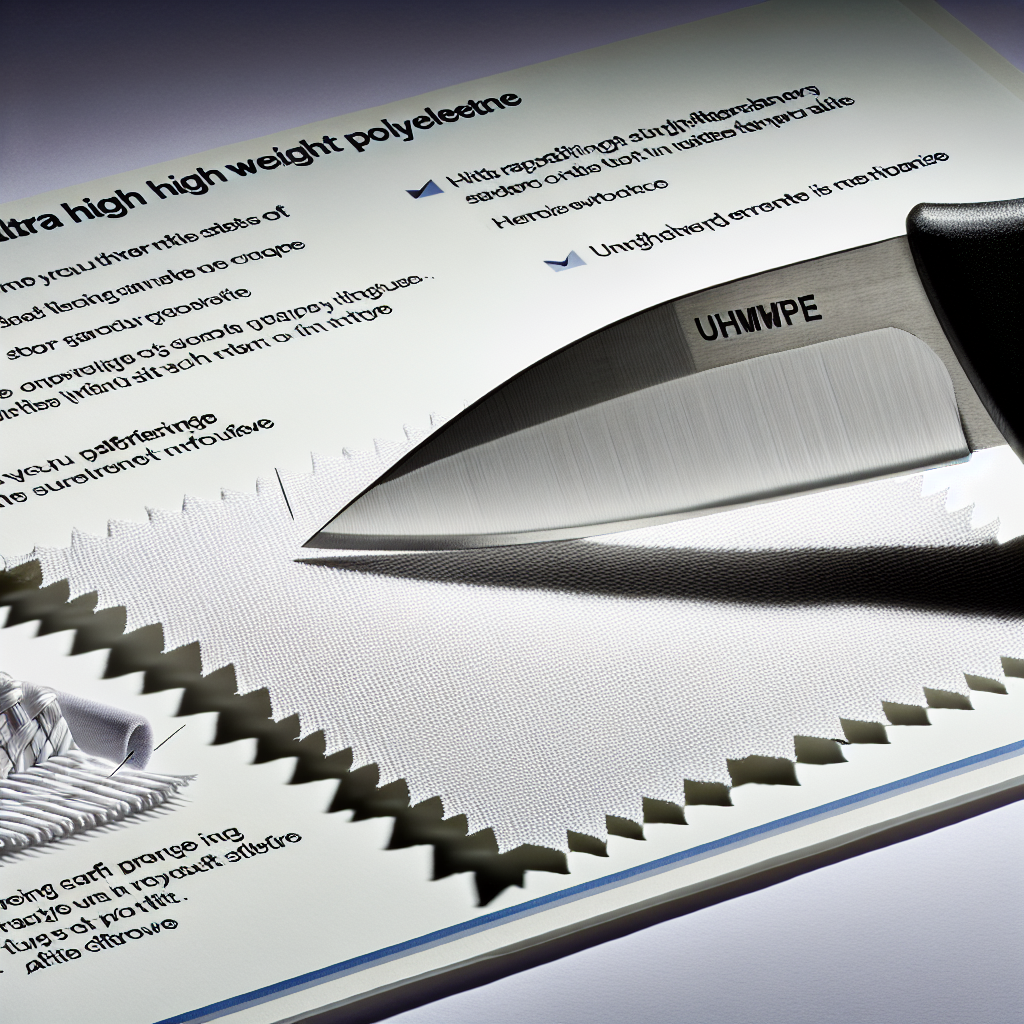
In the realm of protective materials, the quest for enhanced cut resistance has led to the development of various fabrics, each with its unique properties and applications. Among these, Ultra-High Molecular Weight Polyethylene (UHMWPE) fabric has emerged as a formidable contender, particularly when compared to traditional cut-resistant materials. To understand the advantages of UHMWPE fabric, it is essential to examine its characteristics in relation to more conventional options such as aramid fibers, steel mesh, and other synthetic materials.
Traditional cut-resistant materials, such as aramid fibers, have long been utilized in protective clothing and gear. While they offer a certain degree of cut resistance, their performance can be limited by factors such as weight and flexibility. Aramid fibers, for instance, are known for their strength and durability; however, they can be relatively heavy and less breathable, which may hinder comfort during prolonged use. In contrast, UHMWPE fabric boasts an impressive strength-to-weight ratio, making it significantly lighter than aramid fibers while still providing superior cut resistance. This lightweight nature not only enhances user comfort but also allows for greater mobility, which is crucial in high-risk environments.
Moreover, the flexibility of UHMWPE fabric sets it apart from traditional materials. While aramid fibers can become stiff and less pliable over time, UHMWPE maintains its flexibility, allowing for a more natural range of motion. This characteristic is particularly beneficial in applications where dexterity is essential, such as in the medical field or in various industrial settings. As a result, workers can perform tasks with greater ease and efficiency, reducing the risk of accidents and injuries.
Another traditional option, steel mesh, is often employed in cut-resistant gloves and protective clothing. While steel mesh provides excellent cut resistance, it comes with its own set of drawbacks. The weight and bulkiness of steel mesh can limit mobility and comfort, making it less suitable for tasks that require fine motor skills. Additionally, steel mesh can be prone to rust and corrosion, which may compromise its effectiveness over time. In contrast, UHMWPE fabric is inherently resistant to moisture and chemicals, ensuring that it remains durable and effective even in challenging environments. This resistance not only extends the lifespan of the material but also reduces maintenance requirements, making it a more practical choice for many applications.
Furthermore, the manufacturing process of UHMWPE fabric allows for a higher degree of customization compared to traditional materials. This versatility enables manufacturers to create fabrics with varying levels of cut resistance, thickness, and flexibility, catering to specific industry needs. As industries continue to evolve and demand more specialized protective gear, the adaptability of UHMWPE fabric positions it as a leading choice for future innovations.
In conclusion, when comparing UHMWPE fabric to traditional cut-resistant materials, it becomes evident that UHMWPE offers numerous advantages, including a superior strength-to-weight ratio, enhanced flexibility, and greater resistance to environmental factors. These characteristics not only improve user comfort and mobility but also ensure long-lasting performance in demanding conditions. As the need for effective protective solutions continues to grow, UHMWPE fabric stands out as a modern alternative that meets the challenges of today’s safety requirements, making it an invaluable asset in the pursuit of cut resistance.
Innovations in UHMWPE Fabric Technology for Enhanced Protection
In recent years, the demand for advanced protective materials has surged, particularly in industries where the risk of cuts and abrasions is prevalent. Among the most notable innovations in this field is the development of Ultra-High Molecular Weight Polyethylene (UHMWPE) fabric, which has emerged as a leading solution for cut resistance. This remarkable material is characterized by its exceptional strength-to-weight ratio, making it an ideal choice for protective clothing, gloves, and other gear designed to safeguard individuals from sharp objects and hazardous environments.
One of the key advancements in UHMWPE fabric technology is the enhancement of its fiber structure. Traditional UHMWPE fibers have been re-engineered to improve their tensile strength and durability. By utilizing advanced spinning techniques, manufacturers have been able to create fibers that are not only stronger but also more flexible. This flexibility allows for greater comfort and ease of movement, which is essential for workers who require dexterity in their tasks. As a result, the latest UHMWPE fabrics provide a superior balance between protection and usability, ensuring that wearers can perform their duties without compromising safety.
Moreover, the integration of innovative weaving techniques has further bolstered the protective capabilities of UHMWPE fabrics. By employing advanced weaving patterns, manufacturers can create multi-layered fabrics that enhance cut resistance while maintaining breathability. This is particularly important in environments where heat and moisture can lead to discomfort and reduced performance. The ability to combine cut-resistant properties with moisture-wicking capabilities ensures that individuals remain comfortable and focused on their tasks, ultimately improving productivity and safety.
In addition to structural enhancements, the incorporation of advanced coatings and treatments has also played a significant role in the evolution of UHMWPE fabric technology. These coatings can provide additional resistance to chemicals, abrasions, and even flame, thereby expanding the range of applications for UHMWPE fabrics. For instance, in industries such as construction, manufacturing, and healthcare, where exposure to hazardous materials is common, the ability to offer multi-faceted protection is invaluable. This versatility not only enhances the safety of workers but also reduces the need for multiple layers of protective gear, streamlining the overall protective strategy.
Furthermore, the sustainability of UHMWPE fabric technology has become a focal point in recent innovations. As environmental concerns continue to rise, manufacturers are increasingly exploring eco-friendly production methods and materials. The development of recycled UHMWPE fibers is one such innovation that addresses these concerns while maintaining the high-performance characteristics of traditional UHMWPE fabrics. By adopting sustainable practices, the industry is not only contributing to environmental preservation but also appealing to a growing market of environmentally conscious consumers.
As the landscape of protective materials continues to evolve, the advancements in UHMWPE fabric technology stand out as a testament to human ingenuity and the relentless pursuit of safety. The combination of enhanced fiber structures, innovative weaving techniques, advanced coatings, and sustainable practices has positioned UHMWPE fabrics as a formidable shield against cuts and abrasions. As industries increasingly recognize the importance of worker safety and comfort, the adoption of these cutting-edge materials is likely to expand, paving the way for a future where protection is both effective and sustainable. In conclusion, the innovations in UHMWPE fabric technology not only enhance protection but also redefine the standards of safety in various high-risk environments, ensuring that individuals can work confidently and securely.
Q&A
1. **What is UHMWPE fabric?**
UHMWPE (Ultra-High Molecular Weight Polyethylene) fabric is a high-performance material known for its exceptional strength, durability, and resistance to cuts and abrasions.
2. **How does UHMWPE fabric provide cut resistance?**
The unique molecular structure of UHMWPE fibers creates a dense, interwoven fabric that disperses force and prevents sharp objects from penetrating, making it highly effective against cuts.
3. **What are the applications of UHMWPE fabric in cut-resistant products?**
UHMWPE fabric is commonly used in protective gear such as gloves, vests, and sleeves, as well as in industrial applications where cut resistance is essential, such as in manufacturing and construction.