


-
Table of Contents
“UHMWPE Cut Resistant Lining Fabric: Unyielding Protection, Unmatched Safety.”
Introduction
UHMWPE (Ultra-High Molecular Weight Polyethylene) cut resistant lining fabric is a revolutionary material designed to enhance safety in various industrial and commercial applications. Known for its exceptional strength and durability, UHMWPE offers superior cut resistance, making it an ideal choice for protective clothing, gloves, and equipment used in high-risk environments. This fabric not only provides a barrier against sharp objects but also maintains flexibility and comfort, ensuring that users can perform their tasks effectively without compromising safety. With its lightweight nature and resistance to abrasion, chemicals, and moisture, UHMWPE cut resistant lining fabric stands out as a critical component in safeguarding workers and enhancing overall workplace safety.
Benefits of UHMWPE Cut Resistant Lining Fabric in Industrial Safety
In the realm of industrial safety, the choice of materials plays a pivotal role in ensuring the well-being of workers. One such material that has gained significant attention is Ultra-High Molecular Weight Polyethylene (UHMWPE) cut-resistant lining fabric. This innovative fabric is engineered to provide exceptional protection against cuts and abrasions, making it an invaluable asset in various industrial applications. The benefits of UHMWPE cut-resistant lining fabric extend beyond mere protection; they encompass durability, comfort, and versatility, all of which contribute to a safer working environment.
To begin with, the primary advantage of UHMWPE cut-resistant lining fabric lies in its remarkable strength. This material boasts a molecular structure that allows it to withstand significant wear and tear, making it ideal for industries where sharp objects and heavy machinery are prevalent. For instance, in manufacturing and construction settings, workers are often exposed to tools and materials that pose a risk of cuts and lacerations. By incorporating UHMWPE lining into protective gear, employers can significantly reduce the likelihood of injuries, thereby enhancing overall workplace safety.
Moreover, the lightweight nature of UHMWPE fabric adds another layer of benefit. Unlike traditional cut-resistant materials, which can be bulky and cumbersome, UHMWPE offers a high level of protection without sacrificing comfort. This is particularly important in environments where workers must remain agile and mobile. The flexibility of UHMWPE allows for a greater range of motion, enabling employees to perform their tasks efficiently while remaining protected. Consequently, this balance between safety and comfort can lead to increased productivity, as workers are less likely to be hindered by restrictive gear.
In addition to its protective qualities, UHMWPE cut-resistant lining fabric is also resistant to chemicals and moisture. This characteristic is crucial in industries such as food processing and pharmaceuticals, where contamination can pose serious health risks. By utilizing UHMWPE lining, companies can ensure that their protective clothing not only safeguards against cuts but also maintains hygiene standards. This dual functionality underscores the fabric’s versatility, making it suitable for a wide array of applications beyond traditional industrial settings.
Furthermore, the longevity of UHMWPE fabric contributes to its cost-effectiveness. While the initial investment in high-quality cut-resistant materials may be higher than that of standard fabrics, the durability of UHMWPE means that it requires less frequent replacement. This not only reduces long-term costs for businesses but also minimizes waste, aligning with sustainable practices that are increasingly important in today’s industrial landscape. By choosing UHMWPE, companies can invest in a solution that not only protects their workforce but also supports environmental responsibility.
In conclusion, the benefits of UHMWPE cut-resistant lining fabric in industrial safety are multifaceted. Its exceptional strength, lightweight nature, chemical resistance, and cost-effectiveness make it an ideal choice for a variety of applications. As industries continue to prioritize worker safety, the adoption of advanced materials like UHMWPE will play a crucial role in creating safer working environments. By investing in this innovative fabric, employers can not only protect their employees from potential hazards but also foster a culture of safety that ultimately enhances productivity and morale. In an era where safety is paramount, UHMWPE cut-resistant lining fabric stands out as a leading solution for industrial safety challenges.
Comparing UHMWPE Cut Resistant Lining Fabric to Traditional Materials
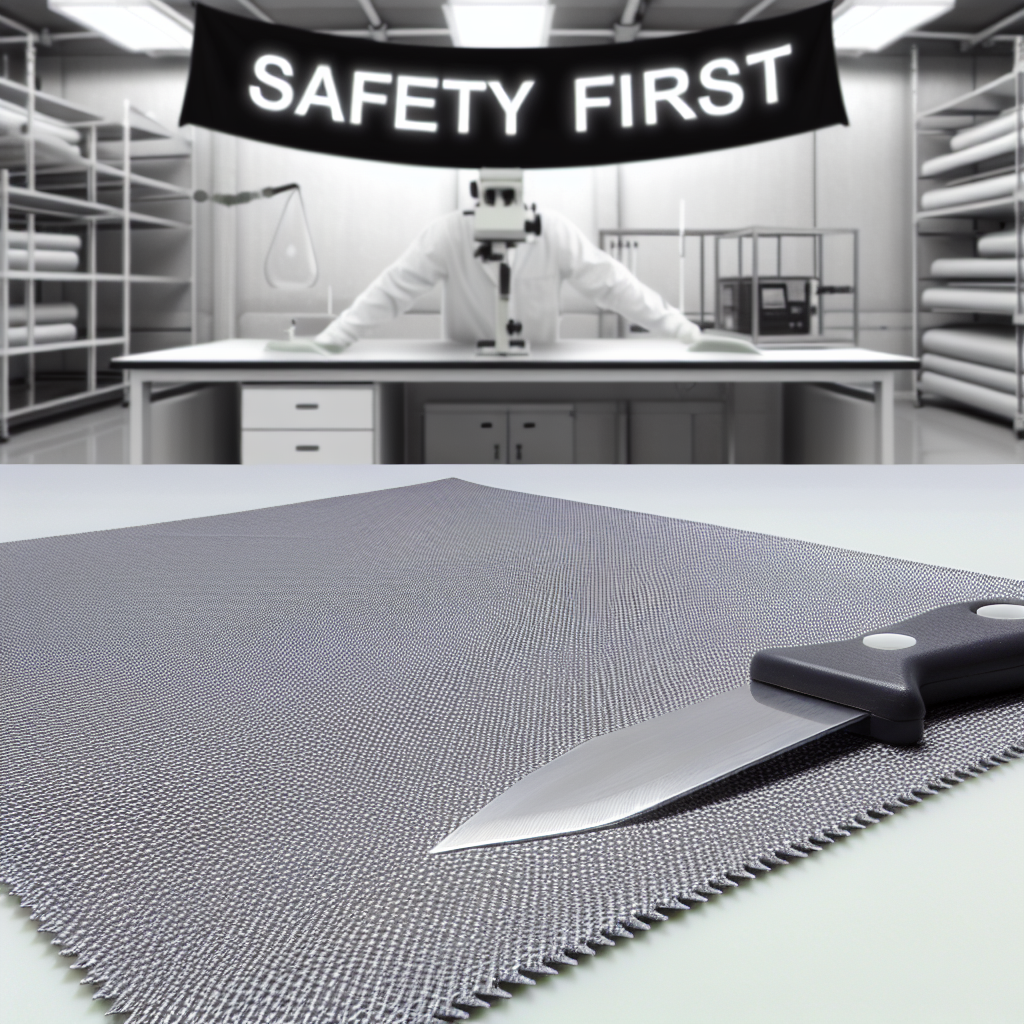
In the realm of protective materials, the emergence of Ultra-High Molecular Weight Polyethylene (UHMWPE) cut resistant lining fabric has revolutionized safety standards across various industries. When comparing UHMWPE to traditional materials, such as Kevlar and leather, it becomes evident that UHMWPE offers distinct advantages that enhance both performance and user safety.
To begin with, one of the most significant benefits of UHMWPE is its exceptional cut resistance. Traditional materials like Kevlar, while known for their strength, often fall short in terms of durability when exposed to sharp edges and abrasive surfaces. In contrast, UHMWPE boasts a molecular structure that provides superior resistance to cuts and punctures, making it an ideal choice for applications where sharp objects are prevalent. This inherent property not only prolongs the lifespan of the protective gear but also ensures that users are better shielded from potential injuries.
Moreover, the lightweight nature of UHMWPE fabric further distinguishes it from traditional materials. While leather, for instance, offers a degree of protection, it is often heavier and can lead to fatigue during prolonged use. UHMWPE, on the other hand, is remarkably lightweight, allowing for greater mobility and comfort without compromising safety. This aspect is particularly crucial in industries such as construction and manufacturing, where workers are required to perform tasks that demand both agility and protection. The reduced weight of UHMWPE lining fabric enables workers to maintain their efficiency while remaining adequately protected.
In addition to its lightweight properties, UHMWPE is also highly resistant to abrasion and chemicals. Traditional materials may degrade over time when exposed to harsh environments or substances, leading to a decline in protective capabilities. UHMWPE, however, exhibits remarkable resilience against a variety of chemicals and environmental factors, ensuring that the protective gear remains effective even in challenging conditions. This durability not only enhances safety but also reduces the need for frequent replacements, ultimately resulting in cost savings for businesses.
Furthermore, the moisture-wicking properties of UHMWPE fabric contribute to its overall effectiveness as a protective material. Unlike traditional fabrics that may retain moisture, leading to discomfort and potential skin irritations, UHMWPE actively draws moisture away from the skin. This feature is particularly beneficial in high-temperature environments, where sweat can compromise both comfort and safety. By keeping the wearer dry, UHMWPE enhances overall performance and reduces the risk of heat-related issues.
Transitioning to the aspect of environmental impact, UHMWPE is also more sustainable compared to traditional materials. While leather production often involves environmentally harmful processes, UHMWPE can be manufactured with a lower ecological footprint. This consideration is increasingly important in today’s world, where industries are striving to adopt more sustainable practices. By choosing UHMWPE cut resistant lining fabric, companies not only prioritize safety but also contribute to a more sustainable future.
In conclusion, the comparison between UHMWPE cut resistant lining fabric and traditional materials reveals a clear advantage for UHMWPE in terms of cut resistance, weight, durability, moisture management, and environmental sustainability. As industries continue to prioritize safety and efficiency, the adoption of UHMWPE fabric is likely to become increasingly prevalent, setting new standards for protective gear. By embracing this innovative material, businesses can ensure that their workforce remains safe, comfortable, and capable of performing at their best.
Applications of UHMWPE Cut Resistant Lining Fabric in Various Industries
UHMWPE cut resistant lining fabric has emerged as a pivotal material across various industries, primarily due to its exceptional strength and durability. This high-performance fabric, made from ultra-high molecular weight polyethylene, offers remarkable resistance to cuts and abrasions, making it an ideal choice for applications where safety is paramount. As industries increasingly prioritize worker protection and equipment longevity, the adoption of UHMWPE fabric has gained significant traction.
In the manufacturing sector, for instance, the use of UHMWPE cut resistant lining fabric is prevalent in the production of protective clothing and gear. Workers in environments where sharp tools and machinery are commonplace benefit from garments that incorporate this advanced material. The fabric not only provides a barrier against cuts but also enhances comfort and flexibility, allowing for ease of movement without compromising safety. Consequently, manufacturers are able to maintain high productivity levels while ensuring that their employees are safeguarded against potential injuries.
Similarly, the construction industry has recognized the advantages of UHMWPE cut resistant lining fabric. Construction sites often present numerous hazards, including sharp objects and heavy machinery. By integrating this fabric into safety vests, gloves, and other protective equipment, companies can significantly reduce the risk of lacerations and puncture wounds. This proactive approach to safety not only protects workers but also fosters a culture of care and responsibility within the organization, ultimately leading to improved morale and reduced insurance costs.
Moreover, the transportation and logistics sectors have also begun to utilize UHMWPE cut resistant lining fabric in various applications. For instance, in the handling and transportation of goods, the fabric is employed in the manufacturing of protective covers and liners for pallets and containers. These protective solutions help to prevent damage to both the products being transported and the equipment used in the process. By minimizing the risk of cuts and abrasions during handling, companies can ensure that their operations run smoothly and efficiently, thereby enhancing overall productivity.
In the food processing industry, the application of UHMWPE cut resistant lining fabric is particularly noteworthy. Workers in this sector often handle sharp knives and equipment, making the risk of injury a significant concern. By utilizing this fabric in the production of cut-resistant gloves and aprons, food processing companies can protect their employees while maintaining high hygiene standards. The fabric’s resistance to cuts and its easy-to-clean properties make it an ideal choice for environments where safety and cleanliness are critical.
Furthermore, the mining and oil and gas industries have also adopted UHMWPE cut resistant lining fabric for its robust protective qualities. In these high-risk environments, workers are frequently exposed to sharp rocks, heavy machinery, and hazardous materials. The integration of this fabric into protective gear not only enhances safety but also extends the lifespan of the equipment used, reducing the need for frequent replacements and repairs.
In conclusion, the applications of UHMWPE cut resistant lining fabric span a wide array of industries, each benefiting from its unique properties. As safety continues to be a top priority across sectors, the demand for this innovative material is likely to grow. By investing in UHMWPE fabric, companies can ensure that they are not only protecting their workforce but also enhancing operational efficiency and reducing costs associated with workplace injuries. The future of safety in various industries is undoubtedly intertwined with the advancements in materials like UHMWPE cut resistant lining fabric.
Q&A
1. **What is UHMWPE Cut Resistant Lining Fabric?**
UHMWPE Cut Resistant Lining Fabric is a high-performance material made from ultra-high molecular weight polyethylene, designed to provide superior cut resistance and durability for protective clothing and equipment.
2. **What are the safety benefits of using UHMWPE Cut Resistant Lining Fabric?**
The fabric offers enhanced protection against cuts and abrasions, reducing the risk of injury in environments where sharp objects are present, making it ideal for industries such as manufacturing, construction, and healthcare.
3. **How does UHMWPE compare to other cut-resistant materials?**
UHMWPE is lighter and more flexible than many traditional cut-resistant materials, providing similar or superior cut protection while allowing for greater comfort and mobility for the wearer.