


-
Table of Contents
“Twill Weave Carbon Fiber Fabric: Where Aesthetic Elegance Meets Unmatched Strength.”
Introduction
Twill weave carbon fiber fabric is a remarkable material that combines aesthetic appeal with exceptional strength, making it a popular choice in various industries, including automotive, aerospace, and sports equipment. Characterized by its distinctive diagonal pattern, twill weave not only enhances the visual texture of the fabric but also contributes to its structural integrity. The unique weaving technique allows for greater flexibility and durability, resulting in a lightweight yet robust material that can withstand significant stress and strain. This combination of beauty and brawn makes twill weave carbon fiber fabric an ideal solution for applications where both performance and style are paramount.
Aesthetic Appeal of Twill Weave Carbon Fiber Fabric
Twill weave carbon fiber fabric has garnered significant attention in various industries, not only for its remarkable strength and durability but also for its aesthetic appeal. The unique pattern of twill weave, characterized by its diagonal ribbing, creates a visually striking texture that distinguishes it from other fabric types. This distinctive appearance is not merely a byproduct of its construction; rather, it is an integral aspect that enhances its desirability in applications ranging from automotive design to high-end fashion.
The aesthetic allure of twill weave carbon fiber fabric lies in its ability to convey a sense of modernity and sophistication. The interplay of light and shadow across the woven surface creates a dynamic visual effect, which can be particularly captivating in products that are meant to be both functional and stylish. For instance, in the automotive industry, the use of twill weave carbon fiber in car interiors and exteriors not only contributes to weight reduction and improved performance but also elevates the overall design aesthetic. The fabric’s sleek, polished appearance complements the cutting-edge technology often associated with high-performance vehicles, making it a popular choice among manufacturers aiming to project an image of innovation and luxury.
Moreover, the versatility of twill weave carbon fiber fabric allows it to be utilized in a variety of colors and finishes, further enhancing its visual appeal. While traditional carbon fiber is often recognized for its characteristic black hue, advancements in dyeing techniques have enabled the creation of vibrant colors and patterns. This adaptability opens up new avenues for designers and manufacturers, allowing them to incorporate twill weave carbon fiber into a broader range of products, from sports equipment to fashion accessories. As a result, consumers are increasingly drawn to items that not only perform exceptionally but also reflect their personal style and preferences.
In addition to its visual characteristics, the tactile quality of twill weave carbon fiber fabric contributes to its aesthetic appeal. The fabric’s smooth texture, combined with its lightweight nature, creates a luxurious feel that enhances the user experience. This sensory aspect is particularly important in applications such as fashion, where the touch and drape of a material can significantly influence a garment’s overall appeal. Designers often leverage the unique properties of twill weave carbon fiber to create statement pieces that stand out in a crowded market, merging functionality with high fashion.
Furthermore, the perception of carbon fiber as a premium material adds to its aesthetic value. Often associated with high-tech industries and elite products, carbon fiber conveys a sense of exclusivity and prestige. This perception is particularly advantageous in sectors such as luxury goods, where consumers are willing to invest in items that not only perform well but also signify status and sophistication. The combination of strength, lightweight properties, and striking aesthetics makes twill weave carbon fiber fabric an ideal choice for those seeking to make a bold statement.
In conclusion, the aesthetic appeal of twill weave carbon fiber fabric is a multifaceted attribute that enhances its desirability across various applications. Its unique texture, versatility in color and finish, tactile quality, and association with luxury all contribute to its growing popularity. As industries continue to explore innovative uses for this remarkable material, the fusion of aesthetic appeal and functional strength will undoubtedly play a pivotal role in shaping future design trends.
Strength and Durability of Twill Weave Carbon Fiber Fabric
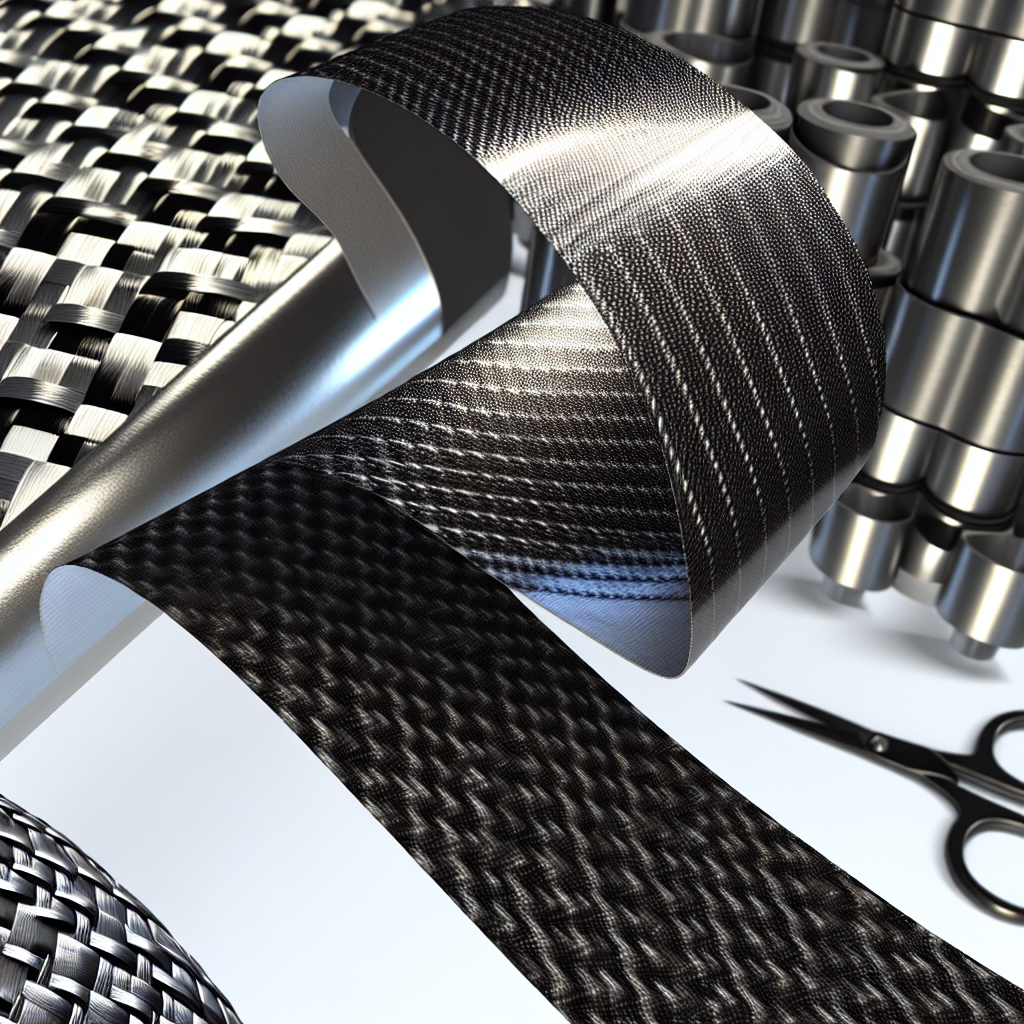
Twill weave carbon fiber fabric is renowned for its exceptional strength and durability, making it a preferred choice in various industries, including aerospace, automotive, and sports equipment. The unique structure of twill weave, characterized by its diagonal pattern, not only enhances the aesthetic appeal of the fabric but also contributes significantly to its mechanical properties. This distinctive weaving technique allows for a more flexible and resilient material, which is crucial in applications where both strength and weight are critical factors.
One of the primary advantages of twill weave carbon fiber fabric is its high tensile strength. Carbon fibers themselves are known for their remarkable ability to withstand tension, and when woven in a twill pattern, this strength is further amplified. The interlacing of fibers in a diagonal formation distributes stress more evenly across the fabric, reducing the likelihood of failure under load. Consequently, this makes twill weave carbon fiber an ideal material for components that must endure significant forces, such as aircraft wings and high-performance automotive parts.
Moreover, the durability of twill weave carbon fiber fabric is enhanced by its resistance to environmental factors. Unlike traditional materials that may degrade over time due to exposure to moisture, UV light, or chemicals, carbon fiber exhibits remarkable stability. This resistance to environmental degradation ensures that products made from twill weave carbon fiber maintain their integrity and performance over extended periods, even in harsh conditions. As a result, manufacturers can rely on this material for long-lasting applications, reducing the need for frequent replacements and maintenance.
In addition to its strength and durability, twill weave carbon fiber fabric also offers a lightweight alternative to conventional materials. The low density of carbon fiber allows for the creation of components that are not only strong but also significantly lighter than their metal counterparts. This weight reduction is particularly advantageous in industries such as aerospace, where every gram counts in terms of fuel efficiency and overall performance. By utilizing twill weave carbon fiber, engineers can design lighter structures without compromising on strength, leading to enhanced performance and reduced operational costs.
Furthermore, the versatility of twill weave carbon fiber fabric extends beyond its mechanical properties. The fabric can be easily manipulated into various shapes and forms, allowing for innovative designs that cater to specific functional requirements. This adaptability is particularly beneficial in the realm of custom applications, where tailored solutions are often necessary. Whether it is in the production of bespoke sports equipment or specialized automotive components, the ability to mold and shape twill weave carbon fiber fabric opens up a world of possibilities for designers and engineers alike.
In conclusion, the strength and durability of twill weave carbon fiber fabric make it an invaluable material across multiple sectors. Its high tensile strength, resistance to environmental factors, and lightweight nature combine to create a fabric that not only meets but often exceeds the demands of modern engineering. As industries continue to seek materials that offer both performance and aesthetic appeal, twill weave carbon fiber fabric stands out as a prime candidate, embodying the perfect balance of functionality and style. With ongoing advancements in technology and manufacturing processes, the future of twill weave carbon fiber fabric looks promising, paving the way for even more innovative applications that harness its remarkable properties.
Applications of Twill Weave Carbon Fiber Fabric in Design and Engineering
Twill weave carbon fiber fabric has emerged as a significant material in various design and engineering applications, primarily due to its unique combination of aesthetic appeal and exceptional strength. This fabric, characterized by its diagonal pattern, not only enhances the visual quality of products but also contributes to their structural integrity. As industries increasingly seek materials that offer both functionality and style, twill weave carbon fiber fabric has found its way into numerous sectors, including automotive, aerospace, sports equipment, and consumer electronics.
In the automotive industry, the demand for lightweight yet durable materials has led to the widespread adoption of twill weave carbon fiber fabric. Manufacturers utilize this fabric in the production of body panels, interior components, and even structural elements. The lightweight nature of carbon fiber helps improve fuel efficiency and performance, while its aesthetic qualities allow for sleek, modern designs that appeal to consumers. The twill weave pattern adds a sophisticated touch, making vehicles not only more efficient but also visually striking. As a result, high-end automotive brands often incorporate this material into their luxury models, showcasing both innovation and style.
Similarly, the aerospace sector has recognized the advantages of twill weave carbon fiber fabric. Aircraft components, such as wings and fuselage sections, benefit from the material’s high strength-to-weight ratio, which is crucial for enhancing flight performance and fuel efficiency. The ability to withstand extreme conditions while maintaining structural integrity makes carbon fiber an ideal choice for aerospace applications. Furthermore, the aesthetic appeal of twill weave carbon fiber allows for the creation of visually appealing interiors and exteriors, contributing to the overall design ethos of modern aircraft. As the aerospace industry continues to evolve, the integration of this fabric is likely to expand, driven by the need for both performance and aesthetics.
In the realm of sports equipment, twill weave carbon fiber fabric has revolutionized the design and functionality of various products. From bicycles to tennis rackets, the lightweight and robust characteristics of carbon fiber enhance performance while providing athletes with a competitive edge. The twill weave pattern not only reinforces the structural properties of these items but also adds a contemporary look that resonates with consumers. As athletes increasingly seek high-performance gear that reflects their personal style, the use of twill weave carbon fiber fabric in sports equipment is expected to grow, bridging the gap between functionality and fashion.
Moreover, the consumer electronics industry has also embraced twill weave carbon fiber fabric, particularly in the design of high-end gadgets and accessories. Laptops, smartphones, and other devices benefit from the lightweight and durable nature of carbon fiber, which allows for sleek designs without compromising on strength. The aesthetic appeal of the twill weave pattern enhances the visual identity of these products, making them more attractive to consumers who value both performance and style. As technology continues to advance, the integration of twill weave carbon fiber fabric in consumer electronics is likely to become more prevalent, reflecting a broader trend towards premium materials in everyday items.
In conclusion, the applications of twill weave carbon fiber fabric in design and engineering are vast and varied, spanning multiple industries. Its unique combination of aesthetic appeal and strength makes it an ideal choice for automotive, aerospace, sports equipment, and consumer electronics. As industries continue to innovate and prioritize both functionality and style, the role of twill weave carbon fiber fabric is poised to expand, solidifying its place as a material of choice for modern design and engineering challenges.
Q&A
1. **What is twill weave carbon fiber fabric?**
Twill weave carbon fiber fabric is a type of textile made from carbon fibers arranged in a diagonal pattern, providing a balance of aesthetic appeal and structural strength.
2. **What are the aesthetic benefits of twill weave carbon fiber fabric?**
The twill weave pattern creates a visually appealing texture and depth, often resulting in a more sophisticated and stylish appearance compared to plain weave fabrics.
3. **How does twill weave contribute to the strength of carbon fiber fabric?**
The diagonal pattern of twill weave enhances the fabric’s flexibility and durability, allowing it to better withstand stress and impact while maintaining its structural integrity.