


-
Table of Contents
“Twill Weave Carbon: Where Elegance Meets Strength.”
Introduction
Twill weave carbon is a revolutionary material that combines aesthetic appeal with exceptional strength and durability. Characterized by its distinctive diagonal pattern, twill weave enhances the structural integrity of carbon fiber, making it a preferred choice in various industries, from aerospace to automotive and sports equipment. This innovative weaving technique not only provides a lightweight solution but also offers a visually striking finish, showcasing the inherent beauty of carbon. As technology advances, twill weave carbon continues to push the boundaries of design and performance, unlocking new possibilities for engineers and designers alike.
Twill Weave Carbon: The Perfect Blend of Strength and Aesthetics
Twill weave carbon represents a remarkable fusion of strength and aesthetics, making it an increasingly popular choice in various industries, from aerospace to automotive and even fashion. This unique material is characterized by its distinctive diagonal pattern, which not only enhances its visual appeal but also contributes to its structural integrity. The twill weave pattern is created by interlacing carbon fibers in a specific manner, allowing for a more flexible and durable fabric compared to traditional plain weaves. This flexibility is particularly advantageous in applications where both strength and lightweight properties are essential.
One of the most significant advantages of twill weave carbon is its exceptional strength-to-weight ratio. Carbon fiber itself is known for being incredibly strong while remaining lightweight, and the twill weave enhances these properties. The diagonal pattern allows for better distribution of stress across the fabric, which minimizes the risk of failure under load. This characteristic is particularly beneficial in high-performance applications, such as in the construction of aircraft components, where every ounce of weight saved can lead to improved fuel efficiency and performance. As a result, engineers and designers are increasingly turning to twill weave carbon to meet the demanding requirements of modern engineering.
Moreover, the aesthetic qualities of twill weave carbon cannot be overlooked. The intricate pattern adds a level of sophistication and elegance that is often sought after in luxury products. In the automotive industry, for instance, manufacturers are utilizing twill weave carbon not only for its performance benefits but also for its striking appearance. High-end sports cars often feature carbon fiber components that showcase the twill weave, appealing to consumers who value both performance and style. This trend extends beyond vehicles, as twill weave carbon is also making its way into consumer electronics, fashion accessories, and even furniture design, where its unique texture and visual depth can elevate the overall aesthetic.
In addition to its strength and beauty, twill weave carbon is also highly versatile. It can be molded into various shapes and forms, allowing designers to create complex geometries that would be challenging to achieve with traditional materials. This versatility opens up new possibilities for innovation, enabling the development of products that are not only functional but also visually striking. As industries continue to explore the potential of twill weave carbon, we can expect to see even more creative applications that push the boundaries of design and engineering.
Furthermore, the environmental impact of carbon fiber production is an important consideration in today’s market. While traditional carbon fiber manufacturing processes can be resource-intensive, advancements in technology are leading to more sustainable practices. Manufacturers are increasingly focusing on recycling and repurposing carbon fiber materials, which not only reduces waste but also enhances the overall sustainability of twill weave carbon products. This shift towards eco-friendly practices aligns with the growing consumer demand for sustainable materials, making twill weave carbon an attractive option for environmentally conscious consumers.
In conclusion, twill weave carbon stands out as a material that seamlessly combines strength and aesthetics, making it a preferred choice across various industries. Its unique properties not only enhance performance but also contribute to the visual appeal of products, allowing designers to create innovative and striking designs. As technology continues to evolve and sustainability becomes a priority, the future of twill weave carbon looks promising, paving the way for new applications that harness its full potential.
Applications of Twill Weave Carbon in Modern Design
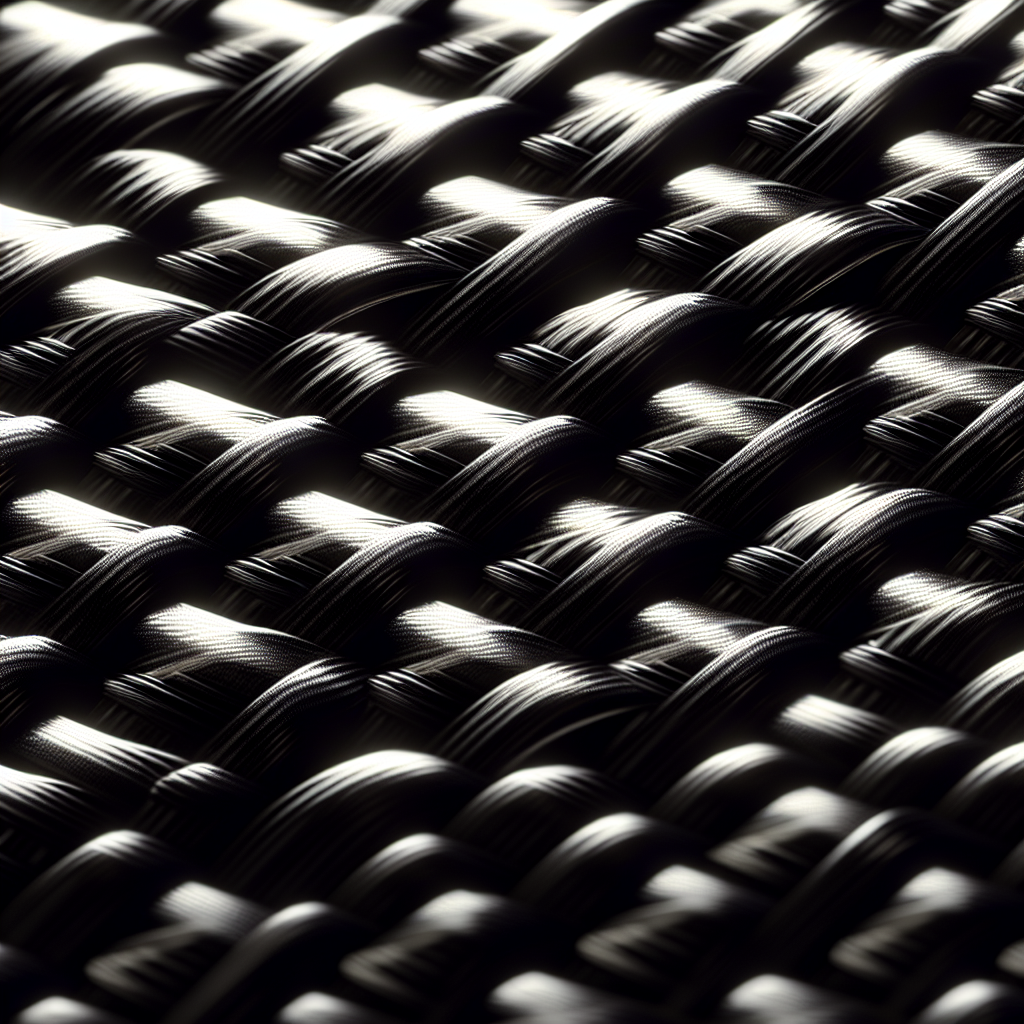
Twill weave carbon, characterized by its distinctive diagonal pattern, has emerged as a significant material in modern design, offering a unique blend of aesthetic appeal and functional strength. This innovative fabric is not only lightweight but also exhibits remarkable durability, making it an ideal choice for a variety of applications across multiple industries. As designers and engineers continue to explore the potential of twill weave carbon, its versatility becomes increasingly evident, leading to its adoption in sectors ranging from automotive to aerospace, and even in consumer products.
In the automotive industry, the demand for lightweight materials has surged as manufacturers strive to enhance fuel efficiency and reduce emissions. Twill weave carbon plays a pivotal role in this transformation, as it allows for the creation of components that are both strong and lightweight. For instance, car manufacturers are increasingly utilizing this material in the production of body panels, interior elements, and structural components. The aesthetic qualities of twill weave carbon also contribute to the overall design language of vehicles, providing a modern and sophisticated look that appeals to consumers. As a result, vehicles equipped with twill weave carbon components not only perform better but also exude a sense of luxury and innovation.
Similarly, in the aerospace sector, the application of twill weave carbon has revolutionized aircraft design. The aerospace industry demands materials that can withstand extreme conditions while maintaining a low weight. Twill weave carbon meets these requirements, making it an ideal choice for various aircraft components, including wings, fuselage sections, and interior fittings. The use of this material not only enhances the performance and fuel efficiency of aircraft but also contributes to safety and reliability. Furthermore, the sleek appearance of twill weave carbon aligns with the cutting-edge aesthetic that is often sought after in aerospace design, thereby enhancing the overall visual appeal of modern aircraft.
Beyond transportation, twill weave carbon has found its way into the realm of consumer products, particularly in high-end electronics and sporting goods. In the world of technology, devices such as smartphones, laptops, and tablets are increasingly incorporating twill weave carbon into their designs. This not only provides a lightweight and durable casing but also adds a touch of elegance that appeals to consumers. The tactile quality of the material, combined with its visual allure, creates a premium feel that enhances the user experience. Similarly, in the sporting goods industry, twill weave carbon is utilized in the production of high-performance equipment such as bicycles, tennis rackets, and golf clubs. The strength-to-weight ratio of this material allows athletes to achieve better performance while enjoying the benefits of a sleek and modern design.
As the applications of twill weave carbon continue to expand, it is clear that this material is not merely a trend but rather a fundamental shift in how designers approach the creation of products. The combination of beauty and power inherent in twill weave carbon allows for innovative designs that push the boundaries of what is possible. As industries evolve and the demand for sustainable, high-performance materials grows, twill weave carbon stands poised to play a crucial role in shaping the future of modern design. In conclusion, the integration of twill weave carbon into various applications not only enhances functionality but also elevates the aesthetic experience, making it a material of choice for forward-thinking designers and engineers alike.
The Manufacturing Process of Twill Weave Carbon: Innovation and Precision
The manufacturing process of twill weave carbon is a remarkable blend of innovation and precision, showcasing the advanced techniques that have transformed the field of composite materials. At the heart of this process lies the careful selection of carbon fibers, which are renowned for their exceptional strength-to-weight ratio and rigidity. These fibers are typically produced through a series of chemical and physical transformations, beginning with polyacrylonitrile (PAN) or pitch. The initial step involves spinning these raw materials into long strands, which are then subjected to a series of heating and stretching processes. This treatment aligns the molecular structure of the fibers, enhancing their mechanical properties and preparing them for weaving.
Once the carbon fibers are ready, the next phase involves the creation of the twill weave pattern. This intricate design is characterized by its diagonal ribbing, which not only contributes to the aesthetic appeal of the final product but also enhances its structural integrity. The weaving process itself is a meticulous operation, requiring skilled technicians and advanced machinery to ensure that each fiber is positioned accurately. The twill weave is typically achieved using a loom, where the carbon fibers are interlaced in a specific sequence. This method allows for a greater degree of flexibility and strength compared to other weaving techniques, making it particularly suitable for applications in aerospace, automotive, and sporting goods industries.
As the weaving progresses, attention to detail is paramount. Each strand must be monitored to prevent defects that could compromise the material’s performance. This is where innovation plays a crucial role; modern manufacturing facilities employ sophisticated quality control systems that utilize sensors and imaging technology to detect inconsistencies in real-time. By integrating these advanced monitoring systems, manufacturers can ensure that the twill weave carbon produced meets the stringent standards required for high-performance applications.
Following the weaving process, the next step involves the application of a resin system, which serves to bond the fibers together and enhance the overall strength of the composite material. The choice of resin is critical, as it must complement the properties of the carbon fibers while providing the necessary durability and resistance to environmental factors. Typically, epoxy resins are favored for their excellent adhesion and mechanical performance. The resin is applied through various methods, including vacuum infusion or hand lay-up techniques, depending on the desired characteristics of the final product.
After the resin has been applied, the composite material undergoes a curing process, which solidifies the resin and further enhances the bond between the fibers. This step is often conducted in a controlled environment, where temperature and pressure are carefully regulated to ensure optimal curing conditions. Once cured, the twill weave carbon is subjected to additional quality assessments, including mechanical testing and visual inspections, to confirm that it meets the required specifications.
In conclusion, the manufacturing process of twill weave carbon exemplifies the intersection of innovation and precision in modern materials science. From the careful selection of raw materials to the intricate weaving and curing processes, each step is designed to maximize the performance and aesthetic qualities of the final product. As industries continue to seek lightweight yet robust materials, the advancements in twill weave carbon manufacturing will undoubtedly play a pivotal role in shaping the future of composite materials, unlocking new possibilities across various applications.
Q&A
1. **What is twill weave carbon?**
Twill weave carbon is a type of carbon fiber fabric characterized by its diagonal pattern, which provides enhanced strength, flexibility, and aesthetic appeal compared to plain weave carbon.
2. **What are the advantages of using twill weave carbon in manufacturing?**
The advantages include improved drapability, better resistance to cracking, and a more visually appealing finish, making it ideal for applications in automotive, aerospace, and high-end consumer products.
3. **How does twill weave carbon compare to other carbon fiber weaves?**
Twill weave carbon offers a balance of strength and flexibility, making it more suitable for complex shapes than plain weave, while still being lighter and stronger than other materials like fiberglass.