


-
Table of Contents
“Unveil Elegance: Experience the Timeless Allure of Twill Weave Carbon.”
Introduction
Twill weave carbon fiber has emerged as a captivating material in various industries, renowned for its unique combination of strength, flexibility, and lightweight properties. This innovative fabric features a distinctive diagonal pattern that not only enhances its aesthetic appeal but also contributes to its structural integrity. As a result, twill weave carbon is increasingly utilized in high-performance applications, from automotive and aerospace engineering to sports equipment and fashion. Its ability to withstand extreme conditions while maintaining a sleek appearance makes it a sought-after choice for designers and engineers alike, showcasing the perfect blend of functionality and style. Discover the allure of twill weave carbon and explore its transformative potential across diverse fields.
The Unique Properties of Twill Weave Carbon
Twill weave carbon is a remarkable material that has garnered significant attention in various industries due to its unique properties. This specialized form of carbon fiber is characterized by its distinctive diagonal pattern, which not only enhances its aesthetic appeal but also contributes to its mechanical strength and versatility. The twill weave structure is created by interlacing two or more strands of carbon fiber in a specific pattern, resulting in a fabric that is both flexible and robust. This intricate design allows for improved drapability, making it easier to mold into complex shapes, which is particularly advantageous in applications such as aerospace, automotive, and sporting goods.
One of the most notable properties of twill weave carbon is its exceptional strength-to-weight ratio. This characteristic is crucial in industries where reducing weight without compromising strength is paramount. For instance, in the aerospace sector, every ounce counts, and the use of twill weave carbon can lead to significant fuel savings and enhanced performance. Similarly, in the automotive industry, lighter vehicles contribute to better fuel efficiency and lower emissions, making twill weave carbon an attractive option for manufacturers seeking to meet stringent environmental regulations.
In addition to its strength, twill weave carbon exhibits remarkable stiffness, which is essential for maintaining structural integrity under load. This stiffness is particularly beneficial in applications where rigidity is required, such as in the construction of high-performance bicycles or sports equipment. The ability to withstand significant forces without deforming ensures that products made from twill weave carbon can perform reliably over time, even in demanding conditions. Furthermore, the material’s resistance to fatigue makes it an ideal choice for components that experience repeated stress, thereby extending the lifespan of the final product.
Another significant advantage of twill weave carbon is its resistance to environmental factors. Unlike metals, which can corrode or degrade over time, carbon fiber is impervious to moisture and chemicals, making it suitable for use in harsh environments. This property is particularly advantageous in marine applications, where exposure to saltwater can severely damage traditional materials. The durability of twill weave carbon ensures that it maintains its performance characteristics even when subjected to extreme conditions, thereby reducing maintenance costs and enhancing the longevity of products.
Moreover, the aesthetic qualities of twill weave carbon cannot be overlooked. The unique pattern created by the weaving process gives the material a visually striking appearance that is often sought after in high-end consumer products. From luxury automobiles to premium sporting equipment, the use of twill weave carbon not only enhances performance but also elevates the overall design, appealing to consumers who value both functionality and style.
In conclusion, the unique properties of twill weave carbon make it a highly sought-after material across various industries. Its exceptional strength-to-weight ratio, stiffness, resistance to environmental factors, and aesthetic appeal combine to create a versatile solution for modern engineering challenges. As industries continue to seek innovative materials that can meet the demands of performance and sustainability, twill weave carbon stands out as a prime candidate, promising to play a pivotal role in the future of advanced manufacturing and design. The allure of this material lies not only in its technical advantages but also in its ability to inspire creativity and innovation across diverse applications.
Applications of Twill Weave Carbon in Modern Design
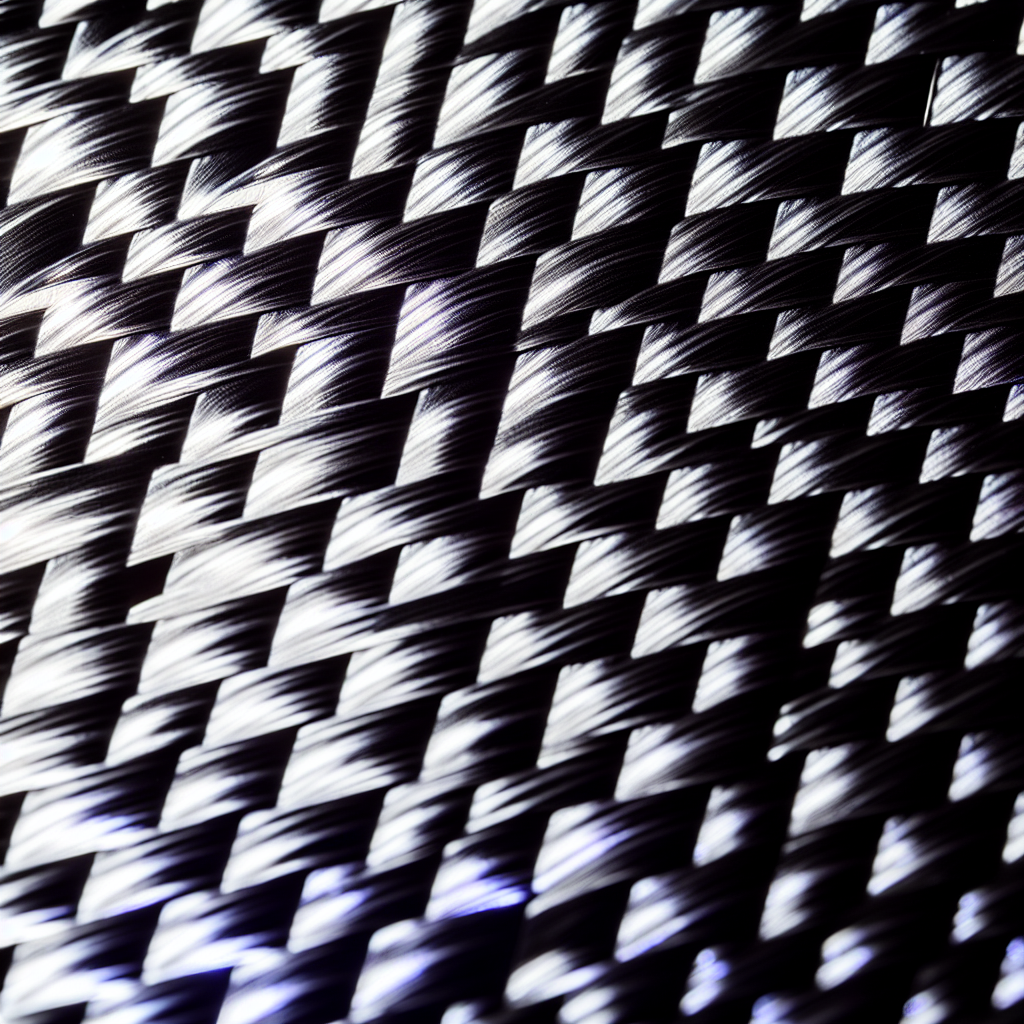
Twill weave carbon has emerged as a significant material in modern design, captivating industries with its unique properties and aesthetic appeal. This innovative fabric, characterized by its diagonal pattern, not only offers strength and durability but also presents a sophisticated visual texture that enhances various applications. As designers and engineers increasingly seek materials that combine functionality with style, twill weave carbon has found its place in a multitude of sectors, ranging from automotive to fashion.
In the automotive industry, the demand for lightweight yet robust materials has led to the widespread adoption of twill weave carbon. Manufacturers are keenly aware that reducing vehicle weight can significantly improve fuel efficiency and performance. Consequently, components such as body panels, interior trim, and structural elements are increasingly crafted from this advanced material. The twill weave pattern not only contributes to the structural integrity of these components but also provides a sleek, modern aesthetic that appeals to consumers. As a result, vehicles featuring twill weave carbon elements often stand out in a competitive market, attracting buyers who value both performance and style.
Transitioning from automotive applications, the aerospace sector has also recognized the advantages of twill weave carbon. In this field, where every ounce counts, the lightweight nature of carbon fiber is invaluable. Aircraft manufacturers utilize twill weave carbon in various components, including wings, fuselage sections, and interior fittings. The material’s high strength-to-weight ratio ensures that aircraft can achieve optimal performance while maintaining safety standards. Moreover, the sleek appearance of twill weave carbon aligns with the cutting-edge design ethos prevalent in modern aviation, making it a favored choice among designers and engineers alike.
Beyond transportation, the realm of sports equipment has also embraced twill weave carbon. High-performance gear, such as bicycles, tennis rackets, and golf clubs, often incorporates this material to enhance performance. The stiffness and lightweight characteristics of twill weave carbon allow athletes to achieve greater speed and agility, while the striking visual appeal adds an element of sophistication to the equipment. As sports enthusiasts increasingly seek gear that not only performs well but also looks good, the integration of twill weave carbon has become a defining feature in premium sports products.
In addition to these industries, the fashion world has begun to explore the potential of twill weave carbon, pushing the boundaries of traditional textile design. Designers are experimenting with this material to create avant-garde garments and accessories that challenge conventional aesthetics. The unique texture and sheen of twill weave carbon lend themselves to innovative designs, allowing fashion houses to produce statement pieces that resonate with modern consumers. As sustainability becomes a focal point in fashion, the durability and longevity of twill weave carbon further enhance its appeal, positioning it as a viable alternative to more conventional fabrics.
Moreover, the architectural field is not left behind, as twill weave carbon is increasingly utilized in building materials and interior design elements. Its strength and lightweight properties make it suitable for structural applications, while its visual appeal enhances the overall aesthetic of modern buildings. Architects are leveraging the versatility of twill weave carbon to create striking facades and interior features that reflect contemporary design trends.
In conclusion, the applications of twill weave carbon in modern design are vast and varied, spanning multiple industries. Its unique combination of strength, lightweight characteristics, and aesthetic appeal makes it an ideal choice for automotive, aerospace, sports, fashion, and architectural applications. As technology continues to advance and the demand for innovative materials grows, twill weave carbon is poised to play an increasingly prominent role in shaping the future of design.
Comparing Twill Weave Carbon to Other Carbon Fabrics
Twill weave carbon fabric has garnered significant attention in various industries, particularly in aerospace, automotive, and sports equipment, due to its unique properties and aesthetic appeal. When comparing twill weave carbon to other carbon fabrics, such as plain weave and satin weave, it becomes evident that each type possesses distinct characteristics that cater to different applications and preferences. Understanding these differences is crucial for manufacturers and consumers alike, as the choice of fabric can greatly influence the performance and appearance of the final product.
To begin with, twill weave carbon fabric is characterized by its diagonal pattern, which is created by interlacing the warp and weft threads in a specific manner. This structure not only enhances the fabric’s strength but also provides a certain degree of flexibility, making it ideal for applications that require both durability and adaptability. In contrast, plain weave carbon fabric, which features a simple over-and-under pattern, tends to be stiffer and less flexible. While plain weave carbon is often more cost-effective and easier to produce, it may not offer the same level of performance in high-stress environments as twill weave carbon.
Moreover, the aesthetic qualities of twill weave carbon fabric cannot be overlooked. The diagonal pattern creates a visually appealing texture that is often sought after in high-end products, such as luxury vehicles and premium sporting goods. This visual appeal is complemented by the fabric’s ability to be finished in various ways, allowing for a range of colors and surface treatments. On the other hand, plain weave carbon fabric, while functional, typically presents a more uniform and less dynamic appearance, which may not be suitable for applications where aesthetics play a significant role.
Transitioning to satin weave carbon fabric, it is essential to note that this type features a more complex interlacing pattern that results in a smoother surface and a higher sheen. While satin weave carbon can provide excellent drape and flexibility, it often sacrifices some strength compared to twill weave carbon. This trade-off can be critical in applications where structural integrity is paramount. Consequently, twill weave carbon remains a preferred choice for many engineers and designers who prioritize both strength and flexibility in their projects.
In addition to structural and aesthetic considerations, the manufacturing processes for these fabrics also differ. Twill weave carbon fabric typically requires more intricate weaving techniques, which can lead to higher production costs. However, the benefits it offers in terms of performance and appearance often justify this investment. Conversely, plain weave carbon fabric can be produced more quickly and at a lower cost, making it an attractive option for mass production, albeit with some limitations in performance.
Ultimately, the choice between twill weave carbon and other carbon fabrics hinges on the specific requirements of the intended application. For projects that demand a balance of strength, flexibility, and visual appeal, twill weave carbon fabric stands out as an exceptional option. In contrast, plain weave and satin weave carbon fabrics may serve well in applications where cost efficiency or specific aesthetic qualities are prioritized. By carefully considering these factors, manufacturers and consumers can make informed decisions that align with their needs, ensuring that the final products not only perform optimally but also resonate with the desired aesthetic qualities. As the demand for advanced materials continues to grow, the allure of twill weave carbon fabric remains a compelling choice in the ever-evolving landscape of carbon composites.
Q&A
1. **What is twill weave carbon?**
Twill weave carbon is a type of carbon fiber fabric characterized by its diagonal pattern, which provides enhanced strength, flexibility, and durability compared to plain weave carbon.
2. **What are the advantages of using twill weave carbon?**
The advantages include improved drapability, better resistance to cracking, and a more aesthetically pleasing appearance, making it ideal for high-performance applications in automotive, aerospace, and sporting goods.
3. **In what applications is twill weave carbon commonly used?**
Twill weave carbon is commonly used in the production of lightweight components for racing cars, aircraft, bicycles, and high-end consumer products like smartphones and laptops.