


-
Table of Contents
“Unleashing Strength and Innovation: Discover the Versatile Applications of 3K Carbon Fiber.”
Introduction
3K carbon fiber, characterized by its use of 3,000 filaments per tow, is renowned for its high strength-to-weight ratio, stiffness, and durability. These properties make it an ideal material for a wide range of applications across various industries. In aerospace, 3K carbon fiber is utilized in aircraft components and structures to enhance performance while reducing weight. The automotive industry employs it in high-performance vehicles to improve speed and fuel efficiency. Additionally, 3K carbon fiber is prevalent in sporting goods, such as bicycles and tennis rackets, where lightweight and strength are crucial. Other applications include medical devices, marine equipment, and consumer electronics, showcasing its versatility and effectiveness in enhancing product performance and longevity.
Aerospace Industry Applications
The aerospace industry has long been at the forefront of technological innovation, constantly seeking materials that enhance performance while reducing weight. One such material that has gained significant traction in recent years is 3K carbon fiber. This composite material, composed of 3,000 individual carbon filaments, offers a unique combination of strength, stiffness, and lightweight properties, making it an ideal choice for various aerospace applications. As the industry continues to evolve, the utilization of 3K carbon fiber is becoming increasingly prevalent in both commercial and military aviation.
One of the primary applications of 3K carbon fiber in the aerospace sector is in the manufacturing of aircraft components. The material’s high tensile strength allows for the production of parts that can withstand the extreme conditions encountered during flight. For instance, components such as wing structures, fuselage sections, and tail assemblies benefit from the lightweight nature of 3K carbon fiber, which contributes to overall fuel efficiency. By reducing the weight of these critical components, manufacturers can enhance the aircraft’s performance, leading to lower operational costs and reduced environmental impact.
In addition to structural components, 3K carbon fiber is also utilized in the production of interior elements within aircraft. The material’s aesthetic appeal, combined with its durability, makes it an attractive option for cabin furnishings, including seat frames, overhead bins, and paneling. The use of 3K carbon fiber in these applications not only improves the overall passenger experience by providing a modern and sleek appearance but also contributes to weight savings, which is crucial for maintaining optimal fuel efficiency.
Moreover, the aerospace industry is increasingly adopting 3K carbon fiber in the development of unmanned aerial vehicles (UAVs) and drones. These platforms require materials that can withstand rigorous operational demands while remaining lightweight. The integration of 3K carbon fiber into UAV designs allows for enhanced maneuverability and extended flight times, as the reduced weight translates to improved power-to-weight ratios. As the demand for drones continues to grow across various sectors, including surveillance, agriculture, and logistics, the role of 3K carbon fiber in their construction is likely to expand further.
Furthermore, the aerospace sector is also exploring the potential of 3K carbon fiber in advanced propulsion systems. The material’s ability to withstand high temperatures and stresses makes it suitable for components such as engine casings and turbine blades. By incorporating 3K carbon fiber into these critical areas, manufacturers can achieve significant weight reductions without compromising performance or safety. This innovation not only enhances the efficiency of existing propulsion systems but also paves the way for the development of next-generation engines that are more environmentally friendly.
In conclusion, the applications of 3K carbon fiber within the aerospace industry are diverse and impactful. From structural components to interior furnishings and advanced propulsion systems, the material’s unique properties are driving innovation and efficiency in aviation. As the industry continues to prioritize sustainability and performance, the role of 3K carbon fiber is expected to grow, leading to further advancements in aircraft design and functionality. The ongoing research and development in this field will undoubtedly yield new applications and improvements, solidifying 3K carbon fiber’s position as a cornerstone material in the future of aerospace engineering.
Automotive Performance Enhancements
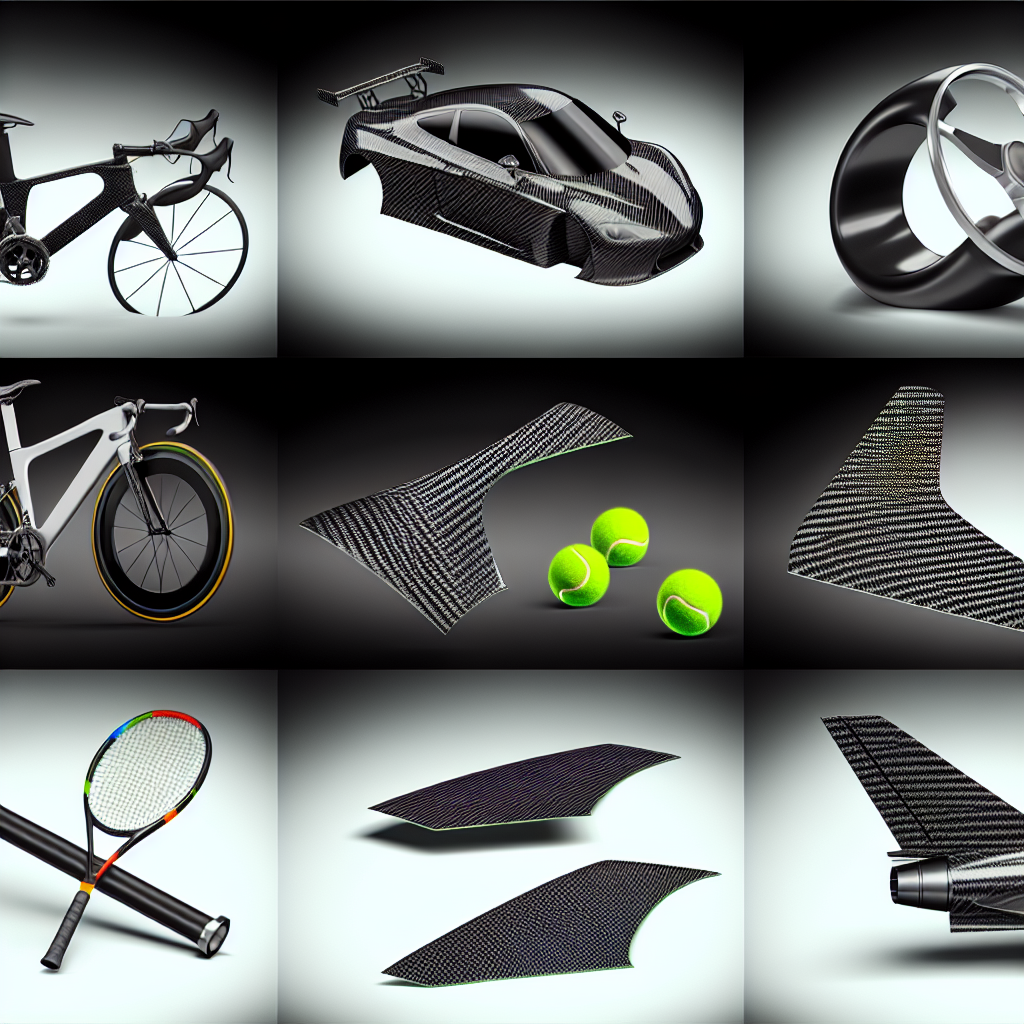
The automotive industry has witnessed a significant transformation in recent years, particularly with the integration of advanced materials that enhance performance and efficiency. Among these materials, 3k carbon fiber has emerged as a prominent choice due to its unique properties, including high strength-to-weight ratio, rigidity, and resistance to corrosion. These characteristics make it an ideal candidate for various applications within automotive performance enhancements, ultimately contributing to improved vehicle dynamics and overall driving experience.
One of the most notable applications of 3k carbon fiber in the automotive sector is in the production of lightweight components. By replacing traditional materials such as steel and aluminum with carbon fiber, manufacturers can significantly reduce the weight of vehicles. This reduction in weight leads to enhanced acceleration, improved fuel efficiency, and better handling. For instance, components such as hoods, roofs, and body panels made from 3k carbon fiber not only contribute to weight savings but also provide a sleek aesthetic that appeals to consumers. As a result, many high-performance vehicles now feature carbon fiber elements, showcasing the material’s dual benefits of functionality and style.
In addition to body components, 3k carbon fiber is increasingly utilized in the manufacturing of structural elements within vehicles. The inherent strength of carbon fiber allows for the design of components that can withstand high levels of stress while maintaining a lightweight profile. This is particularly advantageous in performance-oriented applications, where the structural integrity of parts such as chassis and suspension systems is critical. By incorporating 3k carbon fiber into these components, manufacturers can enhance the overall rigidity of the vehicle, leading to improved handling and stability during high-speed maneuvers.
Moreover, the use of 3k carbon fiber extends to the realm of performance upgrades, where aftermarket modifications are commonplace. Enthusiasts often seek to enhance their vehicles’ performance through the installation of carbon fiber parts, such as spoilers, diffusers, and air intakes. These components not only reduce weight but also improve aerodynamics, allowing for better airflow and increased downforce. The result is a vehicle that not only performs better on the track but also exhibits a more aggressive and sporty appearance, appealing to a wide range of automotive enthusiasts.
Furthermore, the durability and resistance to environmental factors offered by 3k carbon fiber make it an ideal choice for automotive applications. Unlike traditional materials that may corrode or degrade over time, carbon fiber maintains its structural integrity and appearance, even under harsh conditions. This longevity is particularly beneficial for performance vehicles that are often subjected to rigorous driving conditions. As a result, manufacturers and consumers alike recognize the value of investing in carbon fiber components, knowing that they will withstand the test of time while delivering superior performance.
In conclusion, the applications of 3k carbon fiber in automotive performance enhancements are vast and varied. From lightweight body components to structural elements and aftermarket modifications, the material’s unique properties contribute significantly to improved vehicle dynamics and efficiency. As the automotive industry continues to evolve, the integration of advanced materials like 3k carbon fiber will undoubtedly play a crucial role in shaping the future of performance vehicles, offering both manufacturers and consumers a pathway to enhanced driving experiences. The ongoing exploration of carbon fiber’s potential will likely lead to even more innovative applications, further solidifying its place as a cornerstone of modern automotive engineering.
Sports Equipment Manufacturing
The applications of 3K carbon fiber in sports equipment manufacturing have gained significant attention in recent years, primarily due to its unique properties that enhance performance and durability. Carbon fiber, known for its high strength-to-weight ratio, is particularly advantageous in the production of various sports gear, allowing athletes to achieve optimal performance without the burden of excessive weight. This lightweight characteristic is crucial in competitive sports, where every gram can impact speed and agility.
One of the most prominent applications of 3K carbon fiber is in the manufacturing of bicycles. High-end racing bikes often utilize carbon fiber frames, which provide the necessary stiffness for efficient power transfer while remaining lightweight. The 3K weave, consisting of 3,000 filaments, offers a balance between flexibility and rigidity, making it ideal for both road and mountain bikes. This material not only enhances the bike’s performance but also contributes to improved shock absorption, resulting in a smoother ride over rough terrain. Consequently, cyclists benefit from reduced fatigue and increased control, which can be pivotal during long races or challenging trails.
In addition to bicycles, 3K carbon fiber is increasingly used in the production of tennis rackets. The integration of carbon fiber into racket design allows manufacturers to create frames that are both strong and lightweight, enabling players to generate faster swing speeds. This enhanced maneuverability can lead to improved shot accuracy and power, giving athletes a competitive edge on the court. Furthermore, the vibration-dampening properties of carbon fiber help reduce the impact on players’ arms, minimizing the risk of injury and enhancing overall comfort during play.
Another area where 3K carbon fiber has made a significant impact is in the development of golf clubs. The use of carbon fiber in club shafts allows for a reduction in weight without compromising strength, which is essential for achieving optimal swing dynamics. Golfers can benefit from increased clubhead speed, leading to longer drives and improved overall performance. Additionally, the customization options available with carbon fiber enable manufacturers to tailor the flex and feel of the clubs to suit individual player preferences, further enhancing the golfing experience.
Moreover, the application of 3K carbon fiber extends to the realm of winter sports, particularly in the design of skis and snowboards. The lightweight nature of carbon fiber allows for the creation of equipment that is easier to maneuver while maintaining the necessary strength to withstand the rigors of high-speed descents. Skiers and snowboarders can enjoy improved control and responsiveness, which are critical for navigating challenging slopes. The durability of carbon fiber also ensures that equipment can endure harsh conditions, making it a preferred choice among serious winter sports enthusiasts.
In conclusion, the applications of 3K carbon fiber in sports equipment manufacturing are vast and varied, significantly enhancing the performance and safety of athletes across multiple disciplines. From bicycles to tennis rackets, golf clubs, and winter sports gear, the advantages of this advanced material are evident. As technology continues to evolve, it is likely that the use of 3K carbon fiber will expand further, leading to even more innovative designs and improved athletic performance. The ongoing integration of this material into sports equipment not only reflects advancements in manufacturing techniques but also underscores the importance of material science in the pursuit of excellence in sports.
Q&A
1. **Question:** What are the primary applications of 3K carbon fiber in the aerospace industry?
**Answer:** 3K carbon fiber is used in aerospace for manufacturing lightweight components such as aircraft wings, fuselage structures, and interior parts, enhancing fuel efficiency and performance.
2. **Question:** How is 3K carbon fiber utilized in the automotive sector?
**Answer:** In the automotive industry, 3K carbon fiber is employed to produce high-performance parts like body panels, chassis components, and interior elements, contributing to weight reduction and improved handling.
3. **Question:** What role does 3K carbon fiber play in sports equipment?
**Answer:** 3K carbon fiber is commonly used in sports equipment such as bicycles, tennis rackets, and fishing rods, providing strength, stiffness, and reduced weight for enhanced performance.