


-
Table of Contents
“Aramid Carbon Fiber: Unmatched Strength and Flexibility for Superior Performance.”
Introduction
Aramid carbon fiber, often recognized for its unique properties, stands apart from traditional carbon fibers due to its distinct chemical structure and performance characteristics. While standard carbon fibers are primarily composed of carbon atoms arranged in a crystalline structure, aramid fibers incorporate aromatic polyamide chains, which enhance their strength, durability, and resistance to heat and abrasion. This combination results in a material that not only offers high tensile strength but also exceptional impact resistance and flexibility. Additionally, aramid carbon fibers exhibit superior resistance to chemical degradation and environmental factors, making them ideal for specialized applications in aerospace, automotive, and protective gear industries. Understanding these differences is crucial for selecting the appropriate material for specific engineering and manufacturing needs.
Unique Properties of Aramid Carbon Fibre
Aramid carbon fibre, a composite material that combines the unique properties of aramid fibers with the strength and lightweight characteristics of carbon fibers, stands out in the realm of advanced materials. This distinctive combination results in a product that exhibits several unique properties, setting it apart from traditional carbon fibers. One of the most notable features of aramid carbon fibre is its exceptional tensile strength. While standard carbon fibers are renowned for their high strength-to-weight ratio, aramid fibers enhance this property further, providing additional resilience and durability. This makes aramid carbon fibre particularly suitable for applications where both strength and flexibility are paramount, such as in aerospace and automotive industries.
In addition to its impressive strength, aramid carbon fibre is also recognized for its superior impact resistance. Unlike conventional carbon fibers, which can be brittle and prone to shattering under high-stress conditions, aramid carbon fibre maintains its integrity even when subjected to sudden impacts. This characteristic is crucial in environments where materials are exposed to dynamic forces, as it ensures that the structural integrity of components remains intact. Consequently, aramid carbon fibre is often utilized in protective gear, such as bulletproof vests and helmets, where the ability to absorb and dissipate energy is essential for user safety.
Moreover, aramid carbon fibre exhibits excellent thermal stability, which is another property that differentiates it from other carbon fibers. While standard carbon fibers can degrade at elevated temperatures, aramid fibers are designed to withstand extreme heat without losing their mechanical properties. This thermal resilience makes aramid carbon fibre an ideal choice for applications in high-temperature environments, such as in the manufacturing of aerospace components and automotive parts that are exposed to significant heat during operation. The ability to maintain performance under such conditions is a critical advantage that enhances the reliability and longevity of products made from this composite material.
Furthermore, aramid carbon fibre is inherently resistant to chemical degradation. This property is particularly beneficial in industries where materials are frequently exposed to harsh chemicals or corrosive environments. Unlike traditional carbon fibers, which may suffer from chemical attack, aramid carbon fibre retains its structural integrity and performance characteristics, making it a preferred choice for applications in chemical processing and storage. This resistance to chemical degradation not only extends the lifespan of components but also reduces maintenance costs, providing a significant economic advantage.
In addition to these mechanical and thermal properties, aramid carbon fibre also offers a unique aesthetic appeal. The combination of aramid and carbon fibers results in a visually striking material that can be utilized in various design applications, from high-end consumer products to industrial components. The ability to customize the appearance of aramid carbon fibre through different weaving patterns and finishes allows designers to create products that are not only functional but also visually appealing.
In conclusion, the unique properties of aramid carbon fibre, including its exceptional tensile strength, impact resistance, thermal stability, chemical resistance, and aesthetic versatility, distinguish it from other carbon fibers. These characteristics make it an invaluable material in a wide range of applications, from protective gear to high-performance automotive and aerospace components. As industries continue to seek innovative solutions that combine strength, durability, and design flexibility, aramid carbon fibre is poised to play a pivotal role in the development of advanced materials for the future.
Applications of Aramid Carbon Fibre vs. Traditional Carbon Fibres
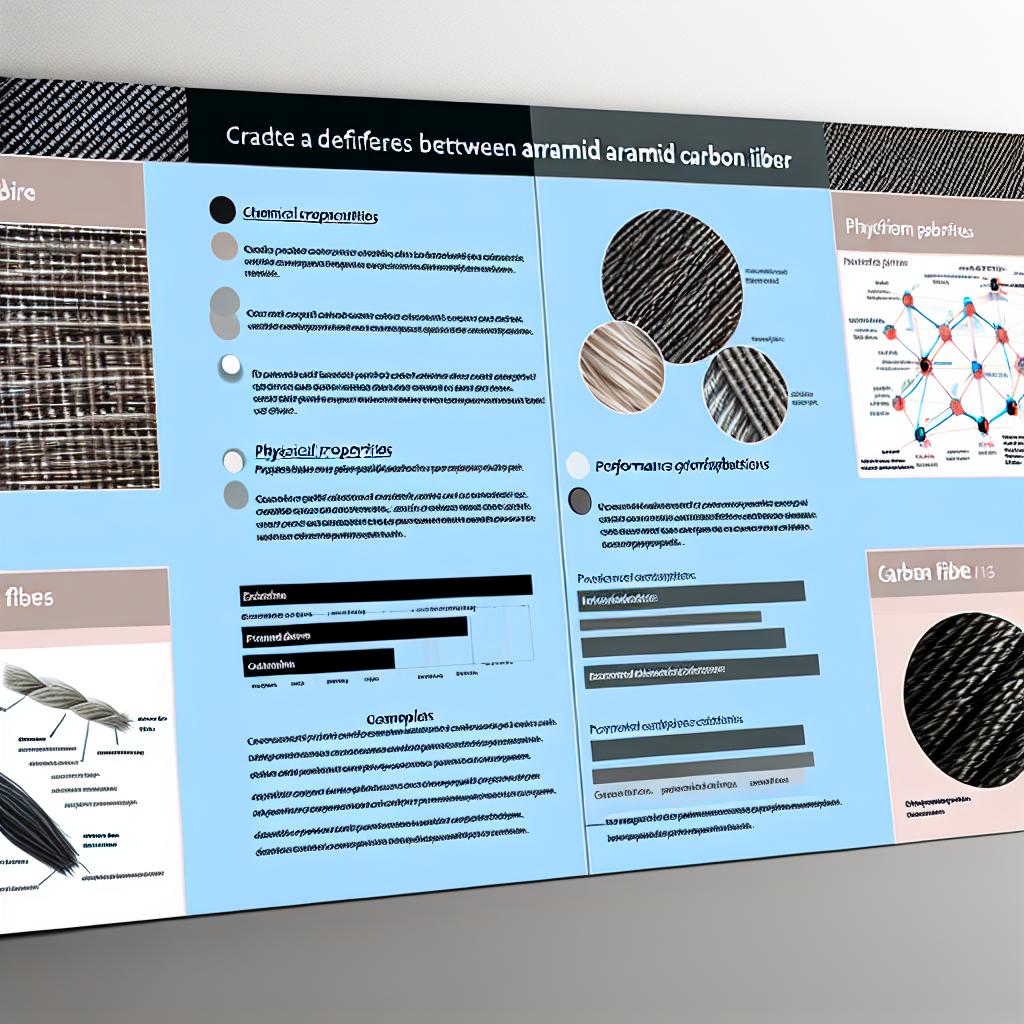
Aramid carbon fibre, a composite material that combines the unique properties of aramid fibres with traditional carbon fibres, has garnered significant attention in various industries due to its distinctive characteristics. While traditional carbon fibres are renowned for their high strength-to-weight ratio and rigidity, aramid carbon fibre introduces additional benefits that make it particularly suitable for specific applications. One of the most notable differences lies in its impact resistance and toughness. Traditional carbon fibres, while strong, can be brittle and prone to fracture under high-impact conditions. In contrast, aramid carbon fibre exhibits superior toughness, allowing it to absorb energy and withstand impacts without catastrophic failure. This property makes aramid carbon fibre an ideal choice for applications in the automotive and aerospace industries, where safety and durability are paramount.
Moreover, the chemical resistance of aramid carbon fibre further distinguishes it from its traditional counterparts. While carbon fibres can be susceptible to degradation when exposed to certain chemicals, aramid fibres are inherently resistant to a wide range of corrosive substances. This characteristic is particularly advantageous in environments where exposure to harsh chemicals is inevitable, such as in the manufacturing of chemical processing equipment or protective gear. Consequently, industries that require materials to endure extreme conditions often turn to aramid carbon fibre for its reliability and longevity.
In addition to its mechanical and chemical properties, aramid carbon fibre also offers enhanced thermal stability. Traditional carbon fibres can experience performance degradation at elevated temperatures, limiting their use in high-heat applications. Conversely, aramid carbon fibre maintains its structural integrity even under extreme thermal conditions, making it suitable for applications in aerospace components, where materials are frequently subjected to high temperatures during flight. This thermal resilience not only extends the lifespan of components but also contributes to overall safety in critical applications.
Furthermore, the unique combination of aramid and carbon fibres allows for greater design flexibility. The ability to tailor the properties of aramid carbon fibre composites enables engineers and designers to create lightweight structures without compromising strength or durability. This adaptability is particularly beneficial in industries such as sports equipment manufacturing, where performance and weight are crucial factors. For instance, aramid carbon fibre is increasingly used in high-performance bicycles and sporting goods, where the need for lightweight yet robust materials is essential for optimal performance.
Additionally, the acoustic properties of aramid carbon fibre present another advantage over traditional carbon fibres. The inherent damping characteristics of aramid fibres help to reduce vibrations and noise, making them suitable for applications in automotive interiors and other environments where sound reduction is desirable. This acoustic advantage not only enhances user comfort but also contributes to the overall quality of the end product.
In conclusion, the applications of aramid carbon fibre significantly differ from those of traditional carbon fibres due to its unique properties, including enhanced toughness, chemical resistance, thermal stability, design flexibility, and acoustic performance. As industries continue to seek materials that can meet the demands of modern engineering challenges, aramid carbon fibre stands out as a versatile and reliable option. Its ability to combine the strengths of both aramid and carbon fibres positions it as a material of choice in a variety of high-performance applications, paving the way for innovations across multiple sectors. As research and development in this field progress, the potential for aramid carbon fibre to revolutionize material science remains promising.
Performance Comparison: Aramid Carbon Fibre and Other Carbon Fibres
Aramid carbon fibre, a composite material that combines the unique properties of aramid fibres with carbon fibres, has garnered attention for its distinct performance characteristics when compared to traditional carbon fibres. To understand what sets aramid carbon fibre apart, it is essential to delve into its mechanical properties, durability, and applications, which collectively highlight its advantages and limitations in various contexts.
One of the most notable differences between aramid carbon fibre and conventional carbon fibres lies in their tensile strength and flexibility. While traditional carbon fibres are renowned for their high tensile strength and rigidity, aramid carbon fibres exhibit a remarkable balance between strength and flexibility. This unique combination allows aramid carbon fibre to absorb energy more effectively, making it less prone to catastrophic failure under stress. Consequently, this property is particularly advantageous in applications where impact resistance is critical, such as in aerospace and automotive industries. In contrast, traditional carbon fibres, while exceptionally strong, can be more brittle, leading to sudden failure when subjected to extreme conditions.
Moreover, the thermal stability of aramid carbon fibre further distinguishes it from other carbon fibres. Aramid fibres are known for their ability to withstand high temperatures without significant degradation, which is a crucial factor in environments where thermal resistance is paramount. This characteristic makes aramid carbon fibre an ideal choice for applications in high-heat environments, such as in the manufacturing of protective gear and components for aerospace vehicles. On the other hand, while carbon fibres can also endure elevated temperatures, they may not perform as well as aramid fibres in prolonged exposure scenarios, which can limit their use in certain high-performance applications.
In addition to mechanical properties, the chemical resistance of aramid carbon fibre is another area where it excels compared to traditional carbon fibres. Aramid fibres are inherently resistant to a wide range of chemicals, including acids and solvents, which enhances their durability in harsh environments. This chemical resilience makes aramid carbon fibre suitable for applications in the chemical processing industry, where exposure to corrosive substances is common. Conversely, traditional carbon fibres may require additional protective coatings to achieve similar levels of chemical resistance, which can add to the overall cost and complexity of the material.
Furthermore, the weight-to-strength ratio of aramid carbon fibre is another aspect that merits attention. While both aramid and traditional carbon fibres are lightweight, aramid carbon fibre’s ability to maintain strength while being lightweight makes it particularly appealing for applications where weight savings are crucial, such as in the production of lightweight vehicles and sporting equipment. This advantage is especially relevant in industries striving for improved fuel efficiency and performance, where every gram counts.
However, it is essential to acknowledge that aramid carbon fibre is not without its drawbacks. For instance, the manufacturing process of aramid carbon fibre can be more complex and costly compared to traditional carbon fibres, which may limit its widespread adoption in certain markets. Additionally, while aramid carbon fibre offers superior impact resistance, it may not achieve the same level of stiffness as some high-modulus carbon fibres, which could be a consideration in applications requiring maximum rigidity.
In conclusion, aramid carbon fibre stands out from traditional carbon fibres due to its unique combination of flexibility, thermal stability, chemical resistance, and weight-to-strength ratio. These properties make it particularly suitable for specific applications where performance under stress, exposure to harsh environments, and weight considerations are paramount. As industries continue to evolve and demand materials that can meet increasingly stringent performance criteria, aramid carbon fibre is poised to play a significant role in the development of advanced composite materials.
Q&A
1. **What is the primary difference in composition between aramid carbon fiber and other carbon fibers?**
Aramid carbon fiber is made from aromatic polyamide fibers, which provide enhanced toughness and impact resistance, while traditional carbon fibers are primarily composed of carbon atoms arranged in a crystalline structure.
2. **How does the mechanical performance of aramid carbon fiber compare to other carbon fibers?**
Aramid carbon fiber typically exhibits superior tensile strength and flexibility, making it more resistant to breakage under stress compared to standard carbon fibers, which are generally stiffer and more brittle.
3. **What applications benefit from the unique properties of aramid carbon fiber?**
Aramid carbon fiber is particularly advantageous in applications requiring high impact resistance and durability, such as in aerospace, military, and protective gear, where traditional carbon fibers may not provide sufficient toughness.