


-
Table of Contents
“Blue Carbon Fiber: A Premium Choice for Style and Performance.”
Introduction
Blue carbon fiber is often perceived as more expensive than regular carbon fiber due to several factors, including the dyeing process, production techniques, and market demand. The unique aesthetic appeal of blue carbon fiber can drive up its price, as manufacturers may use specialized methods to achieve the desired color without compromising the material’s structural integrity. Additionally, the limited availability of certain colored fibers can contribute to higher costs. Understanding these factors is essential for consumers and manufacturers when considering the use of blue carbon fiber in various applications.
Cost Comparison: Blue Carbon Fiber vs. Regular Carbon Fiber
When considering the cost comparison between blue carbon fiber and regular carbon fiber, it is essential to understand the factors that contribute to the pricing of these materials. Carbon fiber, known for its high strength-to-weight ratio and rigidity, has become a popular choice in various industries, including aerospace, automotive, and sporting goods. Regular carbon fiber is typically produced through a well-established manufacturing process that has been refined over the years, resulting in a relatively stable price point. However, the introduction of blue carbon fiber, which incorporates a dye or pigment to achieve its distinctive color, raises questions about its cost implications.
The primary reason blue carbon fiber may be more expensive than regular carbon fiber lies in the additional processing required to achieve the desired hue. The dyeing process can involve extra steps, such as the application of color during the resin infusion or the use of specialized pigments that can withstand the high temperatures associated with curing. These additional steps not only increase production time but also require more sophisticated equipment and materials, which can drive up costs. Furthermore, the consistency and quality of the color must be maintained throughout the production process, adding another layer of complexity that can influence pricing.
Moreover, the demand for blue carbon fiber can also impact its cost. As industries and consumers increasingly seek unique aesthetics in their products, the appeal of colored carbon fiber has grown. This rising demand can lead to higher prices, particularly if the supply of blue carbon fiber does not keep pace with consumer interest. In contrast, regular carbon fiber benefits from a more established market with a broader supply chain, which helps to stabilize its pricing. Consequently, while both materials share similar base properties, the market dynamics surrounding blue carbon fiber can result in a higher price point.
In addition to production costs and market demand, the application of blue carbon fiber can also influence its overall expense. For instance, products that utilize blue carbon fiber may be positioned as premium offerings, targeting consumers who are willing to pay more for aesthetic appeal and exclusivity. This marketing strategy can further elevate the perceived value of blue carbon fiber, leading to higher retail prices compared to standard carbon fiber products. As a result, consumers may find that they are not only paying for the material itself but also for the branding and design associated with blue carbon fiber.
It is also worth noting that the performance characteristics of blue carbon fiber do not differ significantly from those of regular carbon fiber. Both materials exhibit similar mechanical properties, such as tensile strength and stiffness. Therefore, when evaluating the cost, it is crucial to consider whether the aesthetic benefits of blue carbon fiber justify the additional expense for a particular application. For some consumers, the visual appeal and uniqueness of blue carbon fiber may warrant the higher price, while others may prioritize performance and opt for regular carbon fiber.
In conclusion, while blue carbon fiber is generally more expensive than regular carbon fiber due to additional processing, market demand, and branding strategies, the decision to invest in one over the other ultimately depends on individual preferences and specific application requirements. As the market for carbon fiber continues to evolve, understanding these nuances will be essential for consumers and manufacturers alike.
Factors Influencing the Price of Blue Carbon Fiber
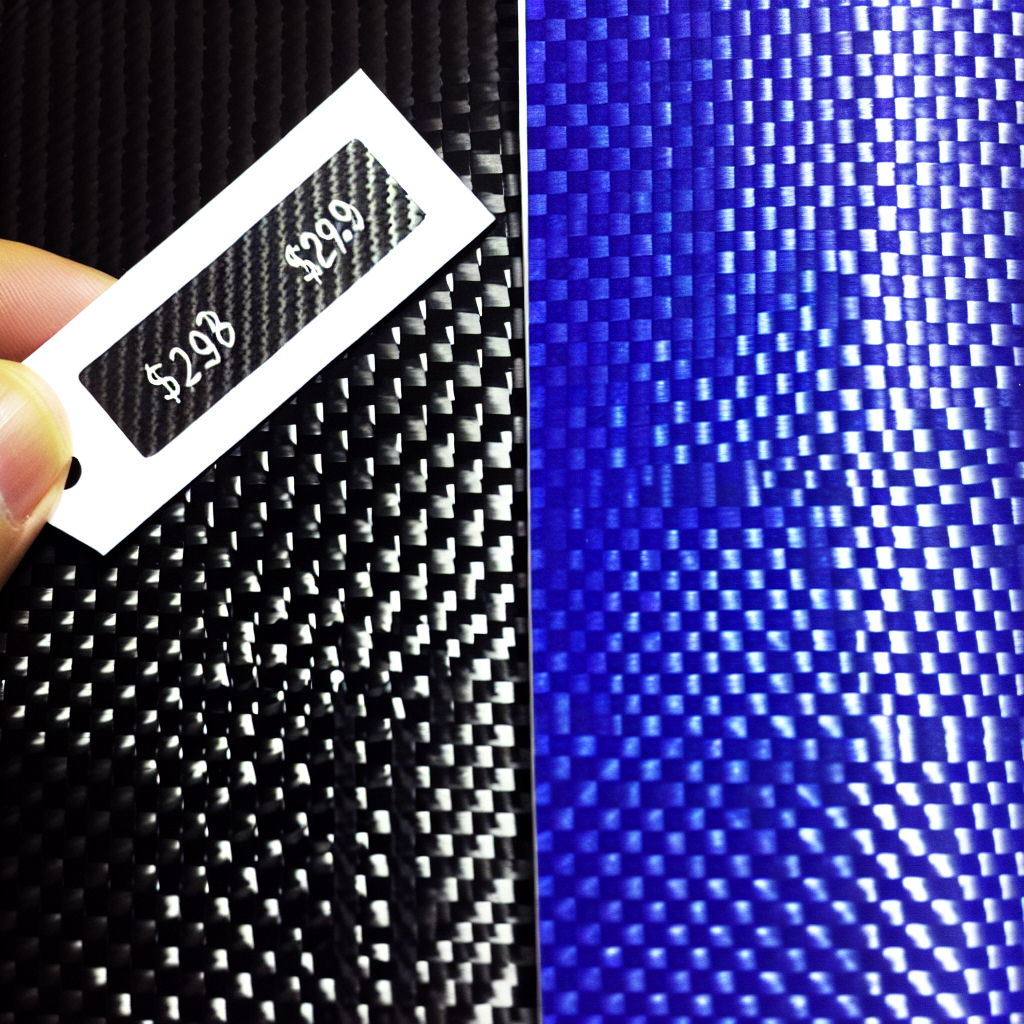
The price of blue carbon fiber compared to regular carbon fiber is influenced by several key factors that merit careful consideration. To begin with, the production process of blue carbon fiber is inherently more complex than that of standard carbon fiber. This complexity arises from the need to incorporate specific dyes or pigments during the manufacturing phase, which can increase both the time and resources required for production. As a result, manufacturers often face higher costs associated with sourcing these specialized materials, which can subsequently be reflected in the final price of the product.
In addition to the production process, the demand for blue carbon fiber plays a significant role in determining its price. As blue carbon fiber gains popularity in various industries, including automotive, aerospace, and consumer goods, the increased demand can lead to higher prices. This phenomenon is particularly evident in niche markets where unique colors and aesthetics are highly sought after. Consequently, manufacturers may capitalize on this demand by pricing blue carbon fiber at a premium compared to its regular counterpart, which is more widely available and produced in larger quantities.
Moreover, the application of blue carbon fiber can also influence its pricing structure. For instance, products that utilize blue carbon fiber in high-performance applications, such as racing cars or high-end sporting equipment, may command a higher price due to the perceived value associated with enhanced aesthetics and performance. In contrast, regular carbon fiber is often used in more utilitarian applications where cost-effectiveness is prioritized over visual appeal. This distinction in application can create a significant disparity in pricing between the two types of carbon fiber.
Another factor to consider is the market competition among manufacturers. The presence of multiple suppliers can lead to price fluctuations based on competition and market dynamics. If several companies begin to produce blue carbon fiber, the increased competition may drive prices down, making it more accessible to consumers. Conversely, if only a few manufacturers dominate the market, they may maintain higher prices due to limited availability. This competitive landscape is crucial in shaping the overall pricing strategy for blue carbon fiber.
Furthermore, the geographical location of production facilities can also impact pricing. Regions with higher labor costs or stricter environmental regulations may see increased production costs, which can be passed on to consumers. Conversely, manufacturers located in areas with lower operational costs may be able to offer blue carbon fiber at more competitive prices. This geographical factor underscores the importance of understanding the broader economic context in which these materials are produced.
Lastly, the technological advancements in the production of carbon fiber materials can also influence pricing. Innovations that streamline the manufacturing process or improve the quality of the final product can lead to cost reductions over time. As technology continues to evolve, it is possible that the price gap between blue carbon fiber and regular carbon fiber may narrow, making blue carbon fiber more accessible to a wider audience.
In conclusion, the price of blue carbon fiber compared to regular carbon fiber is shaped by a multitude of factors, including production complexity, demand, application, market competition, geographical influences, and technological advancements. Understanding these elements provides valuable insight into the pricing dynamics of these materials, allowing consumers and manufacturers alike to make informed decisions in a rapidly evolving market.
Applications and Market Demand for Blue Carbon Fiber
The applications and market demand for blue carbon fiber have garnered significant attention in recent years, particularly as industries seek innovative materials that combine aesthetic appeal with high performance. Blue carbon fiber, characterized by its distinctive color and unique properties, is increasingly being utilized in various sectors, including automotive, aerospace, and consumer electronics. This growing interest can be attributed to both the material’s functional advantages and its visual appeal, which can enhance product differentiation in competitive markets.
In the automotive industry, for instance, manufacturers are continually exploring ways to reduce weight while maintaining structural integrity. Blue carbon fiber offers a compelling solution, as it retains the lightweight characteristics of traditional carbon fiber while providing an eye-catching finish that can attract consumers. This is particularly relevant in high-performance vehicles, where aesthetics play a crucial role in consumer choice. As a result, the demand for blue carbon fiber in automotive applications is on the rise, driven by both performance requirements and the desire for visually striking designs.
Similarly, the aerospace sector has recognized the potential of blue carbon fiber. The aviation industry is under constant pressure to improve fuel efficiency and reduce emissions, making lightweight materials essential. Blue carbon fiber not only meets these criteria but also allows for innovative design possibilities. Aircraft manufacturers are increasingly incorporating this material into components where weight savings can lead to significant operational cost reductions. The unique color of blue carbon fiber also serves a dual purpose, as it can be used to signify premium models or special editions, further enhancing its market appeal.
In the realm of consumer electronics, blue carbon fiber is making inroads as well. High-end gadgets and devices often seek to differentiate themselves through unique materials and finishes. The use of blue carbon fiber in products such as smartphones, laptops, and accessories not only provides a modern aesthetic but also contributes to durability and strength. As consumers become more discerning about the materials used in their devices, the demand for blue carbon fiber is likely to grow, particularly among brands that prioritize both style and substance.
Moreover, the market demand for blue carbon fiber is influenced by broader trends in sustainability and eco-friendliness. As industries increasingly focus on reducing their environmental impact, the production processes and sourcing of materials have come under scrutiny. Blue carbon fiber, often produced using sustainable practices, can appeal to environmentally conscious consumers and businesses alike. This alignment with sustainability goals can enhance its marketability, making it a preferred choice for companies looking to bolster their green credentials.
In conclusion, the applications and market demand for blue carbon fiber are expanding across various industries, driven by its unique properties and aesthetic advantages. As automotive, aerospace, and consumer electronics sectors continue to innovate, the appeal of blue carbon fiber is likely to grow, reflecting a broader trend towards materials that combine performance with visual impact. This increasing demand may also influence pricing dynamics, as manufacturers seek to capitalize on the material’s distinctive qualities. Ultimately, the future of blue carbon fiber appears promising, with its potential to redefine standards in design and functionality across multiple applications.
Q&A
1. **Question:** Is blue carbon fiber generally more expensive than regular carbon fiber?
**Answer:** Yes, blue carbon fiber is typically more expensive due to the additional dyeing process and the specialized materials used.
2. **Question:** What factors contribute to the higher cost of blue carbon fiber?
**Answer:** The higher cost is mainly due to the manufacturing process, the quality of the dye, and the limited availability compared to standard carbon fiber.
3. **Question:** Are there performance differences between blue carbon fiber and regular carbon fiber?
**Answer:** No, the performance characteristics are generally the same; the difference lies primarily in aesthetics and cost.