


-
Table of Contents
“Carbon Fiber Twill: Superior Strength Meets Flexibility Over Plain Weave.”
Introduction
Carbon fiber is a popular material known for its high strength-to-weight ratio and versatility in various applications, including aerospace, automotive, and sporting goods. Among the different weave patterns of carbon fiber, twill and plain weave are two of the most common. Twill weave features a diagonal pattern that allows for greater flexibility and drapability, while plain weave consists of a simple over-and-under pattern that provides a more rigid structure. This introduction explores the comparative strength of carbon fiber twill versus plain weave, examining how their structural differences influence their mechanical properties and suitability for specific applications.
Carbon Fiber Twill vs. Plain Weave: Strength Comparison
When comparing carbon fiber twill and plain weave, one of the most critical aspects to consider is their strength characteristics. Both weave types are widely used in various applications, from aerospace to automotive industries, due to their exceptional strength-to-weight ratios. However, the structural integrity and performance of these materials can differ significantly based on their weave patterns.
To begin with, the fundamental difference between twill and plain weave lies in their construction. Plain weave consists of a simple over-and-under pattern, where each fiber alternates between being over and under the adjacent fibers. This straightforward design provides a uniform surface and is relatively easy to manufacture. However, while plain weave offers good strength and stability, it can be somewhat rigid, which may limit its ability to absorb impact forces effectively. In contrast, twill weave employs a more complex pattern, where fibers are woven over two or more threads before going under one. This results in a diagonal ribbing effect, which not only enhances the aesthetic appeal but also contributes to improved flexibility and drapability.
The strength of carbon fiber materials is often measured in terms of tensile strength, which refers to the maximum amount of tensile (pulling) stress that a material can withstand before failure. In this regard, twill weave carbon fiber generally exhibits superior tensile strength compared to its plain weave counterpart. The reason for this enhanced strength lies in the way the fibers are arranged. The diagonal pattern of twill weave allows for better load distribution across the fibers, reducing the likelihood of localized stress concentrations that can lead to failure. Consequently, twill weave is often preferred in applications where high strength and flexibility are paramount, such as in high-performance sports equipment and advanced automotive components.
Moreover, the impact resistance of carbon fiber materials is another crucial factor to consider. Twill weave carbon fiber tends to perform better under impact conditions due to its ability to flex and absorb energy without fracturing. This characteristic is particularly beneficial in environments where sudden forces may be encountered, such as in motorsports or aerospace applications. On the other hand, while plain weave carbon fiber can still provide adequate impact resistance, its rigidity may make it more susceptible to cracking under extreme conditions.
In addition to strength and impact resistance, the manufacturing process and cost also play significant roles in the choice between twill and plain weave carbon fiber. Twill weave is generally more complex to produce, which can lead to higher costs. However, the enhanced performance characteristics often justify the investment, especially in high-stakes applications where failure is not an option. Conversely, plain weave carbon fiber, being simpler to manufacture, may be more cost-effective for applications where extreme performance is not as critical.
In conclusion, while both carbon fiber twill and plain weave have their respective advantages, twill weave generally offers superior strength and flexibility, making it a preferred choice for high-performance applications. The choice between the two ultimately depends on the specific requirements of the application, including factors such as load-bearing capacity, impact resistance, and budget constraints. Understanding these differences is essential for engineers and designers seeking to optimize material selection for their projects.
Applications of Twill and Plain Weave Carbon Fiber in Industry
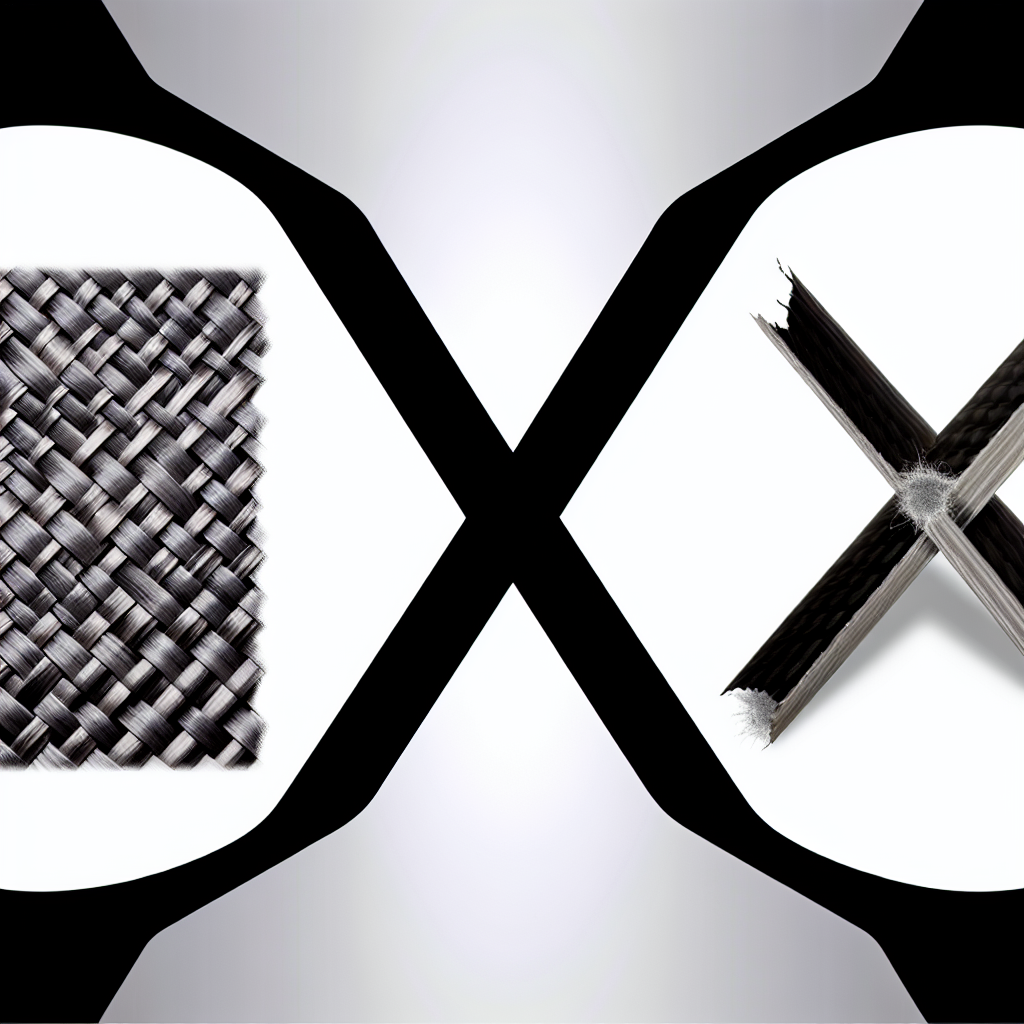
Carbon fiber, a material renowned for its exceptional strength-to-weight ratio, has found extensive applications across various industries. Among the different weaves of carbon fiber, twill and plain weave are two of the most commonly utilized. Each weave offers distinct characteristics that make them suitable for specific applications, thereby influencing their performance in real-world scenarios. Understanding the applications of twill and plain weave carbon fiber is essential for industries seeking to leverage the unique properties of this advanced material.
Twill weave carbon fiber is characterized by its diagonal pattern, which not only enhances its aesthetic appeal but also contributes to its mechanical properties. This weave allows for greater flexibility and drapability, making it particularly advantageous in applications where complex shapes and contours are required. For instance, the automotive industry has increasingly adopted twill weave carbon fiber for components such as body panels and interior trim. The ability of twill to conform to intricate designs without compromising structural integrity makes it a preferred choice for manufacturers aiming to reduce weight while maintaining performance and safety standards.
In contrast, plain weave carbon fiber features a simpler over-and-under pattern that provides a more rigid structure. This rigidity is beneficial in applications where dimensional stability is paramount. The aerospace sector, for example, often employs plain weave carbon fiber in the construction of aircraft components, such as wing structures and fuselage sections. The inherent strength and stability of plain weave carbon fiber ensure that these critical components can withstand the extreme conditions encountered during flight, including high pressures and temperatures. Consequently, the choice between twill and plain weave in aerospace applications often hinges on the specific performance requirements of the component being manufactured.
Moreover, the sporting goods industry has also seen a significant impact from both types of carbon fiber weaves. Twill weave carbon fiber is frequently used in high-performance bicycles, where its lightweight and flexible nature allows for enhanced aerodynamics and rider comfort. Cyclists benefit from the ability of twill to absorb vibrations, leading to a smoother ride. On the other hand, plain weave carbon fiber is commonly found in the production of rigid sporting equipment, such as tennis rackets and golf clubs. The strength and stiffness of plain weave carbon fiber provide the necessary support for high-impact activities, ensuring that the equipment can withstand the rigors of competitive sports.
In addition to these industries, the construction sector has begun to explore the potential of both twill and plain weave carbon fiber for reinforcing structures. Twill weave carbon fiber is often utilized in applications requiring flexibility, such as in the reinforcement of curved surfaces or in the repair of existing structures. Conversely, plain weave carbon fiber is favored for applications demanding high tensile strength, such as in the reinforcement of concrete beams and columns. The choice of weave ultimately depends on the specific requirements of the project, including load-bearing capacity and environmental conditions.
In conclusion, the applications of twill and plain weave carbon fiber in various industries highlight the versatility and adaptability of this advanced material. While twill weave offers flexibility and aesthetic appeal, plain weave provides rigidity and stability. Understanding the strengths and weaknesses of each weave allows industries to make informed decisions, ensuring that they select the most appropriate carbon fiber for their specific needs. As technology continues to advance, the potential for innovative applications of both twill and plain weave carbon fiber will undoubtedly expand, further solidifying its role as a critical material in modern engineering and design.
Factors Influencing the Strength of Carbon Fiber Weaves
When evaluating the strength of carbon fiber weaves, it is essential to consider various factors that influence their performance characteristics. Among the most prominent weaves are twill and plain weave, each exhibiting unique properties that affect their overall strength and application suitability. The fundamental structure of these weaves plays a crucial role in determining their mechanical properties, including tensile strength, stiffness, and resistance to impact.
To begin with, the arrangement of the fibers in each weave type significantly impacts their strength. In a plain weave, the fibers are interlaced in a simple over-and-under pattern, which provides a balanced distribution of forces across the fabric. This configuration allows for a uniform load distribution, making plain weave carbon fiber particularly effective in applications where strength is required in multiple directions. However, this uniformity can also lead to limitations in flexibility and drapability, which are critical in certain applications, such as complex shapes in aerospace or automotive components.
Conversely, twill weave carbon fiber features a more intricate pattern, typically characterized by a diagonal ribbing effect. This design not only enhances the fabric’s flexibility but also improves its ability to conform to complex geometries. The diagonal arrangement of fibers in twill weave allows for better energy absorption and distribution under stress, which can lead to superior impact resistance. As a result, twill weave carbon fiber is often favored in high-performance applications where both strength and flexibility are paramount.
In addition to the weave pattern, the type of resin used in conjunction with the carbon fibers also plays a significant role in determining the overall strength of the composite material. The resin acts as a binding agent, holding the fibers together and transferring loads between them. Different resins possess varying mechanical properties, and their compatibility with the carbon fibers can significantly influence the final strength of the composite. For instance, epoxy resins are commonly used due to their excellent adhesion and mechanical performance, which can enhance the strength of both plain and twill weaves.
Moreover, the fiber orientation within the weave is another critical factor that affects strength. In applications where unidirectional strength is required, carbon fibers can be aligned in a single direction, maximizing tensile strength along that axis. However, when comparing twill and plain weaves, the multidirectional capabilities of twill can provide advantages in applications where loads are not consistently applied in one direction. This multidirectional strength can be particularly beneficial in structures that experience complex loading conditions, such as those found in automotive and aerospace engineering.
Furthermore, the thickness and density of the carbon fiber layers also contribute to the overall strength of the composite. Thicker layers can provide greater strength but may also add weight, which is a critical consideration in performance-sensitive applications. Therefore, engineers must carefully balance these factors to achieve the desired performance characteristics.
In conclusion, while both carbon fiber twill and plain weave have their strengths and weaknesses, the choice between them ultimately depends on the specific requirements of the application. Factors such as weave pattern, resin type, fiber orientation, and layer thickness all play integral roles in determining the strength and performance of carbon fiber composites. By understanding these influences, engineers and designers can make informed decisions that optimize the use of carbon fiber materials in various industries.
Q&A
1. **Question:** Is carbon fiber twill stronger than plain weave carbon fiber?
**Answer:** Yes, carbon fiber twill is generally considered stronger than plain weave carbon fiber due to its better fiber alignment and increased flexibility.
2. **Question:** What are the advantages of carbon fiber twill over plain weave?
**Answer:** Carbon fiber twill offers improved impact resistance, better draping capabilities, and enhanced strength-to-weight ratio compared to plain weave.
3. **Question:** In what applications is carbon fiber twill preferred over plain weave?
**Answer:** Carbon fiber twill is often preferred in applications requiring high strength and flexibility, such as aerospace components, automotive parts, and sporting goods.