


-
Table of Contents
“Unleash Innovation: Discover the Power of 3K Carbon Fiber Glass Hybrids!”
Introduction
3K carbon fiber glass hybrids represent a cutting-edge advancement in composite materials, combining the lightweight strength of carbon fiber with the durability and flexibility of fiberglass. This innovative material is increasingly popular in various industries, including automotive, aerospace, and sports equipment, due to its superior performance characteristics. In this comprehensive guide, we will explore the properties, benefits, applications, and manufacturing processes of 3K carbon fiber glass hybrids, providing you with everything you need to know to understand their significance and potential in modern engineering and design.
Benefits of 3K Carbon Fiber Glass Hybrids
3K carbon fiber glass hybrids represent a significant advancement in material technology, combining the unique properties of carbon fiber and fiberglass to create a composite that offers numerous benefits across various applications. One of the primary advantages of these hybrids is their exceptional strength-to-weight ratio. Carbon fiber is renowned for its lightweight nature while maintaining impressive tensile strength, and when combined with fiberglass, the resulting material exhibits enhanced durability without significantly increasing weight. This characteristic makes 3K carbon fiber glass hybrids particularly appealing in industries such as aerospace, automotive, and sporting goods, where performance and efficiency are paramount.
Moreover, the incorporation of fiberglass into the composite enhances impact resistance. While carbon fiber is strong, it can be brittle under certain conditions. Fiberglass, on the other hand, provides flexibility and toughness, allowing the hybrid material to absorb shocks and resist damage from impacts. This synergy between the two materials results in a composite that not only withstands stress but also endures the rigors of everyday use, making it ideal for applications that require both resilience and reliability.
In addition to mechanical properties, 3K carbon fiber glass hybrids also offer improved thermal stability. Carbon fiber has a high thermal conductivity, which can be advantageous in applications where heat dissipation is critical. When combined with fiberglass, the hybrid material can maintain structural integrity under varying temperature conditions, making it suitable for environments that experience thermal fluctuations. This thermal stability is particularly beneficial in automotive and aerospace applications, where components are often subjected to extreme temperatures.
Another noteworthy benefit of these hybrids is their versatility in manufacturing processes. The combination of carbon fiber and fiberglass allows for various fabrication techniques, including molding, weaving, and layering. This adaptability enables manufacturers to tailor the material properties to specific requirements, whether it be for lightweight structures or components that require enhanced flexibility. Consequently, designers and engineers can innovate and create products that meet precise performance criteria while optimizing production efficiency.
Furthermore, the aesthetic appeal of 3K carbon fiber glass hybrids cannot be overlooked. The distinctive weave pattern of carbon fiber, combined with the smooth finish of fiberglass, results in a visually striking material that is often sought after in high-end consumer products. This aesthetic quality has led to its popularity in the fashion and luxury markets, where the appearance of a product can significantly influence consumer choice. As a result, manufacturers are increasingly incorporating these hybrids into their designs to attract discerning customers who value both performance and style.
Additionally, the environmental impact of 3K carbon fiber glass hybrids is an important consideration. While traditional carbon fiber production can be resource-intensive, advancements in manufacturing processes are making it more sustainable. The combination with fiberglass, which is often produced from recycled materials, further enhances the eco-friendliness of the composite. As industries move towards more sustainable practices, the adoption of 3K carbon fiber glass hybrids aligns with the growing demand for environmentally responsible materials.
In conclusion, the benefits of 3K carbon fiber glass hybrids are multifaceted, encompassing superior strength, impact resistance, thermal stability, manufacturing versatility, aesthetic appeal, and environmental sustainability. As technology continues to evolve, these hybrids are poised to play an increasingly vital role in various sectors, driving innovation and enhancing product performance. The integration of these advanced materials not only meets the demands of modern engineering but also paves the way for future developments in composite technology.
Applications of 3K Carbon Fiber Glass Hybrids
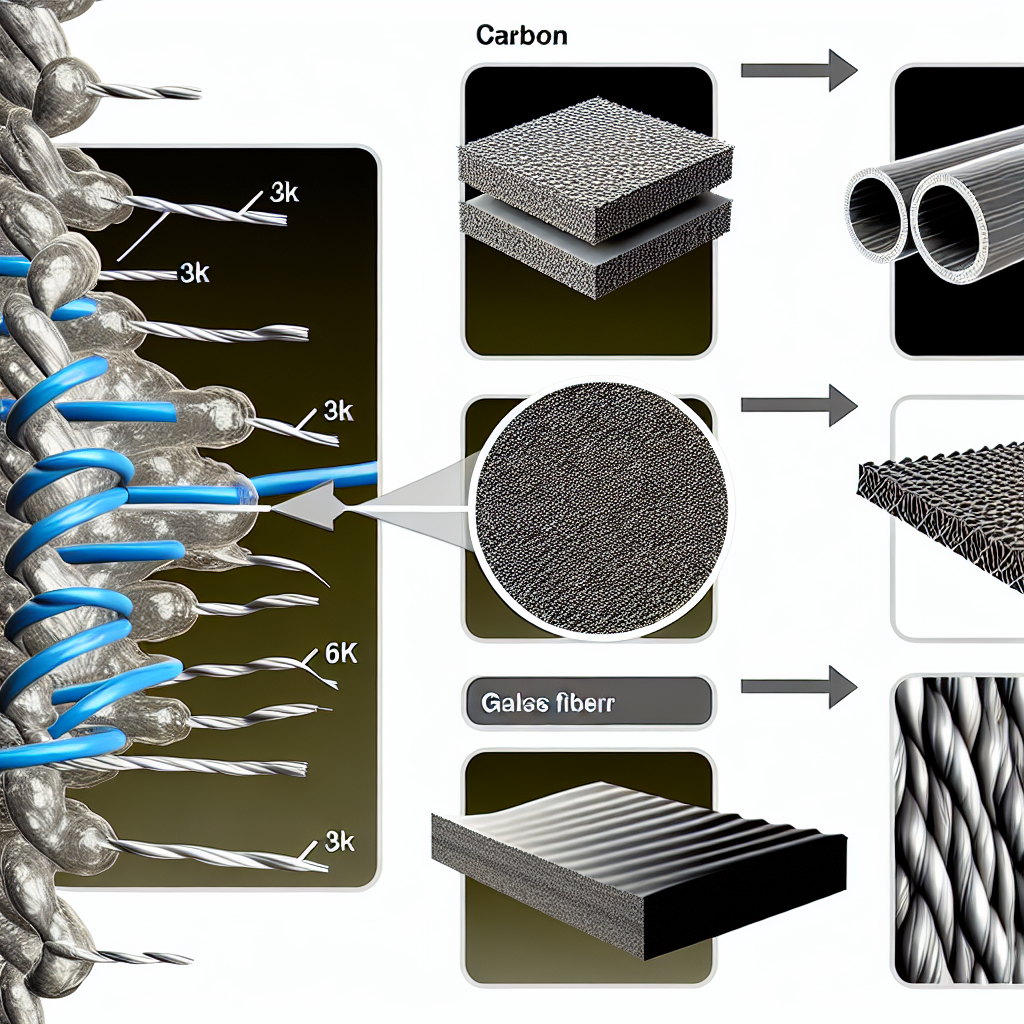
3K carbon fiber glass hybrids have emerged as a significant innovation in various industries, combining the lightweight and high-strength properties of carbon fiber with the durability and cost-effectiveness of fiberglass. This unique composite material has found applications across a wide range of fields, including aerospace, automotive, sports equipment, and construction, each benefiting from the distinct advantages that these hybrids offer.
In the aerospace sector, the demand for materials that can withstand extreme conditions while minimizing weight is paramount. 3K carbon fiber glass hybrids are increasingly being utilized in the manufacturing of aircraft components, such as wing structures and fuselage sections. The combination of carbon fiber’s high tensile strength and fiberglass’s resilience allows for the creation of parts that not only enhance fuel efficiency but also improve overall performance. As the aerospace industry continues to prioritize sustainability, these hybrids present an attractive solution by reducing the overall weight of aircraft, thereby lowering fuel consumption and emissions.
Similarly, in the automotive industry, the push for lighter and more fuel-efficient vehicles has led to the adoption of 3K carbon fiber glass hybrids in various components, including body panels, chassis, and interior elements. The integration of these materials allows manufacturers to produce vehicles that are not only lighter but also possess enhanced structural integrity. This is particularly important in the context of electric vehicles, where weight reduction directly correlates with improved battery efficiency and range. Furthermore, the aesthetic appeal of carbon fiber, combined with the versatility of fiberglass, enables automotive designers to create visually striking and functional components that meet consumer demands for both performance and style.
In the realm of sports equipment, 3K carbon fiber glass hybrids have revolutionized the design and functionality of various products. For instance, in the production of bicycles, the use of these hybrids results in frames that are both lightweight and robust, providing athletes with the competitive edge they seek. Additionally, sports gear such as tennis rackets, golf clubs, and fishing rods benefit from the enhanced performance characteristics of these materials. The ability to absorb shock while maintaining stiffness allows for improved energy transfer, ultimately leading to better performance in competitive scenarios.
Moreover, the construction industry has also recognized the potential of 3K carbon fiber glass hybrids. These materials are increasingly being used in reinforcement applications, such as in the repair and strengthening of concrete structures. The combination of carbon fiber’s high strength-to-weight ratio and fiberglass’s resistance to environmental degradation makes these hybrids ideal for enhancing the longevity and durability of buildings and infrastructure. As urbanization continues to rise, the need for sustainable and resilient construction materials becomes ever more critical, positioning 3K carbon fiber glass hybrids as a viable solution.
In addition to these established applications, ongoing research and development are likely to uncover new uses for 3K carbon fiber glass hybrids. As technology advances and manufacturing processes become more refined, the potential for these materials to penetrate additional markets is vast. Industries such as marine engineering, where lightweight and corrosion-resistant materials are essential, may soon see an influx of hybrid applications.
In conclusion, the versatility and performance characteristics of 3K carbon fiber glass hybrids make them an invaluable asset across multiple sectors. Their ability to combine the strengths of both carbon fiber and fiberglass not only enhances product performance but also aligns with the growing emphasis on sustainability and efficiency in modern manufacturing. As industries continue to evolve, the role of these hybrids is poised to expand, paving the way for innovative solutions that meet the demands of the future.
Comparison of 3K Carbon Fiber Glass Hybrids with Other Materials
In recent years, the demand for advanced materials in various industries has led to the development of innovative composites, among which 3K carbon fiber glass hybrids have gained significant attention. These hybrids combine the lightweight and high-strength properties of carbon fiber with the durability and cost-effectiveness of fiberglass, creating a versatile material that is increasingly being utilized in applications ranging from aerospace to automotive and sporting goods. To fully appreciate the advantages of 3K carbon fiber glass hybrids, it is essential to compare them with other materials commonly used in similar applications.
When juxtaposed with traditional fiberglass, 3K carbon fiber glass hybrids exhibit superior mechanical properties. While fiberglass is known for its resilience and resistance to corrosion, it lacks the stiffness and tensile strength that carbon fiber provides. The incorporation of carbon fiber into the hybrid structure enhances its overall performance, making it not only lighter but also significantly stronger. This combination allows for the design of components that can withstand greater loads and stresses, which is particularly beneficial in high-performance applications where weight reduction is critical.
Moreover, when compared to pure carbon fiber, 3K carbon fiber glass hybrids present a more cost-effective solution. Pure carbon fiber, while offering exceptional strength-to-weight ratios, is often prohibitively expensive for many applications. The addition of fiberglass in the hybrid formulation reduces production costs while still maintaining a favorable strength-to-weight ratio. This economic advantage makes 3K carbon fiber glass hybrids an attractive option for manufacturers looking to balance performance with budget constraints.
In addition to cost and mechanical properties, the processing characteristics of 3K carbon fiber glass hybrids also set them apart from other materials. The hybrid structure can be molded and shaped using various techniques, including resin transfer molding and vacuum infusion, which are compatible with both carbon fiber and fiberglass. This versatility in processing allows for the creation of complex geometries that are often challenging to achieve with traditional materials. Furthermore, the ease of handling and fabrication associated with these hybrids can lead to reduced production times, enhancing overall efficiency in manufacturing processes.
Another important aspect to consider is the environmental impact of these materials. While both carbon fiber and fiberglass have their own environmental concerns, the hybrid approach can potentially mitigate some of these issues. For instance, the use of recycled fiberglass in the hybrid formulation can contribute to sustainability efforts, reducing waste and promoting a circular economy. Additionally, the lightweight nature of 3K carbon fiber glass hybrids can lead to improved fuel efficiency in transportation applications, further decreasing their carbon footprint.
Transitioning to the realm of performance, 3K carbon fiber glass hybrids also excel in terms of impact resistance. While pure carbon fiber can be brittle and prone to cracking under sudden impacts, the inclusion of fiberglass enhances the toughness of the hybrid material. This characteristic is particularly advantageous in applications where durability is paramount, such as in protective gear or automotive components that may be subjected to harsh conditions.
In conclusion, the comparison of 3K carbon fiber glass hybrids with other materials reveals a compelling case for their adoption across various industries. Their unique combination of strength, cost-effectiveness, processing versatility, and environmental benefits positions them as a superior alternative to traditional fiberglass and pure carbon fiber. As industries continue to seek innovative solutions that meet both performance and economic demands, 3K carbon fiber glass hybrids are poised to play a pivotal role in the future of material science.
Q&A
1. **What are 3K carbon fiber glass hybrids?**
3K carbon fiber glass hybrids are composite materials that combine 3K carbon fiber with glass fiber, offering a balance of strength, weight, and cost-effectiveness for various applications.
2. **What are the advantages of using 3K carbon fiber glass hybrids?**
The advantages include improved tensile strength, reduced weight compared to traditional materials, enhanced durability, and better impact resistance, making them suitable for automotive, aerospace, and sporting goods industries.
3. **What are the common applications of 3K carbon fiber glass hybrids?**
Common applications include manufacturing of lightweight automotive parts, sporting equipment like bicycles and surfboards, and components in aerospace engineering where a combination of strength and weight savings is critical.