


-
Table of Contents
“3D Carbon Fiber Fabric: Redefining Strength and Innovation in Aerospace and Marine Design.”
Introduction
3D Carbon Fiber Fabric is at the forefront of innovation in aerospace and marine design, offering unparalleled strength-to-weight ratios and flexibility in applications. This advanced material, characterized by its three-dimensional structure, enhances the mechanical properties of traditional carbon fiber, allowing for more complex shapes and improved performance. In the aerospace industry, 3D carbon fiber fabric contributes to lighter, more fuel-efficient aircraft, while in marine design, it enables the creation of faster, more durable vessels. As manufacturers increasingly adopt this cutting-edge material, the potential for enhanced efficiency, reduced costs, and improved safety in both sectors is becoming a reality, marking a significant shift in engineering practices and design philosophies.
Innovative Applications of 3D Carbon Fiber Fabric in Aerospace Engineering
The advent of 3D carbon fiber fabric has ushered in a new era in aerospace engineering, characterized by enhanced performance, reduced weight, and improved design flexibility. This innovative material, known for its exceptional strength-to-weight ratio, is increasingly being utilized in various aerospace applications, fundamentally transforming the way aircraft and spacecraft are designed and manufactured. As engineers and designers explore the potential of 3D carbon fiber fabric, they are discovering its unique properties that allow for the creation of complex geometries and structures that were previously unattainable with traditional materials.
One of the most significant advantages of 3D carbon fiber fabric is its ability to be molded into intricate shapes, which is particularly beneficial in the aerospace sector where aerodynamics play a crucial role. The fabric can be layered and shaped to create components that minimize drag and optimize airflow, thereby enhancing overall fuel efficiency. For instance, the use of 3D carbon fiber in wing designs allows for the integration of features that improve lift and reduce turbulence, ultimately leading to more efficient flight profiles. This capability not only contributes to better performance but also aligns with the industry’s increasing focus on sustainability and reducing carbon emissions.
Moreover, the lightweight nature of 3D carbon fiber fabric is a game-changer in aerospace engineering. Traditional materials, such as aluminum and steel, while strong, add significant weight to aircraft, which can adversely affect fuel consumption and operational costs. In contrast, 3D carbon fiber fabric provides a lightweight alternative that does not compromise on strength or durability. This reduction in weight is particularly advantageous for commercial airlines, as it translates to lower fuel costs and increased payload capacity. Consequently, manufacturers are increasingly incorporating this material into various components, including fuselage sections, interior structures, and even engine components, thereby enhancing the overall efficiency of the aircraft.
In addition to its structural benefits, 3D carbon fiber fabric also offers significant advantages in terms of manufacturing processes. The ability to produce complex shapes through advanced techniques such as 3D weaving and additive manufacturing allows for a reduction in the number of parts required in an assembly. This simplification not only streamlines production but also minimizes the potential for errors during assembly, leading to improved reliability and safety. Furthermore, the integration of 3D carbon fiber fabric into the manufacturing process can reduce lead times, enabling faster development cycles and quicker responses to market demands.
As the aerospace industry continues to evolve, the innovative applications of 3D carbon fiber fabric are becoming increasingly prominent. From enhancing the performance of commercial aircraft to enabling the development of next-generation spacecraft, this material is at the forefront of technological advancements. Engineers are now exploring its potential in areas such as unmanned aerial vehicles (UAVs) and space exploration vehicles, where weight savings and structural integrity are paramount. The versatility of 3D carbon fiber fabric allows for customization tailored to specific mission requirements, further expanding its applicability across various aerospace domains.
In conclusion, the integration of 3D carbon fiber fabric into aerospace engineering represents a significant leap forward in material science and design innovation. Its unique properties not only enhance performance and efficiency but also streamline manufacturing processes, making it an invaluable asset in the quest for more advanced and sustainable aerospace solutions. As research and development in this field continue to progress, it is clear that 3D carbon fiber fabric will play a pivotal role in shaping the future of aerospace design and engineering.
The Impact of 3D Carbon Fiber Fabric on Marine Vessel Performance
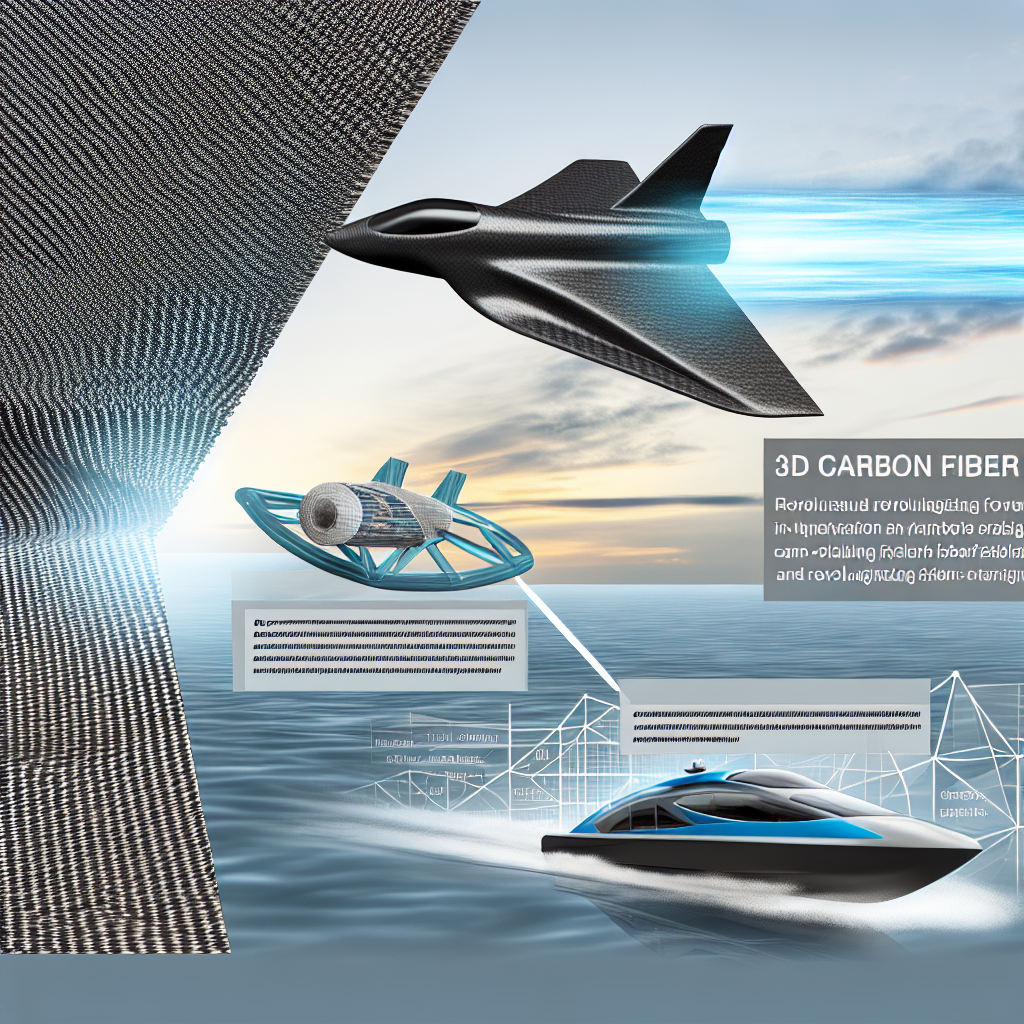
The advent of 3D carbon fiber fabric has significantly transformed the landscape of marine vessel performance, offering a multitude of advantages that enhance both efficiency and durability. As the marine industry increasingly seeks innovative materials to improve vessel design, 3D carbon fiber fabric stands out due to its unique structural properties and lightweight characteristics. This advanced material not only contributes to the overall performance of marine vessels but also plays a crucial role in optimizing fuel efficiency and reducing operational costs.
One of the most notable impacts of 3D carbon fiber fabric on marine vessel performance is its exceptional strength-to-weight ratio. Traditional materials, such as steel and aluminum, while robust, often add considerable weight to vessels, which can hinder speed and maneuverability. In contrast, 3D carbon fiber fabric is significantly lighter, allowing for the construction of vessels that are both strong and agile. This reduction in weight translates to improved acceleration and handling, enabling vessels to achieve higher speeds with less energy consumption. Consequently, operators can benefit from reduced fuel costs and lower emissions, aligning with the industry’s growing emphasis on sustainability.
Moreover, the unique three-dimensional structure of carbon fiber fabric enhances its ability to withstand harsh marine environments. The fabric’s design allows for improved resistance to fatigue and impact, which is particularly important in the marine sector where vessels are frequently subjected to challenging conditions, including rough seas and extreme weather. This durability not only extends the lifespan of the vessels but also minimizes maintenance requirements, further contributing to cost savings for operators. As a result, the integration of 3D carbon fiber fabric into marine vessel construction is increasingly viewed as a strategic investment that pays dividends over time.
In addition to its mechanical advantages, 3D carbon fiber fabric also offers significant design flexibility. The material can be molded into complex shapes and structures, enabling designers to create innovative hull forms that optimize hydrodynamics. This capability allows for the development of vessels that are not only aesthetically pleasing but also functionally superior. By reducing drag and enhancing water flow, these advanced designs can lead to improved fuel efficiency and overall performance. As designers continue to explore the potential of 3D carbon fiber fabric, the possibilities for innovation in marine vessel design appear virtually limitless.
Furthermore, the use of 3D carbon fiber fabric is not confined to high-performance racing yachts or luxury vessels; it is increasingly being adopted in commercial shipping and recreational boating as well. The versatility of this material makes it suitable for a wide range of applications, from small pleasure crafts to large cargo ships. As the marine industry continues to evolve, the demand for lightweight, durable, and efficient materials will only grow, positioning 3D carbon fiber fabric as a cornerstone of future vessel design.
In conclusion, the impact of 3D carbon fiber fabric on marine vessel performance is profound and multifaceted. By providing a lightweight yet strong alternative to traditional materials, enhancing durability, and offering design flexibility, this innovative fabric is revolutionizing the way vessels are constructed and operated. As the marine industry embraces these advancements, the benefits of 3D carbon fiber fabric will undoubtedly continue to shape the future of marine design, leading to more efficient, sustainable, and high-performing vessels. The ongoing exploration of this material’s potential promises to unlock new horizons in marine engineering, ultimately benefiting both operators and the environment alike.
Future Trends: 3D Carbon Fiber Fabric in Aerospace and Marine Design
As industries continue to evolve, the integration of advanced materials into design and manufacturing processes is becoming increasingly significant. One such material that is making waves in both aerospace and marine design is 3D carbon fiber fabric. This innovative material is not only lightweight and strong but also offers unique properties that are transforming the way engineers and designers approach their projects. As we look to the future, it is essential to explore the trends that are shaping the use of 3D carbon fiber fabric in these critical sectors.
One of the most notable trends is the growing emphasis on sustainability. As environmental concerns become more pressing, the aerospace and marine industries are under increasing pressure to reduce their carbon footprints. 3D carbon fiber fabric, with its potential for recycling and reduced material waste during production, aligns perfectly with these sustainability goals. Manufacturers are beginning to explore ways to incorporate recycled carbon fibers into their designs, thereby minimizing the environmental impact while maintaining the high performance that these industries demand. This shift not only addresses ecological concerns but also appeals to a market that is increasingly conscious of sustainability.
In addition to sustainability, the trend towards customization and flexibility in design is gaining momentum. The unique properties of 3D carbon fiber fabric allow for intricate designs that were previously unattainable with traditional materials. This capability is particularly beneficial in aerospace applications, where weight reduction is critical for fuel efficiency and performance. Engineers can now create complex geometries that optimize aerodynamics while ensuring structural integrity. Similarly, in marine design, the ability to mold 3D carbon fiber into various shapes enables the development of vessels that are not only aesthetically pleasing but also functionally superior. As designers continue to push the boundaries of what is possible, we can expect to see increasingly innovative applications of this material.
Moreover, advancements in manufacturing technologies are playing a pivotal role in the future of 3D carbon fiber fabric. Techniques such as additive manufacturing and automated fiber placement are streamlining production processes, making it easier and more cost-effective to produce complex components. These technologies not only enhance precision but also reduce lead times, allowing for quicker iterations and faster time-to-market. As these manufacturing methods become more refined, the adoption of 3D carbon fiber fabric is likely to accelerate, further embedding it into the fabric of aerospace and marine design.
Another trend worth noting is the collaboration between industries and research institutions. As the potential of 3D carbon fiber fabric becomes more apparent, partnerships are forming to explore its applications in new and innovative ways. Research initiatives are focusing on enhancing the material’s properties, such as improving its resistance to environmental factors or increasing its load-bearing capabilities. These collaborative efforts are essential for driving innovation and ensuring that the material meets the evolving demands of both aerospace and marine sectors.
In conclusion, the future of 3D carbon fiber fabric in aerospace and marine design is bright, characterized by a commitment to sustainability, customization, advanced manufacturing techniques, and collaborative research. As these trends continue to develop, we can anticipate a significant transformation in how these industries approach design and production. The integration of 3D carbon fiber fabric not only promises enhanced performance and efficiency but also paves the way for a more sustainable and innovative future in aerospace and marine applications. As we move forward, the potential of this remarkable material will undoubtedly continue to unfold, shaping the next generation of design and engineering solutions.
Q&A
1. **What are the key benefits of using 3D carbon fiber fabric in aerospace design?**
3D carbon fiber fabric offers high strength-to-weight ratio, improved structural integrity, and enhanced durability, which contribute to increased fuel efficiency and performance in aerospace applications.
2. **How does 3D carbon fiber fabric enhance marine design?**
In marine design, 3D carbon fiber fabric provides superior resistance to corrosion and impact, leading to lighter and more resilient hulls, which improve speed and fuel efficiency while reducing maintenance costs.
3. **What manufacturing techniques are used for 3D carbon fiber fabric?**
Techniques such as 3D weaving and additive manufacturing are employed to create complex geometries and tailored properties in 3D carbon fiber fabric, allowing for innovative designs that meet specific performance requirements in both aerospace and marine industries.