


-
Table of Contents
“Unyielding Strength, Unmatched Protection: Anti-Corrosion Tow Preg Carbon Fiber for Sailing Masts.”
Introduction
Anti-Corrosion Tow Preg Carbon Fiber is an advanced material specifically designed for the construction of sailing boat masts, offering exceptional strength and durability while combating the detrimental effects of corrosion. This innovative composite combines the lightweight properties of carbon fiber with a specialized anti-corrosive treatment, ensuring that masts can withstand harsh marine environments. The use of Tow Preg technology allows for precise fiber alignment and optimal resin distribution, resulting in enhanced performance and longevity. As sailing enthusiasts seek to improve their vessels’ efficiency and resilience, Anti-Corrosion Tow Preg Carbon Fiber emerges as a superior choice for modern mast construction, providing both structural integrity and protection against the elements.
Benefits of Anti-Corrosion Tow Preg Carbon Fiber for Sailing Boat Masts
The use of anti-corrosion tow preg carbon fiber in the construction of sailing boat masts presents a significant advancement in marine engineering, offering a multitude of benefits that enhance both performance and longevity. One of the primary advantages of this innovative material is its exceptional strength-to-weight ratio. Unlike traditional materials such as aluminum or steel, carbon fiber is remarkably lightweight, which allows for the construction of masts that are not only easier to handle but also contribute to improved sailing efficiency. The reduced weight of the mast translates into a lower center of gravity, enhancing the stability of the vessel and allowing for better maneuverability in various wind conditions.
In addition to its lightweight properties, anti-corrosion tow preg carbon fiber exhibits remarkable resistance to environmental factors that typically degrade traditional mast materials. Sailing boats are often exposed to harsh marine environments, including saltwater, UV radiation, and extreme weather conditions. These factors can lead to corrosion and deterioration over time, compromising the structural integrity of the mast. However, the anti-corrosion properties of tow preg carbon fiber ensure that it remains resilient against such challenges, significantly extending the lifespan of the mast and reducing maintenance costs for boat owners. This durability not only enhances the overall safety of the vessel but also provides peace of mind for sailors who rely on their equipment to perform optimally.
Moreover, the manufacturing process of tow preg carbon fiber allows for greater design flexibility compared to conventional materials. This flexibility enables engineers and designers to create masts with complex geometries that can be tailored to specific sailing requirements. As a result, boat builders can optimize the mast design for various sailing conditions, enhancing performance characteristics such as speed and responsiveness. The ability to customize the mast design also means that sailors can achieve a more personalized sailing experience, aligning the vessel’s capabilities with their individual preferences and sailing styles.
Furthermore, the integration of anti-corrosion tow preg carbon fiber into mast construction contributes to a more sustainable approach to sailing. As environmental concerns continue to grow, the marine industry is increasingly seeking materials that minimize ecological impact. Carbon fiber, particularly when produced using advanced manufacturing techniques, can be more environmentally friendly than traditional materials. Additionally, the longevity of carbon fiber masts reduces the frequency of replacements, thereby decreasing waste and resource consumption over time.
Transitioning from performance and durability to aesthetic appeal, anti-corrosion tow preg carbon fiber also offers a sleek and modern appearance that many sailors find attractive. The smooth finish and customizable colors of carbon fiber masts can enhance the overall aesthetic of a sailing vessel, making it not only a functional component but also a visually appealing one. This aspect is particularly important for competitive sailors and yacht owners who wish to showcase their vessels in regattas or social events.
In conclusion, the benefits of anti-corrosion tow preg carbon fiber for sailing boat masts are multifaceted, encompassing enhanced performance, durability, design flexibility, sustainability, and aesthetic appeal. As the marine industry continues to evolve, the adoption of advanced materials like carbon fiber will likely play a crucial role in shaping the future of sailing, providing sailors with innovative solutions that meet their needs while addressing environmental concerns. Ultimately, the integration of this cutting-edge material into mast construction represents a significant leap forward in the pursuit of excellence in sailing technology.
Comparing Traditional Materials to Anti-Corrosion Tow Preg Carbon Fiber
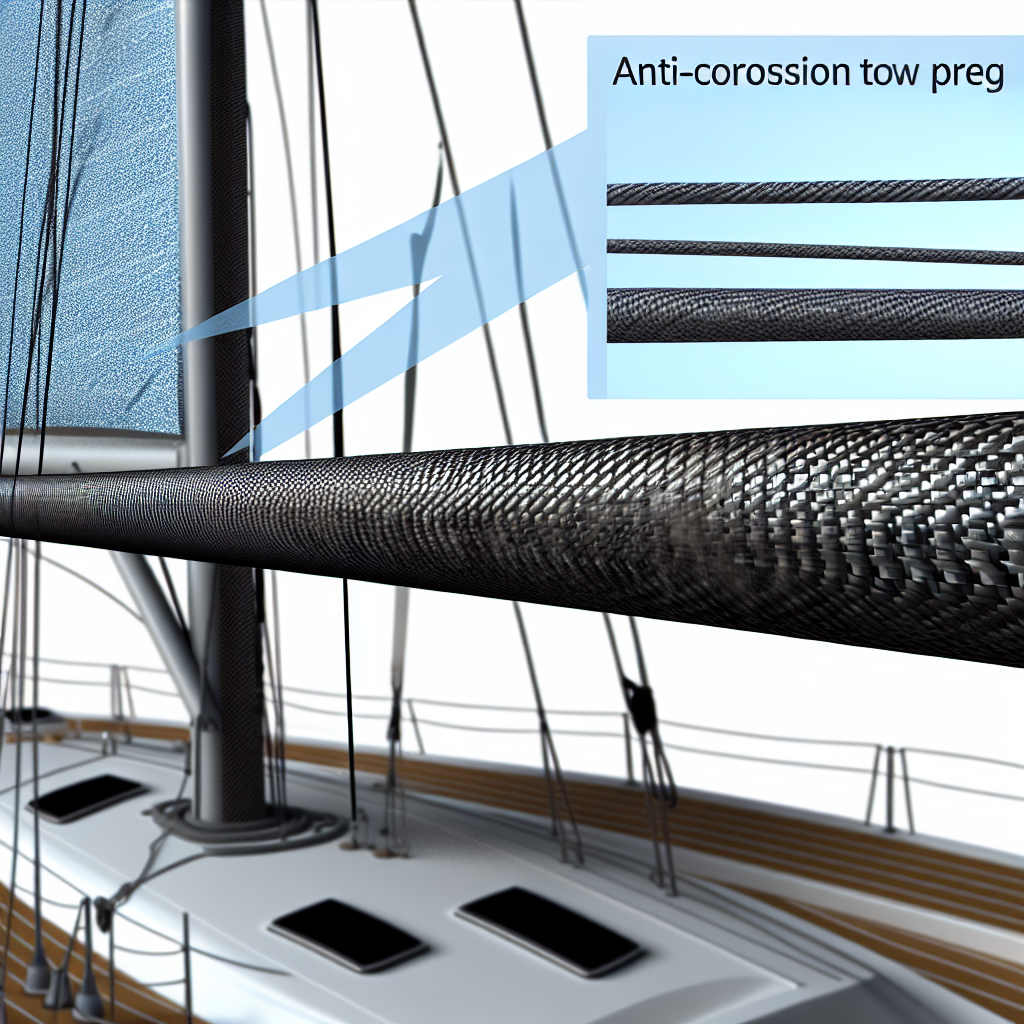
In the realm of sailing, the choice of materials for boat masts is critical, as they must withstand the rigors of the marine environment while providing the necessary strength and durability. Traditionally, materials such as aluminum and wood have dominated this space, each with its own set of advantages and disadvantages. However, the advent of anti-corrosion tow preg carbon fiber has introduced a new paradigm, offering significant benefits that warrant careful consideration.
To begin with, aluminum masts have long been favored for their lightweight properties and relative affordability. They are easy to work with and can be produced in various shapes and sizes, making them a versatile choice for many boat builders. However, aluminum is not without its drawbacks. Over time, exposure to saltwater can lead to corrosion, which compromises the structural integrity of the mast. This deterioration not only affects performance but also necessitates regular maintenance and potential replacement, leading to increased long-term costs.
In contrast, wood has been a traditional choice for masts due to its aesthetic appeal and natural strength. Wooden masts can provide a classic look that many sailors appreciate, and they can be quite strong when properly maintained. Nevertheless, wood is susceptible to rot and insect damage, particularly in a marine environment. This vulnerability requires diligent upkeep, including regular varnishing and inspections, which can be labor-intensive and costly. Furthermore, the weight of wooden masts can be a disadvantage, particularly in competitive sailing where every ounce counts.
As we transition to the discussion of anti-corrosion tow preg carbon fiber, it becomes evident that this material addresses many of the shortcomings associated with both aluminum and wood. Carbon fiber is renowned for its exceptional strength-to-weight ratio, allowing for the construction of masts that are not only lighter but also stronger than their traditional counterparts. This characteristic is particularly advantageous in sailing, where reduced weight can enhance speed and maneuverability. Moreover, the rigidity of carbon fiber contributes to improved performance, as it minimizes flexing under load, ensuring that the sail maintains optimal shape.
Another significant advantage of anti-corrosion tow preg carbon fiber is its inherent resistance to environmental factors. Unlike aluminum, carbon fiber does not corrode when exposed to saltwater, which means that masts made from this material can maintain their structural integrity over time without the need for extensive maintenance. This durability translates into lower long-term costs, as sailors can spend less time and money on repairs and replacements. Additionally, the resistance to rot and insect damage that plagues wooden masts is another area where carbon fiber excels, providing peace of mind for boat owners.
Furthermore, the manufacturing process of tow preg carbon fiber allows for greater design flexibility. This innovation enables builders to create masts that are tailored to specific performance requirements, optimizing the sailing experience. The ability to customize the properties of the material, such as stiffness and weight distribution, opens up new possibilities for sailboat design, enhancing both performance and aesthetics.
In conclusion, while traditional materials like aluminum and wood have served the sailing community well, the emergence of anti-corrosion tow preg carbon fiber presents a compelling alternative. With its superior strength-to-weight ratio, resistance to environmental degradation, and design flexibility, carbon fiber masts are poised to redefine the standards of performance and durability in sailing. As sailors continue to seek advancements in technology and materials, the transition to carbon fiber may very well become the norm, ushering in a new era of sailing excellence.
Maintenance Tips for Sailing Boat Masts Made from Anti-Corrosion Tow Preg Carbon Fiber
Maintaining sailing boat masts constructed from anti-corrosion tow preg carbon fiber is essential for ensuring their longevity and performance. This advanced material, known for its lightweight and high-strength properties, offers significant advantages over traditional materials. However, like any component of a sailing vessel, proper care and maintenance are crucial to maximize its benefits and prevent potential issues.
To begin with, regular inspections are vital. Sailors should conduct thorough visual checks of the mast at least once a season, looking for any signs of wear, damage, or delamination. While carbon fiber is resistant to corrosion, it is not immune to other forms of damage, such as impact from rigging or environmental factors. During these inspections, it is important to pay close attention to the areas where the mast connects with other components, as these joints can be prone to stress and fatigue. If any irregularities are detected, it is advisable to consult a professional for further evaluation and potential repairs.
In addition to visual inspections, cleaning the mast is an essential part of maintenance. Saltwater, dirt, and grime can accumulate on the surface, potentially leading to degradation over time. To clean the mast effectively, sailors should use a mild soap solution and a soft cloth or sponge. It is crucial to avoid abrasive materials that could scratch the surface of the carbon fiber. After cleaning, rinsing with fresh water will help remove any residual soap and salt, ensuring that the mast remains in optimal condition.
Furthermore, protecting the mast from UV exposure is another critical aspect of maintenance. While anti-corrosion tow preg carbon fiber is designed to withstand various environmental conditions, prolonged exposure to ultraviolet rays can weaken the material over time. To mitigate this risk, applying a UV protective coating can be beneficial. This coating not only enhances the mast’s durability but also helps maintain its aesthetic appeal. Sailors should reapply this protective layer as recommended by the manufacturer to ensure continued effectiveness.
Another important consideration is the rigging associated with the mast. Proper tensioning of the rigging is essential for maintaining the structural integrity of the mast. Over-tightening can lead to unnecessary stress, while under-tightening can result in instability. Regularly checking the tension and adjusting as necessary will help ensure that the mast remains secure and performs optimally during sailing. Additionally, inspecting the rigging for signs of wear or corrosion is crucial, as damaged rigging can compromise the entire mast structure.
Lastly, storing the boat properly during the off-season can significantly impact the longevity of the mast. When not in use, it is advisable to store the boat in a sheltered location, away from harsh weather conditions. If possible, covering the mast with a protective tarp can further shield it from the elements. This practice not only protects the mast but also helps maintain the overall condition of the boat.
In conclusion, maintaining sailing boat masts made from anti-corrosion tow preg carbon fiber requires a combination of regular inspections, cleaning, UV protection, rigging adjustments, and proper storage. By adhering to these maintenance tips, sailors can ensure that their masts remain in excellent condition, allowing for safe and enjoyable sailing experiences for years to come.
Q&A
1. **What is Anti-Corrosion Tow Preg Carbon Fiber?**
Anti-Corrosion Tow Preg Carbon Fiber is a specialized composite material designed for use in sailing boat masts, providing enhanced resistance to corrosion and environmental degradation while maintaining high strength-to-weight ratios.
2. **What are the benefits of using Anti-Corrosion Tow Preg Carbon Fiber in sailing boat masts?**
The benefits include reduced weight, increased durability, improved resistance to saltwater and UV exposure, and enhanced performance due to lower drag and better stiffness compared to traditional materials.
3. **How does Anti-Corrosion Tow Preg Carbon Fiber compare to traditional materials like aluminum or steel?**
Compared to aluminum or steel, Anti-Corrosion Tow Preg Carbon Fiber offers superior corrosion resistance, lower weight, and greater stiffness, leading to improved sailing performance and reduced maintenance requirements.