


-
Table of Contents
“Elevate Your Composites: Unleashing the Power of 24K Surface Flaky & Stabilized Chopped Carbon Fiber.”
Introduction
Understanding 24K Surface Flaky & Stabilized Chopped Carbon Fiber involves exploring the unique properties and applications of this advanced material. 24K surface flaky carbon fiber is characterized by its high purity and exceptional strength-to-weight ratio, making it ideal for various high-performance applications. Stabilized chopped carbon fiber, on the other hand, offers enhanced durability and resistance to environmental factors, ensuring longevity in demanding conditions. Together, these materials provide innovative solutions in industries such as aerospace, automotive, and sports equipment, where lightweight and robust components are essential. This introduction delves into the composition, benefits, and potential uses of 24K surface flaky and stabilized chopped carbon fiber, highlighting its significance in modern engineering and design.
Properties Of 24K Surface Flaky Carbon Fiber
The properties of 24K surface flaky carbon fiber are integral to its application in various advanced engineering and manufacturing processes. This specialized form of carbon fiber is characterized by its unique structure, which consists of thin, flat flakes that enhance its performance in numerous ways. One of the most notable properties of 24K surface flaky carbon fiber is its exceptional strength-to-weight ratio. This characteristic makes it an ideal material for industries that require lightweight yet robust components, such as aerospace, automotive, and sporting goods. The ability to maintain structural integrity while minimizing weight is crucial in these sectors, where performance and efficiency are paramount.
In addition to its impressive strength, 24K surface flaky carbon fiber exhibits remarkable stiffness. This stiffness contributes to the material’s ability to resist deformation under load, ensuring that components made from this fiber maintain their shape and functionality over time. The combination of strength and stiffness allows engineers to design components that can withstand significant stress without compromising performance. Furthermore, the flaky nature of this carbon fiber enhances its surface area, which can improve adhesion when used in composite materials. This property is particularly beneficial in applications where bonding strength is critical, such as in the manufacturing of composite structures.
Another important property of 24K surface flaky carbon fiber is its resistance to environmental factors. This material is inherently resistant to corrosion, moisture, and various chemicals, making it suitable for use in harsh environments. For instance, in marine applications, where exposure to saltwater can degrade other materials, 24K surface flaky carbon fiber maintains its integrity and performance. This durability extends the lifespan of components, reducing the need for frequent replacements and maintenance, which can be both costly and time-consuming.
Moreover, the thermal stability of 24K surface flaky carbon fiber is noteworthy. It can withstand high temperatures without significant degradation, making it suitable for applications that involve exposure to heat. This property is particularly advantageous in industries such as aerospace, where components may experience extreme thermal conditions. The ability to maintain performance under such circumstances is a testament to the material’s reliability and versatility.
In terms of electrical properties, 24K surface flaky carbon fiber can also exhibit conductivity, depending on its formulation and processing. This characteristic opens up possibilities for its use in applications requiring electromagnetic shielding or conductive pathways. The ability to tailor the electrical properties of this carbon fiber further enhances its appeal in advanced technological applications, where multifunctionality is increasingly sought after.
Additionally, the aesthetic qualities of 24K surface flaky carbon fiber cannot be overlooked. Its unique texture and appearance can add a visually appealing element to products, making it a popular choice in consumer goods, particularly in high-end markets. The combination of functionality and aesthetics allows designers to create products that not only perform exceptionally but also appeal to consumers on a visual level.
In conclusion, the properties of 24K surface flaky carbon fiber make it a highly sought-after material in various industries. Its strength, stiffness, environmental resistance, thermal stability, and potential for electrical conductivity position it as a versatile option for engineers and designers alike. As technology continues to advance, the applications for this innovative material are likely to expand, further solidifying its role in the future of engineering and manufacturing.
Applications Of Stabilized Chopped Carbon Fiber
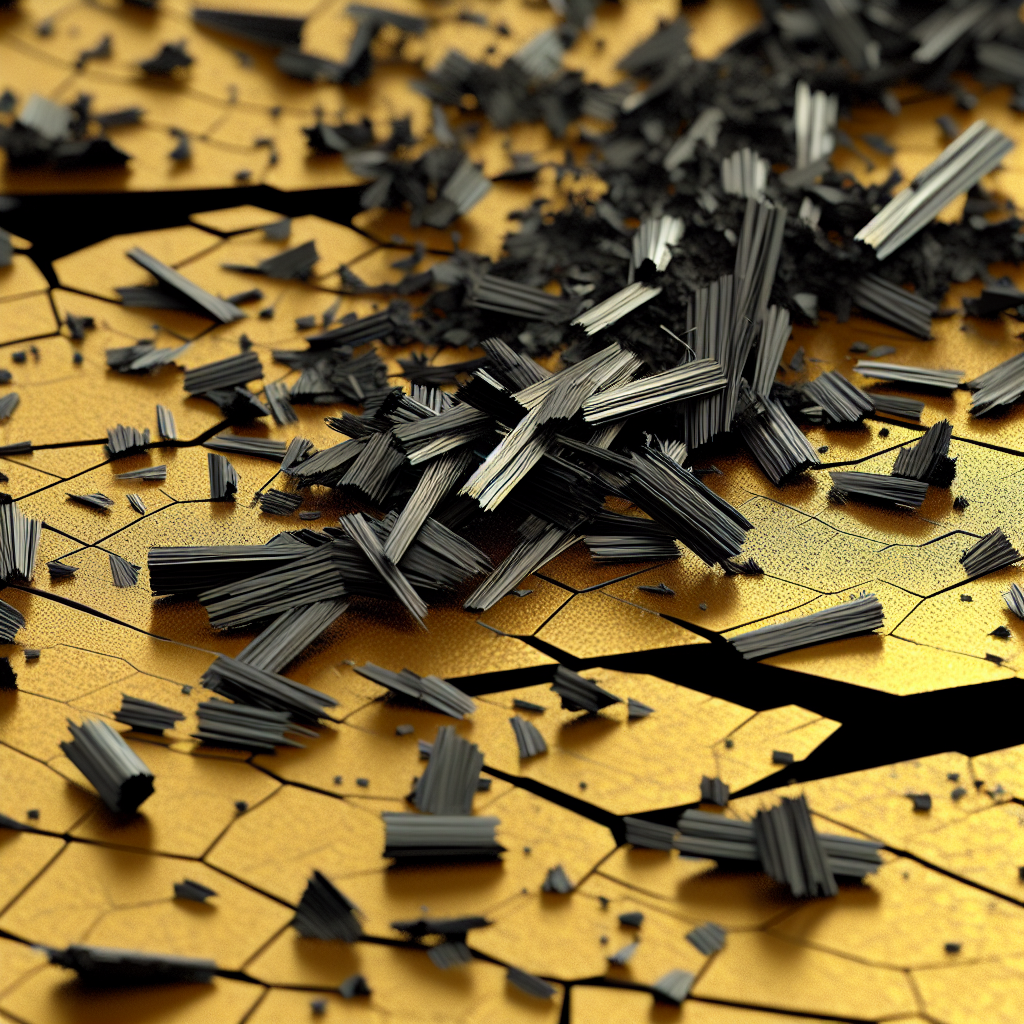
Stabilized chopped carbon fiber has emerged as a significant material in various industries due to its unique properties and versatility. This innovative material, characterized by its lightweight nature and exceptional strength, is increasingly being utilized in applications that require enhanced performance and durability. One of the primary sectors benefiting from stabilized chopped carbon fiber is the automotive industry. In this context, manufacturers are incorporating this material into components such as body panels, interior parts, and structural reinforcements. The use of stabilized chopped carbon fiber not only reduces the overall weight of vehicles, thereby improving fuel efficiency, but also enhances the strength and impact resistance of these components, contributing to overall vehicle safety.
Moreover, the aerospace industry has also recognized the advantages of stabilized chopped carbon fiber. Aircraft components, which demand high strength-to-weight ratios, are increasingly being fabricated using this material. The incorporation of stabilized chopped carbon fiber in aircraft structures leads to significant weight savings, which is crucial for improving fuel efficiency and overall performance. Additionally, the material’s resistance to corrosion and fatigue makes it an ideal choice for components that are subjected to harsh environmental conditions, further extending the lifespan of aerospace applications.
In the realm of sports equipment, stabilized chopped carbon fiber is making waves as well. High-performance sporting goods, such as bicycles, tennis rackets, and fishing rods, are being manufactured with this advanced material to enhance performance and durability. The lightweight nature of stabilized chopped carbon fiber allows athletes to achieve greater speeds and improved maneuverability, while its strength ensures that the equipment can withstand the rigors of intense use. As a result, athletes are increasingly turning to products made with stabilized chopped carbon fiber to gain a competitive edge.
In addition to these industries, the construction sector is also exploring the potential of stabilized chopped carbon fiber. This material is being utilized in the reinforcement of concrete and other building materials, providing enhanced tensile strength and durability. By incorporating stabilized chopped carbon fiber into construction materials, engineers can create structures that are not only stronger but also more resistant to cracking and other forms of damage. This application is particularly valuable in regions prone to seismic activity, where the added strength can significantly improve the safety and longevity of buildings.
Furthermore, the electronics industry is beginning to adopt stabilized chopped carbon fiber for various applications, including casings and structural components for devices. The material’s excellent electrical conductivity and thermal management properties make it an attractive option for manufacturers looking to enhance the performance of electronic devices. By utilizing stabilized chopped carbon fiber, companies can create lighter, more efficient products that meet the demands of modern consumers.
As research and development continue to advance, the potential applications of stabilized chopped carbon fiber are likely to expand even further. Innovations in processing techniques and material formulations may lead to new uses in fields such as medical devices, where biocompatibility and strength are paramount. The ongoing exploration of stabilized chopped carbon fiber’s properties will undoubtedly yield exciting developments across various industries, solidifying its position as a key material in the future of advanced manufacturing. In conclusion, the diverse applications of stabilized chopped carbon fiber highlight its importance in enhancing performance, safety, and durability across multiple sectors, making it a material of choice for forward-thinking industries.
Benefits Of Using 24K Surface Flaky Carbon Fiber In Composites
The integration of 24K surface flaky carbon fiber into composite materials has garnered significant attention in various industries due to its unique properties and advantages. This innovative material, characterized by its high surface area and exceptional mechanical strength, offers a multitude of benefits that enhance the performance and durability of composites. One of the primary advantages of using 24K surface flaky carbon fiber is its ability to improve the overall strength-to-weight ratio of composite materials. By incorporating this lightweight yet robust fiber, manufacturers can create products that maintain structural integrity while minimizing weight, which is particularly beneficial in sectors such as aerospace and automotive engineering, where every gram counts.
Moreover, the surface flaky nature of this carbon fiber contributes to enhanced bonding capabilities within the composite matrix. The increased surface area allows for better adhesion between the carbon fiber and the resin, resulting in improved load transfer and overall mechanical performance. This characteristic is crucial in applications where high tensile strength and resistance to deformation are required. As a result, composites reinforced with 24K surface flaky carbon fiber exhibit superior performance under stress, making them ideal for high-performance applications.
In addition to mechanical strength, the use of 24K surface flaky carbon fiber also provides significant thermal stability. This material can withstand high temperatures without compromising its structural integrity, which is essential in environments where thermal fluctuations are common. Consequently, composites that incorporate this type of carbon fiber are well-suited for applications in industries such as electronics and automotive, where heat resistance is paramount. Furthermore, the thermal conductivity of 24K surface flaky carbon fiber can enhance the thermal management of composite materials, allowing for better heat dissipation and improved performance in demanding conditions.
Another noteworthy benefit of using 24K surface flaky carbon fiber is its resistance to chemical degradation. This property is particularly advantageous in environments where exposure to harsh chemicals or corrosive substances is a concern. By incorporating this carbon fiber into composite materials, manufacturers can create products that maintain their integrity and performance over time, reducing the need for frequent replacements and repairs. This durability not only extends the lifespan of the products but also contributes to cost savings for manufacturers and end-users alike.
Additionally, the aesthetic appeal of composites reinforced with 24K surface flaky carbon fiber cannot be overlooked. The unique texture and finish of the carbon fiber can enhance the visual appeal of the final product, making it an attractive option for consumer goods and luxury items. This aspect is particularly relevant in industries such as sports equipment and high-end automotive design, where aesthetics play a crucial role in consumer choice.
Furthermore, the versatility of 24K surface flaky carbon fiber allows for its application across a wide range of industries, from construction to medical devices. Its adaptability means that manufacturers can tailor composite materials to meet specific performance requirements, thereby broadening the scope of potential applications. As industries continue to seek innovative solutions that combine strength, lightweight properties, and aesthetic appeal, the use of 24K surface flaky carbon fiber in composites is likely to expand.
In conclusion, the benefits of using 24K surface flaky carbon fiber in composite materials are manifold. From enhancing mechanical strength and thermal stability to providing chemical resistance and aesthetic appeal, this innovative material offers a comprehensive solution for various industrial applications. As technology advances and the demand for high-performance materials grows, the role of 24K surface flaky carbon fiber in composites will undoubtedly become increasingly significant.
Q&A
1. **What is 24K surface flaky carbon fiber?**
24K surface flaky carbon fiber refers to carbon fiber that has been processed into thin, flat flakes, typically with a high fiber count (24,000 filaments) per tow, enhancing its surface area and mechanical properties for various applications.
2. **What are the benefits of stabilized chopped carbon fiber?**
Stabilized chopped carbon fiber offers improved dimensional stability, reduced fiber fraying, and enhanced compatibility with various resin systems, making it ideal for composite materials in automotive, aerospace, and sporting goods industries.
3. **How is 24K surface flaky and stabilized chopped carbon fiber used in manufacturing?**
This material is commonly used in the production of lightweight, high-strength composites, where it can be incorporated into resins to create parts that require excellent mechanical performance, thermal resistance, and reduced weight.