


-
Table of Contents
“Hybrid Aramid Carbon Fibre: Uniting Strength and Lightness for Tomorrow’s Protection.”
Introduction
Hybrid aramid carbon fiber represents a groundbreaking advancement in materials science, combining the unique properties of aramid fibers, known for their exceptional strength and heat resistance, with the lightweight and stiffness characteristics of carbon fiber. This innovative composite material is poised to revolutionize industries such as aerospace, automotive, and personal protective equipment by offering enhanced durability and performance while significantly reducing weight. As the demand for high-performance materials continues to grow, hybrid aramid carbon fiber stands out as a promising solution for applications requiring both protection and agility, paving the way for the future of lightweight protection.
Advancements in Hybrid Aramid Carbon Fibre Technology
The evolution of materials technology has led to significant advancements in the field of lightweight protection, particularly with the development of hybrid aramid carbon fibre composites. These innovative materials combine the unique properties of aramid fibres, known for their high strength and thermal stability, with the exceptional stiffness and lightweight characteristics of carbon fibres. As industries increasingly demand materials that offer both durability and reduced weight, the integration of these two fibre types has emerged as a promising solution.
One of the most notable advancements in hybrid aramid carbon fibre technology is the improvement in manufacturing processes. Traditional methods of producing composite materials often involved labor-intensive techniques that limited scalability and increased costs. However, recent innovations in automated manufacturing and advanced weaving techniques have streamlined production, allowing for more consistent quality and performance. This shift not only enhances the efficiency of material production but also makes hybrid composites more accessible to a wider range of applications, from aerospace to automotive and personal protective equipment.
Moreover, the development of new resin systems has played a crucial role in enhancing the performance of hybrid aramid carbon fibre composites. These advanced resins are designed to optimize the bonding between the fibres, resulting in improved mechanical properties such as tensile strength and impact resistance. By fine-tuning the resin formulations, researchers have been able to create composites that exhibit superior performance under various environmental conditions, including extreme temperatures and humidity. This adaptability is particularly important for applications in industries where materials are subjected to harsh conditions, ensuring that the hybrid composites maintain their integrity and protective capabilities over time.
In addition to mechanical performance, advancements in hybrid aramid carbon fibre technology have also focused on enhancing the materials’ multifunctionality. For instance, researchers are exploring the incorporation of smart technologies into these composites, enabling them to respond to environmental stimuli. This could include the integration of sensors that monitor structural integrity or temperature changes, providing real-time data that can be crucial for safety and maintenance. Such innovations not only expand the potential applications of hybrid composites but also align with the growing trend towards smart materials in various sectors.
Furthermore, sustainability has become a key consideration in the development of hybrid aramid carbon fibre technology. As industries strive to reduce their environmental impact, researchers are investigating bio-based resins and recyclable fibres that can be used in hybrid composites. This shift towards more sustainable materials not only addresses environmental concerns but also appeals to consumers who are increasingly prioritizing eco-friendly products. By focusing on sustainability, manufacturers can enhance the marketability of hybrid aramid carbon fibre composites while contributing to a more circular economy.
As these advancements continue to unfold, the future of hybrid aramid carbon fibre technology appears promising. The combination of enhanced manufacturing processes, improved resin systems, multifunctionality, and sustainability initiatives positions these materials at the forefront of lightweight protection solutions. Industries that rely on high-performance materials will undoubtedly benefit from the unique properties offered by hybrid composites, paving the way for innovations that enhance safety, efficiency, and overall performance. In conclusion, the ongoing research and development in hybrid aramid carbon fibre technology not only signify a leap forward in material science but also herald a new era of lightweight protection that meets the demands of modern applications.
Applications of Hybrid Aramid Carbon Fibre in Protective Gear
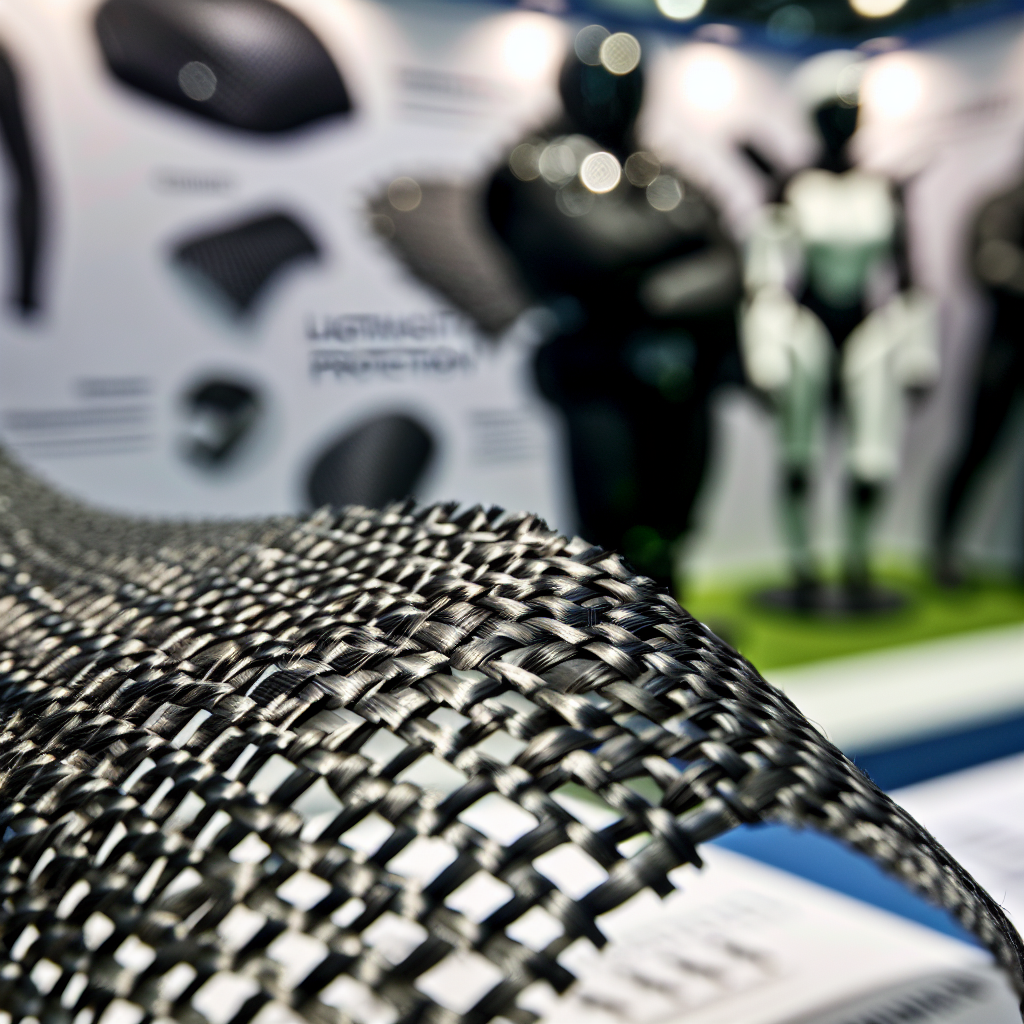
The integration of hybrid aramid carbon fibre into protective gear represents a significant advancement in materials science, offering enhanced performance characteristics that are increasingly sought after in various industries. This innovative composite material combines the unique properties of aramid fibres, known for their exceptional strength and heat resistance, with the lightweight and high tensile strength of carbon fibres. As a result, hybrid aramid carbon fibre is becoming a preferred choice for protective gear across multiple applications, including military, law enforcement, sports, and industrial sectors.
In the military and law enforcement domains, the demand for lightweight yet robust protective gear is paramount. Hybrid aramid carbon fibre is being utilized in the development of body armor, helmets, and tactical vests. The combination of these materials not only reduces the overall weight of the equipment, allowing for greater mobility and comfort for the wearer, but also enhances ballistic protection. This is particularly crucial in high-stakes environments where personnel must remain agile while ensuring their safety. The ability to withstand high-velocity impacts while maintaining flexibility makes hybrid aramid carbon fibre an ideal choice for modern protective gear.
Moreover, the sports industry is witnessing a growing trend towards the adoption of hybrid aramid carbon fibre in protective equipment. Athletes participating in high-impact sports, such as motocross, cycling, and extreme skiing, require gear that can absorb shocks and provide adequate protection without compromising performance. Helmets, knee pads, and elbow guards made from this composite material offer superior impact resistance while remaining lightweight, thus allowing athletes to perform at their best. The incorporation of hybrid aramid carbon fibre not only enhances safety but also contributes to the overall design aesthetics of the gear, appealing to both professional athletes and recreational users alike.
In addition to military and sports applications, the industrial sector is also benefiting from the properties of hybrid aramid carbon fibre. Workers in hazardous environments, such as construction sites or manufacturing plants, require protective clothing and gear that can withstand extreme conditions. The use of hybrid aramid carbon fibre in gloves, aprons, and other protective apparel provides a high level of cut and abrasion resistance, ensuring that workers are safeguarded against potential injuries. Furthermore, the lightweight nature of this material reduces fatigue, allowing workers to maintain productivity throughout their shifts.
Transitioning to the realm of emergency services, hybrid aramid carbon fibre is increasingly being incorporated into firefighting gear and rescue equipment. Firefighters face extreme heat and hazardous conditions, necessitating protective clothing that can withstand high temperatures while providing mobility. The thermal resistance of aramid fibres, combined with the structural integrity of carbon fibres, results in gear that not only protects against flames but also allows for ease of movement during critical rescue operations. This synergy of properties enhances the safety and effectiveness of emergency responders in life-threatening situations.
As the applications of hybrid aramid carbon fibre continue to expand, ongoing research and development are likely to yield even more innovative uses for this versatile material. The potential for customization and optimization in protective gear design will further enhance its appeal across various sectors. In conclusion, the integration of hybrid aramid carbon fibre into protective gear signifies a transformative shift towards more effective, lightweight, and durable solutions, ultimately paving the way for a safer future in numerous high-risk environments.
Benefits of Hybrid Aramid Carbon Fibre for Lightweight Armor Solutions
The advent of hybrid aramid carbon fibre has marked a significant advancement in the field of lightweight armor solutions, offering a multitude of benefits that enhance both performance and safety. As the demand for protective gear continues to rise across various sectors, including military, law enforcement, and industrial applications, the integration of these advanced materials has become increasingly relevant. One of the primary advantages of hybrid aramid carbon fibre lies in its exceptional strength-to-weight ratio. This characteristic allows for the creation of armor that is not only lightweight but also capable of withstanding significant impacts and penetration, thereby providing superior protection without the bulkiness typically associated with traditional armor materials.
Moreover, the combination of aramid and carbon fibres results in a composite material that exhibits enhanced durability and resilience. Aramid fibres, known for their high tensile strength and resistance to abrasion, complement the rigidity and stiffness of carbon fibres. This synergy not only improves the overall structural integrity of the armor but also extends its lifespan, making it a cost-effective solution in the long run. As a result, users can benefit from armor that maintains its protective qualities over extended periods, reducing the need for frequent replacements.
In addition to strength and durability, hybrid aramid carbon fibre offers significant improvements in flexibility and comfort. Traditional armor solutions often compromise mobility due to their weight and rigidity. However, the lightweight nature of hybrid materials allows for greater freedom of movement, which is crucial in high-stakes environments where agility can be a matter of life and death. This enhanced flexibility ensures that personnel can perform their duties effectively without being hindered by cumbersome protective gear. Consequently, the integration of hybrid aramid carbon fibre into armor designs not only prioritizes safety but also enhances operational efficiency.
Furthermore, the thermal and chemical resistance properties of hybrid aramid carbon fibre contribute to its suitability for various applications. In environments where exposure to extreme temperatures or hazardous substances is a concern, the ability of this composite material to withstand such conditions without degrading is invaluable. This resilience not only protects the wearer but also ensures that the armor maintains its integrity and effectiveness over time. As industries continue to evolve and face new challenges, the adaptability of hybrid aramid carbon fibre positions it as a forward-thinking solution for modern armor needs.
Another noteworthy benefit is the potential for customization in armor design. The versatility of hybrid aramid carbon fibre allows manufacturers to tailor armor solutions to meet specific requirements, whether for personal protective equipment or vehicular armor. This customization can include variations in thickness, layering, and integration with other technologies, such as ballistic plates or electronic systems. As a result, users can receive armor that is specifically engineered to address their unique operational challenges, further enhancing safety and performance.
In conclusion, the benefits of hybrid aramid carbon fibre for lightweight armor solutions are manifold, encompassing strength, durability, flexibility, and adaptability. As industries increasingly prioritize the safety and efficiency of their personnel, the integration of this advanced material into armor designs represents a significant leap forward. By providing a balance of protection and mobility, hybrid aramid carbon fibre is poised to redefine the standards of lightweight armor, ensuring that those who rely on it can perform their duties with confidence and security. As research and development in this field continue to progress, the future of lightweight protection looks promising, with hybrid aramid carbon fibre leading the way.
Q&A
1. **What is Hybrid Aramid Carbon Fibre?**
Hybrid Aramid Carbon Fibre is a composite material that combines aramid fibers, known for their high strength and heat resistance, with carbon fibers, which provide excellent stiffness and lightweight properties. This combination enhances the overall performance and durability of protective gear and structures.
2. **What are the advantages of using Hybrid Aramid Carbon Fibre in protective gear?**
The advantages include increased strength-to-weight ratio, improved impact resistance, enhanced thermal protection, and greater flexibility. This makes it ideal for applications in personal protective equipment, automotive components, and aerospace structures.
3. **What industries can benefit from Hybrid Aramid Carbon Fibre technology?**
Industries such as aerospace, automotive, military, sports equipment, and construction can benefit significantly from Hybrid Aramid Carbon Fibre technology due to its lightweight nature and superior protective qualities, leading to safer and more efficient products.