


-
Table of Contents
“Elevate Performance: Your Guide to Selecting the Right Carbon Fiber Fabric for Sports Equipment.”
Introduction
When selecting carbon fiber fabric for sports equipment manufacturing, it is essential to consider several key factors that influence performance, durability, and overall product quality. Carbon fiber is renowned for its high strength-to-weight ratio, making it an ideal material for various sports applications. Key considerations include the type of carbon fiber (woven, unidirectional, or hybrid), the fabric weight and thickness, the resin compatibility, and the specific mechanical properties required for the intended use. Additionally, understanding the manufacturing processes, such as layup techniques and curing methods, will help ensure optimal performance and longevity of the final product. By carefully evaluating these aspects, manufacturers can effectively choose the right carbon fiber fabric to enhance the performance and reliability of their sports equipment.
Types of Carbon Fiber Fabrics for Sports Equipment
When it comes to manufacturing sports equipment, the choice of materials plays a crucial role in determining performance, durability, and overall user experience. Among the various materials available, carbon fiber has emerged as a preferred option due to its exceptional strength-to-weight ratio and versatility. However, not all carbon fiber fabrics are created equal, and understanding the different types available is essential for manufacturers aiming to optimize their products.
To begin with, carbon fiber fabrics can be categorized based on their weave patterns, which significantly influence their mechanical properties and applications. The most common weave types include plain weave, twill weave, and satin weave. Plain weave, characterized by its simple over-and-under pattern, offers a balanced combination of strength and flexibility. This type is often used in applications where uniformity and stability are paramount, making it suitable for items like bicycle frames and tennis rackets. On the other hand, twill weave, which features a diagonal pattern, provides enhanced drapability and is often favored for complex shapes. This makes it ideal for manufacturing items such as surfboards and high-performance golf clubs, where the fabric needs to conform to intricate designs while maintaining structural integrity.
In addition to weave patterns, the weight of the carbon fiber fabric is another critical factor to consider. Carbon fiber fabrics are available in various weights, typically measured in grams per square meter (gsm). Lighter fabrics, such as those weighing around 100 gsm, are often used in applications where weight reduction is essential, such as in competitive cycling gear or lightweight sports helmets. Conversely, heavier fabrics, which can exceed 300 gsm, provide increased strength and durability, making them suitable for equipment that undergoes significant stress, such as skis or snowboards. Therefore, manufacturers must carefully assess the specific requirements of their products to select the appropriate fabric weight.
Moreover, the type of resin used in conjunction with carbon fiber fabric also plays a vital role in the final product’s performance. Epoxy resins are commonly used due to their excellent adhesion properties and resistance to environmental factors. When combined with carbon fiber, epoxy resins enhance the overall strength and stiffness of the composite material, making it ideal for high-performance sports equipment. Additionally, some manufacturers may opt for thermoplastic resins, which offer advantages such as recyclability and ease of processing. This choice can be particularly beneficial for brands looking to promote sustainability in their manufacturing processes.
Furthermore, the orientation of the carbon fibers within the fabric can significantly impact the mechanical properties of the final product. Fabrics can be unidirectional, where all fibers are aligned in a single direction, or multidirectional, where fibers are woven in multiple orientations. Unidirectional fabrics are often used in applications requiring high strength in a specific direction, such as in the shafts of fishing rods or the frames of racing bicycles. In contrast, multidirectional fabrics provide balanced strength and stiffness, making them suitable for a broader range of applications.
In conclusion, selecting the right carbon fiber fabric for sports equipment manufacturing involves a careful consideration of various factors, including weave patterns, fabric weight, resin types, and fiber orientation. By understanding these elements, manufacturers can make informed decisions that enhance the performance and durability of their products, ultimately leading to a better experience for athletes and sports enthusiasts alike. As the demand for high-quality sports equipment continues to grow, the importance of choosing the appropriate carbon fiber fabric cannot be overstated.
Key Properties to Consider When Selecting Carbon Fiber
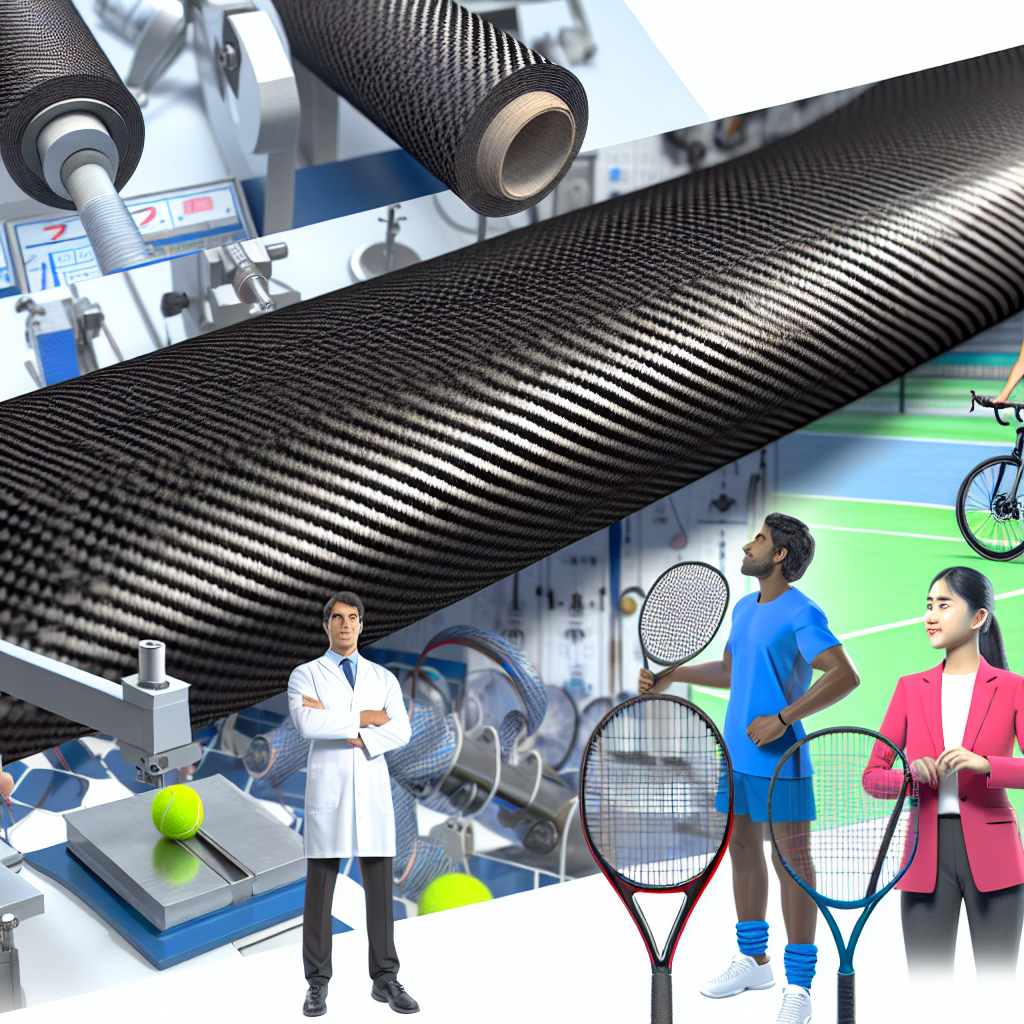
When selecting carbon fiber fabric for sports equipment manufacturing, it is essential to consider several key properties that significantly influence the performance, durability, and overall effectiveness of the final product. One of the most critical properties to evaluate is the tensile strength of the carbon fiber. This characteristic refers to the material’s ability to withstand tension without breaking, making it particularly important for sports equipment that experiences high-stress conditions, such as bicycles, tennis rackets, and fishing rods. A higher tensile strength indicates that the fabric can endure greater forces, thereby enhancing the longevity and reliability of the equipment.
In addition to tensile strength, the modulus of elasticity is another vital property to consider. This property measures the stiffness of the carbon fiber, which directly affects how the material behaves under load. A higher modulus indicates a stiffer material, which can be advantageous in applications where rigidity is essential for performance, such as in the construction of golf clubs or racing sails. Conversely, a lower modulus may be preferable in applications where flexibility and shock absorption are necessary, such as in protective gear or certain types of footwear. Therefore, understanding the specific requirements of the sports equipment being manufactured will guide the selection of the appropriate modulus.
Moreover, the weight of the carbon fiber fabric plays a crucial role in the overall performance of sports equipment. Lightweight materials are often favored in competitive sports, as they contribute to improved speed and maneuverability. However, it is important to strike a balance between weight and strength; a fabric that is too lightweight may compromise durability. Consequently, manufacturers must carefully assess the weight-to-strength ratio of the carbon fiber fabric to ensure that it meets the demands of the intended application while maintaining optimal performance characteristics.
Another significant factor to consider is the fabric’s weave pattern. The weave affects not only the aesthetic appeal of the final product but also its mechanical properties. Different weave patterns, such as plain, twill, or satin, can influence the fabric’s flexibility, drape, and overall strength. For instance, a twill weave may provide enhanced flexibility and conformability, making it suitable for complex shapes in sports equipment, while a plain weave may offer superior strength and stability. Therefore, selecting the appropriate weave pattern is essential for achieving the desired performance attributes in the finished product.
Furthermore, the environmental resistance of carbon fiber fabric should not be overlooked. Sports equipment is often exposed to various environmental conditions, including moisture, UV radiation, and temperature fluctuations. Therefore, it is crucial to choose a carbon fiber fabric that exhibits resistance to these factors to ensure the longevity and reliability of the equipment. Manufacturers should inquire about any treatments or coatings that may enhance the fabric’s resistance to environmental degradation.
Lastly, cost considerations are an inevitable aspect of the selection process. While high-performance carbon fiber fabrics may come with a premium price tag, it is essential to evaluate the long-term benefits they offer in terms of durability and performance. Investing in quality materials can lead to reduced maintenance costs and improved customer satisfaction, ultimately justifying the initial expenditure.
In conclusion, selecting the right carbon fiber fabric for sports equipment manufacturing involves a careful assessment of various properties, including tensile strength, modulus of elasticity, weight, weave pattern, environmental resistance, and cost. By thoroughly evaluating these factors, manufacturers can ensure that they choose a material that not only meets the specific requirements of their products but also enhances performance and durability in the competitive sports market.
Cost vs. Performance: Finding the Right Balance in Carbon Fiber Choices
When it comes to manufacturing sports equipment, the choice of materials plays a pivotal role in determining both performance and cost. Among the various materials available, carbon fiber has emerged as a popular choice due to its unique properties, including high strength-to-weight ratio, stiffness, and resistance to fatigue. However, selecting the right carbon fiber fabric involves a careful consideration of cost versus performance, as these two factors are often interlinked and can significantly influence the overall quality and functionality of the final product.
To begin with, it is essential to understand that carbon fiber fabrics come in various types, each designed for specific applications and performance requirements. For instance, unidirectional carbon fiber fabrics are known for their exceptional tensile strength and are often used in applications where strength in a single direction is paramount. Conversely, woven carbon fiber fabrics provide multidirectional strength and are typically favored for components that require balanced performance across multiple axes. As manufacturers evaluate their options, they must consider the specific demands of the sports equipment being produced, as this will guide them toward the most suitable fabric type.
Moreover, the cost of carbon fiber fabrics can vary significantly based on factors such as the type of weave, the quality of the fibers, and the manufacturing process. High-performance fabrics, which are engineered for maximum strength and durability, often come with a higher price tag. While it may be tempting to opt for lower-cost alternatives, it is crucial to recognize that compromising on fabric quality can lead to subpar performance and reduced longevity of the equipment. Therefore, manufacturers must strike a balance between budget constraints and the performance requirements of their products.
In addition to the type of fabric, the weight of the carbon fiber also plays a critical role in the overall performance of sports equipment. Lighter fabrics can enhance maneuverability and speed, which are essential attributes in many sports. However, lighter options may sacrifice some strength and durability. Consequently, manufacturers must assess the specific performance characteristics required for their equipment and determine whether the benefits of a lighter fabric outweigh the potential drawbacks. This evaluation often involves a thorough analysis of the intended use of the equipment, as well as the conditions under which it will be subjected to stress.
Furthermore, it is important to consider the manufacturing process itself, as this can also impact both cost and performance. Advanced techniques such as prepreg layup or resin infusion can enhance the properties of carbon fiber components, but they may also increase production costs. Manufacturers must weigh the advantages of these processes against their budgetary limitations and the expected performance outcomes. In some cases, investing in higher-quality manufacturing techniques may yield long-term benefits, such as improved product reliability and customer satisfaction.
Ultimately, the decision-making process surrounding the selection of carbon fiber fabric for sports equipment manufacturing requires a comprehensive understanding of both cost and performance factors. By carefully evaluating the specific needs of their products, manufacturers can make informed choices that align with their performance goals while remaining within budgetary constraints. This thoughtful approach not only ensures the production of high-quality sports equipment but also fosters innovation and competitiveness in a rapidly evolving market. In conclusion, finding the right balance between cost and performance is essential for manufacturers aiming to leverage the advantages of carbon fiber in their sports equipment offerings.
Q&A
1. **What factors should be considered when selecting carbon fiber fabric for sports equipment?**
Consider the fabric’s weight, weave type, tensile strength, and modulus of elasticity to ensure it meets the performance requirements of the specific sports equipment.
2. **How does the weave pattern of carbon fiber fabric affect its performance?**
Different weave patterns, such as plain, twill, or satin, influence the fabric’s flexibility, strength, and drapability, impacting the overall performance and durability of the final product.
3. **What role does resin compatibility play in choosing carbon fiber fabric?**
Ensuring that the carbon fiber fabric is compatible with the chosen resin system is crucial for optimal bonding, strength, and performance of the finished sports equipment.