


-
Table of Contents
“Kevlar Fabric: The Ultimate Shield for Tactical Clothing – Durability Meets Dependability.”
Introduction
Kevlar fabric is a high-performance material renowned for its exceptional strength and durability, making it a popular choice for tactical clothing. Originally developed for use in bulletproof vests, Kevlar offers superior resistance to abrasion, cuts, and heat, providing essential protection in high-risk environments. When purchasing tactical clothing made from Kevlar, it is crucial to consider factors such as the fabric’s weight, weave type, and level of protection it offers. Additionally, look for features like moisture-wicking properties, breathability, and comfort to ensure optimal performance during extended wear. Understanding these key aspects will help you make an informed decision when selecting Kevlar-based tactical gear that meets your specific needs.
Durability and Strength of Kevlar Fabric
When considering the purchase of tactical clothing, one of the most critical factors to evaluate is the durability and strength of the materials used, particularly Kevlar fabric. Renowned for its exceptional resilience, Kevlar has become a staple in the production of tactical gear, offering a unique combination of lightweight properties and formidable strength. This fabric, originally developed for use in bulletproof vests, has evolved to serve a variety of applications, including protective clothing for military personnel, law enforcement officers, and outdoor enthusiasts. Understanding the characteristics that contribute to the durability and strength of Kevlar fabric is essential for making an informed purchasing decision.
To begin with, the inherent properties of Kevlar contribute significantly to its durability. Kevlar is a synthetic fiber that is five times stronger than steel on an equal weight basis. This remarkable strength allows it to withstand extreme conditions, making it ideal for tactical clothing that may be subjected to abrasions, cuts, and impacts. When evaluating Kevlar fabric, it is crucial to consider the denier rating, which indicates the thickness of the fibers. A higher denier rating typically signifies a more robust fabric, capable of enduring harsher environments. Therefore, when selecting tactical clothing, opting for Kevlar with a higher denier rating can enhance the garment’s overall durability.
Moreover, the weave pattern of Kevlar fabric plays a significant role in its strength and performance. Different weaving techniques can affect the fabric’s flexibility and resistance to wear. For instance, a tight weave can provide increased protection against punctures and tears, while a looser weave may offer greater breathability and comfort. Consequently, it is essential to strike a balance between protection and comfort based on the intended use of the tactical clothing. For example, if the clothing is meant for high-intensity activities, a more flexible weave may be preferable, whereas for situations requiring maximum protection, a tighter weave would be advantageous.
In addition to the weave and denier rating, the treatment and finishing processes applied to Kevlar fabric can further enhance its durability. Many manufacturers incorporate specialized coatings or treatments that improve water resistance, UV protection, and flame retardancy. These additional features can significantly extend the lifespan of tactical clothing, making it more suitable for diverse environments and conditions. Therefore, when assessing Kevlar fabric, it is prudent to inquire about any treatments that have been applied, as these can greatly influence the garment’s performance and longevity.
Furthermore, it is essential to consider the stitching and construction techniques used in the garment’s assembly. High-quality stitching not only reinforces the seams but also contributes to the overall strength of the tactical clothing. Double-stitched seams, for instance, can provide added durability, ensuring that the garment can withstand the rigors of use without compromising its integrity. Therefore, examining the craftsmanship of the tactical clothing is just as important as evaluating the fabric itself.
In conclusion, the durability and strength of Kevlar fabric are paramount considerations when purchasing tactical clothing. By paying attention to factors such as denier rating, weave pattern, treatment processes, and construction techniques, consumers can make informed choices that align with their specific needs. Ultimately, investing in high-quality Kevlar fabric will ensure that tactical clothing not only meets performance expectations but also provides reliable protection in demanding situations.
Weight and Comfort Considerations
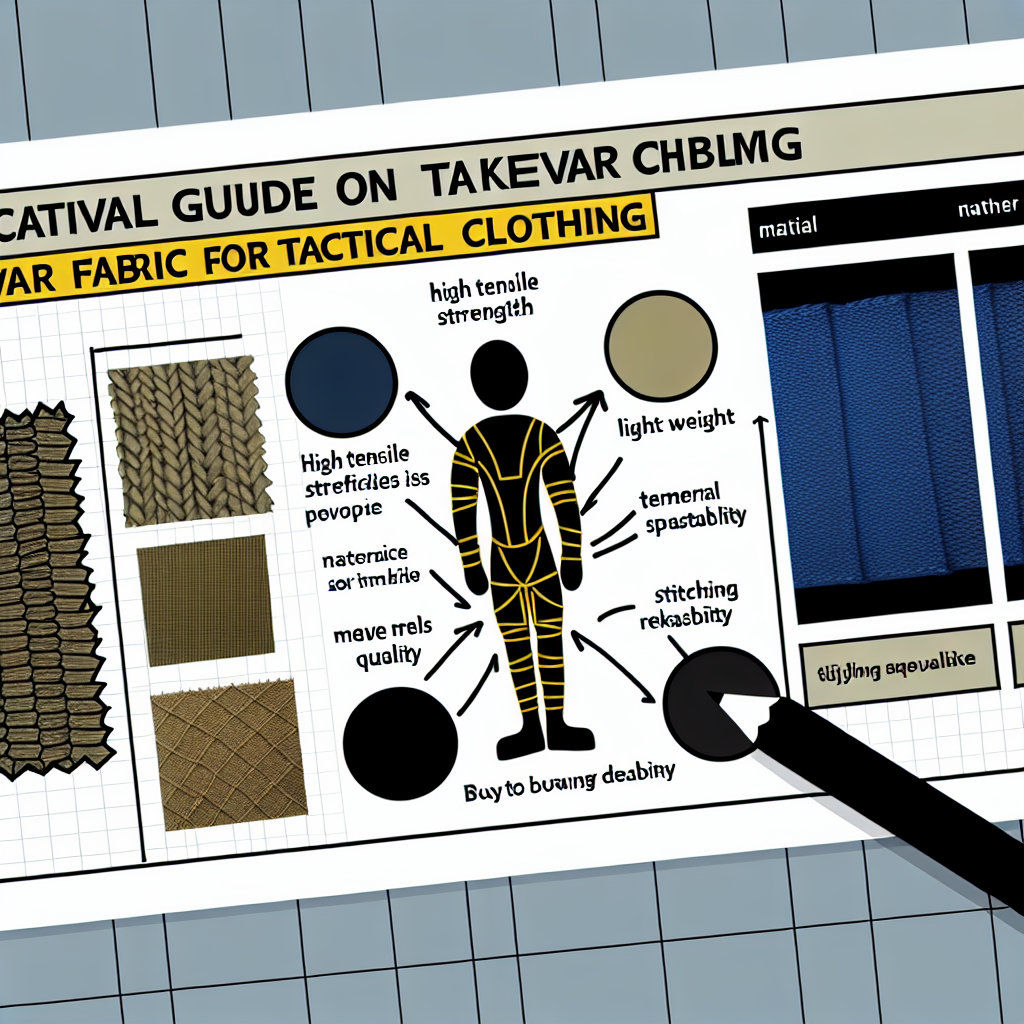
When considering Kevlar fabric for tactical clothing, weight and comfort are paramount factors that significantly influence the overall effectiveness and usability of the gear. Tactical clothing is designed for demanding environments, where mobility and endurance are crucial. Therefore, understanding the balance between the protective qualities of Kevlar and the need for comfort is essential for anyone looking to invest in such apparel.
Firstly, the weight of Kevlar fabric plays a critical role in determining how comfortable the clothing will be during extended wear. While Kevlar is renowned for its exceptional strength and durability, it is important to note that not all Kevlar fabrics are created equal in terms of weight. Lighter variants of Kevlar can provide adequate protection while allowing for greater freedom of movement. This is particularly important in tactical situations where agility can be a matter of life and death. Consequently, when evaluating options, it is advisable to seek out manufacturers that offer lightweight Kevlar blends, as these can enhance comfort without compromising safety.
Moreover, the fit of the tactical clothing is intrinsically linked to both weight and comfort. A well-fitted garment made from Kevlar will not only feel more comfortable but will also perform better in the field. Loose-fitting clothing may lead to chafing or snagging, which can be detrimental during high-intensity activities. Conversely, overly tight clothing can restrict movement and lead to fatigue. Therefore, it is crucial to consider the cut and design of the tactical gear. Many brands offer tailored options that accommodate a range of body types, ensuring that the wearer can maintain optimal mobility while benefiting from the protective features of Kevlar.
In addition to weight and fit, the breathability of Kevlar fabric is another vital consideration. Tactical clothing is often worn in various climates and conditions, which can lead to overheating if the fabric does not allow for adequate airflow. Some manufacturers incorporate moisture-wicking technologies or combine Kevlar with other breathable materials to enhance comfort. This is particularly beneficial during prolonged use, as it helps regulate body temperature and reduces the risk of heat-related issues. Therefore, when selecting Kevlar tactical clothing, it is advisable to look for options that prioritize breathability alongside protective qualities.
Furthermore, the layering of tactical clothing can also impact weight and comfort. Many tactical outfits are designed to be worn in layers, allowing for versatility in different environments. When choosing Kevlar garments, it is essential to consider how they will fit with other layers. A lightweight Kevlar base layer can provide essential protection while allowing for additional layers to be added or removed as needed. This adaptability not only enhances comfort but also ensures that the wearer is prepared for varying conditions.
Ultimately, when purchasing Kevlar fabric for tactical clothing, it is crucial to weigh the importance of weight and comfort against the protective benefits that Kevlar offers. By focusing on lightweight options, ensuring a proper fit, prioritizing breathability, and considering layering strategies, individuals can make informed decisions that enhance their tactical performance. In conclusion, the right combination of these factors will lead to a more effective and comfortable tactical experience, allowing wearers to focus on their mission rather than their gear.
Resistance to Abrasion and Environmental Factors
When considering the purchase of tactical clothing made from Kevlar fabric, one of the most critical factors to evaluate is its resistance to abrasion and environmental factors. Kevlar, a synthetic fiber known for its exceptional strength and durability, is often utilized in various applications, including personal protective equipment and tactical gear. Understanding how these properties translate into real-world performance is essential for anyone looking to invest in high-quality tactical clothing.
To begin with, abrasion resistance is a key characteristic of Kevlar fabric that significantly enhances its suitability for tactical applications. Tactical clothing is often subjected to harsh conditions, including rough terrains and abrasive surfaces. Therefore, it is imperative that the fabric can withstand wear and tear without compromising its integrity. Kevlar’s unique molecular structure provides a high level of resistance to abrasion, allowing it to endure the rigors of outdoor activities and combat situations. When evaluating tactical clothing, it is advisable to look for garments that explicitly mention high abrasion resistance, as this feature will ensure longevity and reliability in demanding environments.
In addition to abrasion resistance, environmental factors play a crucial role in the performance of Kevlar fabric. Tactical clothing is frequently exposed to various elements, including moisture, UV radiation, and extreme temperatures. Consequently, it is essential to consider how well the fabric can withstand these environmental challenges. Kevlar itself is inherently resistant to moisture, which helps prevent the growth of mold and mildew, making it an excellent choice for use in humid or wet conditions. Furthermore, some manufacturers treat Kevlar fabric with additional coatings or finishes that enhance its water resistance, providing an extra layer of protection against the elements.
Moreover, UV resistance is another important aspect to consider when purchasing tactical clothing made from Kevlar. Prolonged exposure to sunlight can degrade many fabrics, leading to a loss of strength and color. However, Kevlar has a natural resistance to UV radiation, which helps maintain its structural integrity over time. When selecting tactical gear, it is beneficial to choose items that are specifically designed to resist UV damage, ensuring that the clothing remains functional and visually appealing even after extended outdoor use.
Temperature fluctuations can also impact the performance of tactical clothing. Kevlar fabric is known for its ability to maintain its properties across a wide range of temperatures, making it suitable for various climates. However, it is essential to consider the specific design and construction of the clothing, as additional insulation or ventilation features can further enhance comfort and functionality. For instance, tactical clothing designed for colder environments may incorporate thermal linings, while garments intended for warmer conditions may feature breathable mesh panels.
In conclusion, when purchasing tactical clothing made from Kevlar fabric, it is vital to assess its resistance to abrasion and environmental factors. The durability and strength of Kevlar make it an excellent choice for tactical applications, but understanding how these properties interact with real-world conditions is crucial. By focusing on abrasion resistance, moisture and UV protection, and temperature adaptability, consumers can make informed decisions that ensure their tactical clothing will perform effectively in a variety of challenging environments. Ultimately, investing in high-quality Kevlar fabric will provide the necessary protection and durability required for tactical operations, enhancing both safety and performance.
Q&A
1. **What is the weight of the Kevlar fabric?**
Look for Kevlar fabric that balances weight and protection; lighter fabrics (around 200-400 denier) offer mobility, while heavier options (over 600 denier) provide more durability and protection.
2. **What level of protection does the Kevlar fabric provide?**
Check for the specific ballistic rating of the Kevlar fabric, such as NIJ Level II or IIIA, to ensure it meets your protection needs against various threats.
3. **Is the Kevlar fabric treated for additional features?**
Look for Kevlar fabrics that are treated for water resistance, UV protection, or flame resistance to enhance performance and longevity in tactical environments.