


-
Table of Contents
“Unyielding Protection: Aramid Fiber Fabric – The Ultimate Shield for Bulletproof Helmets.”
Introduction
Aramid fiber fabric, known for its exceptional strength-to-weight ratio and high resistance to heat and abrasion, is increasingly recognized as an ideal material for bulletproof helmets. Its unique molecular structure provides outstanding ballistic protection while remaining lightweight, enhancing comfort and mobility for the wearer. Additionally, aramid fibers exhibit excellent durability and resistance to environmental factors, making them suitable for various operational conditions. The combination of these properties ensures that helmets made from aramid fiber not only offer superior protection against ballistic threats but also contribute to the overall effectiveness and safety of military and law enforcement personnel in the field.
Strength and Durability of Aramid Fiber
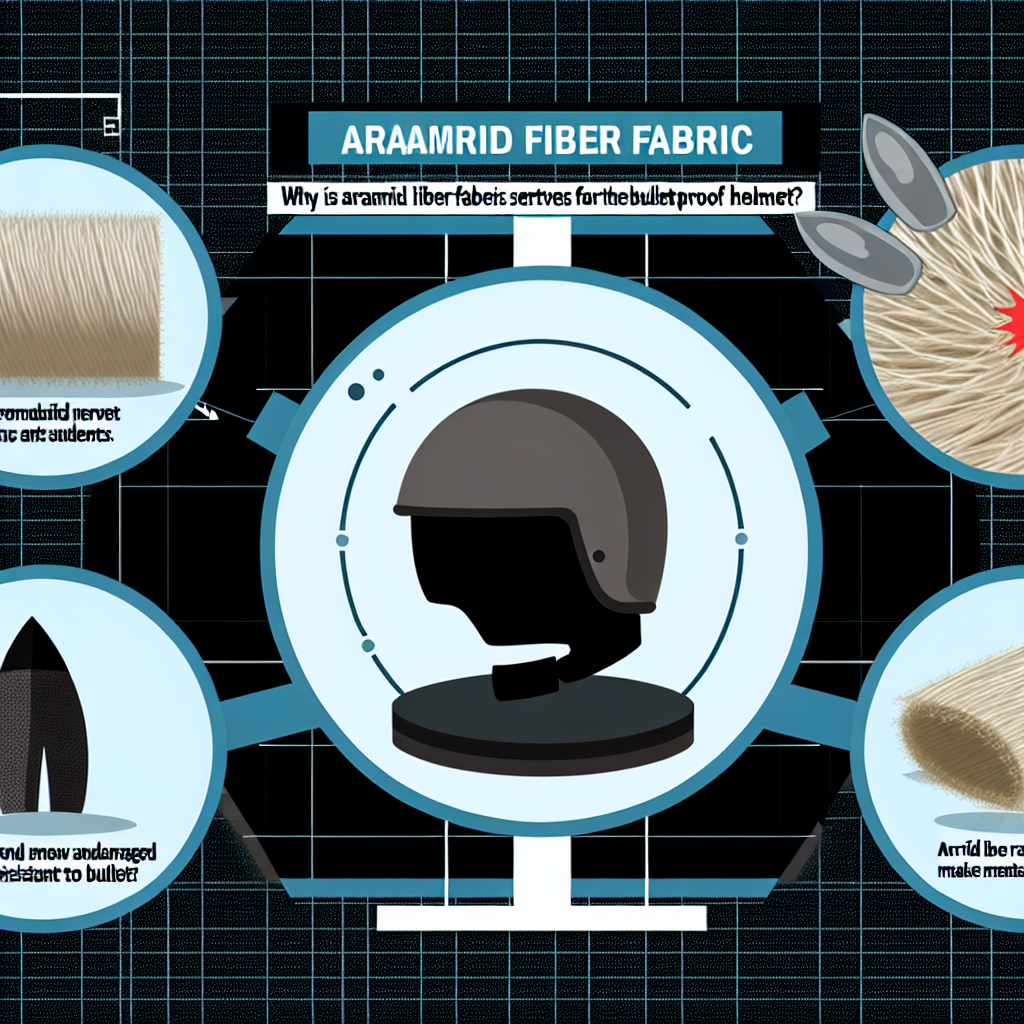
Aramid fiber fabric has emerged as a leading material in the production of bulletproof helmets, primarily due to its exceptional strength and durability. This synthetic fiber, known for its high tensile strength, is capable of withstanding significant amounts of stress and impact, making it an ideal choice for protective gear. The unique molecular structure of aramid fibers contributes to their remarkable resilience; the long-chain polymer molecules are tightly packed, which enhances the material’s ability to absorb and dissipate energy. Consequently, when a bullet strikes a helmet made from aramid fiber, the energy is distributed across a larger area, reducing the likelihood of penetration and minimizing the risk of injury to the wearer.
Moreover, the durability of aramid fiber fabric extends beyond its ability to withstand ballistic impacts. This material is also resistant to abrasion, which is crucial for helmets that may be subjected to rough handling or exposure to harsh environments. In military and law enforcement applications, helmets often encounter various conditions, including extreme temperatures, moisture, and chemical exposure. Aramid fibers exhibit excellent thermal stability, allowing them to maintain their integrity even under high temperatures. This characteristic is particularly important in combat situations where heat can be a significant factor. Additionally, aramid fibers are inherently resistant to many chemicals, further enhancing their suitability for use in protective equipment.
In addition to its strength and durability, aramid fiber fabric is lightweight, which is a critical consideration in the design of bulletproof helmets. Traditional materials used in ballistic protection, such as steel or ceramic, can be cumbersome and uncomfortable for the wearer. In contrast, aramid fiber provides a high level of protection without adding excessive weight, allowing for greater mobility and comfort. This lightweight nature does not compromise the helmet’s protective capabilities; rather, it enhances the overall effectiveness of the gear, enabling users to perform their duties without being hindered by heavy equipment.
Furthermore, the versatility of aramid fiber fabric allows for various design innovations in helmet construction. Manufacturers can create multi-layered designs that optimize the protective qualities of the material while maintaining a streamlined profile. This adaptability is essential in meeting the diverse needs of different users, from military personnel to law enforcement officers and security professionals. By incorporating aramid fibers into helmet designs, manufacturers can produce products that not only meet stringent safety standards but also cater to the specific requirements of various operational environments.
In conclusion, the strength and durability of aramid fiber fabric make it an ideal choice for bulletproof helmets. Its high tensile strength, resistance to abrasion, thermal stability, and lightweight nature combine to create a material that offers superior protection without compromising comfort or mobility. As the demand for advanced protective gear continues to grow, aramid fiber will likely remain at the forefront of helmet technology, providing users with the confidence and security they need in high-risk situations. The ongoing advancements in material science and engineering will further enhance the capabilities of aramid fiber, ensuring that it continues to play a pivotal role in the development of effective and reliable ballistic protection.
Lightweight Properties for Enhanced Comfort
Aramid fiber fabric has emerged as a revolutionary material in the production of bulletproof helmets, primarily due to its lightweight properties that significantly enhance user comfort. In the realm of personal protective equipment, comfort is not merely a luxury; it is a critical factor that can influence the effectiveness and usability of the gear. When individuals are required to wear helmets for extended periods, whether in military operations, law enforcement duties, or other high-risk environments, the weight of the equipment can become a substantial concern. This is where aramid fiber fabric excels, offering a solution that balances protection with comfort.
The lightweight nature of aramid fibers, such as Kevlar and Twaron, is one of their most compelling attributes. These fibers are engineered to provide high tensile strength while maintaining a low density, which means that helmets made from aramid fabric can offer superior ballistic protection without the cumbersome weight associated with traditional materials. This reduction in weight is crucial, as it allows for greater mobility and less fatigue for the wearer. When a helmet is lighter, the wearer can maintain focus and agility, which are essential in high-stakes situations where every second counts.
Moreover, the comfort provided by lightweight aramid fiber helmets extends beyond mere weight considerations. The design and fit of the helmet can be optimized to accommodate the contours of the human head, ensuring that it sits securely without causing discomfort. This snug fit is vital for maintaining situational awareness, as a helmet that shifts or feels cumbersome can distract the wearer and impede their ability to respond effectively to threats. By utilizing aramid fiber, manufacturers can create helmets that not only protect but also enhance the overall experience of the user.
In addition to comfort, the lightweight properties of aramid fiber contribute to improved ventilation. Many modern bulletproof helmets incorporate ventilation systems that allow for airflow, reducing heat buildup during prolonged use. This is particularly important in environments where users may be exposed to high temperatures or engaged in physically demanding activities. The combination of lightweight construction and effective ventilation ensures that wearers remain cool and comfortable, further enhancing their performance and focus.
Furthermore, the lightweight nature of aramid fiber does not compromise the helmet’s protective capabilities. In fact, advancements in material science have allowed for the development of aramid composites that provide exceptional ballistic resistance while remaining lightweight. This means that users can benefit from the dual advantages of mobility and protection, a combination that is essential in combat or tactical scenarios. The ability to move freely while being confident in the helmet’s protective qualities can significantly impact the effectiveness of personnel in the field.
In conclusion, the lightweight properties of aramid fiber fabric make it an ideal choice for bulletproof helmets, as they enhance comfort without sacrificing safety. The balance between protection and usability is crucial in high-risk environments, and aramid fiber delivers on both fronts. As technology continues to evolve, the integration of lightweight materials like aramid fiber will likely play an increasingly important role in the design of personal protective equipment, ensuring that wearers can perform at their best while remaining safe and comfortable. This innovative approach not only reflects advancements in material science but also underscores the importance of user-centric design in the development of protective gear.
Resistance to Heat and Abrasion
Aramid fiber fabric has emerged as a leading material in the production of bulletproof helmets, primarily due to its remarkable resistance to heat and abrasion. This unique combination of properties not only enhances the protective capabilities of helmets but also contributes to the overall safety and comfort of the wearer. To understand why aramid fiber is so effective, it is essential to explore its inherent characteristics and how they translate into practical benefits in high-stress environments.
One of the most significant advantages of aramid fiber is its exceptional thermal stability. Unlike many conventional materials, aramid fibers can withstand high temperatures without losing their structural integrity. This property is particularly crucial in combat situations or emergency response scenarios, where exposure to extreme heat can occur. For instance, in the event of an explosion or fire, a helmet made from aramid fiber can provide critical protection against heat-related injuries. The ability of aramid fibers to maintain their strength and flexibility at elevated temperatures ensures that the helmet remains effective even in the most challenging conditions.
In addition to its heat resistance, aramid fiber fabric exhibits outstanding abrasion resistance. This characteristic is vital for military and law enforcement personnel who often operate in rugged environments where helmets are subjected to wear and tear. The durability of aramid fibers means that helmets can endure the rigors of daily use without compromising their protective qualities. As a result, users can rely on their helmets to provide consistent performance over time, reducing the need for frequent replacements and ensuring that they remain protected during critical missions.
Moreover, the lightweight nature of aramid fiber fabric further enhances its suitability for bulletproof helmets. While providing robust protection against ballistic threats, the material does not add unnecessary weight, allowing for greater mobility and comfort. This is particularly important for personnel who may need to wear helmets for extended periods. The combination of lightweight construction and high resistance to heat and abrasion means that users can maintain focus and agility, which are essential in high-pressure situations.
Furthermore, the integration of aramid fiber into helmet design allows for innovative features that improve overall functionality. For example, the fabric can be layered or combined with other materials to create composite structures that enhance both ballistic protection and thermal insulation. This versatility enables manufacturers to develop helmets that not only meet stringent safety standards but also cater to the specific needs of various users, from military personnel to first responders.
In conclusion, the resistance to heat and abrasion offered by aramid fiber fabric makes it an ideal choice for bulletproof helmets. Its ability to withstand extreme temperatures while maintaining structural integrity ensures that wearers are protected in hazardous environments. Additionally, the durability of aramid fibers contributes to the longevity of helmets, making them a cost-effective solution for organizations that prioritize safety. As the demand for advanced protective gear continues to grow, the role of aramid fiber in enhancing helmet performance will undoubtedly remain significant. By combining these essential properties, aramid fiber fabric not only meets the rigorous demands of modern protection but also sets a standard for future innovations in personal safety equipment.
Q&A
1. **Question:** What properties of aramid fiber make it suitable for bulletproof helmets?
**Answer:** Aramid fiber has high tensile strength, excellent impact resistance, and low weight, making it ideal for absorbing and dispersing the energy from ballistic impacts.
2. **Question:** How does aramid fiber contribute to the comfort of bulletproof helmets?
**Answer:** Aramid fiber is lightweight and flexible, which enhances comfort and wearability, allowing for better mobility and reduced fatigue during extended use.
3. **Question:** What is the significance of aramid fiber’s thermal stability in bulletproof helmets?
**Answer:** Aramid fiber maintains its structural integrity and performance under high temperatures, providing additional safety and protection in extreme conditions, which is crucial for military and law enforcement applications.