


-
Table of Contents
“Unyielding Protection: Your Ultimate Guide to Bulletproof UHMWPE Fabric for Vests and Panels.”
Introduction
The Complete Guide to Bulletproof UHMWPE Fabric for Vests and Panels provides an in-depth exploration of ultra-high molecular weight polyethylene (UHMWPE) fabric, a revolutionary material in the field of ballistic protection. This guide covers the properties, manufacturing processes, and applications of UHMWPE, highlighting its advantages over traditional materials like Kevlar and steel. It delves into the science behind its exceptional strength-to-weight ratio, flexibility, and resistance to environmental factors, making it an ideal choice for personal protective equipment and armored panels. Additionally, the guide offers insights into the latest advancements in UHMWPE technology, industry standards, and best practices for selecting and maintaining bulletproof vests and panels, ensuring users are well-informed about their protective gear.
Overview of Bulletproof UHMWPE Fabric: Properties and Benefits
Bulletproof UHMWPE (Ultra-High Molecular Weight Polyethylene) fabric has emerged as a revolutionary material in the field of personal and structural protection. Renowned for its exceptional strength-to-weight ratio, UHMWPE fabric is increasingly utilized in the production of vests and panels designed to withstand ballistic threats. This material is characterized by its high molecular weight, which contributes to its remarkable durability and resistance to abrasion, making it an ideal choice for protective gear.
One of the most significant properties of UHMWPE fabric is its lightweight nature. Unlike traditional ballistic materials such as Kevlar or steel, UHMWPE offers comparable protection while being significantly lighter. This characteristic not only enhances the comfort of the wearer but also allows for greater mobility, which is crucial in high-stress situations. As a result, individuals wearing vests made from UHMWPE can maintain agility and endurance without being encumbered by heavy armor.
In addition to its lightweight properties, UHMWPE fabric exhibits outstanding resistance to chemicals and moisture. This feature is particularly beneficial in environments where exposure to hazardous substances is a concern. The fabric’s hydrophobic nature ensures that it does not absorb water, thereby maintaining its integrity and performance even in wet conditions. Furthermore, its resistance to chemicals means that it can withstand exposure to various industrial substances without degrading, making it suitable for use in diverse applications beyond personal protection.
Another notable benefit of UHMWPE fabric is its exceptional tensile strength. This material boasts a tensile strength that is several times greater than that of steel, allowing it to absorb and disperse energy from ballistic impacts effectively. When used in vests and panels, UHMWPE can significantly reduce the risk of injury from projectiles, providing a reliable layer of defense for military personnel, law enforcement officers, and civilians alike. The ability to withstand high-velocity impacts while remaining intact is a critical factor in the effectiveness of bulletproof gear.
Moreover, the manufacturing process of UHMWPE fabric contributes to its unique properties. The fibers are produced through a gel-spinning process, which aligns the molecular chains in a way that enhances their strength and durability. This advanced production technique not only results in a fabric that is robust and resilient but also allows for the creation of various thicknesses and weaves, catering to specific protection needs. Consequently, manufacturers can tailor UHMWPE products to meet the requirements of different users, whether for tactical vests or protective panels in vehicles.
In terms of maintenance, UHMWPE fabric is relatively easy to care for. Its resistance to dirt and moisture means that it can be cleaned with minimal effort, ensuring that protective gear remains in optimal condition over time. This ease of maintenance is an added advantage for users who require reliable protection in demanding environments.
In conclusion, bulletproof UHMWPE fabric stands out as a superior material for vests and panels due to its lightweight nature, exceptional strength, chemical resistance, and ease of maintenance. As the demand for effective personal protection continues to grow, the advantages offered by UHMWPE fabric position it as a leading choice in the development of advanced ballistic protection solutions. With ongoing advancements in technology and materials science, the future of UHMWPE in protective applications looks promising, paving the way for even more innovative designs and enhanced safety features.
Applications of UHMWPE Fabric in Body Armor and Protective Gear
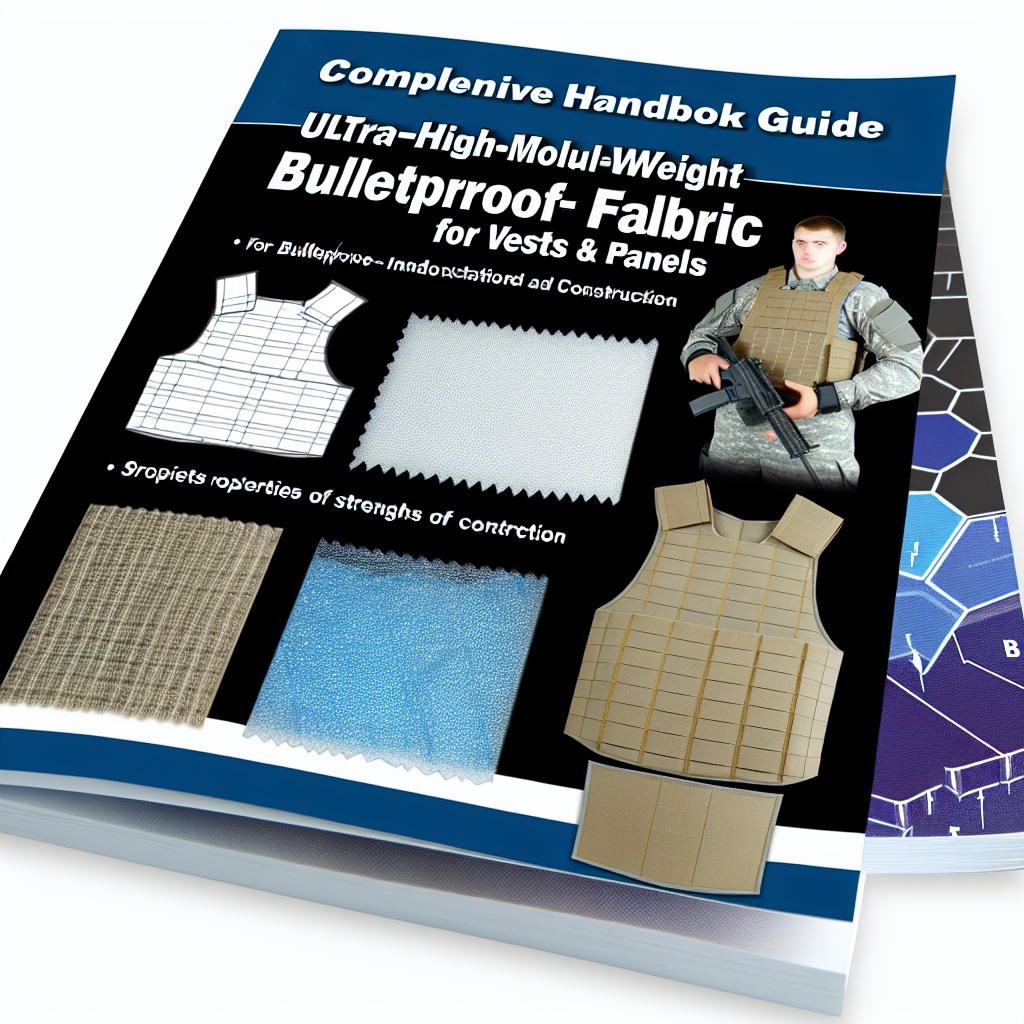
Ultra-high-molecular-weight polyethylene (UHMWPE) fabric has emerged as a revolutionary material in the field of body armor and protective gear, owing to its exceptional strength-to-weight ratio and remarkable resistance to abrasion and impact. This advanced synthetic fiber is increasingly being utilized in the production of vests and panels designed to protect against ballistic threats, stab wounds, and other forms of physical harm. The applications of UHMWPE fabric in body armor are diverse, reflecting its versatility and effectiveness in enhancing personal safety.
One of the primary applications of UHMWPE fabric is in the manufacturing of ballistic vests. These vests are designed to provide protection against various types of ammunition, including handgun and rifle rounds. The lightweight nature of UHMWPE allows for the creation of armor that is not only effective but also comfortable for the wearer. This is particularly important for military personnel and law enforcement officers who require mobility and agility in high-stress situations. The incorporation of UHMWPE into ballistic vests has led to the development of soft armor solutions that can be worn discreetly under clothing, thereby offering protection without compromising on style or comfort.
In addition to vests, UHMWPE fabric is also utilized in the production of hard armor plates. These plates are often inserted into vests to provide additional protection against higher-caliber threats. The unique properties of UHMWPE allow these plates to be significantly lighter than traditional ceramic or steel alternatives, making them easier to carry and wear for extended periods. This reduction in weight does not come at the expense of performance; in fact, UHMWPE plates have been shown to effectively dissipate the energy of incoming projectiles, thereby reducing the risk of injury to the wearer.
Moreover, the applications of UHMWPE fabric extend beyond personal body armor to include protective gear for various industries. For instance, in the field of law enforcement, officers often require additional protection when engaging in high-risk operations. UHMWPE is used in tactical gear such as helmets, shields, and knee and elbow pads, providing a comprehensive protective solution. The fabric’s resistance to cuts and abrasions ensures that officers remain safe from sharp objects and other hazards they may encounter during their duties.
Furthermore, the use of UHMWPE in protective gear is not limited to military and law enforcement applications. The fabric is increasingly being adopted in civilian markets, particularly for sports and outdoor activities. For example, UHMWPE is used in protective clothing for extreme sports enthusiasts, offering a lightweight yet durable option for those engaged in activities such as mountain biking, rock climbing, and motor racing. The ability of UHMWPE to withstand harsh conditions while providing comfort and flexibility makes it an ideal choice for individuals seeking reliable protection.
In conclusion, the applications of UHMWPE fabric in body armor and protective gear are vast and varied, reflecting its unique properties and advantages. From ballistic vests and hard armor plates to tactical gear and civilian protective clothing, UHMWPE has established itself as a critical material in enhancing personal safety across multiple sectors. As technology continues to advance, it is likely that the use of UHMWPE will expand further, leading to even more innovative solutions in the realm of protective gear. The ongoing development of this material promises to enhance the safety and performance of body armor, ultimately contributing to the well-being of those who rely on it for protection in their daily lives.
Maintenance and Care Tips for UHMWPE Vests and Panels
Maintaining and caring for UHMWPE (Ultra-High Molecular Weight Polyethylene) vests and panels is essential to ensure their longevity and effectiveness in providing ballistic protection. As a high-performance material, UHMWPE is known for its exceptional strength-to-weight ratio, resistance to abrasion, and low moisture absorption. However, like any protective gear, it requires proper maintenance to retain its protective qualities and extend its lifespan.
To begin with, it is crucial to follow the manufacturer’s guidelines regarding cleaning and care. Most UHMWPE vests and panels can be cleaned with mild soap and water. It is advisable to use a soft cloth or sponge to gently scrub the surface, avoiding harsh chemicals or abrasive materials that could damage the fabric. After cleaning, it is important to rinse thoroughly to remove any soap residue, as leftover chemicals can degrade the material over time. Once rinsed, the vest or panel should be air-dried in a well-ventilated area, away from direct sunlight, which can cause UV degradation.
In addition to regular cleaning, inspecting the vests and panels for signs of wear and tear is a vital part of maintenance. Users should routinely check for fraying edges, punctures, or any other damage that could compromise the integrity of the protective gear. If any issues are detected, it is advisable to consult with the manufacturer or a professional service for repairs or replacement. Timely attention to these details can prevent minor issues from escalating into significant problems that could affect performance.
Furthermore, proper storage of UHMWPE vests and panels is essential for maintaining their condition. When not in use, these items should be stored in a cool, dry place, away from extreme temperatures and humidity. Avoid folding or compressing the fabric for extended periods, as this can lead to creasing and potential weakening of the material. Instead, hanging the vests or storing them flat can help preserve their shape and structural integrity.
Another important aspect of care involves avoiding exposure to certain environmental factors. While UHMWPE is resistant to many chemicals, it is still advisable to keep the fabric away from harsh solvents, oils, and other substances that could cause degradation. Additionally, users should be cautious about exposing their vests and panels to sharp objects that could puncture or cut the material. By being mindful of these precautions, users can significantly enhance the durability of their protective gear.
Moreover, it is beneficial to periodically assess the fit and comfort of the vests. Over time, changes in body shape or weight can affect how well the vest fits, which in turn can impact its effectiveness. Ensuring a proper fit not only enhances comfort but also maximizes the protective capabilities of the vest. If adjustments are needed, consulting with a professional for resizing or modifications is recommended.
In conclusion, the maintenance and care of UHMWPE vests and panels are critical for ensuring their performance and longevity. By adhering to cleaning guidelines, conducting regular inspections, storing the gear properly, and being mindful of environmental factors, users can maintain the integrity of their protective equipment. Ultimately, a commitment to proper care will not only extend the life of UHMWPE vests and panels but also ensure that they continue to provide the necessary protection when it is most needed.
Q&A
1. **What is UHMWPE fabric and why is it used in vests and panels?**
UHMWPE (Ultra-High Molecular Weight Polyethylene) fabric is a high-performance material known for its exceptional strength-to-weight ratio, abrasion resistance, and low moisture absorption. It is used in vests and panels for ballistic protection due to its ability to absorb and disperse impact energy.
2. **How does Bulletproof UHMWPE fabric compare to traditional ballistic materials?**
Bulletproof UHMWPE fabric is lighter and more flexible than traditional ballistic materials like Kevlar, providing similar or superior protection while enhancing comfort and mobility for the wearer.
3. **What are the maintenance requirements for UHMWPE ballistic vests and panels?**
UHMWPE ballistic vests and panels should be cleaned with mild soap and water, avoiding harsh chemicals that can degrade the material. They should be air-dried and stored in a cool, dry place to maintain their protective properties.