


-
Table of Contents
“Aramid Mesh: The High-Performance Solution for Strength and Durability in Industrial Applications.”
Introduction
Aramid mesh is a high-performance fabric made from aramid fibers, known for their exceptional strength, durability, and resistance to heat and chemicals. These properties make aramid mesh an ideal material for various industrial applications, including protective clothing, reinforcement in composite materials, filtration systems, and insulation. Its lightweight nature combined with high tensile strength allows it to be used in demanding environments such as aerospace, automotive, and manufacturing, where safety and performance are critical. The versatility of aramid mesh also extends to applications in the construction industry, where it is utilized for reinforcing concrete and enhancing structural integrity.
Aramid Mesh Properties and Characteristics
Aramid mesh is a specialized material known for its unique properties and characteristics, making it an essential component in various industrial applications. Derived from aramid fibers, which are a class of heat-resistant and strong synthetic fibers, aramid mesh exhibits remarkable durability and resilience. One of the most notable properties of aramid mesh is its exceptional tensile strength. This strength allows it to withstand significant stress and strain, making it ideal for use in environments where mechanical integrity is paramount. Furthermore, aramid fibers are inherently resistant to abrasion, which enhances the longevity of the mesh in demanding applications.
In addition to its strength, aramid mesh is also recognized for its lightweight nature. This characteristic is particularly advantageous in industries where weight reduction is critical, such as aerospace and automotive sectors. The combination of high strength and low weight allows for the design of more efficient structures and components, ultimately leading to improved performance and fuel efficiency. Moreover, aramid mesh exhibits excellent dimensional stability, meaning it maintains its shape and size under varying conditions, which is crucial for applications requiring precision and reliability.
Another significant property of aramid mesh is its thermal resistance. Aramid fibers can withstand high temperatures without losing their structural integrity, making them suitable for use in environments exposed to heat and flames. This thermal stability is particularly beneficial in industries such as firefighting, aerospace, and manufacturing, where materials are often subjected to extreme conditions. Additionally, aramid mesh is resistant to chemical degradation, which further broadens its applicability in industrial settings. It can withstand exposure to various chemicals, oils, and solvents, ensuring that it remains functional and effective even in harsh environments.
The versatility of aramid mesh extends to its ability to be engineered into various forms, including woven, knitted, or non-woven structures. This adaptability allows manufacturers to tailor the mesh to meet specific requirements, whether for reinforcement, filtration, or protective applications. For instance, in the field of personal protective equipment, aramid mesh is often used in the production of gloves, vests, and other gear designed to protect against cuts, abrasions, and heat. The incorporation of aramid mesh into these products enhances their protective qualities while maintaining comfort and flexibility for the wearer.
Furthermore, aramid mesh is often utilized in composite materials, where it serves as a reinforcement layer. This application is particularly prevalent in the aerospace and automotive industries, where lightweight and strong materials are essential for improving fuel efficiency and overall performance. The integration of aramid mesh into composite structures not only enhances their mechanical properties but also contributes to weight savings, which is a critical factor in design considerations.
In summary, the properties and characteristics of aramid mesh make it a valuable material in various industrial settings. Its exceptional tensile strength, lightweight nature, thermal resistance, and chemical stability position it as a preferred choice for applications requiring durability and reliability. As industries continue to evolve and demand materials that can withstand increasingly challenging conditions, the role of aramid mesh is likely to expand, further solidifying its importance in modern manufacturing and engineering practices. The ongoing development of aramid mesh technology promises to unlock new possibilities, ensuring that it remains at the forefront of industrial innovation.
Applications of Aramid Mesh in Industrial Settings
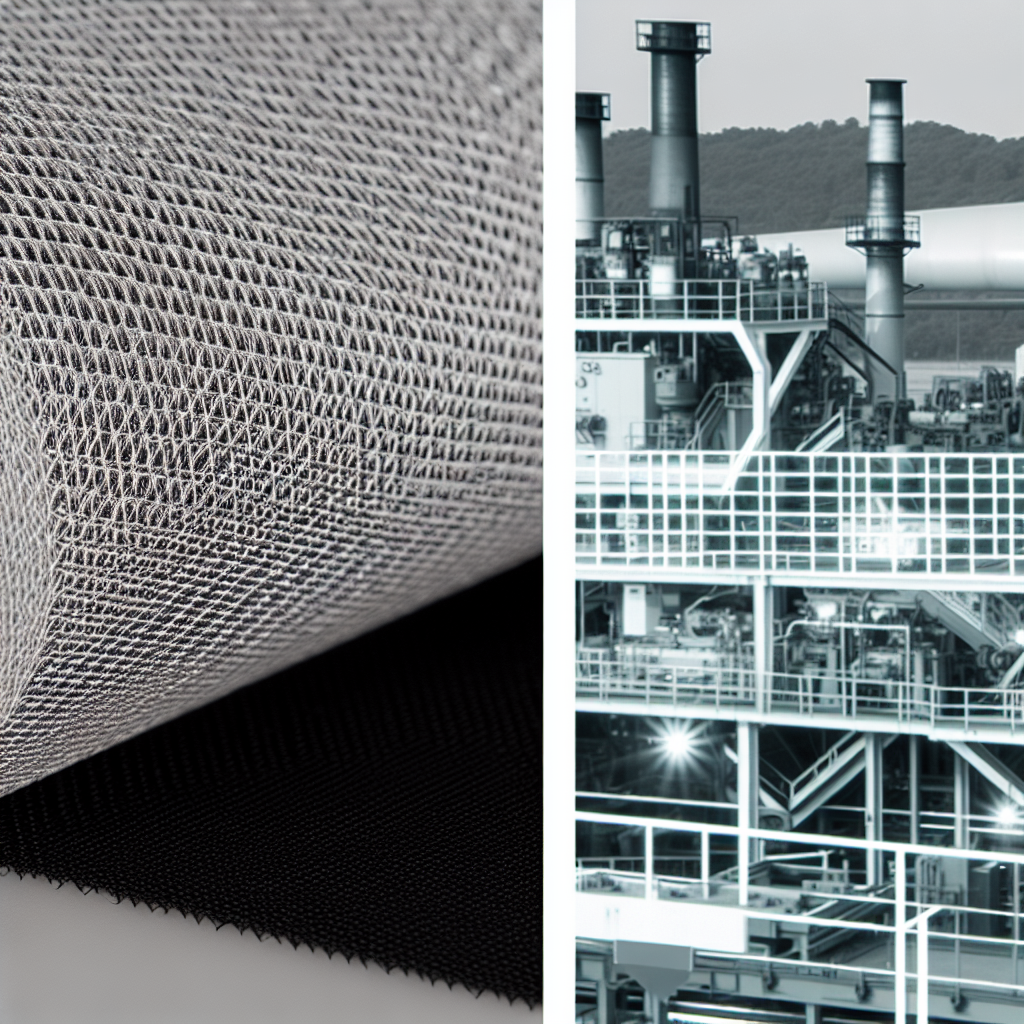
Aramid mesh, a high-performance material derived from aramid fibers, has gained significant traction in various industrial applications due to its exceptional strength, durability, and resistance to heat and chemicals. This unique combination of properties makes aramid mesh an ideal choice for industries that require materials capable of withstanding extreme conditions while maintaining structural integrity. One of the most prominent applications of aramid mesh is in the manufacturing of protective clothing and gear. In environments where workers are exposed to hazardous materials, extreme temperatures, or potential cuts and abrasions, aramid mesh provides a lightweight yet robust solution. For instance, firefighters and industrial workers often rely on aramid-based protective suits that not only shield them from flames but also offer resistance to chemicals and mechanical hazards.
In addition to personal protective equipment, aramid mesh is extensively utilized in the aerospace and automotive industries. The lightweight nature of aramid fibers contributes to fuel efficiency and performance in aircraft and vehicles. In aerospace applications, aramid mesh is often incorporated into composite materials used for structural components, enhancing their strength-to-weight ratio. This is particularly crucial in the aerospace sector, where every ounce of weight saved can lead to significant improvements in fuel consumption and overall efficiency. Similarly, in the automotive industry, aramid mesh is employed in the production of high-performance tires and brake pads, where its heat resistance and durability are essential for safety and performance.
Moreover, aramid mesh finds its place in the construction industry, where it is used as a reinforcement material in concrete and other building materials. By integrating aramid mesh into concrete, engineers can significantly enhance the tensile strength and impact resistance of structures. This application is particularly beneficial in areas prone to seismic activity, where buildings must withstand significant stress and strain. The use of aramid mesh in construction not only improves the longevity of structures but also contributes to safety by reducing the likelihood of catastrophic failures.
Furthermore, the electrical and electronics industries have also recognized the advantages of aramid mesh. In this sector, aramid fibers are often used in the production of insulation materials and protective casings for cables and electronic components. The inherent flame resistance of aramid mesh makes it an excellent choice for applications where electrical safety is paramount. By providing a barrier against heat and potential fire hazards, aramid mesh helps ensure the reliability and longevity of electronic devices.
In addition to these applications, aramid mesh is increasingly being explored for use in the sports and leisure industries. High-performance sporting goods, such as bicycles and protective gear for extreme sports, benefit from the lightweight yet strong characteristics of aramid fibers. This trend reflects a growing recognition of the versatility of aramid mesh across diverse fields.
In conclusion, the applications of aramid mesh in industrial settings are vast and varied, spanning protective clothing, aerospace, automotive, construction, electrical insulation, and even sports equipment. Its unique properties make it an invaluable material in environments where safety, durability, and performance are critical. As industries continue to evolve and seek innovative solutions to meet their challenges, the role of aramid mesh is likely to expand further, solidifying its position as a cornerstone material in modern industrial applications.
Benefits of Using Aramid Mesh in Manufacturing Processes
Aramid mesh, a high-performance material derived from aramid fibers, has gained significant traction in various industrial settings due to its unique properties and advantages. One of the primary benefits of using aramid mesh in manufacturing processes is its exceptional strength-to-weight ratio. This characteristic allows manufacturers to create lightweight yet durable products, which is particularly advantageous in industries where reducing weight can lead to improved efficiency and performance. For instance, in the aerospace and automotive sectors, the use of aramid mesh can contribute to lighter components that enhance fuel efficiency without compromising structural integrity.
In addition to its strength, aramid mesh exhibits remarkable resistance to abrasion and wear. This durability makes it an ideal choice for applications that involve high levels of friction or exposure to harsh environments. For example, in the production of conveyor belts and protective clothing, aramid mesh can significantly extend the lifespan of these products, reducing the need for frequent replacements and ultimately lowering operational costs. Furthermore, the inherent resistance of aramid fibers to chemicals and solvents adds another layer of protection, making aramid mesh suitable for use in environments where exposure to corrosive substances is a concern.
Another notable benefit of aramid mesh is its thermal stability. Aramid fibers can withstand high temperatures without losing their structural integrity, which is crucial in industries such as manufacturing and processing, where heat is often a byproduct of operations. This thermal resistance allows for the safe use of aramid mesh in applications such as insulation materials and heat shields, ensuring that equipment and personnel remain protected from extreme temperatures. Consequently, the incorporation of aramid mesh into manufacturing processes can enhance safety standards and reduce the risk of heat-related incidents.
Moreover, aramid mesh is known for its excellent dimensional stability. This property ensures that the material maintains its shape and size under varying conditions, which is essential for precision manufacturing. In industries where tolerances are critical, such as electronics and automotive manufacturing, the use of aramid mesh can help ensure that components fit together seamlessly, thereby improving overall product quality. The reliability of aramid mesh in maintaining its dimensions over time also contributes to reduced waste and increased efficiency in production processes.
In addition to these mechanical properties, aramid mesh is also lightweight and flexible, which facilitates ease of handling and installation. This flexibility allows manufacturers to incorporate aramid mesh into a wide range of applications, from composite materials to filtration systems. The adaptability of aramid mesh means that it can be tailored to meet specific requirements, making it a versatile choice for various manufacturing needs.
Furthermore, the use of aramid mesh can contribute to sustainability efforts within manufacturing processes. By enhancing the durability and lifespan of products, aramid mesh can help reduce waste and the environmental impact associated with frequent replacements. As industries increasingly prioritize sustainability, the adoption of materials like aramid mesh aligns with these goals, promoting a more responsible approach to manufacturing.
In conclusion, the benefits of using aramid mesh in manufacturing processes are manifold. Its strength, durability, thermal stability, dimensional stability, and flexibility make it an invaluable material across various industrial applications. As manufacturers continue to seek innovative solutions to enhance efficiency and sustainability, aramid mesh stands out as a material that not only meets but exceeds the demands of modern manufacturing.
Q&A
1. **What is aramid mesh?**
Aramid mesh is a type of fabric made from aramid fibers, known for their high strength, heat resistance, and durability. It is often used in applications requiring lightweight yet strong materials.
2. **Where is aramid mesh used in industrial settings?**
Aramid mesh is commonly used in applications such as protective clothing, reinforcement in composite materials, and as a component in filtration systems due to its resistance to chemicals and high temperatures.
3. **What are the benefits of using aramid mesh in industrial applications?**
The benefits include excellent tensile strength, resistance to abrasion and chemicals, lightweight properties, and the ability to withstand high temperatures, making it suitable for demanding environments.