


-
Table of Contents
“Aramid Nonwoven Fabric: Elevating Filtration Efficiency and Insulation Performance.”
Introduction
Aramid nonwoven fabric, known for its exceptional strength and thermal stability, plays a pivotal role in enhancing filtration and insulation applications. Composed of synthetic fibers derived from aromatic polyamides, this innovative material exhibits remarkable resistance to heat, chemicals, and abrasion. Its unique structure allows for efficient air and liquid filtration, making it ideal for use in industrial and environmental applications. Additionally, the fabric’s insulating properties contribute to energy efficiency in various settings, from construction to automotive industries. By combining durability with high-performance characteristics, aramid nonwoven fabric stands out as a superior choice for enhancing both filtration and insulation solutions.
Aramid Nonwoven Fabric: A Game Changer in Filtration Efficiency
Aramid nonwoven fabric has emerged as a transformative material in various industrial applications, particularly in the realms of filtration and insulation. This innovative fabric, composed of synthetic fibers derived from aromatic polyamides, is renowned for its exceptional strength, durability, and thermal stability. As industries increasingly seek materials that can withstand harsh conditions while providing superior performance, aramid nonwoven fabric stands out as a game changer in filtration efficiency.
One of the primary advantages of aramid nonwoven fabric is its unique structure, which allows for enhanced filtration capabilities. The nonwoven nature of the fabric means that it is composed of randomly oriented fibers, creating a complex network that effectively captures particles of varying sizes. This characteristic is particularly beneficial in applications such as air and liquid filtration, where the removal of contaminants is crucial for maintaining product quality and ensuring safety. The high surface area provided by the nonwoven structure facilitates the trapping of particulate matter, thereby improving the overall efficiency of the filtration process.
Moreover, aramid nonwoven fabric exhibits remarkable resistance to chemical degradation, making it suitable for use in environments where exposure to harsh chemicals is a concern. This resilience not only extends the lifespan of the filtration media but also ensures consistent performance over time. As industries such as automotive, aerospace, and manufacturing increasingly rely on stringent filtration standards, the ability of aramid nonwoven fabric to maintain its integrity under challenging conditions becomes a significant advantage. Consequently, manufacturers are turning to this material to enhance the reliability and effectiveness of their filtration systems.
In addition to its filtration capabilities, aramid nonwoven fabric also plays a vital role in insulation applications. The thermal stability of aramid fibers allows them to withstand high temperatures without compromising their structural integrity. This property is particularly advantageous in industries where thermal insulation is critical, such as in the production of heat-resistant clothing, automotive components, and industrial equipment. By incorporating aramid nonwoven fabric into insulation solutions, manufacturers can achieve superior thermal performance while minimizing weight and bulk.
Furthermore, the lightweight nature of aramid nonwoven fabric contributes to its versatility across various applications. In the context of filtration, lighter materials can lead to reduced energy consumption in filtration systems, as less power is required to move air or liquids through the media. This not only enhances operational efficiency but also aligns with the growing emphasis on sustainability within industrial practices. As companies strive to reduce their environmental footprint, the adoption of lightweight, high-performance materials like aramid nonwoven fabric becomes increasingly appealing.
As industries continue to evolve, the demand for advanced materials that offer both performance and sustainability will only grow. Aramid nonwoven fabric, with its unique combination of filtration efficiency and thermal insulation properties, is well-positioned to meet these needs. By leveraging the strengths of this innovative material, manufacturers can enhance their products and processes, ultimately leading to improved outcomes in terms of quality, safety, and environmental impact.
In conclusion, aramid nonwoven fabric represents a significant advancement in filtration efficiency and insulation performance. Its unique structural characteristics, chemical resistance, and lightweight nature make it an ideal choice for a wide range of applications. As industries increasingly prioritize efficiency and sustainability, the role of aramid nonwoven fabric will undoubtedly continue to expand, solidifying its status as a game changer in the field of filtration and insulation.
The Role of Aramid Nonwoven Fabric in Thermal Insulation
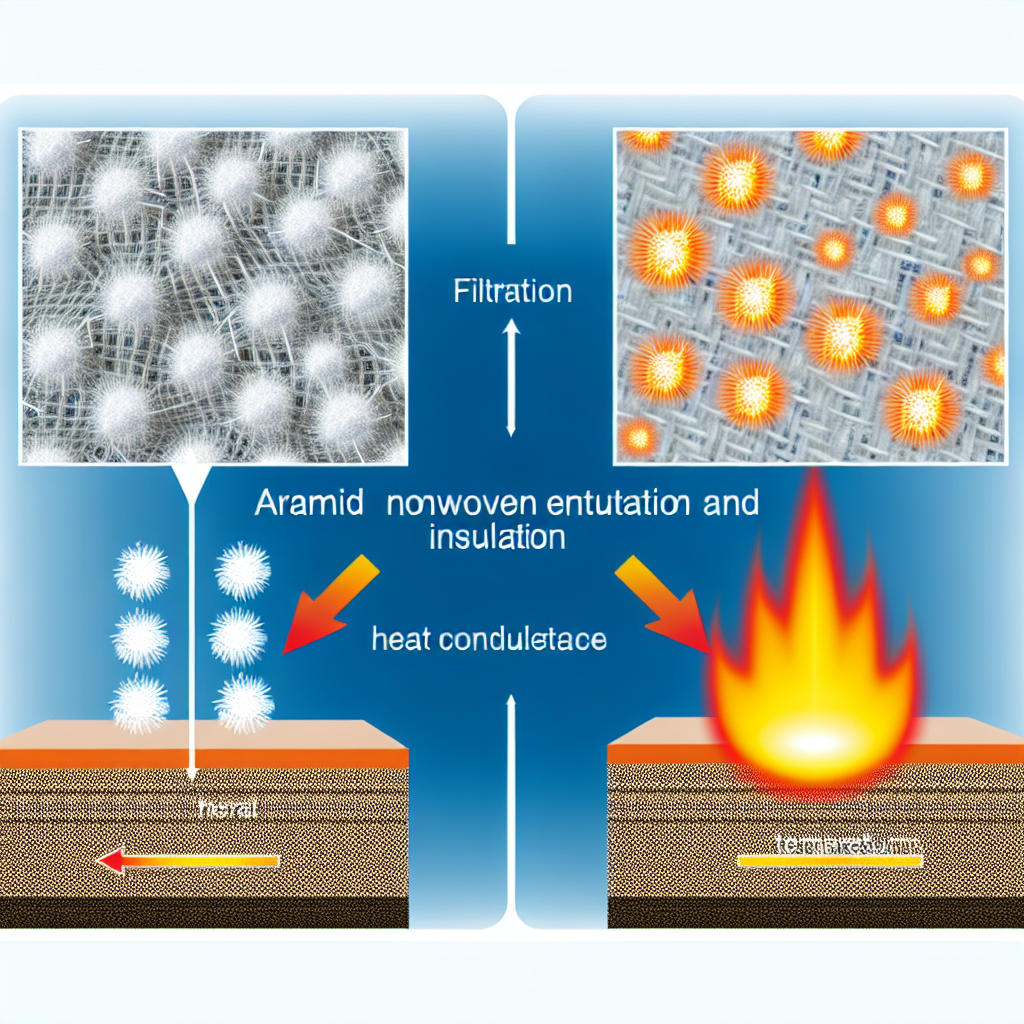
Aramid nonwoven fabric plays a pivotal role in the realm of thermal insulation, offering unique properties that enhance both performance and efficiency. This specialized material, derived from aromatic polyamide fibers, is renowned for its exceptional strength, durability, and resistance to high temperatures. As industries increasingly seek innovative solutions to improve energy efficiency and reduce heat loss, aramid nonwoven fabric emerges as a formidable contender in the insulation market.
One of the primary advantages of aramid nonwoven fabric is its ability to withstand extreme temperatures without compromising structural integrity. Unlike traditional insulation materials, which may degrade or lose effectiveness when exposed to high heat, aramid fibers maintain their performance under challenging conditions. This characteristic is particularly beneficial in applications such as aerospace, automotive, and industrial settings, where thermal insulation is critical for both safety and efficiency. By providing a reliable barrier against heat transfer, aramid nonwoven fabric helps to maintain optimal operating temperatures, thereby enhancing the overall performance of equipment and systems.
Moreover, the lightweight nature of aramid nonwoven fabric contributes significantly to its effectiveness as an insulating material. Its low density allows for easy handling and installation, making it an attractive option for manufacturers and builders alike. This lightweight quality does not detract from its insulating capabilities; rather, it enhances them by allowing for more efficient layering and application. As a result, aramid nonwoven fabric can be integrated into various designs without adding unnecessary bulk, thereby optimizing space and weight considerations in applications where every ounce counts.
In addition to its thermal properties, aramid nonwoven fabric also exhibits excellent resistance to moisture and chemical exposure. This feature is particularly important in environments where insulation materials may be subjected to harsh conditions, such as chemical processing plants or marine applications. The ability to resist moisture not only prolongs the lifespan of the insulation but also prevents the growth of mold and mildew, which can compromise both health and safety. Consequently, aramid nonwoven fabric serves as a reliable choice for industries that require robust and long-lasting insulation solutions.
Furthermore, the versatility of aramid nonwoven fabric allows it to be tailored for specific applications. Manufacturers can modify the fabric’s thickness, density, and layering to meet the unique requirements of different industries. This adaptability ensures that aramid nonwoven fabric can be effectively utilized in a wide range of thermal insulation applications, from building construction to specialized equipment insulation. As a result, it has become a preferred choice for engineers and designers seeking to optimize thermal performance while adhering to stringent safety standards.
In conclusion, the role of aramid nonwoven fabric in thermal insulation is characterized by its exceptional properties, including high-temperature resistance, lightweight design, moisture and chemical resistance, and versatility. These attributes not only enhance the effectiveness of thermal insulation but also contribute to improved energy efficiency and safety across various industries. As the demand for advanced insulation solutions continues to grow, aramid nonwoven fabric stands out as a leading material that meets the challenges of modern applications. By integrating this innovative fabric into their designs, manufacturers can ensure that they are equipped with the best tools to combat heat loss and enhance overall performance, ultimately leading to more sustainable and efficient systems.
Comparing Aramid Nonwoven Fabric to Traditional Filtration Materials
Aramid nonwoven fabric has emerged as a significant player in the realm of filtration and insulation, particularly when compared to traditional materials. To understand the advantages of aramid nonwoven fabric, it is essential to first consider the characteristics of conventional filtration materials, such as fiberglass, polyester, and cellulose. These traditional options have long been utilized in various applications due to their availability and cost-effectiveness. However, they often fall short in terms of performance, durability, and environmental resistance.
One of the primary distinctions between aramid nonwoven fabric and traditional filtration materials lies in the inherent properties of aramid fibers. Known for their exceptional strength and thermal stability, aramid fibers can withstand high temperatures and harsh chemical environments, making them ideal for demanding applications. In contrast, traditional materials like fiberglass can become brittle over time, especially when exposed to moisture or extreme temperatures. This brittleness can lead to a decrease in filtration efficiency and an increased risk of material failure, which can compromise the overall integrity of the filtration system.
Moreover, aramid nonwoven fabric exhibits superior filtration efficiency due to its unique structure. The nonwoven manufacturing process allows for a dense yet porous fabric that can capture a wide range of particulate sizes, from larger dust particles to fine aerosols. This capability is particularly advantageous in industrial settings where air quality is paramount. Traditional filtration materials, while effective to a degree, often struggle to achieve the same level of efficiency, especially when it comes to fine particulate matter. As a result, the use of aramid nonwoven fabric can lead to improved air quality and reduced health risks for workers in various industries.
In addition to its filtration capabilities, aramid nonwoven fabric also excels in insulation applications. The thermal resistance of aramid fibers allows them to maintain their insulating properties even under extreme conditions. This characteristic is particularly beneficial in industries such as aerospace and automotive, where components are frequently exposed to high temperatures. Traditional insulation materials, such as fiberglass or foam, may not provide the same level of performance, as they can degrade or lose their insulating properties over time. Consequently, the longevity and reliability of aramid nonwoven fabric make it a superior choice for applications requiring consistent thermal performance.
Furthermore, the lightweight nature of aramid nonwoven fabric contributes to its advantages over traditional materials. In many applications, reducing weight is crucial for enhancing efficiency and performance. For instance, in the automotive industry, lighter materials can lead to improved fuel efficiency and reduced emissions. Traditional filtration and insulation materials often add unnecessary weight, which can hinder overall system performance. By incorporating aramid nonwoven fabric, manufacturers can achieve a balance between strength and weight, ultimately leading to more efficient designs.
In conclusion, the comparison between aramid nonwoven fabric and traditional filtration materials reveals significant advantages for the former. With its superior strength, thermal stability, and filtration efficiency, aramid nonwoven fabric stands out as a modern solution for both filtration and insulation needs. As industries continue to seek innovative materials that enhance performance while addressing environmental concerns, the adoption of aramid nonwoven fabric is likely to increase. This shift not only promises improved operational efficiency but also contributes to a safer and more sustainable future across various sectors.
Q&A
1. **Question:** How does aramid nonwoven fabric improve filtration efficiency?
**Answer:** Aramid nonwoven fabric enhances filtration efficiency due to its fine fiber structure, which creates a dense network that captures smaller particles and contaminants, making it effective for air and liquid filtration applications.
2. **Question:** What properties of aramid nonwoven fabric contribute to its insulation capabilities?
**Answer:** The low thermal conductivity and high tensile strength of aramid nonwoven fabric contribute to its insulation capabilities, allowing it to resist heat transfer while maintaining structural integrity under extreme conditions.
3. **Question:** In what applications is aramid nonwoven fabric particularly beneficial for both filtration and insulation?
**Answer:** Aramid nonwoven fabric is particularly beneficial in applications such as industrial filtration systems, protective clothing, and automotive components, where both filtration efficiency and thermal insulation are critical for performance and safety.