


-
Table of Contents
“Unyielding Protection: Best Aramid Fabric for Ultimate Fire-Resistant Workwear.”
Introduction
Aramid fabric, known for its exceptional heat and flame resistance, is a preferred choice for manufacturing fire-resistant workwear. This high-performance material, often associated with brands like Kevlar and Nomex, offers superior durability and protection in hazardous environments. Its unique properties, including lightweight construction and excellent tensile strength, make it ideal for industries such as firefighting, oil and gas, and electrical work. As safety regulations become increasingly stringent, selecting the best aramid fabric for fire-resistant workwear is crucial for ensuring worker safety and compliance with industry standards. This introduction explores the key features and benefits of aramid fabrics, highlighting their role in enhancing the safety and performance of protective clothing.
Top Aramid Fabrics for Fire-Resistant Workwear
When it comes to fire-resistant workwear, the choice of fabric is paramount, and aramid fabrics have emerged as a leading option due to their exceptional heat and flame resistance. Among the various types of aramid fabrics available, several stand out for their unique properties and suitability for protective clothing. Understanding these fabrics is essential for manufacturers and consumers alike, as it ensures that the right materials are selected for optimal safety and performance in hazardous environments.
One of the most recognized aramid fabrics is Kevlar, which is renowned for its high tensile strength and durability. Originally developed for use in bulletproof vests, Kevlar has found its way into various applications, including fire-resistant workwear. Its ability to withstand extreme temperatures, combined with its lightweight nature, makes it an ideal choice for workers in industries such as firefighting, oil and gas, and electrical utilities. Moreover, Kevlar’s resistance to abrasion and cuts further enhances its appeal, as it provides not only thermal protection but also physical safety.
Another noteworthy aramid fabric is Nomex, which is specifically engineered for thermal protection. Nomex is inherently flame-resistant, meaning that it does not require any chemical treatments to achieve its protective qualities. This characteristic is particularly advantageous, as it ensures that the fabric maintains its fire-resistant properties throughout its lifespan, even after multiple washes. Nomex is widely used in the manufacturing of uniforms for firefighters, race car drivers, and industrial workers, where exposure to high heat and flames is a constant risk. Its ability to dissipate heat and wick moisture away from the body also contributes to comfort, making it a preferred choice for long hours of wear.
In addition to Kevlar and Nomex, PBI (Polybenzimidazole) is another aramid fabric that deserves attention. PBI is known for its outstanding thermal stability and resistance to combustion, making it suitable for extreme heat environments. This fabric is often used in high-performance firefighting gear and protective suits for hazardous materials handling. PBI’s unique structure allows it to maintain its integrity even at elevated temperatures, providing an additional layer of safety for workers exposed to flames and heat. Furthermore, PBI garments are often designed to be lightweight and flexible, ensuring that wearers can move freely while remaining protected.
Transitioning to blends, aramid fabrics are frequently combined with other materials to enhance their performance characteristics. For instance, blends of Nomex with cotton or polyester can provide improved comfort and breathability while retaining fire-resistant properties. These blended fabrics are particularly beneficial in applications where comfort is as crucial as safety, such as in the manufacturing of work shirts and pants for industrial workers. The combination of aramid fibers with other textiles can also lead to improved durability and ease of care, making them practical choices for everyday use.
In conclusion, the selection of the best aramid fabric for fire-resistant workwear hinges on understanding the unique properties of each type. Kevlar, Nomex, and PBI each offer distinct advantages that cater to different needs within hazardous work environments. By considering factors such as heat resistance, durability, and comfort, manufacturers can make informed decisions that enhance the safety and performance of their protective clothing. As industries continue to prioritize worker safety, the role of advanced aramid fabrics will undoubtedly remain central to the development of effective fire-resistant workwear.
Benefits of Using Aramid Fabric in Protective Clothing
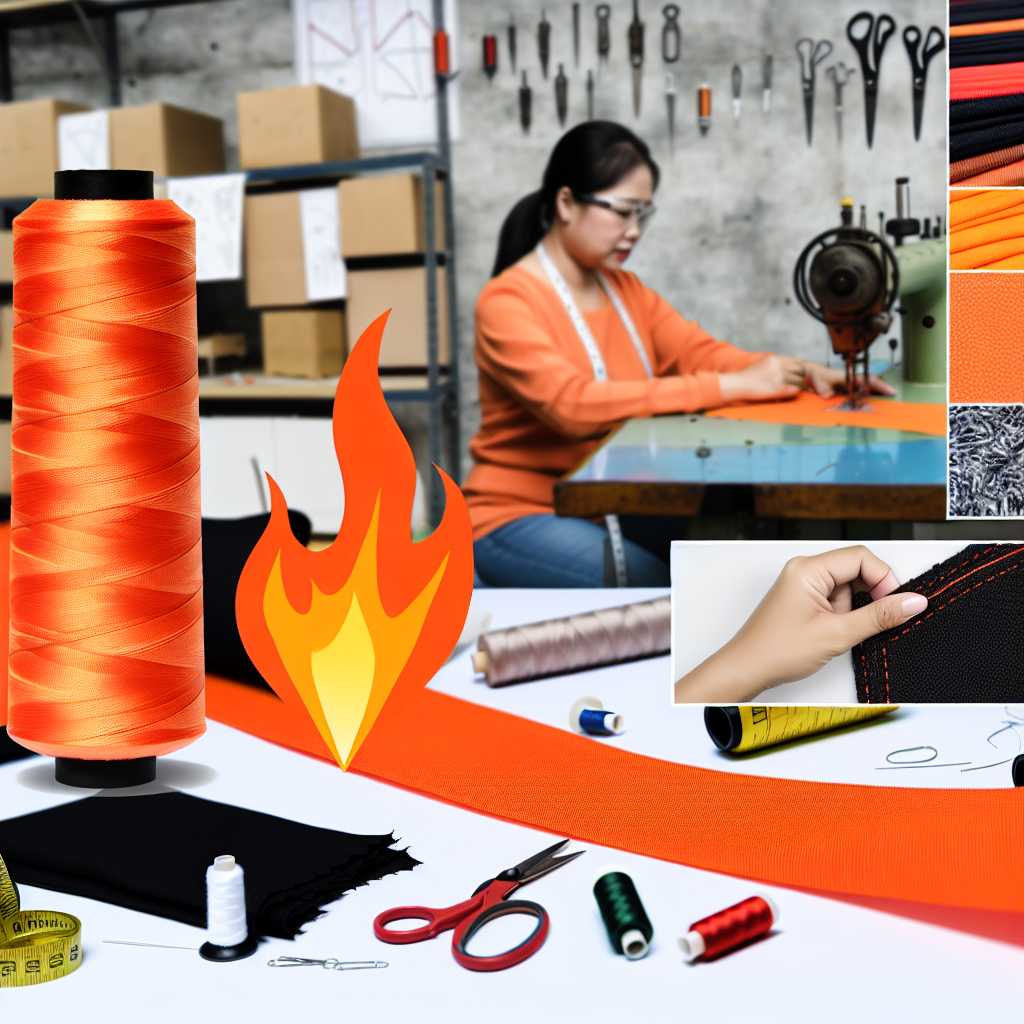
Aramid fabric has emerged as a leading choice for protective clothing, particularly in industries where fire resistance is paramount. The unique properties of aramid fibers, such as their exceptional heat resistance and durability, make them an ideal material for workwear designed to safeguard individuals from hazardous environments. One of the most significant benefits of aramid fabric is its ability to withstand high temperatures without melting or igniting. This characteristic is crucial for workers in fields such as firefighting, electrical maintenance, and metalworking, where exposure to flames or extreme heat is a daily risk. Unlike conventional fabrics, aramid fibers maintain their structural integrity even when subjected to intense heat, thereby providing a reliable barrier against potential burns.
In addition to their heat resistance, aramid fabrics are also known for their outstanding tensile strength. This strength ensures that protective clothing made from aramid can endure the rigors of demanding work environments without tearing or fraying. As a result, garments crafted from aramid fabric not only offer superior protection but also have a longer lifespan compared to those made from other materials. This durability translates into cost savings for employers, as they can invest in fewer replacements over time while ensuring their workforce remains adequately protected.
Moreover, aramid fabrics are lightweight and comfortable, which is an essential consideration for workwear. Workers often need to wear protective clothing for extended periods, and heavy or cumbersome garments can lead to fatigue and decreased productivity. The lightweight nature of aramid fabric allows for greater mobility and comfort, enabling workers to perform their tasks efficiently without being hindered by their clothing. This balance of protection and comfort is particularly beneficial in high-stress environments where focus and agility are critical.
Another notable advantage of aramid fabric is its inherent resistance to chemicals and abrasion. In many industrial settings, workers are exposed to various hazardous substances that can compromise the integrity of their clothing. Aramid fibers resist degradation from chemicals, ensuring that protective garments remain effective even in challenging conditions. Additionally, the abrasion resistance of aramid fabric helps prevent wear and tear from contact with rough surfaces, further enhancing the longevity of the clothing.
Furthermore, aramid fabrics can be engineered to meet specific safety standards, making them versatile for various applications. Different blends and weaves can be developed to enhance specific properties, such as flame resistance or moisture-wicking capabilities. This adaptability allows manufacturers to create tailored solutions that meet the unique needs of different industries, ensuring that workers receive the best possible protection.
In conclusion, the benefits of using aramid fabric in protective clothing are manifold. Its exceptional heat resistance, durability, lightweight nature, chemical resistance, and adaptability make it an ideal choice for fire-resistant workwear. As industries continue to prioritize worker safety, the demand for high-quality protective clothing made from aramid fabric is likely to grow. By investing in garments crafted from this advanced material, employers can ensure that their workforce is not only protected from the dangers of their environment but also equipped to perform at their best. Ultimately, the integration of aramid fabric into workwear represents a significant advancement in the ongoing effort to enhance safety and comfort in hazardous occupations.
Comparing Aramid Fabrics: Which is Best for Fire Resistance?
When it comes to selecting the best aramid fabric for making fire-resistant workwear, it is essential to understand the various types of aramid fibers available and their specific properties. Aramid fabrics, known for their exceptional strength and heat resistance, are widely used in industries where workers are exposed to high temperatures and potential fire hazards. Among the most common types of aramid fibers are Kevlar and Nomex, each offering unique advantages that cater to different applications.
Kevlar, a well-known aramid fiber, is primarily recognized for its high tensile strength and durability. It is often used in applications requiring cut and abrasion resistance, making it a popular choice for protective gear in industries such as construction and manufacturing. However, while Kevlar excels in mechanical strength, it is not inherently flame-resistant. Therefore, when considering fire-resistant workwear, Kevlar may need to be blended with other materials or treated with flame-retardant chemicals to enhance its fire resistance. This limitation can be a significant factor for employers seeking comprehensive protection for their workers.
On the other hand, Nomex is specifically engineered for thermal protection and is inherently flame-resistant. This aramid fiber is widely used in the production of fire-resistant clothing, particularly in sectors such as firefighting, electrical work, and oil and gas. Nomex fabrics can withstand high temperatures without melting or dripping, which is crucial in environments where exposure to flames is a constant risk. Additionally, Nomex maintains its protective qualities even after multiple washes, making it a practical choice for workwear that requires regular cleaning. The durability and longevity of Nomex fabrics contribute to their popularity among safety-conscious employers.
While both Kevlar and Nomex have their strengths, it is important to consider the specific needs of the work environment when choosing the best aramid fabric for fire-resistant workwear. For instance, in situations where workers are at risk of cuts and abrasions in addition to fire hazards, a blend of Kevlar and Nomex may provide the optimal balance of protection. This combination allows for enhanced mechanical strength while still offering the necessary thermal resistance. Furthermore, advancements in textile technology have led to the development of new aramid blends that incorporate other fibers, such as PBI (polybenzimidazole), which further improve fire resistance and comfort.
In addition to the type of aramid fabric, the weight and weave of the material also play a crucial role in its performance. Heavier fabrics tend to offer better protection against heat and flames, while lighter fabrics may provide increased comfort and breathability. Therefore, it is essential to evaluate the specific requirements of the job, including the level of exposure to heat and the need for mobility, when selecting the appropriate fabric weight and weave.
Ultimately, the best aramid fabric for making fire-resistant workwear will depend on a careful assessment of the work environment, the specific hazards present, and the desired balance between protection and comfort. By understanding the unique properties of different aramid fibers and considering the specific needs of the workforce, employers can make informed decisions that enhance safety and performance in high-risk settings. As industries continue to evolve, the development of innovative aramid fabrics will likely play a pivotal role in advancing fire-resistant workwear, ensuring that workers remain protected in increasingly hazardous environments.
Q&A
1. **What is the best aramid fabric for fire-resistant workwear?**
The best aramid fabric for fire-resistant workwear is typically Nomex, known for its excellent heat and flame resistance, durability, and comfort.
2. **What are the key properties of aramid fabrics used in fire-resistant clothing?**
Key properties include high thermal stability, flame resistance, abrasion resistance, and lightweight characteristics, which provide comfort and protection.
3. **How does aramid fabric compare to other fire-resistant materials?**
Aramid fabric, such as Nomex, generally offers superior heat resistance and durability compared to other materials like cotton or polyester, making it more suitable for high-risk environments.