


-
Table of Contents
“Aramid Yarn FR: Elevating Thermal and Fire Resistance for Ultimate Safety in Apparel.”
Introduction
Aramid yarn, known for its exceptional strength and thermal stability, plays a crucial role in enhancing the fire resistance and thermal protection of clothing. This high-performance fiber, commonly used in protective apparel, is engineered to withstand extreme temperatures and resist ignition, making it an ideal choice for industries where fire hazards are prevalent. The unique molecular structure of aramid yarn allows it to maintain its integrity under heat, providing a barrier against flames and reducing the risk of burns. As a result, garments made with aramid yarn not only offer superior protection but also ensure comfort and durability, making them essential for firefighters, military personnel, and workers in hazardous environments.
Aramid Yarn Properties and Their Role in Fire Resistance
Aramid yarn, a synthetic fiber known for its exceptional strength and thermal stability, plays a pivotal role in enhancing fire resistance in clothing. This unique material, which includes well-known brands such as Kevlar and Nomex, is characterized by its high tensile strength, low flammability, and excellent thermal insulation properties. These attributes make aramid yarn an ideal choice for protective clothing used in various high-risk environments, including firefighting, military applications, and industrial settings.
One of the most significant properties of aramid yarn is its ability to withstand high temperatures without melting or degrading. Unlike conventional fibers, which may ignite or lose structural integrity when exposed to flames, aramid fibers maintain their form and strength even in extreme heat. This characteristic is crucial for protective clothing, as it ensures that the garment remains intact and functional during exposure to fire. Furthermore, aramid yarn does not produce toxic fumes when burned, which is an essential consideration for the safety of individuals working in hazardous conditions.
In addition to its thermal stability, aramid yarn exhibits remarkable resistance to abrasion and chemical exposure. This durability is particularly important in environments where clothing may come into contact with sharp objects or hazardous substances. The ability of aramid fibers to resist wear and tear extends the lifespan of protective garments, making them a cost-effective solution for industries that require reliable fire-resistant clothing. Moreover, the chemical resistance of aramid yarn helps to protect the wearer from harmful substances that may be present in their working environment, further enhancing safety.
Another noteworthy aspect of aramid yarn is its lightweight nature. Despite its strength and protective qualities, aramid fibers are relatively lightweight compared to other materials used in fire-resistant clothing. This feature contributes to the overall comfort and mobility of the wearer, allowing for greater ease of movement during physically demanding tasks. The combination of lightweight construction and high-performance characteristics makes aramid yarn an attractive option for those who require both protection and comfort in their work attire.
Furthermore, the moisture-wicking properties of aramid yarn contribute to its effectiveness in fire-resistant clothing. By efficiently managing moisture, aramid fibers help to keep the wearer dry and comfortable, even in high-stress situations. This moisture management is particularly beneficial in preventing heat stress, which can occur when individuals are exposed to high temperatures for extended periods. As a result, aramid yarn not only provides thermal protection but also enhances the overall well-being of the wearer.
In conclusion, the properties of aramid yarn significantly enhance the fire resistance of clothing, making it an indispensable material in protective apparel. Its high tensile strength, thermal stability, abrasion resistance, lightweight nature, and moisture-wicking capabilities collectively contribute to the safety and comfort of individuals working in hazardous environments. As industries continue to prioritize worker safety, the demand for aramid yarn in fire-resistant clothing is likely to grow, further solidifying its role as a critical component in protective gear. By understanding the unique properties of aramid yarn, manufacturers and consumers alike can make informed decisions about the best materials for ensuring safety and performance in challenging conditions.
The Science Behind Thermal Protection in Aramid Yarn Fabrics
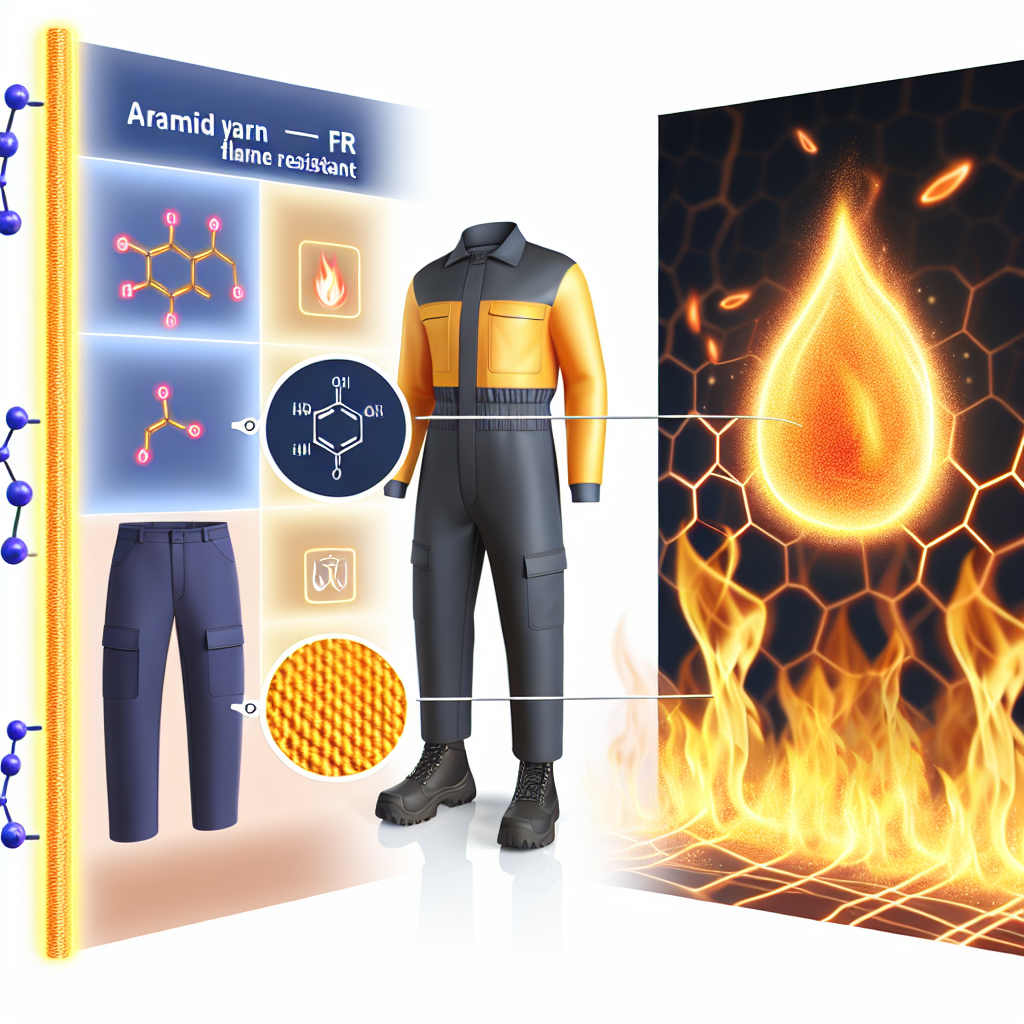
The science behind thermal protection in aramid yarn fabrics is rooted in the unique properties of aramid fibers, which are synthetic fibers known for their exceptional strength and heat resistance. Aramid yarns, such as Kevlar and Nomex, are engineered to withstand high temperatures and provide a barrier against flames, making them indispensable in various applications, particularly in protective clothing for firefighters, industrial workers, and military personnel. The molecular structure of aramid fibers plays a crucial role in their thermal protection capabilities. These fibers are composed of long chains of aromatic polyamides, which contribute to their high thermal stability. When exposed to heat, aramid fibers do not melt or drip, unlike many conventional synthetic fibers. Instead, they char at elevated temperatures, forming a protective layer that helps insulate the wearer from further heat exposure.
Moreover, the inherent properties of aramid yarns allow them to maintain their structural integrity even under extreme conditions. This durability is essential in environments where exposure to flames and high temperatures is a constant threat. The ability of aramid fabrics to resist ignition and limit the spread of fire is a critical factor in enhancing the safety of individuals working in hazardous conditions. In addition to their flame-resistant characteristics, aramid yarns also exhibit excellent thermal insulation properties. This insulation is achieved through the unique arrangement of the fibers, which creates air pockets that trap heat and reduce heat transfer. As a result, clothing made from aramid yarns not only protects against external heat sources but also helps regulate body temperature, ensuring that the wearer remains comfortable even in challenging environments.
Furthermore, the moisture-wicking properties of aramid fabrics contribute to their overall effectiveness in thermal protection. These fabrics can effectively manage moisture by drawing sweat away from the skin, thereby reducing the risk of heat stress. This moisture management is particularly important in high-temperature work environments, where excessive sweating can lead to discomfort and decreased performance. By keeping the skin dry, aramid yarns enhance the wearer’s ability to maintain focus and efficiency in demanding situations.
The versatility of aramid yarns extends beyond their thermal and fire-resistant properties. They can be blended with other fibers to create composite materials that offer additional benefits, such as increased flexibility and comfort. This adaptability allows manufacturers to design clothing that meets specific safety standards while also providing the wearer with a greater range of motion and ease of wear. As a result, aramid yarn fabrics are increasingly being utilized in various industries, including aerospace, automotive, and personal protective equipment.
In conclusion, the science behind thermal protection in aramid yarn fabrics is a testament to the innovative engineering of synthetic fibers. The unique molecular structure, combined with the fibers’ ability to resist ignition, provide insulation, and manage moisture, makes aramid yarns an ideal choice for protective clothing. As industries continue to prioritize safety and performance, the role of aramid yarns in enhancing thermal and fire resistance will undoubtedly remain significant. The ongoing research and development in this field promise to yield even more advanced materials, further improving the safety and comfort of those who rely on these essential protective garments.
Applications of Aramid Yarn FR in Protective Clothing Design
Aramid yarn, particularly in its flame-resistant (FR) form, has become a cornerstone in the design of protective clothing across various industries. This innovative material is renowned for its exceptional thermal and fire-resistant properties, making it an ideal choice for garments intended for environments where heat and flames pose significant risks. The applications of aramid yarn FR in protective clothing design are diverse, spanning sectors such as firefighting, military, industrial work, and even sports, where safety is paramount.
In the firefighting sector, aramid yarn FR is integral to the development of turnout gear, which is designed to shield firefighters from extreme heat and flames. The inherent properties of aramid fibers allow for the creation of lightweight yet durable fabrics that do not compromise on protection. Firefighters rely on these garments not only for their thermal resistance but also for their ability to withstand the mechanical stresses encountered during rescue operations. The use of aramid yarn FR in this context ensures that the clothing remains intact under high temperatures, thereby providing a critical layer of safety.
Similarly, in military applications, aramid yarn FR is utilized in combat uniforms and protective gear. Soldiers are often exposed to hazardous environments where the risk of fire and thermal injury is heightened. The incorporation of aramid fibers into military clothing enhances the overall protective capabilities, allowing for garments that are both functional and safe. This is particularly important in combat situations where the potential for exposure to flames or explosive devices is a constant threat. The lightweight nature of aramid yarn also contributes to the comfort and mobility of soldiers, enabling them to perform their duties effectively without being encumbered by heavy protective gear.
In industrial settings, aramid yarn FR is employed in the design of workwear for employees who operate in environments with high heat exposure, such as metalworking, welding, and oil and gas industries. The use of aramid fibers in these applications not only protects workers from thermal hazards but also enhances their overall safety by reducing the risk of burns and injuries. The durability of aramid yarn ensures that the clothing can withstand the rigors of daily use, providing long-lasting protection that is essential in high-risk occupations.
Moreover, the versatility of aramid yarn FR extends to sports apparel, particularly in activities that involve high levels of heat and potential fire hazards, such as motorsports. Athletes and professionals in this field require clothing that offers both protection and performance. The integration of aramid fibers into racing suits and other protective gear allows for garments that can endure extreme conditions while providing the necessary mobility and comfort. This application highlights the adaptability of aramid yarn FR, showcasing its ability to meet the specific needs of various users.
In conclusion, the applications of aramid yarn FR in protective clothing design are vast and varied, reflecting its critical role in enhancing safety across multiple industries. From firefighting and military uniforms to industrial workwear and sports apparel, the unique properties of aramid fibers provide essential thermal and fire resistance. As industries continue to evolve and the demand for effective protective clothing grows, the significance of aramid yarn FR will undoubtedly remain at the forefront of innovation in safety apparel. This material not only meets the rigorous demands of protection but also contributes to the overall comfort and functionality of the garments, ensuring that users can perform their tasks with confidence and security.
Q&A
1. **Question:** What is Aramid yarn, and how does it contribute to thermal resistance in clothing?
**Answer:** Aramid yarn is a synthetic fiber known for its high strength and thermal stability, which helps to dissipate heat and reduce the risk of burns, enhancing thermal resistance in clothing.
2. **Question:** How does Aramid yarn provide fire resistance in protective clothing?
**Answer:** Aramid yarn is inherently flame-resistant, meaning it does not ignite easily and self-extinguishes when the flame source is removed, providing effective fire protection in hazardous environments.
3. **Question:** What are the benefits of using Aramid yarn in industrial workwear?
**Answer:** The use of Aramid yarn in industrial workwear offers superior thermal and fire resistance, durability, and comfort, ensuring safety for workers exposed to high temperatures and flames.