


-
Table of Contents
“Blue Carbon Fiber Fabric: Lightweight Strength and Durability vs. Blue Aramid Hybrid: Impact Resistance and Flexibility – Weighing Performance and Versatility.”
Introduction
Blue Carbon Fiber Fabric and Blue Aramid Hybrid materials are both popular choices in various applications, particularly in the automotive, aerospace, and sporting goods industries. Blue Carbon Fiber Fabric is known for its high strength-to-weight ratio, rigidity, and resistance to corrosion, making it ideal for lightweight structures. However, it can be more expensive and less impact-resistant compared to other materials. On the other hand, Blue Aramid Hybrid combines the properties of aramid fibers, which offer excellent toughness and impact resistance, with the lightweight characteristics of carbon fiber. While this hybrid material provides enhanced durability and flexibility, it may not achieve the same level of stiffness as pure carbon fiber. Understanding the pros and cons of each material is essential for selecting the right option for specific applications.
Blue Carbon Fiber Fabric: Advantages and Disadvantages
Blue carbon fiber fabric has gained significant attention in various industries, particularly in aerospace, automotive, and sporting goods, due to its unique properties and aesthetic appeal. One of the primary advantages of blue carbon fiber fabric is its exceptional strength-to-weight ratio. This material is renowned for being lightweight yet incredibly strong, making it an ideal choice for applications where reducing weight without compromising structural integrity is crucial. Additionally, carbon fiber exhibits excellent stiffness, which contributes to the overall performance of products made from it. This characteristic is particularly beneficial in high-performance environments, where rigidity can enhance efficiency and responsiveness.
Moreover, blue carbon fiber fabric is resistant to corrosion and chemical damage, which further extends its usability in harsh environments. This durability ensures that products maintain their integrity over time, reducing the need for frequent replacements and repairs. Furthermore, the aesthetic appeal of blue carbon fiber cannot be overlooked. The vibrant blue hue not only adds a modern and stylish touch to various applications but also allows for customization, enabling designers to create visually striking products that stand out in the market.
However, despite these advantages, blue carbon fiber fabric does come with its own set of disadvantages. One of the most significant drawbacks is its cost. The manufacturing process for carbon fiber is complex and labor-intensive, which results in a higher price point compared to other materials. This can be a limiting factor for some manufacturers and consumers, particularly in industries where budget constraints are a primary concern. Additionally, while carbon fiber is strong, it is also relatively brittle. This brittleness can lead to catastrophic failure under certain conditions, such as impact or excessive stress, which may not be as forgiving as other materials like metals or certain plastics.
Another consideration is the difficulty of repair. When blue carbon fiber fabric is damaged, it often requires specialized techniques and materials for repair, which can be both time-consuming and costly. This aspect can be a disadvantage in applications where maintenance and repair are critical to the product’s lifecycle. Furthermore, the environmental impact of carbon fiber production raises concerns. The process involves significant energy consumption and the use of non-renewable resources, which can be at odds with sustainability goals that many industries are striving to achieve.
In summary, blue carbon fiber fabric offers a range of advantages, including a high strength-to-weight ratio, resistance to corrosion, and aesthetic appeal. These properties make it an attractive option for high-performance applications. However, the material’s high cost, brittleness, repair challenges, and environmental concerns present notable disadvantages that must be carefully considered. As industries continue to evolve and seek innovative materials, the balance between performance and sustainability will play a crucial role in determining the future of blue carbon fiber fabric in various applications. Ultimately, understanding both the pros and cons of this material is essential for making informed decisions in its use, ensuring that the benefits outweigh the drawbacks in specific contexts.
Blue Aramid Hybrid: Benefits and Drawbacks
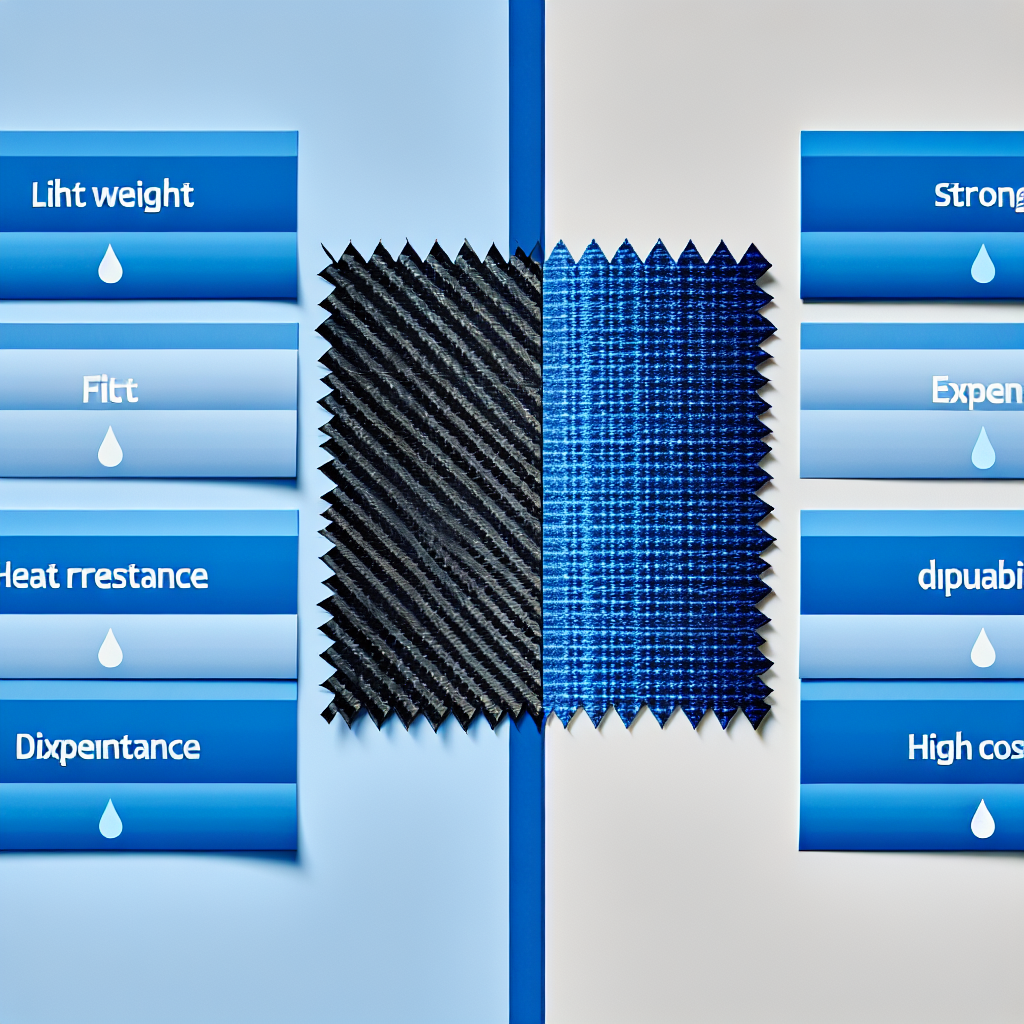
Blue aramid hybrid fabrics have gained significant attention in various industries due to their unique properties and versatile applications. These fabrics, which combine aramid fibers with other materials, offer a range of benefits that make them suitable for demanding environments. However, like any material, they also come with certain drawbacks that must be considered when selecting the appropriate fabric for a specific application.
One of the primary benefits of blue aramid hybrid fabrics is their exceptional strength-to-weight ratio. Aramid fibers, known for their high tensile strength, contribute to the overall durability of the hybrid fabric. This characteristic is particularly advantageous in industries such as aerospace and automotive, where lightweight materials are essential for improving fuel efficiency and performance. Furthermore, the incorporation of other fibers can enhance the fabric’s overall mechanical properties, allowing for tailored solutions that meet specific performance requirements.
In addition to their strength, blue aramid hybrid fabrics exhibit excellent resistance to heat and flame. This property is crucial in applications where exposure to high temperatures is a concern, such as in protective clothing for firefighters or industrial workers. The ability to withstand extreme conditions without compromising integrity makes these fabrics a preferred choice in safety gear and equipment. Moreover, the inherent chemical resistance of aramid fibers adds another layer of protection, making the hybrid fabric suitable for environments where exposure to corrosive substances is likely.
Another significant advantage of blue aramid hybrid fabrics is their versatility. By blending aramid fibers with other materials, manufacturers can create fabrics that possess a range of characteristics, such as increased flexibility, improved moisture management, or enhanced abrasion resistance. This adaptability allows designers to develop products that cater to specific needs, whether it be in sportswear, military applications, or industrial textiles. Consequently, the hybrid nature of these fabrics opens up a world of possibilities for innovation and customization.
However, despite these benefits, blue aramid hybrid fabrics also have their drawbacks. One notable concern is the cost associated with aramid fibers, which tend to be more expensive than traditional materials. This higher price point can be a limiting factor for some manufacturers, particularly in industries where budget constraints are a significant consideration. As a result, while the performance advantages may justify the investment, the initial cost can deter some potential users from adopting these advanced materials.
Additionally, the production process for blue aramid hybrid fabrics can be more complex than that of standard textiles. The need for specialized manufacturing techniques to ensure the proper bonding of different fibers may lead to longer lead times and increased production costs. This complexity can pose challenges for manufacturers seeking to scale up production or streamline their operations.
Moreover, while aramid fibers are known for their durability, they can be susceptible to degradation when exposed to ultraviolet (UV) light over extended periods. This limitation may affect the longevity of products made from blue aramid hybrid fabrics, particularly in outdoor applications where UV exposure is inevitable. Therefore, it is essential for manufacturers and end-users to consider the intended use and environmental conditions when selecting these materials.
In conclusion, blue aramid hybrid fabrics offer a compelling combination of strength, heat resistance, and versatility, making them suitable for a wide range of applications. However, the associated costs, production complexities, and potential UV degradation must be carefully weighed against their benefits. By understanding both the advantages and drawbacks, manufacturers and designers can make informed decisions that align with their specific needs and objectives.
Comparative Analysis: Blue Carbon Fiber vs. Blue Aramid Hybrid
In the realm of advanced materials, blue carbon fiber fabric and blue aramid hybrid composites have emerged as prominent contenders, each offering unique properties and applications. Understanding the comparative advantages and disadvantages of these materials is essential for industries ranging from aerospace to automotive, where performance, weight, and durability are critical factors.
To begin with, blue carbon fiber fabric is renowned for its exceptional strength-to-weight ratio. This characteristic makes it an ideal choice for applications that require lightweight yet robust materials. The fibers are woven into a fabric that can be molded into complex shapes, allowing for versatility in design. Additionally, carbon fiber exhibits excellent resistance to fatigue and corrosion, which enhances its longevity in demanding environments. However, while the benefits of carbon fiber are significant, it is important to note that the material can be relatively expensive to produce and process. The manufacturing techniques often involve labor-intensive methods, which can drive up costs, making it less accessible for some applications.
On the other hand, blue aramid hybrid composites present a different set of advantages. Aramid fibers, known for their high tensile strength and thermal stability, are often used in applications requiring impact resistance and durability. When combined with carbon fibers in a hybrid format, the resulting material benefits from the strengths of both components. This combination not only enhances the overall toughness of the composite but also improves its resistance to abrasion and impact, making it suitable for protective gear and automotive components. Furthermore, the production of aramid fibers tends to be less costly than that of carbon fibers, which can make blue aramid hybrid composites a more economically viable option for certain applications.
Transitioning to the drawbacks, one must consider the limitations of each material. While blue carbon fiber fabric excels in strength and weight, it is less effective in terms of impact resistance compared to aramid fibers. This can be a critical factor in applications where sudden impacts are a concern. Moreover, carbon fiber is susceptible to damage from UV exposure, which can lead to degradation over time if not properly treated or coated. In contrast, blue aramid hybrid composites, while offering superior impact resistance, may not achieve the same level of stiffness and rigidity as pure carbon fiber. This can result in a trade-off between flexibility and strength, depending on the specific requirements of the application.
Another aspect to consider is the environmental impact of these materials. Carbon fiber production is energy-intensive and often involves the use of non-renewable resources, raising concerns about sustainability. Conversely, aramid fibers, while also synthetic, can be produced with a lower environmental footprint, making them a more attractive option for eco-conscious manufacturers.
In conclusion, the choice between blue carbon fiber fabric and blue aramid hybrid composites ultimately hinges on the specific needs of the application at hand. Each material presents a distinct set of advantages and disadvantages that must be carefully weighed. While carbon fiber offers unparalleled strength and lightweight properties, aramid hybrids provide enhanced impact resistance and cost-effectiveness. By understanding these nuances, manufacturers can make informed decisions that align with their performance requirements and budgetary constraints, ensuring optimal outcomes in their respective fields.
Q&A
1. **What are the pros of Blue Carbon Fiber Fabric?**
– High strength-to-weight ratio, excellent stiffness, and resistance to corrosion and fatigue.
2. **What are the cons of Blue Carbon Fiber Fabric?**
– Higher cost, brittleness, and difficulty in repair.
3. **What are the pros of Blue Aramid Hybrid?**
– Enhanced impact resistance, flexibility, and better energy absorption properties.
4. **What are the cons of Blue Aramid Hybrid?**
– Lower stiffness compared to carbon fiber, potential for moisture absorption, and higher weight.