


-
Table of Contents
“Double Sided Carbon Cloth: Unleashing Strength from Every Angle.”
Introduction
Double Sided Carbon Cloth is an advanced material designed for enhanced structural reinforcement, featuring a unique dual-surface configuration that maximizes strength and durability. This innovative cloth is composed of high-performance carbon fibers woven into a lightweight yet robust fabric, providing exceptional mechanical properties. The dual-sided nature allows for versatile applications in various industries, including aerospace, automotive, and sports equipment, where weight reduction and increased performance are critical. By leveraging the benefits of both surfaces, Double Sided Carbon Cloth offers improved adhesion, enhanced load distribution, and superior resistance to environmental factors, making it an ideal choice for high-stress applications.
Enhanced Durability: The Advantages of Double Sided Carbon Cloth
Double-sided carbon cloth has emerged as a significant innovation in the realm of materials engineering, particularly in applications requiring enhanced durability and structural integrity. This unique fabric, characterized by its dual-surface design, offers a multitude of advantages that make it an ideal choice for various industries, including aerospace, automotive, and construction. The inherent properties of carbon fibers, combined with the strategic design of double-sided cloth, contribute to its superior performance and longevity.
One of the primary benefits of double-sided carbon cloth is its exceptional strength-to-weight ratio. Carbon fibers are known for their remarkable tensile strength, which allows them to withstand substantial loads without compromising structural integrity. When utilized in a double-sided configuration, the cloth effectively distributes stress across both surfaces, thereby minimizing the risk of failure under extreme conditions. This characteristic is particularly advantageous in applications where weight reduction is critical, such as in aerospace components, where every gram saved can lead to significant improvements in fuel efficiency and overall performance.
Moreover, the dual-surface nature of this material enhances its resistance to environmental factors. Carbon fibers are inherently resistant to corrosion, moisture, and temperature fluctuations, making them suitable for use in harsh environments. The double-sided design further amplifies this resistance, as both surfaces can be treated or coated to provide additional protection against chemical exposure and UV radiation. Consequently, structures reinforced with double-sided carbon cloth exhibit a longer lifespan, reducing the need for frequent maintenance and replacement, which can be both costly and time-consuming.
In addition to its mechanical properties, double-sided carbon cloth also offers improved adhesion characteristics. The increased surface area provided by the dual sides allows for better bonding with resins and other matrix materials during the composite manufacturing process. This enhanced adhesion is crucial for ensuring that the carbon cloth effectively transfers loads to the surrounding matrix, thereby optimizing the overall performance of the composite structure. As a result, engineers and designers can achieve more reliable and robust composite materials that meet stringent performance criteria.
Furthermore, the versatility of double-sided carbon cloth cannot be overlooked. It can be easily integrated into various manufacturing processes, including layup, infusion, and prepreg techniques. This adaptability allows for its use in a wide range of applications, from high-performance sporting goods to advanced automotive components. The ability to tailor the cloth’s properties by adjusting the weave pattern or fiber orientation further enhances its applicability, enabling engineers to customize solutions that meet specific project requirements.
In conclusion, the enhanced durability offered by double-sided carbon cloth is a game-changer in the field of materials science. Its unique combination of strength, environmental resistance, and superior adhesion properties makes it an invaluable asset across multiple industries. As the demand for lightweight, durable materials continues to grow, the adoption of double-sided carbon cloth is likely to increase, paving the way for innovative applications that push the boundaries of engineering and design. By leveraging the advantages of this advanced material, industries can not only improve the performance and longevity of their products but also contribute to more sustainable practices through reduced material waste and extended product lifecycles. Ultimately, double-sided carbon cloth stands as a testament to the advancements in material technology, offering solutions that meet the challenges of modern engineering.
Lightweight Strength: How Dual-Surface Reinforcement Improves Performance
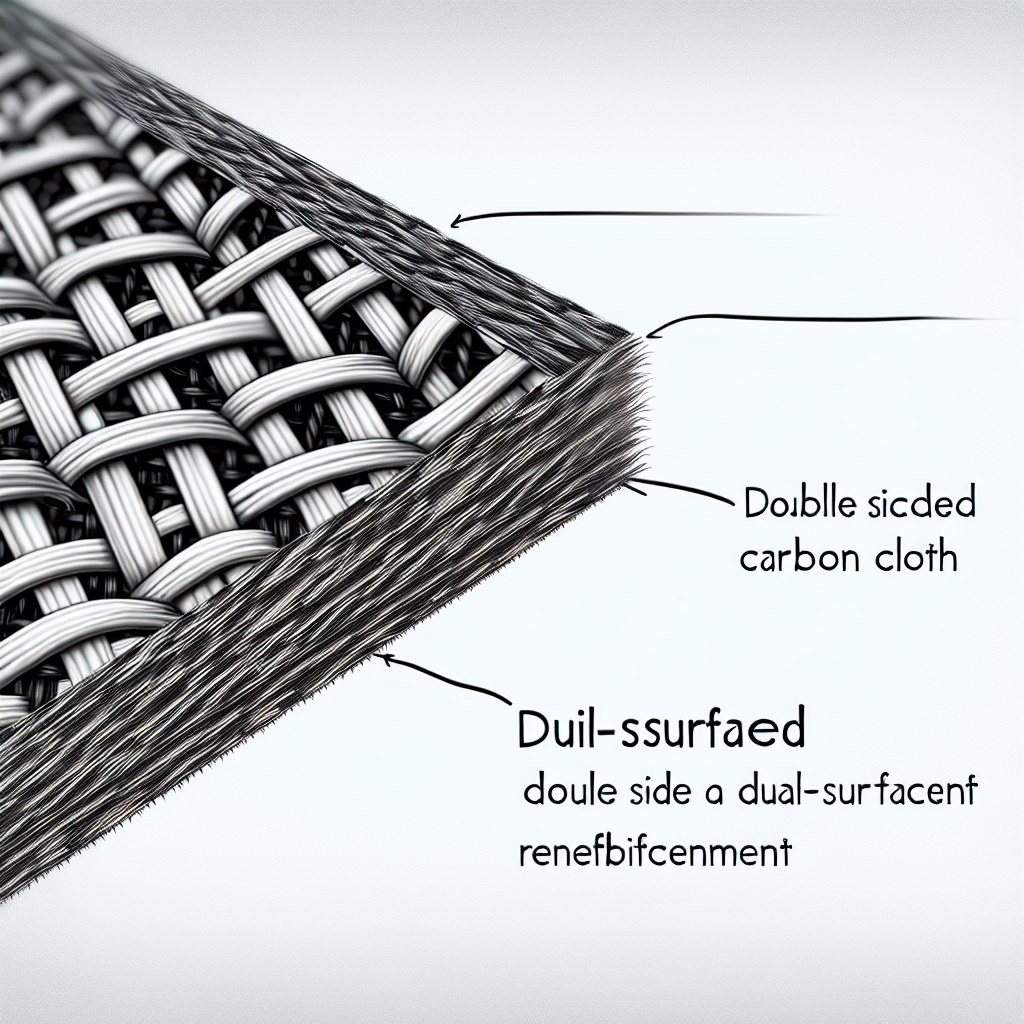
In the realm of advanced materials, the emergence of double-sided carbon cloth has revolutionized the approach to lightweight strength and performance enhancement. This innovative material, characterized by its dual-surface reinforcement, offers a unique combination of properties that significantly improve the structural integrity and functionality of various applications. By understanding the mechanics behind this technology, one can appreciate how it contributes to the overall performance of composite materials.
To begin with, the lightweight nature of carbon cloth is one of its most appealing attributes. Traditional reinforcement materials often add considerable weight to structures, which can compromise performance, especially in industries such as aerospace and automotive. However, double-sided carbon cloth maintains a low weight while providing exceptional strength. This is primarily due to the high tensile strength of carbon fibers, which allows for the creation of a material that can withstand significant stress without the burden of excess weight. Consequently, engineers and designers are increasingly turning to this material to enhance the performance of their products without sacrificing efficiency.
Moreover, the dual-surface design of the carbon cloth plays a crucial role in its effectiveness. By incorporating reinforcement on both sides, the material achieves a balanced distribution of forces, which is essential for maintaining structural integrity under various loading conditions. This feature not only enhances the overall strength of the composite but also improves its resistance to delamination, a common failure mode in single-layered materials. As a result, structures reinforced with double-sided carbon cloth exhibit superior durability and longevity, making them ideal for demanding applications.
In addition to its mechanical advantages, the dual-surface reinforcement also facilitates improved adhesion properties. The increased surface area provided by the two sides of the cloth allows for better bonding with resins and other matrix materials. This enhanced adhesion is particularly beneficial in composite manufacturing, where the interface between the reinforcement and matrix is critical to the overall performance of the final product. By ensuring a strong bond, double-sided carbon cloth minimizes the risk of failure at the interface, thereby contributing to the reliability of the composite structure.
Furthermore, the versatility of double-sided carbon cloth extends beyond its mechanical properties. Its lightweight and strong characteristics make it suitable for a wide range of applications, from sporting goods to high-performance automotive components. For instance, in the aerospace industry, where weight reduction is paramount, the use of this material can lead to significant fuel savings and improved operational efficiency. Similarly, in the automotive sector, manufacturers are increasingly adopting double-sided carbon cloth to enhance vehicle performance while adhering to stringent weight regulations.
As industries continue to seek innovative solutions to improve performance and efficiency, the role of double-sided carbon cloth becomes increasingly prominent. Its unique combination of lightweight strength, enhanced adhesion, and durability positions it as a leading choice for engineers and designers aiming to push the boundaries of material performance. In conclusion, the dual-surface reinforcement provided by double-sided carbon cloth not only enhances the structural integrity of composite materials but also opens new avenues for innovation across various sectors. As research and development in this field progress, one can anticipate even more applications and advancements that leverage the benefits of this remarkable material, ultimately leading to improved performance and sustainability in engineering practices.
Versatile Applications: Exploring the Uses of Double Sided Carbon Cloth in Various Industries
Double-sided carbon cloth has emerged as a transformative material across various industries, thanks to its unique properties and versatile applications. This innovative fabric, characterized by its dual-surface design, offers enhanced reinforcement capabilities that cater to a wide range of needs. As industries increasingly seek lightweight yet robust materials, double-sided carbon cloth stands out for its ability to provide structural integrity while minimizing weight, making it an ideal choice for applications in aerospace, automotive, and sporting goods, among others.
In the aerospace sector, the demand for materials that can withstand extreme conditions while maintaining structural performance is paramount. Double-sided carbon cloth is particularly advantageous in this context, as it can be used in the construction of composite components for aircraft. The dual surfaces allow for improved adhesion and bonding with resin systems, resulting in stronger and more durable parts. Furthermore, the lightweight nature of the cloth contributes to overall fuel efficiency, a critical factor in modern aviation. As manufacturers continue to prioritize sustainability and performance, the integration of double-sided carbon cloth into aerospace applications is likely to expand.
Similarly, the automotive industry has recognized the benefits of double-sided carbon cloth in the production of high-performance vehicles. The material’s exceptional strength-to-weight ratio makes it an attractive option for reinforcing body panels, chassis components, and other structural elements. By utilizing this advanced fabric, manufacturers can enhance the safety and performance of vehicles while also improving fuel efficiency. Additionally, the aesthetic appeal of carbon cloth allows for innovative design possibilities, enabling automotive engineers to create visually striking components that do not compromise on functionality.
Beyond aerospace and automotive applications, double-sided carbon cloth is also making significant inroads into the sporting goods industry. High-performance sports equipment, such as bicycles, surfboards, and tennis rackets, increasingly incorporates this material to enhance durability and performance. The dual-surface design allows for optimal layering and reinforcement, resulting in products that can withstand the rigors of intense use while remaining lightweight. Athletes benefit from the improved performance characteristics of their gear, which can translate into better results on the field or in competition.
Moreover, the medical field is beginning to explore the potential of double-sided carbon cloth in the development of prosthetics and orthopedic devices. The material’s strength and flexibility make it suitable for creating custom-fitted solutions that provide both support and comfort to users. As the healthcare industry continues to innovate, the incorporation of advanced materials like double-sided carbon cloth could lead to significant improvements in patient outcomes and quality of life.
In addition to these industries, the construction sector is also leveraging the advantages of double-sided carbon cloth for reinforcing concrete structures and repairing infrastructure. The material’s ability to bond effectively with various substrates allows for enhanced durability and longevity of buildings and bridges. As urbanization continues to rise, the need for resilient construction materials becomes increasingly critical, positioning double-sided carbon cloth as a valuable asset in modern engineering.
In conclusion, the versatile applications of double-sided carbon cloth across diverse industries underscore its significance as a cutting-edge material. From aerospace to automotive, sporting goods to healthcare, and construction, the benefits of this dual-surface reinforcement fabric are evident. As technology advances and industries evolve, the potential for double-sided carbon cloth to play a pivotal role in enhancing performance and sustainability will undoubtedly continue to grow, paving the way for innovative solutions in the years to come.
Q&A
1. **What is double-sided carbon cloth?**
Double-sided carbon cloth is a composite material made from woven carbon fibers that are coated with a resin, providing reinforcement on both sides for enhanced structural integrity.
2. **What are the benefits of using double-sided carbon cloth in applications?**
The dual-surface reinforcement offers improved strength, stiffness, and durability, making it ideal for applications in aerospace, automotive, and sporting goods where lightweight and high-performance materials are essential.
3. **How does double-sided carbon cloth compare to single-sided options?**
Double-sided carbon cloth provides superior load distribution and resistance to delamination, resulting in better performance under stress compared to single-sided carbon cloth, which may be more prone to failure under similar conditions.