


-
Table of Contents
“Colored UHMWPE Fiber: Elevate Visibility, Enhance Performance.”
Introduction
Colored Ultra-High Molecular Weight Polyethylene (UHMWPE) fiber represents a significant advancement in the field of synthetic fibers, combining the exceptional strength and durability of traditional UHMWPE with the added benefits of color coding. This innovation enhances identification, allowing for easier differentiation in various applications, from medical devices to industrial uses. The vibrant colors not only improve visibility and safety but also facilitate inventory management and product tracking. Additionally, the functional use of colored UHMWPE fibers extends to the production of high-performance textiles, ropes, and protective gear, where both aesthetic appeal and performance are crucial. As industries continue to seek materials that offer both functionality and versatility, colored UHMWPE fiber stands out as a transformative solution.
Color-Coded UHMWPE Fiber: Benefits for Enhanced Identification
Colored Ultra-High Molecular Weight Polyethylene (UHMWPE) fiber has emerged as a significant innovation in various industries, particularly in applications where identification and functionality are paramount. The introduction of color-coded UHMWPE fiber not only enhances visibility but also facilitates easier identification, which can be crucial in environments where multiple lines or materials are in use. This advancement is particularly beneficial in sectors such as marine, construction, and safety equipment, where the ability to quickly distinguish between different types of fibers can lead to improved safety and efficiency.
One of the primary benefits of color-coded UHMWPE fiber is its ability to reduce the risk of errors in identification. In many industrial settings, workers often handle multiple types of ropes, lines, or cables, each with distinct properties and uses. By implementing a color-coding system, organizations can streamline operations and minimize the chances of using the wrong material for a specific task. For instance, a bright red fiber might indicate a high-strength application, while a blue fiber could signify a lighter-duty use. This visual differentiation allows workers to make quick decisions without the need for extensive training or reference materials, thereby enhancing overall productivity.
Moreover, the use of colored UHMWPE fiber can significantly improve safety protocols. In high-risk environments, such as construction sites or maritime operations, the ability to quickly identify the correct equipment can be a matter of safety. For example, if a worker needs to quickly grab a specific type of line for a rescue operation, having color-coded fibers readily available can expedite the process and reduce the likelihood of accidents. This is particularly important in emergency situations where every second counts, and the wrong choice could lead to catastrophic consequences.
In addition to safety and efficiency, color-coded UHMWPE fibers also offer aesthetic benefits. The vibrant colors can enhance the visual appeal of products, making them more attractive to consumers. This is particularly relevant in the recreational sector, where colorful ropes and lines can appeal to outdoor enthusiasts and sports participants. The aesthetic aspect can also play a role in branding, as companies can use specific colors to represent their brand identity, thereby creating a stronger connection with their customers.
Furthermore, the durability and performance characteristics of UHMWPE fiber remain intact regardless of the color added during the manufacturing process. This means that the enhanced identification features do not compromise the fiber’s strength, abrasion resistance, or overall functionality. As a result, industries can confidently adopt colored UHMWPE fibers without sacrificing performance, ensuring that they meet the rigorous demands of their applications.
In conclusion, the introduction of color-coded UHMWPE fiber represents a significant advancement in material technology, offering numerous benefits that enhance identification and functionality. By facilitating easier recognition of different fibers, improving safety protocols, and providing aesthetic appeal, colored UHMWPE fibers are poised to become a standard in various industries. As organizations continue to prioritize efficiency and safety, the adoption of these innovative materials will likely increase, paving the way for a more organized and secure working environment. The integration of color-coded fibers not only simplifies operations but also reinforces the importance of visual cues in enhancing workplace safety and productivity.
Functional Applications of Colored UHMWPE Fiber in Various Industries
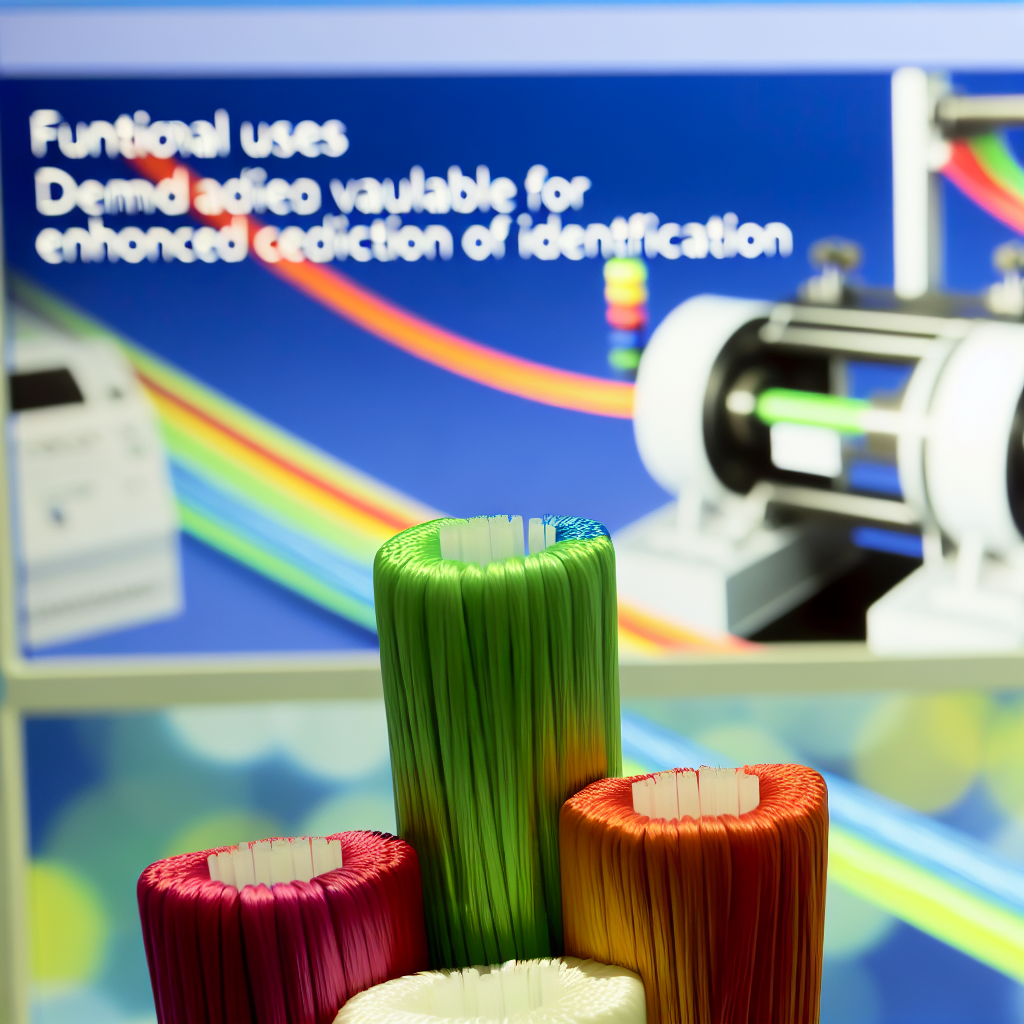
Colored Ultra-High Molecular Weight Polyethylene (UHMWPE) fiber has emerged as a transformative material across various industries, offering not only enhanced identification but also a range of functional applications that capitalize on its unique properties. The inherent strength, durability, and lightweight nature of UHMWPE fiber make it an ideal choice for applications where performance is paramount. When colored, this fiber not only retains its mechanical advantages but also provides visual differentiation, which can be crucial in many operational contexts.
In the field of personal protective equipment (PPE), colored UHMWPE fiber is increasingly utilized in the manufacturing of cut-resistant gloves and vests. The vibrant colors allow for easy identification of specific safety gear, which is particularly beneficial in environments where multiple teams or roles are present. For instance, in construction sites or manufacturing plants, workers can quickly recognize the appropriate protective gear, thereby enhancing safety protocols. Moreover, the color coding can assist in inventory management, ensuring that the right equipment is readily available and easily identifiable.
Transitioning to the realm of sports and outdoor activities, colored UHMWPE fiber has found its way into the production of high-performance ropes and lines. These products are essential for climbing, sailing, and other outdoor pursuits where strength and reliability are critical. The addition of color not only aids in visibility but also allows for the differentiation of equipment among users. For example, in climbing, different colored ropes can signify varying lengths or strengths, thereby reducing the risk of accidents due to equipment misuse. Furthermore, the vibrant hues can enhance the aesthetic appeal of the gear, attracting consumers who value both functionality and style.
In the medical field, colored UHMWPE fiber is being explored for use in sutures and other surgical applications. The ability to color the fiber provides surgeons with a visual cue that can enhance precision during procedures. For instance, colored sutures can help in distinguishing between different types of stitches or in identifying the location of sutures post-operation. This visual differentiation can lead to improved outcomes and reduced complications, as it allows for better tracking of surgical interventions.
Additionally, the automotive and aerospace industries are beginning to recognize the benefits of colored UHMWPE fiber in composite materials. The integration of this fiber into structural components can enhance both strength and weight efficiency. By incorporating color into these materials, manufacturers can not only improve the aesthetic appeal of their products but also facilitate easier identification of components during assembly and maintenance. This is particularly important in complex systems where multiple parts must be managed and monitored.
Moreover, the textile industry is leveraging colored UHMWPE fiber in the production of high-performance fabrics. These fabrics are used in a variety of applications, from outdoor gear to fashion items, where durability and strength are essential. The ability to produce fabrics in a range of colors allows designers to create innovative products that meet consumer demands for both functionality and style.
In conclusion, the functional applications of colored UHMWPE fiber span a diverse array of industries, each benefiting from its unique properties. From enhancing safety in PPE to improving performance in sports equipment and medical applications, the versatility of this material is evident. As industries continue to explore the potential of colored UHMWPE fiber, it is clear that its role will only expand, driving innovation and improving outcomes across various sectors.
The Role of Color in Improving Safety and Efficiency of UHMWPE Fiber Products
Colored Ultra-High Molecular Weight Polyethylene (UHMWPE) fiber has emerged as a significant advancement in the field of materials science, particularly in applications where safety and efficiency are paramount. The introduction of color to UHMWPE fibers not only enhances their aesthetic appeal but also plays a crucial role in improving their functionality and safety. This multifaceted approach to the use of color in UHMWPE fibers has opened new avenues for their application across various industries, including personal protective equipment, maritime, and industrial sectors.
One of the primary benefits of incorporating color into UHMWPE fibers is the enhancement of visibility. In environments where safety is a concern, such as construction sites or emergency response scenarios, the ability to easily identify equipment and personnel can be life-saving. Brightly colored UHMWPE fibers can significantly improve the visibility of safety gear, making it easier for workers to be seen in low-light conditions or amidst complex backgrounds. This increased visibility not only aids in preventing accidents but also fosters a culture of safety by ensuring that all personnel are easily identifiable.
Moreover, the use of color in UHMWPE fibers can facilitate better organization and identification of equipment. In industrial settings, where multiple tools and materials may be in use simultaneously, color-coded fibers can help streamline operations. For instance, different colors can be assigned to specific tasks or types of equipment, allowing workers to quickly locate the necessary tools without confusion. This organizational strategy not only enhances efficiency but also reduces the likelihood of errors, thereby improving overall productivity.
In addition to visibility and organization, the incorporation of color into UHMWPE fibers can also serve as a means of signaling or indicating specific properties of the material. For example, certain colors can be used to denote the strength or durability of a fiber, providing immediate visual cues to users regarding the suitability of the material for particular applications. This is particularly beneficial in industries where the performance of materials is critical, such as in the production of ropes, slings, and harnesses. By utilizing color as a functional identifier, manufacturers can enhance user confidence and ensure that the right materials are employed for the right tasks.
Furthermore, the coloring process itself can be engineered to enhance the performance characteristics of UHMWPE fibers. Advanced dyeing techniques can be employed to ensure that the color is not only vibrant but also resistant to fading and degradation over time. This durability is essential in maintaining the integrity of the fiber, especially in harsh environments where exposure to UV light, chemicals, and abrasion is common. As a result, colored UHMWPE fibers can retain their functional properties while also providing the added benefit of visual appeal.
In conclusion, the role of color in enhancing the safety and efficiency of UHMWPE fiber products cannot be overstated. By improving visibility, facilitating organization, and serving as a functional identifier, colored UHMWPE fibers contribute significantly to safer and more efficient operations across various industries. As the demand for high-performance materials continues to grow, the integration of color into UHMWPE fibers represents a forward-thinking approach that addresses both practical and aesthetic needs. This innovative development not only enhances the user experience but also underscores the importance of safety and efficiency in material design and application.
Q&A
1. **What is Colored UHMWPE Fiber?**
Colored UHMWPE (Ultra-High Molecular Weight Polyethylene) Fiber is a type of synthetic fiber known for its high strength-to-weight ratio, durability, and resistance to abrasion and chemicals, which has been dyed or colored for enhanced visibility and identification.
2. **What are the benefits of using Colored UHMWPE Fiber in applications?**
The benefits include improved visibility for safety in various environments, easier identification of different types of fibers or products, and the ability to customize colors for branding or specific applications, while still maintaining the inherent strength and performance characteristics of UHMWPE.
3. **In what industries is Colored UHMWPE Fiber commonly used?**
Colored UHMWPE Fiber is commonly used in industries such as marine (for ropes and lines), sports (for protective gear), medical (for sutures and implants), and industrial applications (for slings and lifting equipment) where both strength and visibility are critical.