


-
Table of Contents
“Hybrid Carbon Fiber + UHMWPE Fabrics: Uniting Strength and Flexibility for Unmatched Performance.”
Introduction
Hybrid carbon fiber and UHMWPE (Ultra-High-Molecular-Weight Polyethylene) fabrics represent a cutting-edge advancement in material science, combining the high strength and stiffness of carbon fiber with the exceptional impact resistance and lightweight properties of UHMWPE. This innovative fusion creates a versatile fabric that is ideal for a wide range of applications, from aerospace and automotive industries to sports equipment and protective gear. By leveraging the unique characteristics of both materials, hybrid fabrics offer enhanced performance, durability, and flexibility, making them a compelling choice for engineers and designers seeking to optimize their products. The integration of these two advanced materials not only improves mechanical properties but also opens new avenues for innovation in high-performance applications.
Advantages of Hybrid Carbon Fiber and UHMWPE Fabrics in Sports Equipment
The integration of hybrid carbon fiber and ultra-high molecular weight polyethylene (UHMWPE) fabrics in sports equipment represents a significant advancement in material science, offering a unique combination of properties that enhance performance and durability. As athletes continually seek improvements in their gear, the advantages of these hybrid materials become increasingly apparent. One of the most notable benefits is the exceptional strength-to-weight ratio that these fabrics provide. Carbon fiber is renowned for its lightweight characteristics while maintaining remarkable tensile strength, making it an ideal choice for high-performance applications. When combined with UHMWPE, which is known for its outstanding impact resistance and abrasion durability, the resulting hybrid fabric exhibits enhanced resilience without adding unnecessary weight.
Moreover, the flexibility of hybrid carbon fiber and UHMWPE fabrics allows for greater design versatility in sports equipment. This adaptability enables manufacturers to create products that not only perform well but also cater to the specific needs of various sports. For instance, in the realm of protective gear, such as helmets and pads, the combination of these materials can lead to improved shock absorption and energy dispersion, thereby enhancing athlete safety. The lightweight nature of the hybrid fabric ensures that athletes can maintain agility and speed, which are critical in competitive environments.
In addition to performance benefits, the durability of hybrid carbon fiber and UHMWPE fabrics contributes to the longevity of sports equipment. Traditional materials often succumb to wear and tear over time, leading to decreased performance and the need for frequent replacements. However, the robust nature of these hybrid fabrics allows them to withstand harsh conditions, including extreme temperatures and moisture exposure. This durability not only extends the lifespan of the equipment but also offers a cost-effective solution for athletes and teams, as they can invest in gear that requires less frequent replacement.
Furthermore, the moisture-wicking properties of UHMWPE enhance the comfort of sports equipment. This feature is particularly beneficial in high-intensity sports where sweat accumulation can lead to discomfort and distraction. By effectively managing moisture, hybrid fabrics help maintain a comfortable microclimate for the athlete, allowing them to focus on performance rather than the limitations imposed by their gear. This aspect of comfort is crucial, as it can significantly influence an athlete’s overall experience and effectiveness during training and competition.
Another advantage of hybrid carbon fiber and UHMWPE fabrics is their potential for customization. As technology advances, manufacturers can tailor these materials to meet specific performance criteria, such as varying levels of stiffness or flexibility. This customization allows for the creation of equipment that is finely tuned to the demands of different sports or individual athlete preferences. Consequently, athletes can benefit from gear that not only meets general performance standards but also aligns with their unique playing style and physical requirements.
In conclusion, the advantages of hybrid carbon fiber and UHMWPE fabrics in sports equipment are multifaceted, encompassing enhanced strength, durability, comfort, and customization. As the sports industry continues to evolve, the adoption of these advanced materials is likely to play a pivotal role in shaping the future of athletic gear. By harnessing the best properties of both carbon fiber and UHMWPE, manufacturers can create innovative products that not only elevate athletic performance but also ensure safety and comfort, ultimately providing athletes with the best of both worlds.
Applications of Hybrid Carbon Fiber and UHMWPE Fabrics in Aerospace Industry
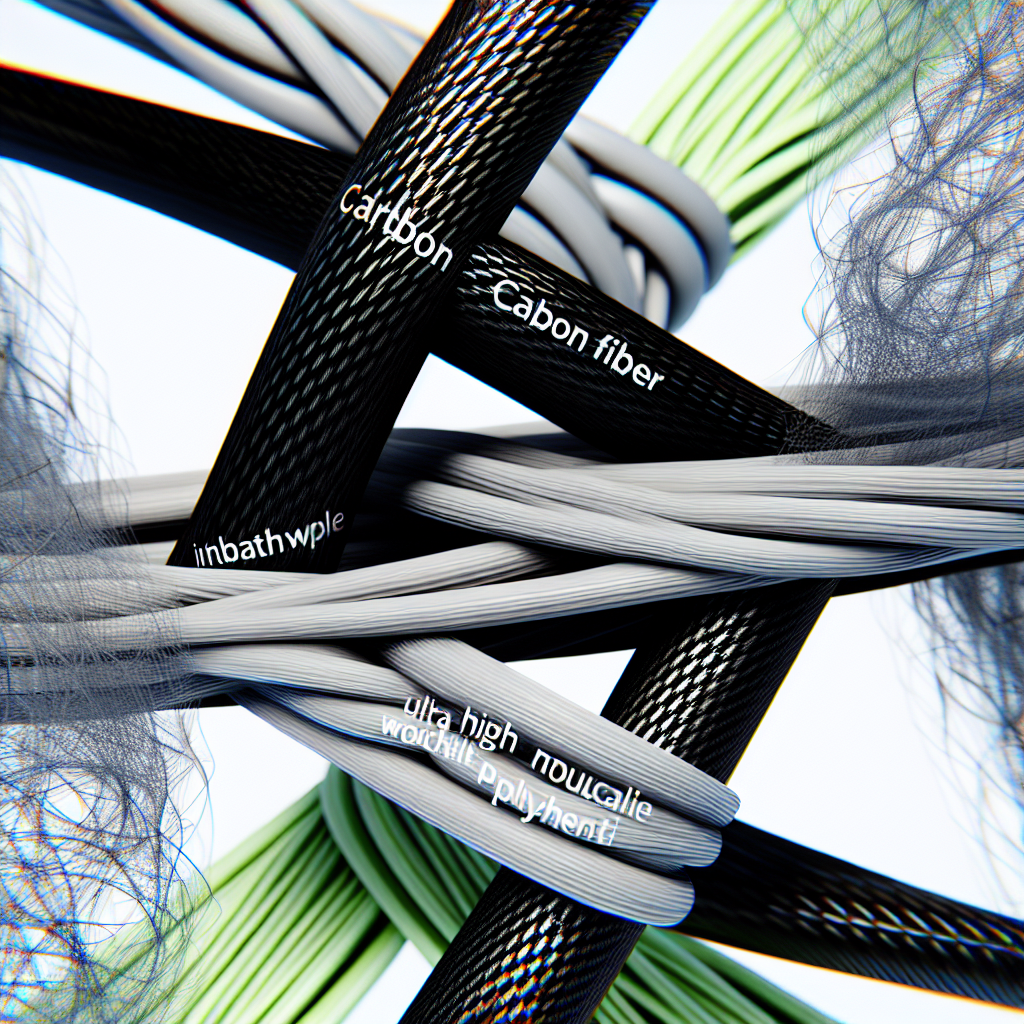
The aerospace industry is continually evolving, driven by the need for materials that offer superior performance, reduced weight, and enhanced durability. In this context, hybrid carbon fiber and ultra-high-molecular-weight polyethylene (UHMWPE) fabrics have emerged as a compelling solution, combining the advantageous properties of both materials. The integration of these two high-performance fibers results in a composite that not only meets but often exceeds the stringent requirements of aerospace applications.
One of the primary applications of hybrid carbon fiber and UHMWPE fabrics in the aerospace sector is in the manufacturing of aircraft components. The lightweight nature of carbon fiber, coupled with the exceptional impact resistance and abrasion resistance of UHMWPE, makes this hybrid material ideal for parts such as wing structures, fuselage components, and interior fittings. By utilizing these fabrics, manufacturers can significantly reduce the overall weight of the aircraft, leading to improved fuel efficiency and reduced operational costs. Furthermore, the enhanced mechanical properties of the hybrid composites contribute to increased safety and longevity of the components, which is paramount in the aerospace industry.
In addition to structural components, hybrid carbon fiber and UHMWPE fabrics are also being utilized in the development of protective gear for aerospace personnel. The combination of lightweight and high-strength characteristics allows for the creation of protective clothing and equipment that do not compromise mobility or comfort. For instance, flight suits and helmets made from these hybrid materials can provide superior protection against environmental hazards while ensuring that pilots and crew members can perform their duties effectively. This application not only enhances safety but also contributes to the overall efficiency of aerospace operations.
Moreover, the use of hybrid carbon fiber and UHMWPE fabrics extends to the realm of satellite technology. In satellite construction, weight is a critical factor, as every gram saved can lead to significant cost reductions in launch expenses. The hybrid materials offer an excellent solution, providing the necessary strength and rigidity while minimizing weight. This is particularly important for components such as satellite frames and antennas, where structural integrity is essential for functionality. The durability of UHMWPE also ensures that these components can withstand the harsh conditions of space, including extreme temperatures and radiation exposure.
Transitioning from structural applications to advanced manufacturing processes, the aerospace industry is increasingly adopting additive manufacturing techniques, such as 3D printing, to create complex geometries using hybrid carbon fiber and UHMWPE fabrics. This innovative approach allows for the production of lightweight, high-strength components that can be tailored to specific requirements. The ability to rapidly prototype and manufacture parts using these hybrid materials not only accelerates the design process but also enables the aerospace industry to respond more swiftly to changing demands and technological advancements.
In conclusion, the applications of hybrid carbon fiber and UHMWPE fabrics in the aerospace industry illustrate a significant advancement in material science. By harnessing the strengths of both materials, manufacturers can produce components that are not only lightweight and durable but also capable of withstanding the rigorous demands of aerospace environments. As the industry continues to seek innovative solutions to enhance performance and efficiency, the integration of hybrid fabrics will undoubtedly play a crucial role in shaping the future of aerospace technology. The ongoing research and development in this field promise to unlock even more potential applications, further solidifying the position of hybrid carbon fiber and UHMWPE fabrics as a cornerstone of modern aerospace engineering.
Future Trends in Hybrid Carbon Fiber and UHMWPE Fabric Development
The future of hybrid carbon fiber and ultra-high molecular weight polyethylene (UHMWPE) fabric development is poised to revolutionize various industries, including aerospace, automotive, and sports equipment. As the demand for lightweight, high-strength materials continues to grow, researchers and manufacturers are increasingly exploring the synergistic properties of combining carbon fiber with UHMWPE. This innovative approach not only enhances the mechanical performance of the materials but also opens new avenues for applications that were previously unattainable with traditional materials alone.
One of the most significant trends in the development of hybrid fabrics is the focus on improving the interfacial bonding between carbon fiber and UHMWPE. The effectiveness of a hybrid material largely depends on how well the two components interact at their interface. Researchers are investigating various surface treatments and chemical modifications to enhance adhesion, thereby maximizing the mechanical properties of the resulting composite. For instance, the application of plasma treatments or chemical grafting techniques can significantly improve the bonding strength, leading to a more cohesive material that exhibits superior performance under stress.
Moreover, advancements in manufacturing techniques are also playing a crucial role in the evolution of hybrid carbon fiber and UHMWPE fabrics. Traditional methods, such as weaving and knitting, are being supplemented with innovative processes like 3D printing and automated fiber placement. These techniques allow for greater design flexibility and the ability to create complex geometries that were previously difficult to achieve. As a result, manufacturers can produce tailored hybrid fabrics that meet specific performance criteria, catering to the unique demands of various applications.
In addition to mechanical performance, the environmental impact of hybrid materials is becoming an increasingly important consideration. As sustainability becomes a priority across industries, the development of eco-friendly production methods and the use of recycled materials are gaining traction. Researchers are exploring bio-based resins and sustainable manufacturing processes that minimize waste and energy consumption. This shift not only addresses environmental concerns but also aligns with the growing consumer demand for sustainable products, thereby enhancing marketability.
Furthermore, the integration of smart technologies into hybrid fabrics is an emerging trend that holds great promise. The incorporation of sensors and conductive fibers can transform traditional materials into smart textiles capable of monitoring environmental conditions or providing real-time feedback on performance. This innovation could lead to significant advancements in fields such as sportswear, where athletes could benefit from fabrics that adapt to their performance needs or provide data on their physical condition.
As the market for hybrid carbon fiber and UHMWPE fabrics continues to expand, collaboration between academia and industry will be essential. By fostering partnerships, researchers can gain insights into practical applications and industry needs, while manufacturers can leverage cutting-edge research to enhance their product offerings. This collaborative approach will not only accelerate the development of innovative materials but also ensure that they meet the evolving demands of various sectors.
In conclusion, the future of hybrid carbon fiber and UHMWPE fabric development is bright, characterized by advancements in bonding techniques, manufacturing processes, sustainability efforts, and the integration of smart technologies. As these trends continue to evolve, they will undoubtedly lead to the creation of materials that not only offer superior performance but also contribute to a more sustainable and technologically advanced future. The potential applications are vast, and as research progresses, the best of both worlds may soon become a reality in numerous industries.
Q&A
1. **What are the primary benefits of combining Hybrid Carbon Fiber with UHMWPE fabrics?**
The combination offers enhanced strength and stiffness from carbon fiber, while UHMWPE provides excellent abrasion resistance and impact protection, resulting in a lightweight, durable material suitable for high-performance applications.
2. **In what applications are Hybrid Carbon Fiber + UHMWPE fabrics commonly used?**
These fabrics are commonly used in aerospace, automotive, sports equipment, and protective gear, where high strength-to-weight ratios and resistance to wear and tear are critical.
3. **How does the cost of Hybrid Carbon Fiber + UHMWPE fabrics compare to traditional materials?**
While Hybrid Carbon Fiber + UHMWPE fabrics tend to be more expensive than traditional materials due to their advanced properties and manufacturing processes, their performance benefits can justify the investment in specialized applications.