


-
Table of Contents
“Unleashing Strength and Versatility: The Top Applications of Woven Fiberglass Fabrics.”
Introduction
Woven fiberglass fabrics are versatile materials known for their strength, durability, and resistance to heat and chemicals. These properties make them ideal for a wide range of applications across various industries. From aerospace and automotive to construction and marine, woven fiberglass fabrics are utilized in the production of composite materials, insulation, and protective gear. Their lightweight nature combined with high tensile strength allows for enhanced performance in demanding environments. This introduction explores the top applications of woven fiberglass fabrics, highlighting their significance in modern manufacturing and engineering.
Automotive Industry Applications
Woven fiberglass fabrics have emerged as a pivotal material in the automotive industry, owing to their unique properties that enhance vehicle performance, safety, and aesthetics. The lightweight yet robust nature of these fabrics makes them an ideal choice for various automotive applications, contributing to the overall efficiency and sustainability of modern vehicles. As the automotive sector increasingly prioritizes fuel efficiency and reduced emissions, the integration of woven fiberglass fabrics has become more pronounced, offering a viable solution to meet these demands.
One of the primary applications of woven fiberglass fabrics in the automotive industry is in the manufacturing of composite materials. These composites are often utilized in the production of body panels, structural components, and interior parts. The incorporation of woven fiberglass into these composites not only reduces the weight of the vehicle but also enhances its strength and durability. This is particularly important in the context of crash safety, where the ability to absorb and dissipate energy can significantly impact passenger protection. By utilizing woven fiberglass fabrics, manufacturers can create components that are both lightweight and capable of withstanding the rigors of everyday use.
In addition to structural applications, woven fiberglass fabrics are also employed in the production of insulation materials within vehicles. These fabrics provide excellent thermal and acoustic insulation, contributing to a more comfortable driving experience. For instance, woven fiberglass can be used in engine compartments to shield sensitive components from heat, thereby improving performance and longevity. Furthermore, the sound-dampening properties of these fabrics help to minimize road noise, creating a quieter cabin environment. As consumers increasingly seek vehicles that offer both performance and comfort, the role of woven fiberglass fabrics in enhancing these aspects cannot be overstated.
Moreover, woven fiberglass fabrics are gaining traction in the realm of automotive aesthetics. The versatility of these fabrics allows for a wide range of design possibilities, enabling manufacturers to create visually appealing interiors and exteriors. For example, woven fiberglass can be used in decorative trim, upholstery, and even in the production of custom body kits. This not only enhances the visual appeal of vehicles but also allows for greater customization options for consumers, catering to the growing demand for personalized automotive experiences.
Another significant application of woven fiberglass fabrics in the automotive industry is in the realm of electric vehicles (EVs). As the shift towards electrification continues, the need for lightweight materials becomes even more critical. Woven fiberglass fabrics can help reduce the overall weight of EVs, thereby improving their range and efficiency. Additionally, these fabrics are often used in battery enclosures and other components, providing necessary protection while maintaining a lightweight profile. This synergy between woven fiberglass and electric vehicle technology exemplifies the innovative approaches being adopted in the automotive sector.
In conclusion, the applications of woven fiberglass fabrics in the automotive industry are diverse and impactful. From enhancing structural integrity and safety to improving insulation and aesthetic appeal, these fabrics play a crucial role in the evolution of modern vehicles. As the industry continues to embrace sustainability and innovation, the significance of woven fiberglass fabrics is likely to grow, paving the way for advancements that align with consumer expectations and environmental considerations. The ongoing integration of these materials not only reflects the automotive industry’s commitment to progress but also highlights the potential for woven fiberglass to shape the future of transportation.
Aerospace and Aviation Uses
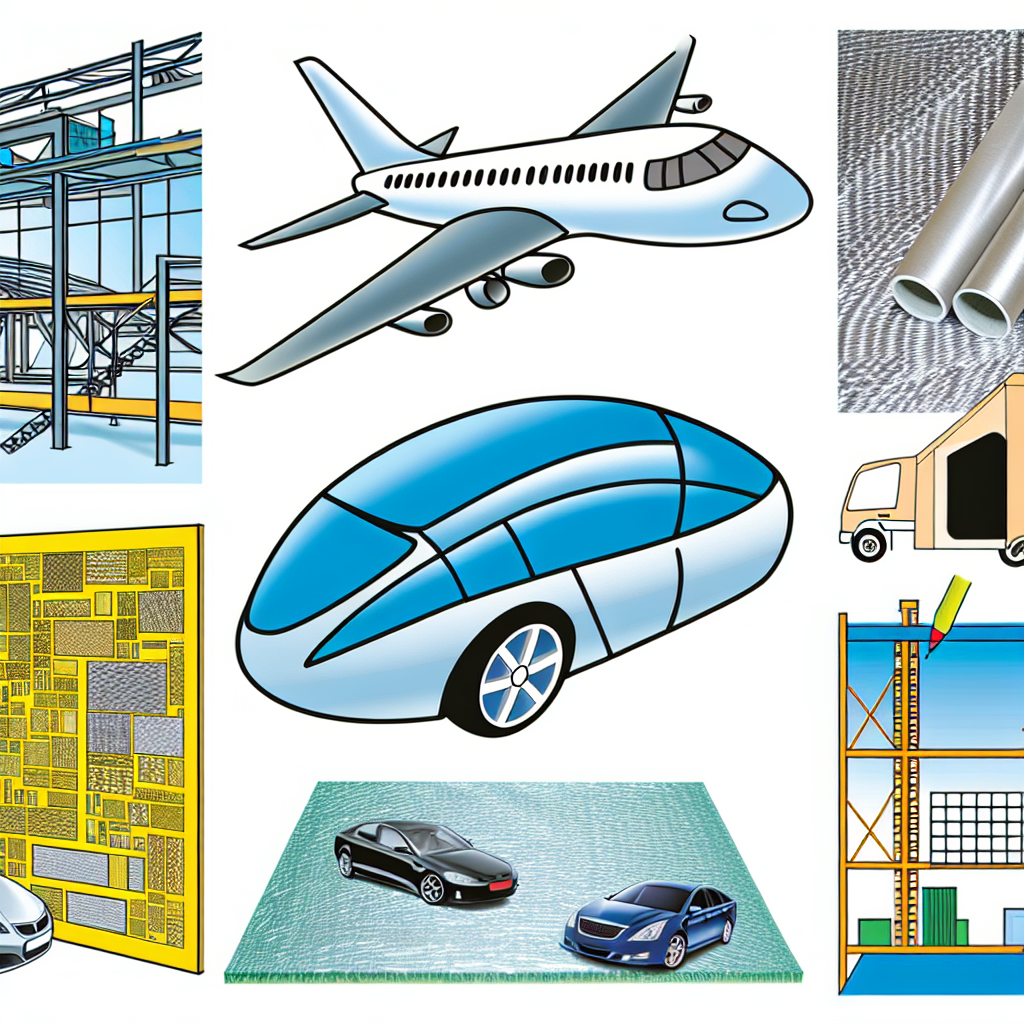
Woven fiberglass fabrics have emerged as a critical material in the aerospace and aviation industries, owing to their unique properties that combine strength, lightweight characteristics, and resistance to environmental factors. These fabrics are primarily composed of glass fibers woven into a fabric structure, which provides exceptional tensile strength while maintaining a low weight. This combination is particularly advantageous in aerospace applications, where every ounce of weight saved can lead to significant improvements in fuel efficiency and overall performance.
One of the most prominent applications of woven fiberglass fabrics in aerospace is in the manufacturing of aircraft components. The use of these fabrics in composite materials allows for the creation of parts that are not only lightweight but also exhibit high resistance to heat and corrosion. For instance, woven fiberglass is often utilized in the production of wing structures, fuselage components, and interior panels. These applications benefit from the fabric’s ability to withstand the harsh conditions encountered during flight, including extreme temperatures and varying atmospheric pressures.
Moreover, woven fiberglass fabrics are increasingly being used in the development of advanced aerospace technologies, such as unmanned aerial vehicles (UAVs) and space exploration vehicles. The lightweight nature of these fabrics enables engineers to design UAVs that can achieve longer flight times and greater payload capacities. In the context of space exploration, woven fiberglass is employed in the construction of thermal protection systems, which are essential for safeguarding spacecraft during re-entry into the Earth’s atmosphere. The fabric’s thermal resistance properties help to protect sensitive components from the intense heat generated during this critical phase of flight.
In addition to structural applications, woven fiberglass fabrics are also utilized in the production of insulation materials for aircraft. These fabrics can be combined with other materials to create effective thermal and acoustic insulation solutions, which are vital for enhancing passenger comfort and reducing noise levels within the cabin. The ability of woven fiberglass to provide effective insulation while remaining lightweight makes it an ideal choice for modern aircraft design, where efficiency and passenger experience are paramount.
Furthermore, the versatility of woven fiberglass fabrics extends to their use in the repair and maintenance of aircraft. The aerospace industry often requires quick and effective solutions for repairing damaged components, and woven fiberglass offers a reliable option. Technicians can use these fabrics to create patches or reinforcements for structural repairs, ensuring that aircraft can return to service with minimal downtime. This adaptability not only enhances the longevity of aircraft but also contributes to overall safety in aviation operations.
As the aerospace industry continues to evolve, the demand for innovative materials like woven fiberglass fabrics is expected to grow. The ongoing development of new composite technologies and manufacturing techniques will likely expand the applications of these fabrics even further. With a focus on sustainability and efficiency, the integration of woven fiberglass into aerospace design and manufacturing processes will play a crucial role in shaping the future of aviation.
In conclusion, woven fiberglass fabrics are indispensable in the aerospace and aviation sectors, offering a unique combination of strength, lightweight properties, and resistance to environmental challenges. Their applications range from structural components to insulation and repair solutions, underscoring their versatility and importance in modern aerospace engineering. As the industry advances, the role of woven fiberglass fabrics will undoubtedly continue to expand, contributing to safer, more efficient, and innovative aircraft designs.
Construction and Building Materials
Woven fiberglass fabrics have emerged as a vital component in the construction and building materials sector, owing to their unique properties and versatility. These fabrics, composed of fine glass fibers woven together, exhibit remarkable strength, durability, and resistance to environmental factors, making them ideal for a variety of applications within the industry. One of the primary uses of woven fiberglass fabrics is in the reinforcement of composite materials. When combined with resins, these fabrics enhance the mechanical properties of the resulting composites, leading to materials that are not only lightweight but also possess high tensile strength. This characteristic is particularly beneficial in applications such as roofing, where the need for materials that can withstand harsh weather conditions is paramount.
Moreover, woven fiberglass fabrics are extensively utilized in the production of insulation materials. Their inherent thermal resistance and low thermal conductivity make them suitable for insulating buildings, thereby improving energy efficiency. By incorporating these fabrics into insulation systems, builders can significantly reduce heat loss in winter and heat gain in summer, contributing to a more comfortable indoor environment and lower energy costs. Additionally, the fire-resistant properties of woven fiberglass fabrics further enhance their appeal in construction, as they help to meet stringent building codes and safety regulations.
In the realm of concrete reinforcement, woven fiberglass fabrics play a crucial role in enhancing the structural integrity of concrete structures. When embedded within concrete, these fabrics provide additional tensile strength, which is particularly beneficial in applications such as bridges, highways, and high-rise buildings. The use of fiberglass reinforcement not only extends the lifespan of concrete structures but also reduces the likelihood of cracking and other forms of deterioration, thereby minimizing maintenance costs over time. Furthermore, the lightweight nature of woven fiberglass fabrics allows for easier handling and installation, which can lead to reduced labor costs and shorter construction timelines.
Another significant application of woven fiberglass fabrics in construction is in the production of architectural elements. These fabrics can be molded into various shapes and forms, allowing architects and designers to create innovative and aesthetically pleasing structures. The ability to combine woven fiberglass with other materials, such as concrete or resin, enables the creation of complex designs that are both functional and visually striking. This versatility has led to the increased use of fiberglass in facades, decorative panels, and even furniture, showcasing the material’s adaptability in modern architecture.
In addition to these applications, woven fiberglass fabrics are also employed in the manufacturing of protective barriers and enclosures. Their resistance to chemicals, moisture, and UV radiation makes them suitable for use in environments where traditional materials may fail. For instance, in industrial settings, woven fiberglass fabrics can be used to create protective screens or barriers that safeguard workers and equipment from hazardous substances. This application not only enhances safety but also contributes to the longevity of the structures involved.
In conclusion, the applications of woven fiberglass fabrics in construction and building materials are diverse and impactful. From reinforcing composites and providing insulation to enhancing concrete structures and enabling innovative architectural designs, these fabrics offer a combination of strength, durability, and versatility that is unmatched by many traditional materials. As the construction industry continues to evolve, the role of woven fiberglass fabrics is likely to expand further, paving the way for more sustainable and efficient building practices.
Q&A
1. **Question:** What are the primary applications of woven fiberglass fabrics in the construction industry?
**Answer:** Woven fiberglass fabrics are primarily used in roofing materials, insulation, and reinforcement for concrete and masonry structures due to their high strength-to-weight ratio and resistance to moisture and fire.
2. **Question:** How are woven fiberglass fabrics utilized in the automotive industry?
**Answer:** In the automotive industry, woven fiberglass fabrics are used for manufacturing lightweight composite parts, such as body panels and structural components, which enhance fuel efficiency and reduce overall vehicle weight.
3. **Question:** What role do woven fiberglass fabrics play in the marine sector?
**Answer:** Woven fiberglass fabrics are extensively used in the marine sector for constructing boat hulls and other components, providing durability, corrosion resistance, and improved performance in watercraft.