


-
Table of Contents
“Seamlessly Bond: Mastering Epoxy Resin Application on Carbon Fiber.”
Introduction
Applying epoxy resin to carbon fiber is a crucial process in creating strong, lightweight composite materials used in various applications, from automotive to aerospace. This guide outlines the essential steps and techniques for effectively applying epoxy resin to carbon fiber, ensuring optimal adhesion and performance. Proper preparation, mixing, and application methods are vital to achieving a durable and aesthetically pleasing finish. By following these guidelines, you can enhance the structural integrity and longevity of your carbon fiber projects.
Surface Preparation for Epoxy Resin Application on Carbon Fiber
Surface preparation is a critical step in the application of epoxy resin to carbon fiber, as it directly influences the adhesion and overall performance of the final product. To achieve optimal results, one must begin by ensuring that the carbon fiber surface is clean and free from contaminants. This involves removing any dust, grease, or oils that may have accumulated during handling or storage. A thorough cleaning can be accomplished using a solvent such as isopropyl alcohol or acetone, which effectively dissolves residues without damaging the carbon fiber itself. It is essential to apply the solvent with a lint-free cloth to avoid leaving behind fibers that could interfere with the bonding process.
Once the surface has been cleaned, the next step is to assess the texture of the carbon fiber. A smooth surface may not provide sufficient mechanical interlocking for the epoxy resin, which can lead to weak adhesion. Therefore, lightly sanding the carbon fiber with fine-grit sandpaper is advisable. This process not only roughens the surface but also creates micro-abrasions that enhance the mechanical bond between the epoxy and the carbon fiber. After sanding, it is crucial to remove any dust generated during this process, as even the smallest particles can compromise the integrity of the bond. A vacuum or a clean, dry cloth can be used to ensure that the surface is completely free of debris.
In addition to cleaning and sanding, one must also consider the environmental conditions in which the epoxy resin will be applied. Temperature and humidity play significant roles in the curing process of epoxy. Ideally, the application should take place in a controlled environment where the temperature is maintained between 70°F and 85°F (21°C to 29°C) and humidity levels are kept low. High humidity can lead to moisture being trapped within the epoxy, resulting in a compromised bond and potential failure of the application. Therefore, it is prudent to monitor these conditions closely before proceeding with the application.
Furthermore, it is important to ensure that the carbon fiber is dry before applying the epoxy resin. Any residual moisture can hinder the curing process and affect the overall performance of the bond. A simple way to verify dryness is to conduct a touch test; if the surface feels cool or damp, it is advisable to wait until it has fully dried. Once the surface is confirmed to be clean, roughened, and dry, one can proceed to mix the epoxy resin according to the manufacturer’s instructions. Proper mixing is essential, as an incorrect ratio of resin to hardener can lead to incomplete curing and diminished strength.
As one prepares to apply the epoxy resin, it is also beneficial to have all necessary tools and materials readily available. This includes brushes or rollers for application, mixing containers, and protective gear such as gloves and goggles. By organizing these items beforehand, the application process can be executed smoothly and efficiently, minimizing the risk of contamination or errors. In conclusion, meticulous surface preparation is paramount when applying epoxy resin to carbon fiber. By following these steps—cleaning, sanding, ensuring optimal environmental conditions, and preparing for application—one can achieve a strong, durable bond that enhances the performance and longevity of the carbon fiber component.
Step-by-Step Guide to Mixing and Applying Epoxy Resin
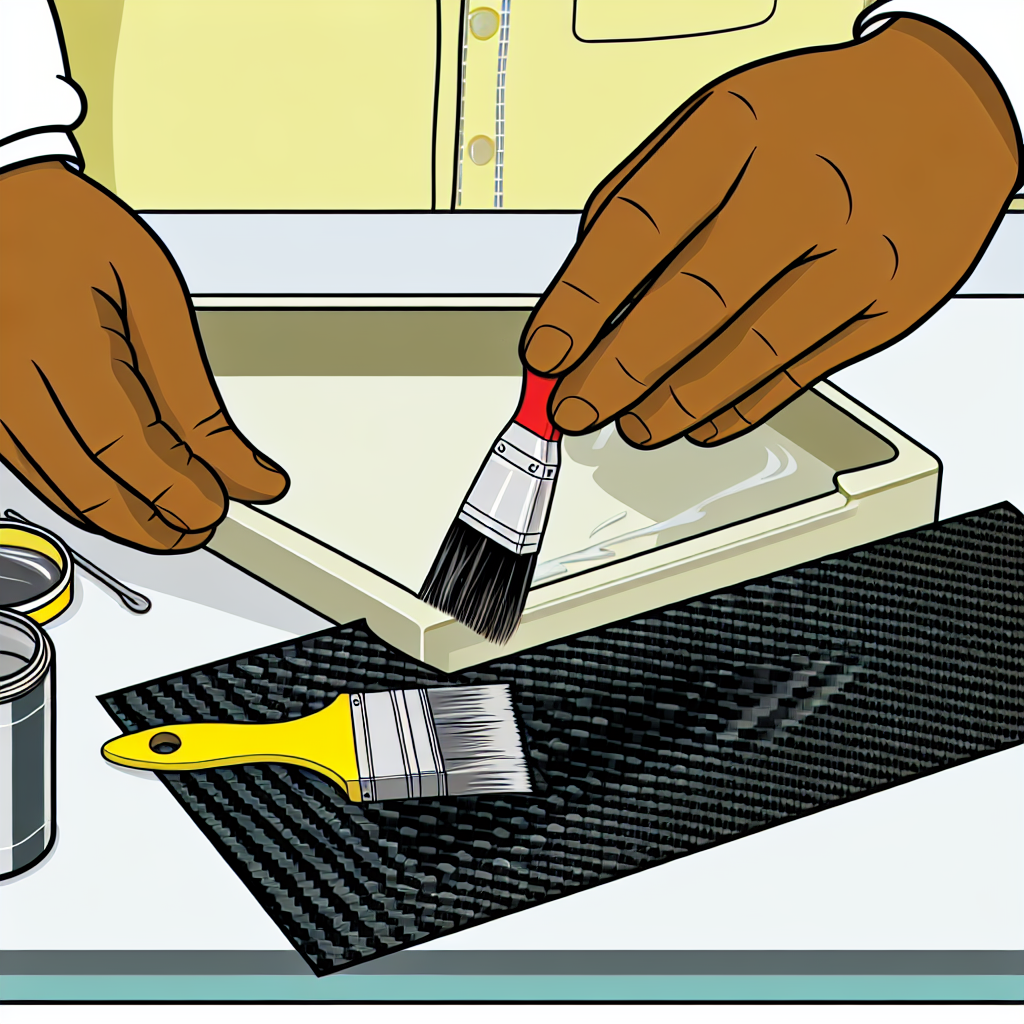
Applying epoxy resin to carbon fiber is a meticulous process that requires careful attention to detail to ensure a strong bond and a smooth finish. To begin, it is essential to gather all necessary materials, including epoxy resin, hardener, mixing containers, stir sticks, and protective gear such as gloves and goggles. Once you have assembled your tools, the first step is to prepare the workspace. A clean, dust-free environment is crucial, as any contaminants can compromise the integrity of the bond between the epoxy and the carbon fiber.
Next, you should measure the epoxy resin and hardener according to the manufacturer’s instructions. It is vital to adhere to the specified mixing ratio, as deviations can lead to improper curing and affect the overall performance of the resin. Using a digital scale can enhance accuracy, particularly for larger projects. After measuring the components, pour the resin and hardener into a clean mixing container. It is advisable to use a container that is not only clean but also made of a material that will not react with the epoxy.
Once the resin and hardener are in the mixing container, the next step is to mix them thoroughly. Using a stir stick, gently mix the two components together, ensuring that you scrape the sides and bottom of the container to incorporate all material evenly. It is important to mix slowly to minimize the introduction of air bubbles, which can weaken the final product. Continue mixing until the mixture is clear and uniform, typically for about three to five minutes, depending on the volume being mixed.
After achieving a consistent mixture, it is time to apply the epoxy resin to the carbon fiber. Before application, ensure that the surface of the carbon fiber is clean and free from any oils or contaminants. If necessary, wipe the surface with a suitable solvent, such as isopropyl alcohol, and allow it to dry completely. Once the surface is prepared, you can begin applying the epoxy. Using a brush or a spatula, spread the resin evenly over the carbon fiber, ensuring complete coverage. It is crucial to work quickly, as epoxy resin has a limited working time before it begins to set.
As you apply the resin, pay attention to any areas that may require additional material, particularly where the carbon fiber weave is more open. It is often beneficial to apply multiple thin layers rather than a single thick layer, as this can help prevent issues such as sagging or uneven curing. Allow each layer to cure according to the manufacturer’s recommendations before applying the next. This step is essential for achieving optimal strength and adhesion.
Once the final layer has been applied, it is important to allow the epoxy to cure fully. Curing times can vary based on temperature and humidity, so it is advisable to consult the product specifications for guidance. During this time, avoid disturbing the project to ensure a smooth finish. After the epoxy has cured completely, you may choose to sand the surface lightly to achieve a polished look or to prepare it for painting or additional finishing touches.
In conclusion, applying epoxy resin to carbon fiber is a process that demands precision and care. By following these steps—preparing your workspace, measuring and mixing the components accurately, applying the resin evenly, and allowing for proper curing—you can achieve a durable and aesthetically pleasing result. With practice, this technique can enhance the performance and longevity of carbon fiber applications in various projects.
Tips for Achieving a Smooth Finish with Epoxy Resin on Carbon Fiber
Achieving a smooth finish with epoxy resin on carbon fiber requires careful preparation and execution, as the quality of the final product is heavily influenced by the techniques employed during the application process. To begin with, it is essential to select the right type of epoxy resin, as different formulations may yield varying results. A high-quality epoxy resin specifically designed for use with carbon fiber will not only enhance adhesion but also contribute to a more aesthetically pleasing finish. Once the appropriate resin is chosen, the next step involves preparing the carbon fiber surface. This preparation is crucial, as any contaminants or imperfections can compromise the bond between the resin and the carbon fiber, leading to an uneven finish.
Before applying the epoxy, it is advisable to clean the carbon fiber surface thoroughly. Using a solvent such as isopropyl alcohol can effectively remove dust, oils, and other residues that may interfere with the adhesion of the resin. After cleaning, it is beneficial to lightly sand the surface with fine-grit sandpaper. This process creates micro-abrasions that enhance the mechanical bond between the resin and the carbon fiber, ultimately contributing to a smoother finish. Following sanding, it is important to remove any dust particles generated during this process, as they can also mar the final appearance of the cured resin.
Once the surface is adequately prepared, the next step is to mix the epoxy resin according to the manufacturer’s instructions. It is crucial to measure the resin and hardener accurately, as improper ratios can lead to issues such as incomplete curing or a tacky finish. After mixing, it is advisable to let the mixture sit for a few minutes to allow any air bubbles to rise to the surface. This step is often overlooked, yet it can significantly impact the clarity and smoothness of the final product.
When it comes to applying the epoxy resin, using a high-quality brush or roller can make a substantial difference in achieving a smooth finish. A brush allows for more control and precision, particularly in intricate areas, while a roller can cover larger surfaces more efficiently. Regardless of the tool chosen, it is essential to apply the resin in thin, even layers. Thick applications can lead to sagging or uneven curing, which detracts from the overall appearance. If multiple layers are required, it is advisable to allow each layer to cure partially before applying the next, as this can help prevent issues related to trapping air or creating an uneven surface.
After the final layer of epoxy has been applied, it is important to monitor the curing process closely. Environmental factors such as temperature and humidity can influence the curing time and quality of the finish. Ideally, the curing should take place in a controlled environment, free from dust and debris. Once the epoxy has fully cured, a final sanding with ultra-fine sandpaper can help achieve an even smoother finish. This step should be followed by polishing the surface to enhance clarity and shine.
In conclusion, achieving a smooth finish with epoxy resin on carbon fiber involves meticulous preparation, careful application, and attention to environmental conditions. By selecting the right materials, preparing the surface properly, and applying the resin with precision, one can create a visually appealing and durable finish that showcases the unique properties of carbon fiber. With practice and patience, the process can yield impressive results that meet both functional and aesthetic requirements.
Q&A
1. **Question:** What surface preparation is needed before applying epoxy resin to carbon fiber?
**Answer:** Clean the carbon fiber surface thoroughly to remove any dust, grease, or contaminants, and lightly sand it to promote better adhesion.
2. **Question:** How do you mix epoxy resin for application on carbon fiber?
**Answer:** Follow the manufacturer’s instructions to mix the epoxy resin and hardener in the correct ratio, typically using a clean container and a stir stick to ensure a uniform mixture.
3. **Question:** What is the best method for applying epoxy resin to carbon fiber?
**Answer:** Use a brush, roller, or squeegee to apply the mixed epoxy resin evenly over the carbon fiber surface, ensuring complete coverage and avoiding air bubbles.