


-
Table of Contents
“Craft Your Vision: A Step-by-Step Guide to Creating Perfect Fiberglass Molds.”
Introduction
Creating a fiberglass mold is a valuable skill for various applications, from crafting custom parts to producing artistic sculptures. This step-by-step guide will walk you through the essential processes involved in making a fiberglass mold, ensuring you achieve a durable and precise result. Whether you’re a beginner or an experienced maker, this guide will provide clear instructions, tips, and best practices to help you successfully create your own fiberglass mold. With the right materials and techniques, you can unlock endless possibilities for your projects.
Materials Needed for Fiberglass Mold Making
Creating a fiberglass mold requires careful selection of materials to ensure a successful outcome. The process begins with the choice of a suitable base material, which serves as the foundation for the mold. Commonly, a model or pattern made from wood, metal, or plastic is used. This model should be smooth and well-finished, as any imperfections will be transferred to the final fiberglass product. Therefore, it is essential to prepare the model meticulously, ensuring that it is clean and free from dust or debris.
Once the model is ready, the next critical material is the release agent. This substance is vital for preventing the fiberglass from adhering to the model, allowing for easy removal once the mold has cured. Commonly used release agents include wax, PVA (polyvinyl alcohol), and silicone-based sprays. Each type has its advantages, and the choice often depends on the specific requirements of the project. For instance, wax is typically used for simpler molds, while PVA provides a more robust barrier for complex shapes.
Following the application of the release agent, the fiberglass itself is the next essential component. Fiberglass is composed of glass fibers and a resin, which, when combined, create a strong and durable material. The most commonly used resin for mold making is polyester resin, known for its affordability and ease of use. However, epoxy resin is also an option, offering superior strength and chemical resistance, albeit at a higher cost. When selecting resin, it is crucial to consider the intended use of the mold, as this will influence the choice between polyester and epoxy.
In addition to the resin, fiberglass cloth or mat is required to reinforce the mold. Fiberglass cloth is available in various weights and weaves, allowing for customization based on the desired strength and flexibility of the final product. For instance, heavier cloth provides greater strength, while lighter options may be more suitable for intricate designs. It is advisable to choose a cloth that complements the resin being used, as compatibility can significantly affect the curing process and overall quality of the mold.
Moreover, hardeners or catalysts are necessary to initiate the curing process of the resin. These chemicals are mixed with the resin in specific ratios, and their precise measurement is crucial for achieving the desired consistency and curing time. It is important to follow the manufacturer’s instructions carefully, as improper mixing can lead to issues such as incomplete curing or brittleness in the final mold.
To facilitate the application of the resin and fiberglass, various tools and equipment are also required. Brushes, rollers, and squeegees are commonly used to apply the resin evenly across the model. Additionally, mixing containers and stir sticks are essential for preparing the resin and hardener mixture. Safety equipment, including gloves, goggles, and masks, should not be overlooked, as working with fiberglass and resin can pose health risks due to fumes and skin irritation.
In conclusion, the successful creation of a fiberglass mold hinges on the careful selection and preparation of materials. From the model and release agent to the resin, fiberglass cloth, and necessary tools, each component plays a vital role in the overall process. By understanding the purpose and function of each material, one can ensure a smoother workflow and achieve a high-quality mold that meets the desired specifications. With the right materials in hand, the journey of mold making can be both rewarding and fulfilling.
Preparing the Original Model for Molding
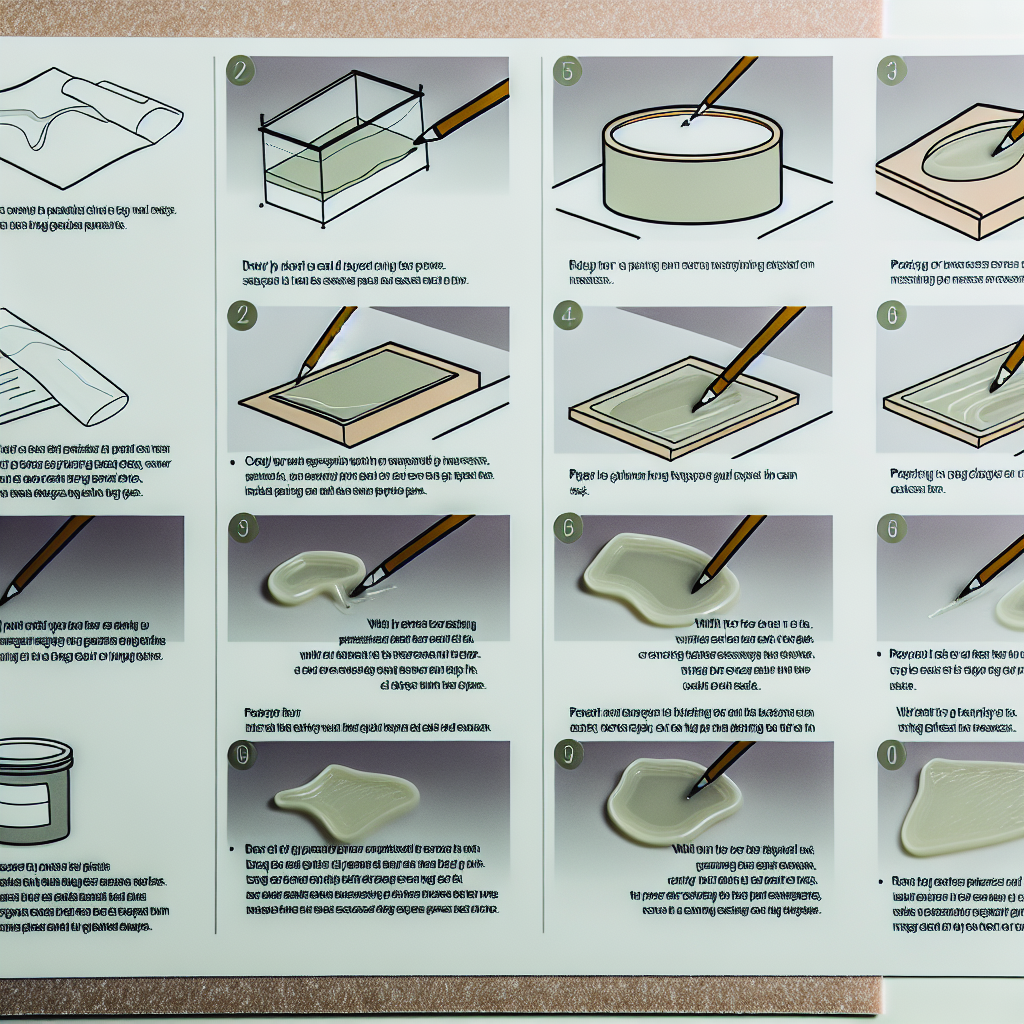
Preparing the original model for molding is a critical step in the fiberglass mold-making process, as it lays the foundation for the quality and accuracy of the final product. The first consideration in this preparation phase is selecting an appropriate model. This model can be made from various materials, including wood, metal, or plastic, depending on the desired characteristics of the final mold. It is essential that the model is durable and capable of withstanding the molding process, which often involves the application of heat and pressure.
Once the model is selected, the next step is to ensure that its surface is smooth and free of imperfections. Any flaws present on the model will be transferred to the mold, potentially compromising the quality of the final product. To achieve a flawless surface, one can sand the model using progressively finer grits of sandpaper. This process not only smooths out any rough areas but also helps to create a surface that will release easily from the mold later on. After sanding, it is advisable to clean the model thoroughly to remove any dust or debris that may have accumulated during the sanding process. A clean surface is crucial, as contaminants can interfere with the bonding of the mold material.
Following the cleaning process, the next step involves applying a release agent to the model. The purpose of the release agent is to create a barrier between the model and the fiberglass, ensuring that the mold can be removed without damaging either the mold or the original model. There are various types of release agents available, including waxes and sprays, each with its own application method. It is important to apply the release agent evenly and thoroughly, paying special attention to intricate details and crevices of the model. This step is vital, as inadequate application can lead to the mold sticking to the model, resulting in a damaged original.
In addition to applying a release agent, it is also beneficial to consider reinforcing the model, especially if it is made from a less durable material. Reinforcement can be achieved by adding a layer of fiberglass cloth or resin to the model’s surface. This additional layer not only enhances the model’s strength but also helps to maintain its shape during the molding process. However, care must be taken to ensure that this reinforcement does not alter the dimensions or details of the original model, as accuracy is paramount in mold-making.
Once the model is prepared, it is essential to conduct a final inspection to ensure that all steps have been completed satisfactorily. This includes checking for any missed areas of release agent, ensuring that the surface is smooth, and confirming that any reinforcements are securely attached. Taking the time to perform this final inspection can save significant time and resources in the long run, as it minimizes the risk of errors during the molding process.
In conclusion, preparing the original model for molding is a meticulous process that requires careful attention to detail. By selecting a suitable model, ensuring a smooth surface, applying a release agent, and reinforcing the model as necessary, one can create a solid foundation for producing high-quality fiberglass molds. Each of these steps plays a crucial role in ensuring that the final mold accurately reflects the original model, ultimately leading to successful outcomes in the fiberglass molding process.
Applying Fiberglass Layers and Finishing the Mold
Applying fiberglass layers and finishing the mold is a critical phase in the process of creating a fiberglass mold. This stage not only determines the structural integrity of the mold but also influences the final quality of the castings produced from it. To begin, it is essential to prepare the workspace and gather all necessary materials, including fiberglass cloth, resin, hardener, brushes, rollers, and protective gear. Ensuring that the workspace is well-ventilated is crucial, as the fumes from the resin can be harmful.
Once the workspace is ready, the first step is to mix the resin and hardener according to the manufacturer’s instructions. It is vital to achieve the correct ratio to ensure proper curing. After mixing, the resin should be applied to the surface of the original model or plug. Using a brush or roller, the resin should be spread evenly, ensuring that every area is adequately coated. This initial layer serves as a bonding agent for the fiberglass cloth that will follow.
After applying the resin, the next step involves laying down the fiberglass cloth. It is advisable to cut the cloth into manageable pieces that can be easily handled. When placing the cloth onto the resin-coated surface, it is important to smooth out any wrinkles or air bubbles, as these imperfections can compromise the mold’s quality. Once the cloth is in position, additional resin should be applied over the top, saturating the fiberglass thoroughly. This process may need to be repeated several times, typically involving multiple layers of fiberglass cloth and resin. Each layer adds strength and durability to the mold, so it is essential to allow each layer to cure partially before applying the next.
As the layers build up, it is crucial to monitor the curing process. Depending on the type of resin used, curing times may vary. Generally, it is advisable to allow each layer to cure until it is tacky but not fully hardened before adding the next layer. This ensures a strong bond between the layers. After achieving the desired thickness, which is usually around one-quarter to one-half inch, the final layer should be allowed to cure completely. This may take several hours or even days, depending on environmental conditions and the specific materials used.
Once the mold has fully cured, the next step is to carefully remove it from the original model. This process requires patience and precision to avoid damaging either the mold or the model. Gently prying the edges of the mold away from the model can help facilitate this process. If the mold was properly prepared with a release agent, it should come off relatively easily. However, if any resistance is encountered, it is advisable to use a release agent or lubricant to ease the separation.
After successfully removing the mold, it is essential to inspect it for any imperfections or areas that may require additional finishing. Sanding the edges and surfaces can help achieve a smooth finish, which is crucial for producing high-quality castings. Additionally, any sharp edges should be rounded off to prevent damage to future castings. Finally, applying a coat of release agent to the interior of the mold will ensure that future castings can be removed easily without sticking.
In conclusion, applying fiberglass layers and finishing the mold is a meticulous process that requires attention to detail and careful execution. By following these steps, one can create a durable and effective fiberglass mold that will serve as a reliable tool for various casting applications.
Q&A
1. **What materials are needed to create a fiberglass mold?**
You will need fiberglass cloth, resin (polyester or epoxy), a mold release agent, a mixing container, a brush or roller for application, and safety equipment (gloves, mask, goggles).
2. **What is the first step in the fiberglass mold-making process?**
The first step is to prepare the original model by cleaning it thoroughly and applying a mold release agent to ensure the fiberglass does not stick to the model.
3. **How do you apply the fiberglass to create the mold?**
Cut the fiberglass cloth to size, mix the resin according to the manufacturer’s instructions, then apply a layer of resin to the model, lay the fiberglass cloth on top, and saturate it with more resin. Repeat this process to build up the desired thickness.