


-
Table of Contents
“Kevlar: Unyielding Protection for Real-World Challenges.”
Introduction
– Kevlar is a high-strength synthetic fiber developed by DuPont in the 1960s, known for its exceptional tensile strength and lightweight properties.
– It is widely used in the production of bulletproof gear, including vests, helmets, and shields, providing critical protection for military personnel, law enforcement, and civilians.
– The material’s unique molecular structure allows it to absorb and disperse energy from ballistic impacts, significantly reducing the risk of injury.
– Kevlar’s applications extend beyond personal protection to include reinforcement in vehicles, aircraft, and various industrial applications, showcasing its versatility and effectiveness.
– Continuous advancements in Kevlar technology aim to enhance its protective capabilities while maintaining comfort and mobility for users in high-risk environments.
Kevlar’s Role in Modern Body Armor
Kevlar, a synthetic fiber developed by Stephanie Kwolek in the 1960s, has become synonymous with strength and durability, particularly in the realm of personal protection. Its unique molecular structure, characterized by a high tensile strength-to-weight ratio, allows it to absorb and disperse energy effectively, making it an ideal material for body armor. In modern applications, Kevlar is extensively utilized in bulletproof gear, providing essential protection for military personnel, law enforcement officers, and civilians in high-risk environments.
The integration of Kevlar into body armor has revolutionized personal safety. Traditional armor materials, such as metal or ceramic plates, while effective against certain threats, often come with significant drawbacks, including weight and bulkiness. In contrast, Kevlar-based armor is lightweight and flexible, allowing for greater mobility and comfort. This is particularly important for law enforcement officers who may need to wear their gear for extended periods while remaining agile and responsive to dynamic situations. The ability to layer Kevlar fabric in various configurations further enhances its protective capabilities, enabling manufacturers to create vests that can withstand multiple types of ballistic threats.
Moreover, the versatility of Kevlar extends beyond just ballistic protection. It is also employed in stab-resistant vests, which are crucial for personnel who may encounter edged weapons. The fibers in Kevlar are woven tightly together, creating a barrier that can absorb the force of a stabbing motion, thereby reducing the likelihood of injury. This adaptability makes Kevlar an invaluable component in the design of modern body armor, as it can be tailored to meet the specific needs of different users, whether they are in military combat zones or urban environments.
In addition to its protective qualities, Kevlar’s lightweight nature contributes to the overall effectiveness of body armor. The reduced weight allows for better endurance and less fatigue, which is critical in high-stress situations where every second counts. As a result, soldiers and officers can maintain their focus and performance without being hindered by cumbersome gear. This aspect of Kevlar’s design has led to its widespread adoption in various forms of protective clothing, including helmets, gloves, and even footwear, further enhancing the safety of individuals in dangerous situations.
Furthermore, advancements in technology have led to the development of new Kevlar composites that offer even greater levels of protection. These innovations include the incorporation of additional materials, such as polyethylene or carbon fibers, which can enhance the armor’s resistance to specific threats. As research continues, the potential for Kevlar to evolve and improve remains significant, promising even more effective solutions for personal protection in the future.
In conclusion, Kevlar’s role in modern body armor is pivotal, providing a blend of strength, flexibility, and lightweight comfort that is essential for personal safety. Its applications extend beyond traditional ballistic protection, encompassing a range of threats that individuals may face in various environments. As technology advances and new materials are developed, the future of Kevlar in bulletproof gear looks promising, ensuring that those who put themselves in harm’s way can rely on effective and reliable protection. The ongoing commitment to innovation in this field will undoubtedly lead to even more sophisticated solutions, further solidifying Kevlar’s status as a cornerstone of personal protective equipment.
The Impact of Kevlar on Law Enforcement Gear
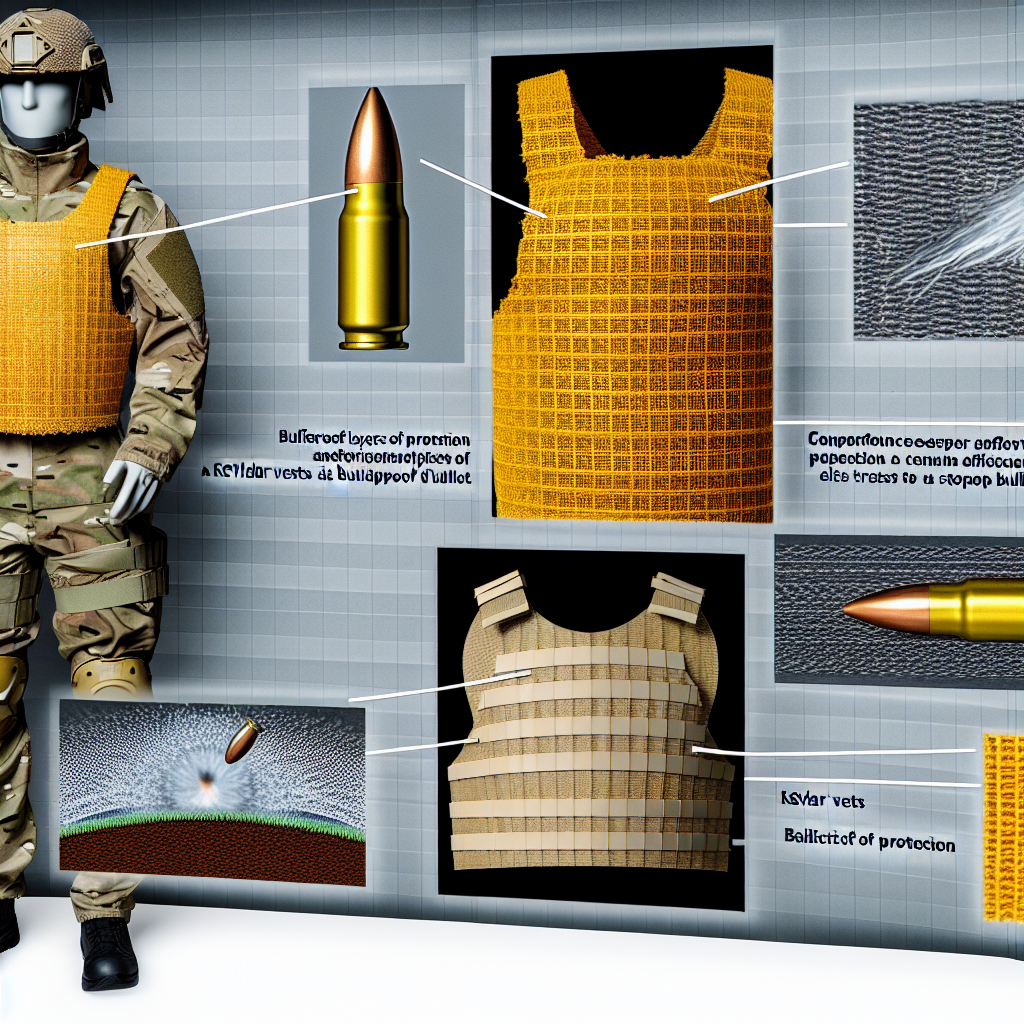
Kevlar, a synthetic fiber developed by Stephanie Kwolek in the 1960s, has revolutionized the field of personal protective equipment, particularly in law enforcement gear. Its unique properties, including high tensile strength and lightweight nature, have made it an indispensable material for creating bulletproof vests and other protective clothing. The impact of Kevlar on law enforcement gear cannot be overstated, as it has significantly enhanced the safety and effectiveness of police officers in the line of duty.
To begin with, the introduction of Kevlar into law enforcement gear has dramatically improved the level of protection available to officers. Traditional armor materials, such as steel or heavy leather, were often cumbersome and limited mobility. In contrast, Kevlar is not only lightweight but also flexible, allowing officers to move freely while still being protected from ballistic threats. This increased mobility is crucial in high-stress situations where quick reactions can mean the difference between life and death. As a result, officers equipped with Kevlar vests can perform their duties more effectively, whether they are engaging in routine patrols or responding to critical incidents.
Moreover, the effectiveness of Kevlar in stopping bullets has been well-documented. The fiber’s unique structure allows it to absorb and disperse the energy of a bullet upon impact, significantly reducing the risk of injury. This capability has led to a marked decrease in fatalities and serious injuries among law enforcement personnel. Studies have shown that officers wearing Kevlar vests are far less likely to sustain life-threatening injuries compared to those without such protection. Consequently, the adoption of Kevlar in law enforcement gear has not only saved lives but has also fostered a greater sense of security among officers, enabling them to perform their duties with confidence.
In addition to its protective qualities, Kevlar has also influenced the design and functionality of law enforcement gear. Modern bulletproof vests are now designed to be more ergonomic, incorporating features such as adjustable straps and breathable materials to enhance comfort during extended wear. This focus on user experience is essential, as officers often spend long hours in their gear. The integration of Kevlar has allowed manufacturers to create vests that are not only protective but also comfortable and practical for everyday use. Furthermore, advancements in technology have led to the development of multi-threat vests that can protect against various types of weapons, including knives and blunt force trauma, thereby broadening the scope of protection offered to law enforcement personnel.
Transitioning from individual protection to broader implications, the use of Kevlar in law enforcement gear has also had a significant impact on public perception and trust in police forces. As communities witness the commitment to officer safety through the adoption of advanced protective gear, they may feel more secure knowing that law enforcement personnel are equipped to handle dangerous situations. This enhanced trust can lead to improved community relations, fostering a collaborative environment where officers and citizens work together to ensure safety.
In conclusion, the impact of Kevlar on law enforcement gear is profound and multifaceted. By providing superior protection, enhancing mobility, and influencing design, Kevlar has transformed the landscape of personal protective equipment for police officers. As technology continues to evolve, it is likely that Kevlar will remain at the forefront of innovations in law enforcement gear, ensuring that officers are equipped to face the challenges of their critical roles while prioritizing their safety and effectiveness in serving the community.
Advancements in Kevlar Technology for Military Applications
Kevlar, a synthetic fiber known for its exceptional strength and durability, has undergone significant advancements in technology, particularly in its applications for military use. Originally developed in the 1960s by Stephanie Kwolek at DuPont, Kevlar was designed to be a lightweight alternative to steel for use in tires. However, its remarkable properties soon found a place in the realm of personal protective equipment, especially in bulletproof vests and other military gear. As the demands of modern warfare evolve, so too does the technology surrounding Kevlar, leading to innovations that enhance its protective capabilities.
One of the most notable advancements in Kevlar technology is the development of hybrid materials that combine Kevlar with other high-performance fibers. For instance, the integration of Dyneema, a polyethylene fiber known for its high tensile strength, with Kevlar has resulted in composite materials that offer improved ballistic protection while maintaining a lightweight profile. This synergy not only enhances the protective qualities of military gear but also increases comfort and mobility for soldiers in the field. As military operations often require agility and endurance, these advancements are crucial in ensuring that personnel can perform effectively under challenging conditions.
Moreover, researchers have been exploring the incorporation of nanotechnology into Kevlar fibers. By manipulating the structure of Kevlar at the molecular level, scientists have been able to create fibers that exhibit even greater strength and flexibility. This innovation allows for the production of thinner, lighter armor that does not compromise on protection. The use of nanotechnology also opens the door to the development of self-healing materials, which can repair minor damages sustained during combat, thereby extending the lifespan of protective gear and reducing the need for frequent replacements.
In addition to enhancing the physical properties of Kevlar, advancements in manufacturing processes have also played a pivotal role in its application for military use. Techniques such as 3D weaving and advanced knitting methods allow for the creation of complex fabric structures that can be tailored to specific protective needs. These methods enable manufacturers to produce armor that conforms more closely to the body, providing better coverage and reducing the risk of injury from projectiles. Furthermore, the ability to customize armor for different missions or environments ensures that military personnel are equipped with gear that meets their unique operational requirements.
Another significant area of advancement is the integration of smart technology into Kevlar-based gear. The incorporation of sensors and communication devices into protective clothing can provide real-time data on environmental conditions, soldier health, and potential threats. This fusion of technology and traditional protective materials represents a paradigm shift in military gear, transforming it from mere physical protection to a comprehensive system that enhances situational awareness and decision-making on the battlefield.
As military applications continue to evolve, the advancements in Kevlar technology are poised to play a critical role in shaping the future of personal protective equipment. The ongoing research and development efforts not only aim to improve the effectiveness of Kevlar in stopping bullets and shrapnel but also focus on enhancing the overall functionality and comfort of military gear. With each innovation, Kevlar solidifies its position as an indispensable material in the quest to protect those who serve, ensuring that they are equipped with the best possible tools to face the challenges of modern warfare. As these advancements unfold, they promise to redefine the standards of safety and performance in military applications, ultimately contributing to the well-being of soldiers in the line of duty.
Q&A
1. **Question:** What is Kevlar primarily used for in bulletproof gear?
**Answer:** Kevlar is primarily used for its high tensile strength and lightweight properties, making it ideal for ballistic vests and armor that provide protection against bullets and shrapnel.
2. **Question:** How does Kevlar provide protection in bulletproof vests?
**Answer:** Kevlar fibers are woven together to create a strong, flexible fabric that absorbs and disperses the energy of a bullet upon impact, reducing penetration and injury.
3. **Question:** Are there any limitations to Kevlar in bulletproof applications?
**Answer:** Yes, Kevlar has limitations, such as reduced effectiveness against high-velocity rounds and blunt force trauma, and it can degrade over time when exposed to UV light, moisture, and extreme temperatures.