


Table of Contents
“Unmatched Strength, Featherlight Performance: Carbon Fiber Revolutionizes Sports Equipment.”
Introduction
Carbon fiber is increasingly recognized as an ideal material for sports equipment due to its unique combination of strength, lightweight properties, and versatility. Its high tensile strength allows for the creation of durable products that can withstand the rigors of intense physical activity while remaining lightweight, enhancing performance and maneuverability. Additionally, carbon fiber’s ability to be molded into complex shapes enables the design of equipment that maximizes aerodynamics and efficiency. This material also offers excellent vibration dampening, improving comfort and control for athletes. As a result, carbon fiber has become a preferred choice for a wide range of sports equipment, from bicycles and tennis rackets to golf clubs and skis, revolutionizing the way athletes train and compete.
Lightweight Strength: Enhancing Performance in Sports Equipment
Carbon fiber has emerged as a revolutionary material in the realm of sports equipment, primarily due to its lightweight strength, which significantly enhances athletic performance. This unique composite material, composed of thin strands of carbon atoms woven together, offers a remarkable strength-to-weight ratio that is unparalleled by traditional materials such as aluminum or steel. As athletes continually seek ways to improve their performance, the adoption of carbon fiber in sports equipment has become increasingly prevalent, leading to innovations that not only enhance speed and agility but also improve overall safety.
One of the most compelling advantages of carbon fiber is its ability to provide exceptional strength while remaining incredibly lightweight. This characteristic is particularly beneficial in sports where every ounce counts, such as cycling, running, and skiing. For instance, in competitive cycling, the use of carbon fiber frames allows cyclists to achieve higher speeds with less effort, as the reduced weight enables quicker acceleration and easier maneuverability. Furthermore, the stiffness of carbon fiber contributes to improved energy transfer, meaning that more of the cyclist’s power is effectively converted into forward motion, thereby enhancing performance.
In addition to cycling, carbon fiber has made significant inroads into the world of running. The introduction of carbon fiber plates in running shoes has transformed the footwear industry, providing athletes with a competitive edge. These plates not only reduce the overall weight of the shoe but also offer a spring-like effect that propels runners forward with each stride. As a result, many elite athletes have reported improved race times and reduced fatigue, showcasing how the integration of carbon fiber technology can lead to substantial performance gains.
Moreover, the versatility of carbon fiber extends beyond cycling and running; it has also found applications in sports such as tennis, golf, and even team sports like basketball and football. In tennis, for example, racquets made from carbon fiber allow players to generate more power and spin while maintaining control, thus enhancing their overall game. Similarly, golf clubs constructed from carbon fiber can provide golfers with a lighter club that does not compromise on strength, allowing for greater swing speed and improved distance.
Transitioning to team sports, the use of carbon fiber in protective gear, such as helmets and pads, has revolutionized player safety. The lightweight nature of carbon fiber allows for the creation of protective equipment that does not hinder movement, enabling athletes to perform at their best while minimizing the risk of injury. This is particularly crucial in contact sports, where the balance between protection and performance is essential. By incorporating carbon fiber into these products, manufacturers can ensure that athletes are well-protected without sacrificing agility or speed.
In conclusion, the lightweight strength of carbon fiber has made it an ideal choice for a wide range of sports equipment, enhancing performance across various athletic disciplines. As technology continues to advance, it is likely that we will see even more innovative applications of carbon fiber in sports, further pushing the boundaries of what athletes can achieve. The combination of reduced weight, increased strength, and improved safety makes carbon fiber a game-changer in the world of sports, allowing athletes to reach new heights in their performance while enjoying the benefits of cutting-edge technology. As the demand for high-performance equipment grows, carbon fiber will undoubtedly remain at the forefront of sports innovation, shaping the future of athletic performance.
Durability and Longevity: The Benefits of Carbon Fiber in Athletic Gear
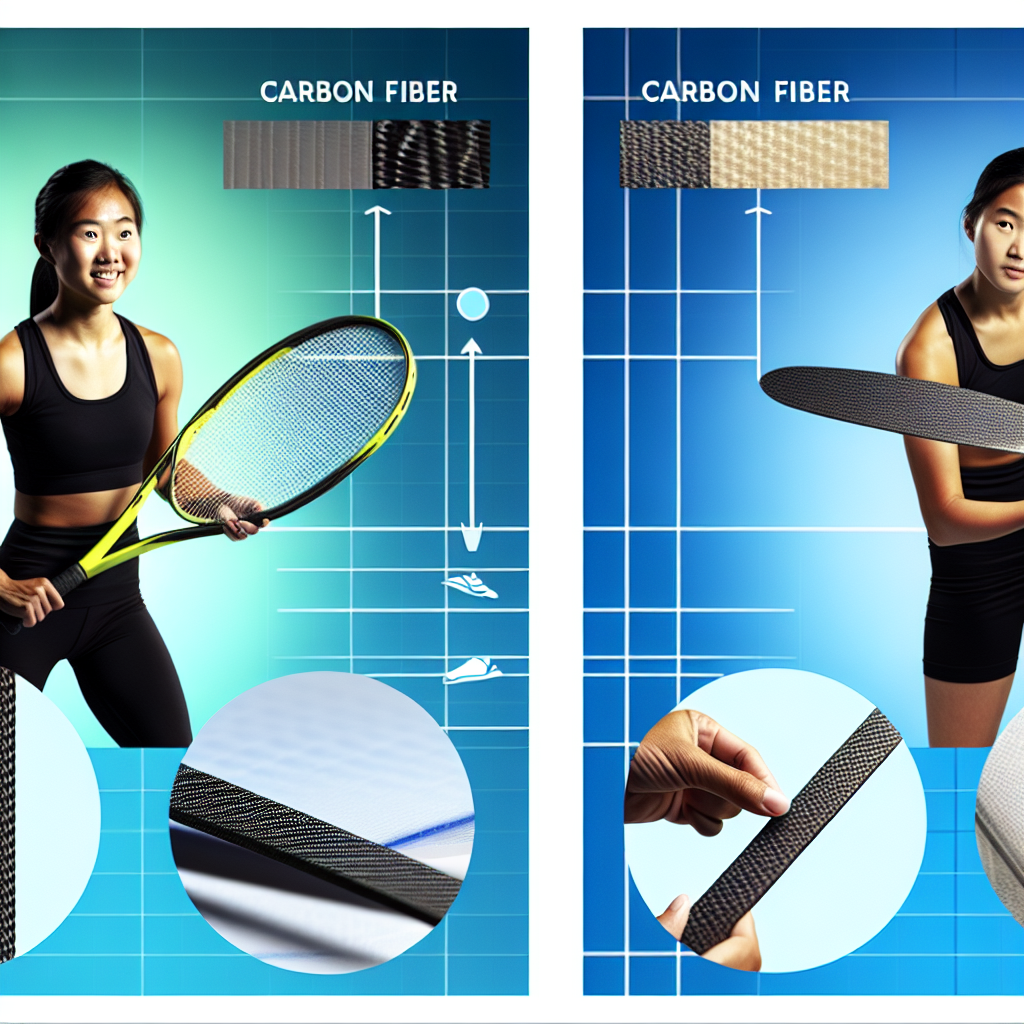
Carbon fiber has emerged as a revolutionary material in the realm of sports equipment, primarily due to its exceptional durability and longevity. As athletes continually seek gear that can withstand the rigors of intense physical activity, carbon fiber stands out as a superior choice. This composite material, composed of thin strands of carbon atoms woven together, offers a unique combination of strength and lightweight properties that are particularly advantageous in athletic applications.
One of the most significant benefits of carbon fiber is its remarkable strength-to-weight ratio. Unlike traditional materials such as aluminum or steel, carbon fiber is significantly lighter while maintaining comparable, if not superior, strength. This characteristic is particularly beneficial in sports where performance is closely tied to the weight of the equipment. For instance, in cycling, the use of carbon fiber frames allows for faster acceleration and improved handling, as athletes can maneuver with greater ease. Similarly, in sports like tennis and golf, carbon fiber racquets and clubs provide players with enhanced control and power without the burden of excessive weight.
Moreover, the durability of carbon fiber is unparalleled. It is resistant to corrosion and fatigue, which means that equipment made from this material can endure the wear and tear associated with regular use. Unlike metal, which can suffer from rust and degradation over time, carbon fiber maintains its structural integrity even when exposed to harsh environmental conditions. This resilience translates into a longer lifespan for sports equipment, ultimately providing athletes with a reliable investment. As a result, athletes can focus on their performance rather than worrying about the potential failure of their gear.
In addition to its strength and durability, carbon fiber also offers excellent shock absorption properties. This feature is particularly important in high-impact sports, where equipment must absorb and dissipate energy to protect the athlete. For example, in sports like skiing or snowboarding, carbon fiber components can help reduce vibrations and impacts, leading to a more comfortable and controlled experience on the slopes. This ability to absorb shock not only enhances performance but also contributes to the overall safety of the athlete, reducing the risk of injury.
Furthermore, the versatility of carbon fiber allows for innovative designs that can enhance performance. Manufacturers can mold carbon fiber into complex shapes and structures that optimize aerodynamics and functionality. This adaptability has led to the creation of specialized equipment tailored to the unique demands of various sports. For instance, in the realm of running, carbon fiber plates embedded in shoes have been shown to improve energy return, allowing athletes to achieve faster times and greater efficiency. Such advancements underscore the material’s potential to push the boundaries of athletic performance.
In conclusion, the durability and longevity of carbon fiber make it an ideal choice for sports equipment. Its lightweight nature, combined with exceptional strength and resistance to wear, ensures that athletes can rely on their gear for extended periods without compromising performance. Additionally, the shock absorption capabilities and design flexibility of carbon fiber further enhance its appeal in the competitive sports landscape. As technology continues to evolve, it is likely that carbon fiber will play an increasingly prominent role in the development of innovative athletic gear, ultimately shaping the future of sports performance.
Design Flexibility: Customization Opportunities with Carbon Fiber Materials
Carbon fiber has emerged as a revolutionary material in the realm of sports equipment, primarily due to its remarkable design flexibility and the extensive customization opportunities it offers. This unique composite material, composed of thin strands of carbon atoms woven together, possesses an exceptional strength-to-weight ratio, making it an ideal choice for athletes and manufacturers alike. The ability to mold carbon fiber into various shapes and forms allows designers to create equipment that not only meets the specific performance needs of athletes but also enhances their overall experience.
One of the most significant advantages of carbon fiber is its versatility in design. Unlike traditional materials such as metal or wood, carbon fiber can be easily manipulated during the manufacturing process. This adaptability enables engineers to create complex geometries that optimize performance characteristics. For instance, in the design of bicycles, carbon fiber can be shaped to reduce aerodynamic drag while maintaining structural integrity. This capability allows for the production of frames that are not only lightweight but also tailored to the unique riding style and preferences of individual cyclists.
Moreover, the customization potential of carbon fiber extends beyond mere shape and structure. Manufacturers can adjust the fiber orientation and layering techniques to fine-tune the stiffness and flexibility of the equipment. This level of precision is particularly beneficial in sports such as tennis and golf, where the feel and response of the racket or club can significantly impact performance. By varying the construction of the carbon fiber, designers can create equipment that caters to different playing styles, ensuring that athletes have the tools they need to excel in their respective sports.
In addition to performance enhancements, the aesthetic possibilities offered by carbon fiber are also noteworthy. The material can be produced in a variety of finishes, from matte to glossy, and can be dyed in numerous colors, allowing for a high degree of personalization. Athletes often seek equipment that reflects their individual style, and carbon fiber provides an opportunity for brands to offer visually appealing products that stand out in a competitive market. This combination of functionality and aesthetics not only attracts consumers but also fosters brand loyalty, as athletes are more likely to invest in equipment that resonates with their personal identity.
Furthermore, the integration of advanced technologies with carbon fiber opens up new avenues for customization. For example, manufacturers are increasingly incorporating sensors and smart technology into carbon fiber equipment, enabling real-time performance tracking and feedback. This innovation allows athletes to analyze their performance metrics and make informed adjustments to their training regimens. As a result, the customization of sports equipment is not limited to physical attributes; it now encompasses technological enhancements that can significantly improve an athlete’s performance.
In conclusion, the design flexibility and customization opportunities presented by carbon fiber make it an ideal material for sports equipment. Its ability to be molded into various shapes, combined with the potential for tailored performance characteristics and aesthetic appeal, positions carbon fiber as a game-changer in the industry. As technology continues to evolve, the possibilities for further customization will only expand, ensuring that athletes have access to equipment that not only meets their needs but also enhances their overall sporting experience. The future of sports equipment design is undoubtedly intertwined with the innovative applications of carbon fiber, paving the way for a new era of performance-driven and personalized athletic gear.
Q&A
1. **Question:** What are the primary benefits of using carbon fiber in sports equipment?
**Answer:** Carbon fiber is lightweight, strong, and has high stiffness, which enhances performance while reducing fatigue for athletes.
2. **Question:** How does carbon fiber improve the durability of sports equipment?
**Answer:** Carbon fiber has excellent resistance to impact and fatigue, making it less likely to break or deform under stress compared to traditional materials.
3. **Question:** In what ways does carbon fiber contribute to better performance in sports?
**Answer:** The material’s high strength-to-weight ratio allows for the design of equipment that maximizes energy transfer and responsiveness, leading to improved speed and control.