


-
Table of Contents
“Woven vs. Non-Woven: Understanding the Fabric of Functionality.”
Introduction
Woven and non-woven fibers are two distinct categories of textile materials, each with unique characteristics and applications. Woven fibers are created by interlacing two sets of yarns at right angles, resulting in a strong and durable fabric commonly used in clothing, upholstery, and various industrial applications. In contrast, non-woven fibers are produced by bonding or felting fibers together through mechanical, thermal, or chemical processes, leading to a fabric that is typically lighter, more flexible, and often used in disposable products, medical supplies, and insulation materials. Understanding the differences between these two types of fibers is essential for selecting the appropriate material for specific uses in various industries.
Woven Fibers: Structure and Characteristics
Woven fibers are a fundamental category of textiles characterized by their unique structure and properties, which arise from the interlacing of two sets of yarns or threads. This intricate process involves the warp threads, which run lengthwise, and the weft threads, which are woven across the width. The resulting fabric exhibits a distinct grid-like pattern, contributing to its strength and durability. The method of weaving not only influences the aesthetic appeal of the fabric but also its functional characteristics, making woven fibers suitable for a wide range of applications.
One of the primary advantages of woven fibers is their inherent strength. The interlacing of threads creates a stable structure that can withstand significant tension and stress. This durability makes woven fabrics ideal for items that require longevity, such as upholstery, workwear, and outdoor gear. Additionally, the tightness of the weave can be adjusted to enhance the fabric’s resistance to wear and tear. For instance, a tighter weave can provide greater protection against environmental factors, while a looser weave may offer increased breathability.
Moreover, woven fibers exhibit a variety of textures and finishes, which can be achieved through different weaving techniques. Common methods include plain weave, twill weave, and satin weave, each producing distinct surface characteristics. Plain weave, for example, is the simplest and most common type, resulting in a flat and uniform surface. In contrast, twill weave creates a diagonal pattern, adding depth and visual interest, while satin weave produces a smooth, glossy finish that is often associated with luxury fabrics. These variations not only enhance the aesthetic appeal of woven textiles but also influence their tactile qualities, making them suitable for diverse applications in fashion and interior design.
In addition to their structural advantages, woven fibers also offer versatility in terms of material composition. They can be crafted from a wide range of fibers, including natural fibers such as cotton, linen, and wool, as well as synthetic fibers like polyester and nylon. This diversity allows manufacturers to tailor the properties of woven fabrics to meet specific needs. For instance, cotton woven fabrics are prized for their softness and breathability, making them ideal for casual wear, while synthetic woven fabrics are often chosen for their moisture-wicking and quick-drying capabilities, making them suitable for athletic apparel.
Furthermore, woven fibers are often easier to dye and print compared to their non-woven counterparts. The structured nature of woven fabrics allows for more precise application of dyes and patterns, resulting in vibrant colors and intricate designs. This characteristic is particularly advantageous in the fashion industry, where visual appeal is paramount. The ability to create detailed patterns and textures through weaving techniques also contributes to the overall aesthetic value of the final product.
In conclusion, woven fibers stand out due to their unique structural characteristics, which provide strength, durability, and versatility. The interlacing of threads not only enhances the fabric’s resilience but also allows for a wide range of textures and finishes, catering to various aesthetic and functional requirements. With the ability to be crafted from diverse materials and easily dyed or printed, woven fibers continue to play a crucial role in the textile industry, meeting the demands of both consumers and manufacturers alike. As such, understanding the characteristics of woven fibers is essential for anyone involved in textile design or production, as it informs choices that impact both the quality and appeal of the final product.
Non-Woven Fibers: Types and Applications
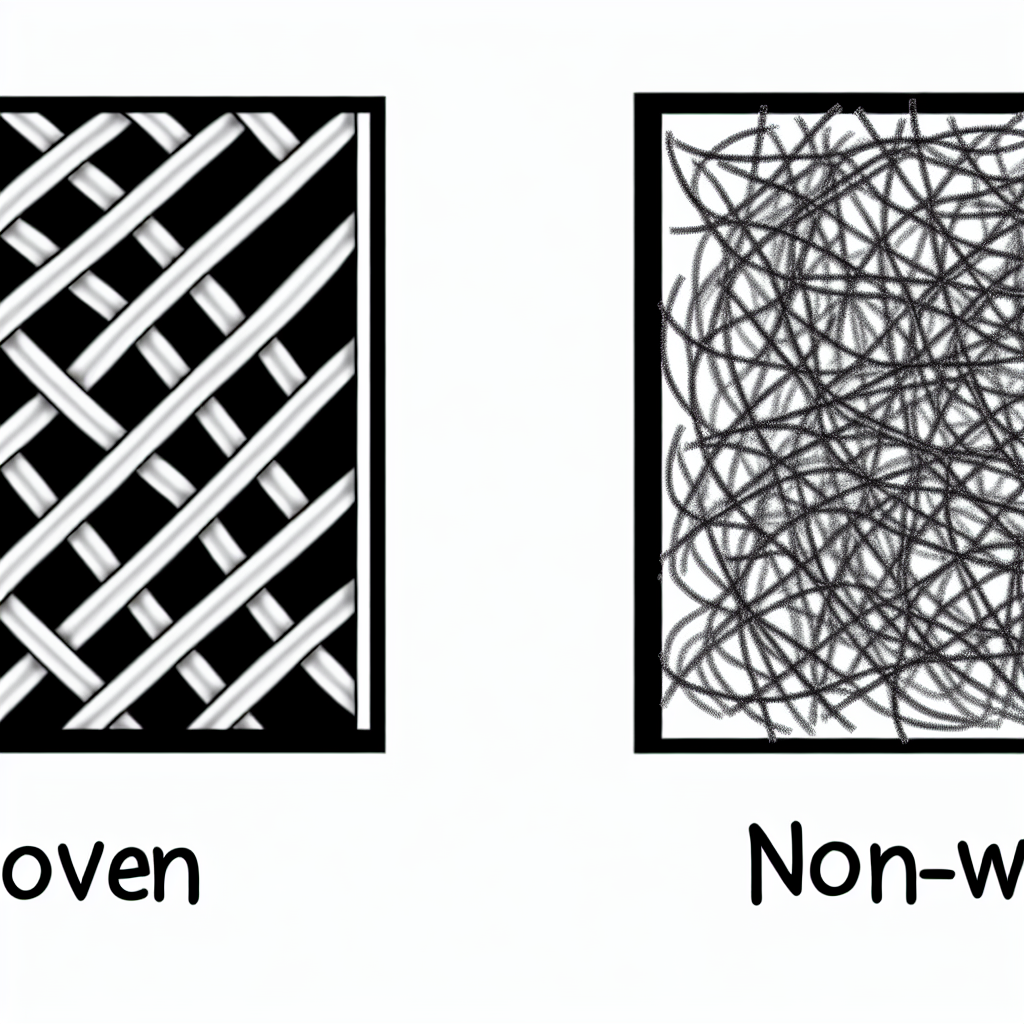
Non-woven fibers represent a significant category within the textile industry, distinguished by their unique manufacturing processes and diverse applications. Unlike woven fibers, which are created by interlacing threads, non-woven fibers are produced by bonding or felting fibers together, resulting in a fabric that does not require the traditional weaving technique. This fundamental difference in production leads to a variety of types and applications that cater to specific needs across multiple sectors.
One of the most common types of non-woven fibers is the spunbond fabric, which is made by extruding thermoplastic fibers and then bonding them together through heat and pressure. This type of non-woven fabric is known for its strength, durability, and resistance to tearing, making it ideal for applications such as medical gowns, surgical drapes, and various types of protective clothing. Furthermore, spunbond fabrics are often used in the agricultural sector for crop covers and weed control, as they allow air and moisture to pass through while providing a protective barrier.
Another notable type of non-woven fiber is the meltblown fabric, which is produced by blowing molten polymer through a high-velocity air stream. This process creates extremely fine fibers that are then collected on a screen or conveyor belt. Meltblown fabrics are particularly valued for their filtration properties, making them essential components in products such as face masks, air filters, and oil absorbents. The fine structure of meltblown fibers allows for high surface area and excellent filtration efficiency, which is crucial in applications requiring high levels of cleanliness and safety.
In addition to spunbond and meltblown, there are also needle-punched non-woven fabrics, which are created by mechanically entangling fibers using barbed needles. This method results in a dense and durable fabric that is often used in automotive interiors, carpets, and geotextiles. The versatility of needle-punched fabrics allows them to be engineered for specific performance characteristics, such as increased abrasion resistance or enhanced thermal insulation, thereby broadening their range of applications.
Moreover, non-woven fibers can be categorized based on their intended use, leading to specialized products such as hygiene products, insulation materials, and industrial wipes. For instance, non-woven fabrics are widely utilized in the production of disposable diapers and feminine hygiene products due to their softness, absorbency, and breathability. These characteristics are essential for ensuring comfort and hygiene in personal care applications.
The environmental impact of non-woven fibers is also an important consideration. Many manufacturers are increasingly focusing on sustainability by using biodegradable materials or recycling processes to create non-woven fabrics. This shift not only addresses environmental concerns but also meets the growing consumer demand for eco-friendly products. As a result, non-woven fibers are evolving to incorporate sustainable practices, which enhances their appeal in various markets.
In conclusion, non-woven fibers encompass a diverse range of types and applications that cater to the needs of various industries. From spunbond and meltblown to needle-punched fabrics, each type offers unique properties that make them suitable for specific uses. As the demand for innovative and sustainable materials continues to rise, the versatility and adaptability of non-woven fibers position them as a vital component in the future of textiles and beyond.
Key Differences Between Woven and Non-Woven Fibers
When exploring the world of textiles, one encounters a variety of materials, each with its unique properties and applications. Among these, woven and non-woven fibers stand out as two fundamental categories that serve different purposes in various industries. Understanding the key differences between these two types of fibers is essential for making informed decisions in manufacturing, fashion, and even medical applications.
To begin with, woven fibers are created through a process that involves interlacing two sets of yarns at right angles to each other. This method results in a fabric that is typically strong and durable, making it suitable for a wide range of applications, from clothing to upholstery. The structure of woven fabrics allows for a variety of patterns and textures, which can enhance both aesthetic appeal and functionality. For instance, the tightness of the weave can influence the fabric’s breathability, weight, and overall performance. Additionally, woven fabrics tend to have a more defined grain, which can affect how they drape and behave when cut and sewn.
In contrast, non-woven fibers are produced through a different technique that does not involve weaving. Instead, they are created by bonding fibers together through mechanical, thermal, or chemical processes. This results in a fabric that is often lighter and more flexible than its woven counterpart. Non-woven materials are typically used in applications where durability is not the primary concern, such as disposable products, medical supplies, and filtration systems. The manufacturing process of non-woven fabrics allows for a wide range of textures and thicknesses, making them versatile for various uses. For example, non-woven fabrics can be engineered to be absorbent, water-resistant, or even breathable, depending on the intended application.
Another significant difference lies in the production efficiency and cost-effectiveness of woven versus non-woven fibers. Woven fabrics generally require more time and labor to produce, as the weaving process is intricate and demands skilled craftsmanship. This complexity often translates to higher production costs, which can impact the final price of the product. On the other hand, non-woven fabrics can be produced more rapidly and with less labor, making them a more economical choice for manufacturers looking to produce large quantities of material quickly. This efficiency is particularly advantageous in industries that require high-volume production, such as hygiene products and packaging.
Moreover, the environmental impact of these two types of fibers can also differ significantly. Woven fabrics, especially those made from natural fibers like cotton or linen, can be more sustainable if sourced responsibly. However, the production of synthetic woven fabrics can contribute to environmental concerns due to the energy-intensive processes involved. Conversely, non-woven fabrics, particularly those made from recycled materials, can offer a more sustainable alternative, especially in disposable applications where traditional washing and reuse are not feasible.
In summary, the differences between woven and non-woven fibers are rooted in their production methods, structural characteristics, and applications. Woven fabrics are known for their strength and versatility, making them ideal for durable products, while non-woven fabrics excel in efficiency and adaptability, often serving specific needs in disposable or lightweight applications. By understanding these distinctions, manufacturers and consumers alike can make more informed choices that align with their specific requirements and values.
Q&A
1. **What are woven fibers?**
Woven fibers are created by interlacing two sets of yarns or threads at right angles to each other, forming a fabric with a distinct pattern and structure.
2. **What are non-woven fibers?**
Non-woven fibers are made by bonding or felting fibers together through mechanical, thermal, or chemical processes, resulting in a fabric that does not have a traditional woven structure.
3. **What are the main applications of woven vs. non-woven fibers?**
Woven fibers are commonly used in clothing, upholstery, and home textiles due to their durability and strength, while non-woven fibers are often used in disposable products like medical masks, filters, and insulation materials due to their cost-effectiveness and versatility.