


-
Table of Contents
“Carbon Fiber vs. Fiberglass: Weighing Strength and Cost for Your Next Project.”
Introduction
Carbon fiber and fiberglass are two popular composite materials used in various industries, including automotive, aerospace, and sports equipment. Each material has distinct properties that make it suitable for specific applications. Carbon fiber is known for its high strength-to-weight ratio, stiffness, and resistance to fatigue, making it ideal for high-performance applications. However, it is generally more expensive and less impact-resistant than fiberglass. On the other hand, fiberglass offers good strength, flexibility, and cost-effectiveness, making it a popular choice for a wide range of products. Understanding the pros and cons of each material is essential for selecting the right one for a given project, as their characteristics can significantly influence performance, durability, and overall cost.
Carbon Fiber: Advantages and Disadvantages
Carbon fiber has emerged as a prominent material in various industries, particularly in aerospace, automotive, and sporting goods, due to its unique properties. One of the most significant advantages of carbon fiber is its exceptional strength-to-weight ratio. This means that carbon fiber is not only lightweight but also incredibly strong, making it an ideal choice for applications where reducing weight is crucial without compromising structural integrity. For instance, in the aerospace industry, the use of carbon fiber components can lead to significant fuel savings and improved performance.
Moreover, carbon fiber exhibits excellent stiffness, which contributes to its ability to maintain shape under stress. This characteristic is particularly beneficial in high-performance applications, such as racing cars and bicycles, where precision and responsiveness are paramount. Additionally, carbon fiber is resistant to corrosion and chemical damage, which enhances its durability and longevity compared to traditional materials like metals. This resistance to environmental factors makes carbon fiber an attractive option for outdoor applications, where exposure to moisture and chemicals can lead to degradation over time.
However, despite these advantages, carbon fiber is not without its drawbacks. One of the primary disadvantages is its cost. The manufacturing process for carbon fiber is complex and labor-intensive, resulting in a higher price point compared to alternatives like fiberglass. This can be a significant barrier for industries or consumers looking for cost-effective solutions. Furthermore, while carbon fiber is strong, it is also more brittle than fiberglass. This brittleness means that, under certain conditions, carbon fiber can fail suddenly and catastrophically, whereas fiberglass tends to deform before breaking, providing a warning sign of impending failure.
Another consideration is the difficulty of repair. When carbon fiber components are damaged, they often require specialized techniques and materials for repair, which can be both time-consuming and expensive. In contrast, fiberglass can often be repaired more easily and at a lower cost, making it a more practical choice for applications where repairs are likely to be needed. Additionally, the recycling of carbon fiber presents challenges, as the material is not as easily recyclable as fiberglass, which can be a concern in an increasingly eco-conscious market.
In terms of aesthetics, carbon fiber has a distinctive appearance that many find appealing, often associated with high-tech and luxury products. However, this visual appeal may not be enough to offset the practical disadvantages for some users. For instance, in applications where cost and ease of repair are more critical than weight savings or performance, fiberglass may be the preferred choice.
In conclusion, carbon fiber offers a range of advantages, including a high strength-to-weight ratio, excellent stiffness, and resistance to corrosion. These properties make it an attractive option for high-performance applications. However, the material’s high cost, brittleness, and challenges related to repair and recycling cannot be overlooked. Ultimately, the decision between carbon fiber and fiberglass will depend on the specific requirements of the application, balancing performance needs with budgetary constraints and long-term maintenance considerations. As industries continue to evolve, understanding the pros and cons of these materials will be essential for making informed choices that align with both performance goals and economic realities.
Fiberglass: Benefits and Drawbacks
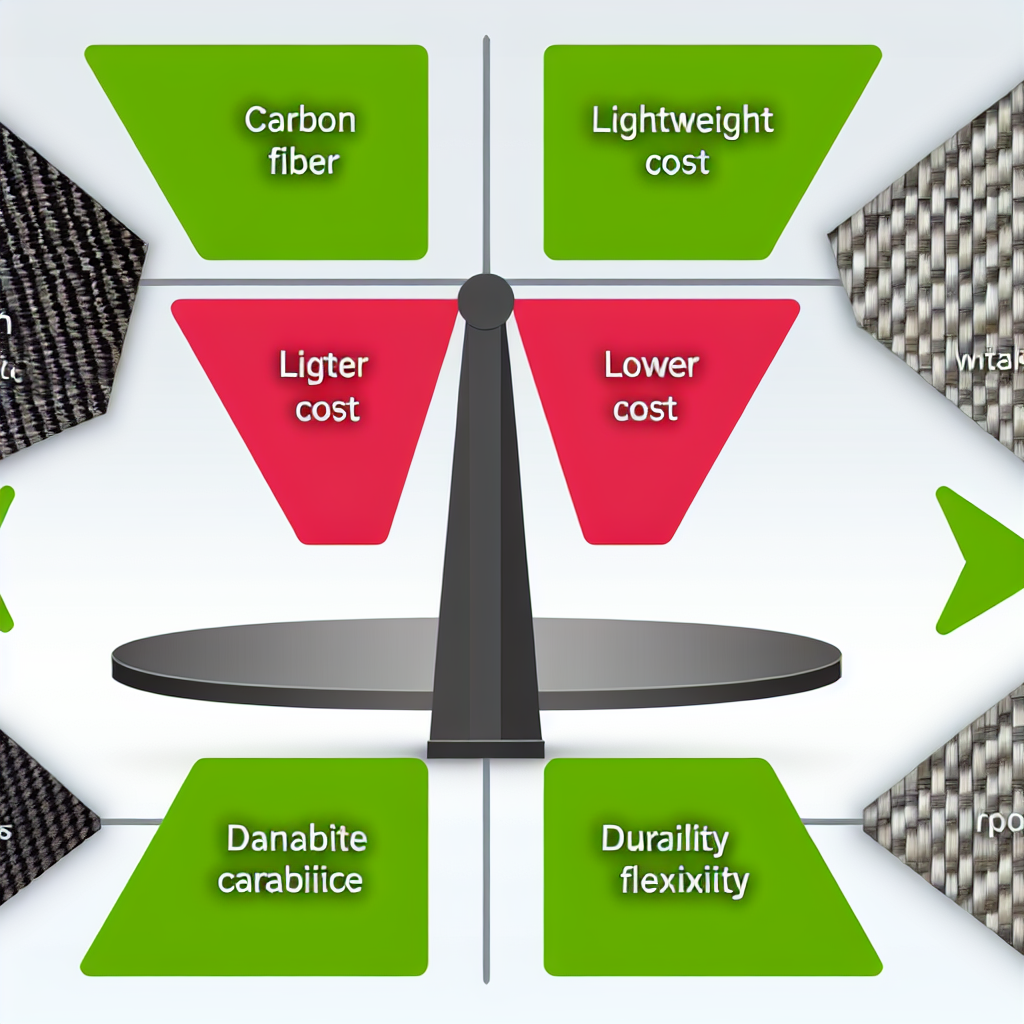
Fiberglass, a composite material made from fine glass fibers and resin, has been a staple in various industries due to its unique properties and versatility. One of the primary benefits of fiberglass is its lightweight nature, which makes it an attractive option for applications where reducing weight is crucial, such as in automotive and aerospace industries. This lightweight characteristic allows for improved fuel efficiency and easier handling, making fiberglass a preferred choice for manufacturers looking to enhance performance without compromising structural integrity.
In addition to being lightweight, fiberglass boasts excellent corrosion resistance. This property is particularly advantageous in environments exposed to moisture, chemicals, and extreme weather conditions. As a result, fiberglass is often used in marine applications, such as boat hulls and storage tanks, where durability and resistance to environmental degradation are paramount. Furthermore, fiberglass can be molded into complex shapes, allowing for greater design flexibility. This capability enables engineers and designers to create intricate components that would be challenging to achieve with traditional materials.
However, while fiberglass presents numerous advantages, it is not without its drawbacks. One significant concern is its lower tensile strength compared to carbon fiber. Although fiberglass is strong enough for many applications, it does not possess the same level of strength-to-weight ratio that carbon fiber offers. Consequently, in high-performance scenarios where strength is critical, such as in high-end sports cars or aerospace components, fiberglass may fall short of meeting the necessary specifications.
Another drawback of fiberglass is its susceptibility to UV degradation. Over time, prolonged exposure to sunlight can weaken the material, leading to a reduction in its mechanical properties and aesthetic appeal. This limitation necessitates the application of protective coatings or paints, which can add to the overall cost and maintenance requirements of fiberglass products. Additionally, while fiberglass is relatively easy to work with, the manufacturing process can be labor-intensive and may require specialized skills, particularly when it comes to achieving high-quality finishes.
Moreover, the environmental impact of fiberglass production and disposal raises concerns. The production process involves the use of resins and chemicals that can be harmful to the environment, and once fiberglass products reach the end of their life cycle, recycling options are limited. This aspect has led to increased scrutiny regarding the sustainability of fiberglass as a material choice, prompting some industries to explore alternative options that offer better environmental profiles.
Despite these drawbacks, fiberglass remains a popular choice in many applications due to its cost-effectiveness. Compared to carbon fiber, fiberglass is generally more affordable, making it accessible for a broader range of projects. This affordability allows manufacturers to produce high-quality products without incurring prohibitive costs, which is particularly beneficial for industries that require large quantities of material.
In conclusion, fiberglass presents a compelling mix of benefits and drawbacks that must be carefully considered when selecting materials for specific applications. Its lightweight nature, corrosion resistance, and design flexibility make it an attractive option for many industries. However, its lower tensile strength, susceptibility to UV degradation, and environmental concerns cannot be overlooked. Ultimately, the decision to use fiberglass should be based on a thorough evaluation of the specific requirements of the project at hand, balancing performance, cost, and sustainability to achieve the best possible outcome.
Carbon Fiber vs Fiberglass: A Comparative Analysis
When comparing carbon fiber and fiberglass, it is essential to understand the distinct properties and applications of each material, as both have unique advantages and disadvantages that make them suitable for different uses. Carbon fiber, known for its high strength-to-weight ratio, is often favored in industries where performance and weight savings are critical. This material is composed of thin strands of carbon atoms bonded together in a crystalline structure, resulting in a lightweight yet incredibly strong composite. In contrast, fiberglass, made from fine glass fibers, offers a more cost-effective solution with decent strength and flexibility, making it a popular choice for a variety of applications, including automotive, marine, and construction.
One of the primary advantages of carbon fiber is its exceptional tensile strength, which allows it to withstand significant stress without deforming. This characteristic makes carbon fiber an ideal choice for high-performance applications, such as aerospace components, sports equipment, and high-end automotive parts. Additionally, carbon fiber exhibits excellent fatigue resistance, meaning it can endure repeated stress cycles without losing its structural integrity. However, this remarkable performance comes at a cost; carbon fiber is generally more expensive to produce and process than fiberglass, which can be a limiting factor for some projects.
On the other hand, fiberglass presents a more economical alternative, particularly for applications where weight and performance are less critical. The manufacturing process for fiberglass is relatively straightforward and less costly, making it accessible for a broader range of industries. Furthermore, fiberglass is known for its resistance to corrosion and environmental degradation, which makes it suitable for outdoor applications, such as boat hulls and roofing materials. While fiberglass does not match the strength of carbon fiber, it still offers adequate durability for many uses, making it a practical choice for budget-conscious projects.
In terms of weight, carbon fiber has a clear advantage over fiberglass. The lightweight nature of carbon fiber allows for the creation of products that are not only strong but also significantly lighter than their fiberglass counterparts. This reduction in weight can lead to improved performance in applications such as racing cars and bicycles, where every gram counts. Conversely, fiberglass tends to be heavier, which can be a disadvantage in performance-driven scenarios. However, the added weight of fiberglass can also contribute to stability in certain applications, such as in the construction of boats, where a heavier hull can provide better handling in rough waters.
Another important consideration is the ease of fabrication. Carbon fiber requires specialized techniques and equipment for processing, which can complicate manufacturing and increase production times. In contrast, fiberglass is generally easier to work with, allowing for quicker turnaround times and more straightforward repairs. This accessibility makes fiberglass a preferred choice for many manufacturers, particularly in industries where rapid prototyping and production are essential.
Ultimately, the choice between carbon fiber and fiberglass depends on the specific requirements of the project at hand. While carbon fiber excels in high-performance applications where strength and weight are paramount, fiberglass offers a more economical and versatile solution for a wide range of uses. By carefully evaluating the pros and cons of each material, manufacturers and designers can make informed decisions that align with their project goals, ensuring optimal performance and cost-effectiveness.
Q&A
1. **Question:** What are the main advantages of carbon fiber over fiberglass?
**Answer:** Carbon fiber is lighter, stronger, and stiffer than fiberglass, providing better performance in applications requiring high strength-to-weight ratios.
2. **Question:** What are the disadvantages of carbon fiber compared to fiberglass?
**Answer:** Carbon fiber is generally more expensive and less impact-resistant than fiberglass, making it more prone to damage from impacts.
3. **Question:** In what situations is fiberglass preferred over carbon fiber?
**Answer:** Fiberglass is preferred in applications where cost is a major concern, where flexibility and impact resistance are needed, such as in boat hulls and some automotive parts.