


-
Table of Contents
“Unleash Your Creativity: The Ultimate Resin for Flawless Mold Making in 2025!”
Introduction
In 2025, the demand for high-quality resin for mold making continues to rise, driven by advancements in materials science and the growing popularity of DIY projects and professional crafting. The best resins available this year are characterized by their ease of use, durability, and versatility, catering to a wide range of applications from intricate art pieces to functional prototypes. Key features to consider include curing time, flexibility, clarity, and resistance to environmental factors. As artisans and manufacturers seek reliable solutions, the top resin options of 2025 stand out for their innovative formulations, ensuring exceptional results for both hobbyists and professionals alike.
Top 5 Resins for Mold Making in 2025
As we look ahead to 2025, the world of mold making continues to evolve, with advancements in materials that enhance both the quality and efficiency of the process. Among these materials, resin stands out as a crucial component, offering versatility and durability for a wide range of applications. In this context, it is essential to identify the top five resins that are expected to dominate the mold-making landscape in 2025, each bringing unique properties that cater to various needs.
First on the list is epoxy resin, renowned for its exceptional strength and adhesion properties. Epoxy resins are particularly favored in mold making due to their ability to cure into a hard, durable finish that withstands wear and tear. This type of resin is ideal for creating intricate molds that require fine detail, making it a popular choice among artisans and manufacturers alike. Furthermore, epoxy resins are resistant to chemicals and moisture, which enhances their longevity and reliability in various environments. As such, they are expected to remain a top choice for mold makers in 2025.
Next, polyurethane resin emerges as another leading contender in the mold-making arena. This resin is celebrated for its flexibility and impact resistance, making it suitable for molds that need to endure repeated use. Polyurethane resins can be formulated to achieve a range of hardness levels, allowing mold makers to customize their products according to specific project requirements. Additionally, the rapid curing time of polyurethane resins enables faster production cycles, which is a significant advantage in industries where time is of the essence. As demand for efficient and adaptable materials grows, polyurethane resins are likely to maintain their prominence in 2025.
Silicone resin also deserves mention as a top choice for mold making. Known for its excellent release properties, silicone resin allows for easy demolding, which is particularly beneficial when working with complex shapes. This type of resin is often used in applications where high detail and precision are paramount, such as in the production of prototypes or artistic pieces. Moreover, silicone resins are highly resistant to temperature fluctuations, making them suitable for casting materials that may undergo thermal stress. As the need for high-quality molds continues to rise, silicone resins are expected to remain a staple in the industry.
In addition to these established options, bio-based resins are gaining traction as a sustainable alternative in mold making. With increasing awareness of environmental issues, many manufacturers are seeking eco-friendly materials that do not compromise on performance. Bio-based resins, derived from renewable resources, offer a compelling solution by providing similar properties to traditional resins while reducing the carbon footprint associated with production. As sustainability becomes a priority for many industries, the adoption of bio-based resins is anticipated to grow significantly in 2025.
Finally, polyester resin rounds out the list of top resins for mold making. This resin is often chosen for its affordability and ease of use, making it an attractive option for hobbyists and small-scale producers. Polyester resins can be easily colored and modified, allowing for creative freedom in mold design. While they may not offer the same level of durability as epoxy or polyurethane resins, their versatility and cost-effectiveness ensure that they will continue to be a popular choice among mold makers in the coming years.
In conclusion, the landscape of mold making in 2025 will be shaped by a diverse array of resins, each offering distinct advantages. From the strength of epoxy and the flexibility of polyurethane to the ease of use of silicone and the sustainability of bio-based options, mold makers will have a wealth of choices to meet their specific needs. As technology advances and consumer preferences evolve, these top five resins are poised to lead the way in the mold-making industry.
Comparing Epoxy and Polyurethane Resins for Mold Making
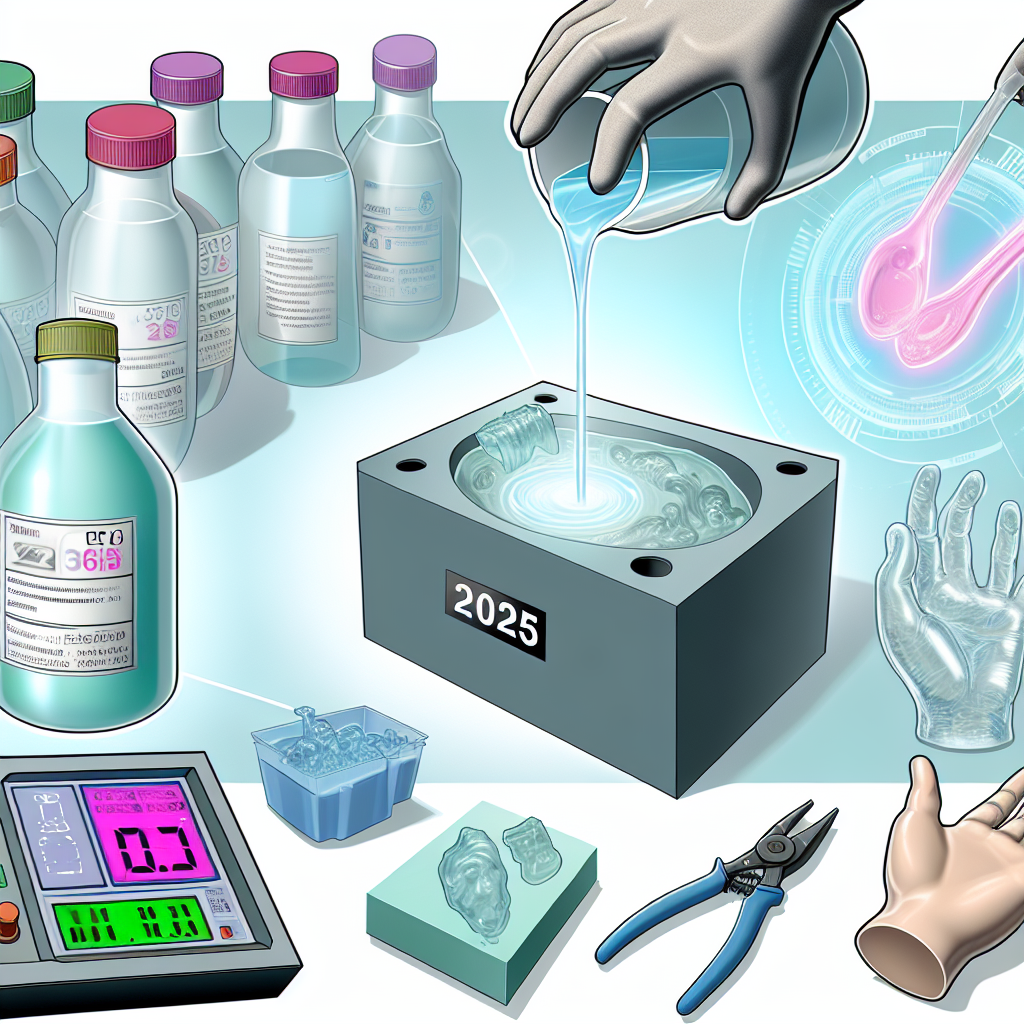
When it comes to mold making, the choice of resin is crucial for achieving the desired results, and two of the most popular options are epoxy and polyurethane resins. Each type of resin has its unique properties, advantages, and disadvantages, making it essential for mold makers to understand the differences between them to select the best material for their specific applications.
Epoxy resin is renowned for its exceptional strength and durability. It is often favored for projects that require a high level of detail and precision, as it can capture intricate designs with remarkable clarity. Additionally, epoxy resins typically have a longer working time, allowing for more flexibility during the mold-making process. This extended pot life is particularly beneficial for complex molds that require careful layering or the incorporation of various materials. Furthermore, epoxy resins exhibit excellent adhesion properties, which can enhance the overall integrity of the mold and the final cast product.
On the other hand, polyurethane resin is celebrated for its versatility and rapid curing times. This type of resin is often preferred for projects that demand quick turnaround times, as it can cure significantly faster than epoxy. This characteristic makes polyurethane an attractive option for production environments where efficiency is paramount. Moreover, polyurethane resins are available in a wide range of formulations, allowing mold makers to select a product that best suits their specific needs, whether they require flexibility, rigidity, or a combination of both.
However, while polyurethane resins offer speed and versatility, they may not always match the strength and durability of epoxy resins. For instance, polyurethane molds can be more susceptible to wear and tear over time, particularly when used with abrasive materials. This limitation can be a critical factor for mold makers who prioritize longevity and durability in their projects. Additionally, polyurethane resins can sometimes produce more volatile fumes during the curing process, necessitating proper ventilation and safety precautions.
When comparing the two, it is also essential to consider the cost implications. Generally, epoxy resins tend to be more expensive than their polyurethane counterparts. This price difference can influence the decision-making process, especially for hobbyists or small businesses operating on a tight budget. However, it is important to weigh the initial cost against the long-term benefits, as investing in higher-quality epoxy resins may yield better results and reduce the need for frequent replacements.
In terms of application, both epoxy and polyurethane resins can be used effectively for various mold-making projects, including casting, prototyping, and artistic endeavors. The choice ultimately depends on the specific requirements of the project, such as the desired finish, the complexity of the mold, and the materials being used. For instance, if a project demands high detail and durability, epoxy may be the superior choice. Conversely, if speed and flexibility are more critical, polyurethane could be the better option.
In conclusion, both epoxy and polyurethane resins have their distinct advantages and disadvantages when it comes to mold making. Understanding these differences allows mold makers to make informed decisions based on their specific needs and project requirements. By carefully considering factors such as strength, curing time, cost, and application, one can select the most suitable resin for achieving optimal results in mold making endeavors in 2025 and beyond.
Eco-Friendly Resin Options for Mold Making in 2025
As the demand for sustainable practices continues to rise, the realm of mold making is witnessing a significant shift towards eco-friendly resin options. In 2025, artisans and manufacturers alike are increasingly prioritizing materials that not only deliver high-quality results but also minimize environmental impact. This transition is driven by a growing awareness of the ecological footprint associated with traditional resin products, which often contain harmful chemicals and contribute to pollution. Consequently, the market is responding with innovative formulations that align with both performance and sustainability.
One of the most promising developments in eco-friendly resin technology is the emergence of bio-based resins. These materials are derived from renewable resources, such as plant oils and natural fibers, which significantly reduces reliance on petroleum-based products. For instance, some manufacturers are now offering resins made from soy or corn, which not only provide excellent casting properties but also decompose more readily than their synthetic counterparts. This shift towards bio-based options is not merely a trend; it represents a fundamental change in how mold makers approach their craft, emphasizing the importance of sustainability without compromising on quality.
In addition to bio-based resins, another noteworthy option gaining traction in 2025 is water-based resin. Unlike traditional solvent-based resins, which emit volatile organic compounds (VOCs) that can be harmful to both health and the environment, water-based resins offer a safer alternative. These formulations utilize water as a primary solvent, significantly reducing harmful emissions during the curing process. As a result, mold makers can work in better-ventilated environments without the need for extensive safety equipment, making the crafting process more accessible and enjoyable.
Moreover, advancements in technology have led to the development of low-VOC and zero-VOC resins, which further enhance the eco-friendliness of mold making. These resins are designed to minimize or eliminate the release of harmful chemicals, thereby promoting a healthier workspace. As awareness of indoor air quality grows, the demand for such products is expected to increase, encouraging manufacturers to invest in research and development to create even more effective formulations. This focus on health and safety is not only beneficial for artisans but also for the communities in which they operate.
Transitioning to eco-friendly resin options also aligns with the broader movement towards circular economy principles. Many manufacturers are now exploring ways to incorporate recycled materials into their resin formulations, thereby reducing waste and promoting resource efficiency. This approach not only conserves raw materials but also encourages a culture of recycling and reusing within the mold-making community. As artisans adopt these practices, they contribute to a more sustainable future, fostering a sense of responsibility towards the environment.
In conclusion, the landscape of mold making in 2025 is increasingly characterized by eco-friendly resin options that prioritize sustainability without sacrificing performance. Bio-based, water-based, and low-VOC resins are leading the charge, offering mold makers innovative solutions that align with their environmental values. As the industry continues to evolve, it is clear that the future of mold making will be shaped by a commitment to eco-conscious practices, ensuring that artisans can create beautiful, functional pieces while also protecting the planet. This harmonious balance between creativity and sustainability is not only essential for the craft but also for the well-being of future generations.
Q&A
1. **Question:** What is the best resin for mold making in 2025?
**Answer:** The best resin for mold making in 2025 is likely to be a high-quality polyurethane resin due to its durability, flexibility, and ease of use.
2. **Question:** Are there any eco-friendly options for mold making resin in 2025?
**Answer:** Yes, in 2025, bio-based epoxy resins and low-VOC polyurethane resins are popular eco-friendly options for mold making.
3. **Question:** What features should I look for in mold making resin in 2025?
**Answer:** Look for features such as low viscosity for easy pouring, fast curing times, high tensile strength, and resistance to heat and chemicals.