


-
Table of Contents
“Achieve Flawless Finishes: Best Vacuum Bagging Kits for Precision Car Parts!”
Introduction
Vacuum bagging kits are essential tools for automotive enthusiasts and professionals looking to achieve high-quality finishes on car parts. These kits utilize a vacuum sealing process to remove air from the bag, ensuring a tight fit around the components being worked on. This technique enhances the bonding of materials, reduces the risk of imperfections, and allows for more efficient resin distribution in composite applications. The best vacuum bagging kits for car parts typically include durable bags, high-quality pumps, and essential accessories that facilitate a seamless vacuum process. Whether for repairing, restoring, or customizing vehicles, investing in a reliable vacuum bagging kit can significantly improve the overall results and longevity of car parts.
Top Features to Look for in Vacuum Bagging Kits for Car Parts
When selecting a vacuum bagging kit for car parts, it is essential to consider several key features that can significantly enhance the efficiency and effectiveness of the process. First and foremost, the quality of the vacuum pump is paramount. A reliable vacuum pump should provide a consistent and strong vacuum, ensuring that air is effectively removed from the bagging system. This is crucial for achieving optimal resin infusion and preventing defects in the final product. Therefore, look for kits that include a high-performance pump, ideally with a gauge to monitor vacuum levels, as this will allow for precise control during the bagging process.
In addition to the vacuum pump, the materials used in the bagging film are also critical. The film should be durable and resistant to punctures, as car parts often have sharp edges that can compromise the integrity of the bag. Moreover, the film should be compatible with the type of resin being used, as certain resins can react negatively with specific materials. Therefore, it is advisable to choose kits that offer a variety of film options, including both breathable and non-breathable films, to accommodate different applications and preferences.
Another important feature to consider is the size and versatility of the bagging materials included in the kit. Car parts come in various shapes and sizes, so having a range of bagging films and sealant options can be beneficial. Kits that provide pre-cut bags or rolls of film allow for customization, enabling users to create bags that fit their specific parts perfectly. Additionally, the inclusion of various sealants and adhesives can enhance the sealing process, ensuring that the vacuum remains intact throughout the curing phase.
Furthermore, the ease of use of the vacuum bagging kit should not be overlooked. A user-friendly design can significantly reduce the learning curve for those new to vacuum bagging. Look for kits that come with clear instructions and all necessary components, including hoses, fittings, and connectors. Some advanced kits even feature quick-connect systems that simplify the setup process, allowing users to focus on the task at hand rather than struggling with complicated assembly.
Moreover, the ability to monitor and control the vacuum pressure is another feature that can greatly impact the quality of the finished product. Some kits come equipped with digital gauges or pressure sensors that provide real-time feedback on the vacuum level. This feature is particularly useful for ensuring that the vacuum remains consistent throughout the infusion process, as fluctuations can lead to air pockets and other defects in the final part.
Lastly, consider the overall durability and warranty of the vacuum bagging kit. Investing in a high-quality kit that is built to last can save time and money in the long run. Many reputable manufacturers offer warranties that cover defects and provide peace of mind for users. By choosing a kit with a solid warranty, you can ensure that you are making a wise investment in your car part production process.
In conclusion, when searching for the best vacuum bagging kits for car parts, it is essential to evaluate the quality of the vacuum pump, the materials used in the bagging film, the versatility of the components, ease of use, monitoring capabilities, and overall durability. By carefully considering these features, you can select a kit that meets your specific needs and enhances your ability to produce high-quality car parts efficiently.
Best Vacuum Bagging Kits for Automotive Applications
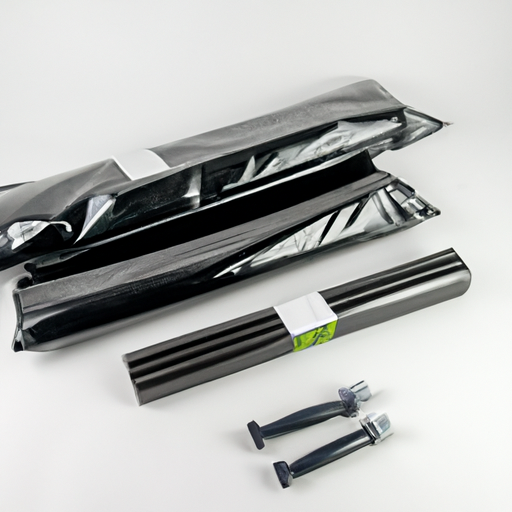
When it comes to automotive applications, vacuum bagging is an essential technique that enhances the quality and durability of composite parts. This method involves enclosing the part in a bag and creating a vacuum to remove air, which helps in achieving a uniform resin distribution and minimizing the risk of defects. Selecting the right vacuum bagging kit is crucial for ensuring optimal results, and several options stand out in the market for their effectiveness and reliability.
One of the top contenders in vacuum bagging kits for automotive applications is the Axiom Vacuum Bagging Kit. This kit is designed with versatility in mind, making it suitable for a range of automotive projects, from custom body panels to structural components. The Axiom kit includes high-quality vacuum bags, a vacuum pump, and all necessary accessories, ensuring that users have everything they need to get started. The vacuum pump is particularly noteworthy for its efficiency and ability to maintain a consistent vacuum level, which is vital for achieving the best results in composite layup.
Another excellent option is the Easy Composites Vacuum Bagging Kit. This kit is favored by both professionals and hobbyists due to its comprehensive nature and user-friendly components. It features a selection of vacuum bags in various sizes, allowing users to choose the perfect fit for their specific automotive parts. Additionally, the kit includes a high-performance vacuum pump that is capable of handling larger projects, making it ideal for those who work on multiple vehicles or larger components. The inclusion of detailed instructions further enhances its appeal, as it guides users through the vacuum bagging process step by step.
For those seeking a more budget-friendly option, the ULINE Vacuum Bagging Kit is worth considering. While it may not have all the bells and whistles of higher-end kits, it provides essential tools that are effective for basic vacuum bagging needs. This kit includes a vacuum pump, a selection of bags, and necessary fittings, making it a practical choice for DIY enthusiasts or those just starting in the world of composite fabrication. Despite its lower price point, users often report satisfactory results, particularly for smaller automotive projects.
In addition to these kits, it is important to consider the quality of the vacuum bags themselves. High-quality bags are essential for maintaining a strong vacuum seal and preventing leaks during the curing process. Brands like Pro-Set and West System offer specialized vacuum bags that are designed to withstand the rigors of automotive applications. These bags are typically made from durable materials that can handle the pressures involved in vacuum bagging, ensuring that the integrity of the composite part is maintained throughout the curing process.
Moreover, the choice of accessories can significantly impact the effectiveness of a vacuum bagging kit. Items such as breather fabrics, release films, and sealant tapes play a crucial role in achieving optimal results. Breather fabrics allow for even resin distribution while preventing the formation of air pockets, while release films ensure that the finished part can be easily removed from the bag without damage. Therefore, investing in a kit that includes these accessories or purchasing them separately can enhance the overall vacuum bagging experience.
In conclusion, selecting the best vacuum bagging kit for automotive applications involves considering factors such as versatility, quality, and included accessories. The Axiom, Easy Composites, and ULINE kits each offer unique advantages that cater to different needs and budgets. By understanding the components and features of these kits, automotive enthusiasts can make informed decisions that will ultimately lead to superior composite parts and successful projects.
Step-by-Step Guide to Using Vacuum Bagging Kits for Car Parts
Vacuum bagging is an essential technique in the automotive industry, particularly for those involved in the fabrication of car parts. This method not only enhances the quality of the finished product but also ensures a more efficient use of materials. To effectively utilize vacuum bagging kits for car parts, it is crucial to follow a systematic approach. This step-by-step guide will provide you with the necessary insights to achieve optimal results.
To begin with, preparation is key. Start by gathering all the materials you will need, including the vacuum bagging kit, resin, fiberglass or carbon fiber, and any necessary tools such as scissors, brushes, and mixing containers. It is also advisable to work in a clean, well-ventilated area to ensure safety and maintain the integrity of your materials. Once you have everything in place, the next step is to prepare the mold. The mold should be clean and free of any debris, as this will directly affect the quality of the final part. If you are using a reusable mold, applying a release agent is essential to prevent the cured part from sticking to the mold.
After preparing the mold, the next phase involves laying up the composite material. Begin by cutting the fiberglass or carbon fiber to the desired size, ensuring that it extends beyond the edges of the mold. This excess material will allow for proper sealing during the vacuum process. Once the material is cut, apply the resin evenly across the surface, ensuring complete saturation. It is important to work methodically, as any dry spots can compromise the strength of the final product. As you apply the resin, use a brush or roller to ensure an even distribution, and be mindful of the working time of the resin to avoid premature curing.
Once the composite material is saturated, carefully place it onto the mold. At this stage, it is crucial to eliminate any air bubbles that may have formed during the application of the resin. This can be achieved by using a roller or a squeegee to press down on the material, ensuring that it conforms to the shape of the mold. After ensuring that the material is properly positioned and free of air pockets, it is time to prepare for the vacuum bagging process.
Next, lay the vacuum bag over the mold, ensuring that it covers the entire area of the composite material. It is essential to seal the edges of the bag securely to create an airtight environment. Use tape or a sealing strip to ensure that the bag adheres firmly to the mold. Once the bag is in place, connect the vacuum pump to the designated port on the bag. As you activate the pump, monitor the vacuum pressure to ensure that it reaches the desired level. This vacuum pressure will help compress the composite material against the mold, enhancing the bonding process and eliminating any remaining air.
After achieving the appropriate vacuum level, allow the part to cure according to the resin manufacturer’s specifications. This curing time is critical, as it determines the strength and durability of the final product. Once the curing process is complete, carefully release the vacuum and remove the bag. Finally, demold the part from the mold, taking care to avoid any damage. Inspect the finished product for quality, ensuring that it meets your standards before proceeding with any additional finishing processes.
In conclusion, using vacuum bagging kits for car parts involves a series of methodical steps that, when followed correctly, can lead to high-quality results. By preparing adequately, applying materials carefully, and monitoring the curing process, you can achieve durable and reliable car parts that meet the demands of the automotive industry.
Q&A
1. **What is a vacuum bagging kit used for in car parts?**
A vacuum bagging kit is used to create a vacuum-sealed environment that helps in the curing process of composite materials, ensuring even pressure and reducing air bubbles in car parts.
2. **What are the essential components of a vacuum bagging kit?**
Essential components typically include a vacuum pump, vacuum bags, sealing tape, breather fabric, and a release film.
3. **Which brands are known for high-quality vacuum bagging kits for car parts?**
Brands like East Coast Resin, Vacuums and More, and Axiom Composites are known for producing high-quality vacuum bagging kits suitable for automotive applications.The best vacuum bagging kits for car parts typically include high-quality vacuum pumps, durable bagging materials, and essential accessories like sealant tape and release films. These kits are designed to provide an effective and efficient way to create strong, lightweight composite parts by removing air and ensuring even resin distribution. When selecting a kit, consider factors such as the size of the parts being produced, the type of materials used, and the specific requirements of your project. Overall, investing in a reliable vacuum bagging kit can significantly enhance the quality and performance of car parts, making it a valuable addition to any automotive workshop.