


-
Table of Contents
“Crafting Precision: Your Guide to Making Molds for Carbon Fiber Masterpieces.”
Introduction
Creating a mold for carbon fiber parts is a crucial step in the manufacturing process, as it determines the shape, surface finish, and overall quality of the final product. The process involves several key steps, including selecting the appropriate materials, designing the mold, and executing the molding technique. Proper preparation and attention to detail are essential to ensure that the mold can withstand the pressures of the carbon fiber layup process and produce high-quality components. This guide will outline the necessary materials, tools, and techniques required to successfully create a mold for carbon fiber parts, enabling you to achieve precise and durable results.
Selecting the Right Materials for Carbon Fiber Molds
When embarking on the journey of creating carbon fiber parts, one of the most critical steps is selecting the right materials for the molds. The choice of materials not only influences the quality of the final product but also affects the efficiency of the manufacturing process. Therefore, understanding the properties and applications of various mold materials is essential for achieving optimal results.
To begin with, the most commonly used material for carbon fiber molds is aluminum. Aluminum molds are favored for their excellent thermal conductivity, which allows for even heat distribution during the curing process. This characteristic is particularly important when working with epoxy resins, as it ensures that the resin cures uniformly, minimizing the risk of defects in the final part. Additionally, aluminum molds are relatively lightweight and can be machined with precision, making them suitable for both small-scale and large-scale production. However, it is important to note that aluminum molds can be more expensive than other options, and they may require additional surface treatments to enhance their durability and resistance to wear.
In contrast, fiberglass molds offer a more cost-effective alternative. Fiberglass is known for its strength and lightweight properties, making it an attractive option for those looking to create molds without incurring high costs. Furthermore, fiberglass molds can be produced relatively quickly, allowing for faster turnaround times in the manufacturing process. However, while fiberglass molds are suitable for low to moderate production runs, they may not withstand the same level of wear and tear as aluminum molds, particularly in high-volume applications. Therefore, it is crucial to assess the expected production volume and the specific requirements of the project before opting for fiberglass.
Another material worth considering is epoxy resin, which can be used to create composite molds. Epoxy molds are particularly advantageous due to their ability to withstand high temperatures and their excellent chemical resistance. This makes them suitable for applications where the curing process involves elevated temperatures or aggressive chemicals. Moreover, epoxy molds can be tailored to achieve specific surface finishes, which can enhance the aesthetic quality of the final carbon fiber parts. However, the production of epoxy molds can be time-consuming and may require a higher level of expertise, as the curing process must be carefully controlled to avoid defects.
In addition to the primary mold materials, it is also essential to consider the release agents that will be used during the molding process. The choice of release agent can significantly impact the ease of part removal and the overall quality of the finished product. Silicone-based release agents are popular due to their effectiveness in preventing adhesion between the mold and the carbon fiber part. However, it is important to select a release agent that is compatible with the specific resin system being used, as incompatibility can lead to surface imperfections or even mold damage.
Ultimately, the selection of materials for carbon fiber molds is a multifaceted decision that requires careful consideration of various factors, including cost, production volume, and the specific requirements of the project. By understanding the properties and applications of different mold materials, manufacturers can make informed choices that will enhance the quality and efficiency of their carbon fiber parts. As the industry continues to evolve, staying abreast of advancements in mold materials and technologies will further empower manufacturers to achieve superior results in their carbon fiber applications.
Step-by-Step Guide to Creating a Carbon Fiber Mold
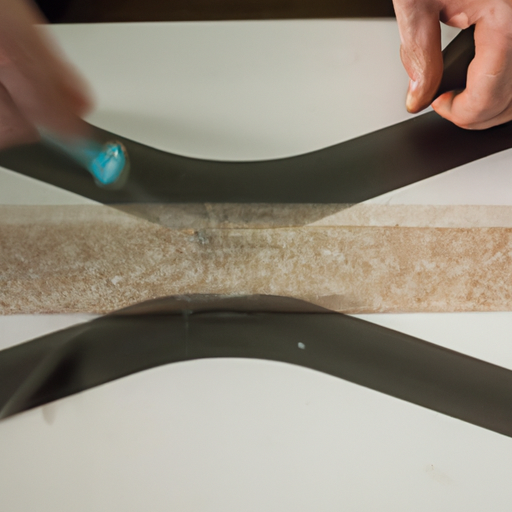
Creating a mold for carbon fiber parts is a meticulous process that requires careful planning and execution. The quality of the mold directly influences the final product, making it essential to follow a systematic approach. To begin, gather all necessary materials, including a suitable mold base, release agent, fiberglass or other reinforcing materials, and resin. The choice of mold base is crucial; it should be sturdy and capable of withstanding the curing process. Common materials for mold bases include MDF, plywood, or even aluminum, depending on the complexity and size of the part being produced.
Once the materials are assembled, the next step involves preparing the mold base. This preparation includes sanding the surface to ensure it is smooth and free of imperfections. Any irregularities can transfer to the final carbon fiber part, so attention to detail is paramount. After sanding, it is advisable to clean the surface thoroughly to remove any dust or debris. Following this, applying a release agent is essential. The release agent acts as a barrier between the mold and the carbon fiber, preventing the two from bonding. It is important to apply the release agent evenly and allow it to dry according to the manufacturer’s instructions.
With the mold base prepared and the release agent applied, the next phase is to create the mold itself. This typically involves laying up fiberglass or another reinforcing material over the mold base. Begin by cutting the fiberglass into manageable pieces that can be easily handled. It is often beneficial to use a combination of different weights of fiberglass to achieve the desired strength and flexibility in the mold. Start by applying a layer of resin to the mold base, then lay down the first piece of fiberglass, ensuring it is saturated with resin. Use a brush or roller to work the resin into the fiberglass, eliminating any air bubbles that may form. This process should be repeated, adding layers of fiberglass and resin until the desired thickness is achieved. Generally, three to five layers are sufficient, but this can vary based on the specific requirements of the part being molded.
After the mold has been built up to the desired thickness, it is crucial to allow it to cure fully. Curing times can vary depending on the type of resin used, so it is important to consult the manufacturer’s guidelines. Once cured, the mold can be carefully demolded from the base. This step requires caution to avoid damaging the mold. If the release agent was applied correctly, the mold should come away from the base without difficulty.
Once the mold is removed, it is advisable to inspect it for any imperfections or areas that may require additional finishing. Sanding the edges and surfaces can help achieve a smoother finish, which will enhance the quality of the carbon fiber parts produced from it. After any necessary adjustments are made, the mold is ready for use. It is important to remember that proper maintenance of the mold will extend its lifespan and ensure consistent quality in future carbon fiber parts. Regular cleaning and reapplication of the release agent will help maintain the mold’s integrity.
In conclusion, creating a mold for carbon fiber parts is a detailed process that requires precision and care. By following these steps diligently, one can produce high-quality molds that will yield excellent carbon fiber components, ultimately contributing to the success of any project involving composite materials.
Tips for Achieving a Smooth Finish on Carbon Fiber Molds
Creating a mold for carbon fiber parts is a meticulous process that requires attention to detail, particularly when it comes to achieving a smooth finish. A well-finished mold not only enhances the aesthetic quality of the final product but also ensures that the carbon fiber parts produced are free from imperfections. To begin with, the choice of mold material plays a crucial role in determining the final surface quality. Common materials include fiberglass, aluminum, and epoxy resins, each offering unique benefits. For instance, aluminum molds can provide a very smooth surface and are durable, while fiberglass molds are lighter and easier to work with. Regardless of the material chosen, it is essential to prepare the mold surface meticulously.
Preparation of the mold surface is a critical step that cannot be overlooked. Before applying any release agent, the mold should be thoroughly cleaned to remove any dust, grease, or contaminants that could affect the finish. Using a fine-grit sandpaper, the surface can be smoothed out, followed by polishing with a suitable compound to achieve a high-gloss finish. This polishing process is vital, as it directly influences the surface texture of the carbon fiber part. After polishing, applying a release agent is necessary to ensure that the carbon fiber can be easily removed from the mold without damaging either the mold or the part itself. Silicone-based release agents are often preferred due to their effectiveness and ease of application.
Once the mold is prepared and the release agent is applied, the next step involves the careful application of the carbon fiber material. It is advisable to use high-quality carbon fiber fabric, as the quality of the fabric can significantly impact the final finish. When laying up the carbon fiber, it is important to ensure that the fabric is free of wrinkles and bubbles, as these imperfections can transfer to the mold and ultimately affect the surface finish of the part. To achieve a smooth application, using a roller or brush can help to eliminate air pockets and ensure that the resin saturates the fabric evenly.
After the carbon fiber has been laid up, the curing process begins. During this phase, maintaining the right temperature and humidity levels is essential for achieving optimal results. A controlled environment can help prevent issues such as uneven curing or surface imperfections. Once the curing is complete, the part can be demolded carefully. It is advisable to do this slowly and gently to avoid damaging either the mold or the newly formed carbon fiber part.
Following demolding, additional finishing techniques may be employed to enhance the surface quality further. Light sanding with fine-grit sandpaper can help to smooth out any minor imperfections, while polishing can restore the desired gloss. Additionally, applying a clear coat can provide an extra layer of protection and enhance the visual appeal of the carbon fiber part. This final step not only improves the aesthetic quality but also adds durability, ensuring that the part can withstand various environmental conditions.
In conclusion, achieving a smooth finish on carbon fiber molds requires careful attention to detail throughout the entire process, from mold preparation to final finishing techniques. By selecting the right materials, meticulously preparing surfaces, and employing effective application and curing methods, one can produce high-quality carbon fiber parts that meet both functional and aesthetic standards.
Q&A
1. **What materials are needed to make a mold for carbon fiber parts?**
You will need a mold release agent, a suitable mold material (such as fiberglass, silicone, or aluminum), and epoxy resin or polyester resin for the mold itself.
2. **What is the process for preparing the mold surface?**
Clean the mold surface thoroughly, apply a mold release agent evenly, and allow it to dry according to the manufacturer’s instructions to ensure easy demolding.
3. **How do you cure the mold after applying the resin?**
Allow the resin to cure at room temperature or follow the specific curing instructions provided by the resin manufacturer, which may include applying heat or using a vacuum bagging technique for optimal results.To make a mold for carbon fiber parts, start by selecting a suitable material for the mold, such as fiberglass or aluminum, and prepare a master pattern of the desired part. Ensure the pattern is smooth and free of imperfections, then apply a release agent to facilitate easy removal of the final mold. Construct the mold by layering the chosen material, allowing each layer to cure properly. Once cured, carefully demold the part and inspect for any defects. Finally, finish the mold by sanding and polishing to achieve a high-quality surface for carbon fiber layup. This process ensures a precise and durable mold for producing high-quality carbon fiber components.