


-
Table of Contents
“High Temperature Epoxy Resin: Unmatched Durability for Extreme Conditions.”
Introduction
High temperature epoxy resin is a specialized type of epoxy that is designed to withstand elevated temperatures while maintaining its structural integrity and performance characteristics. These resins are formulated to resist thermal degradation, making them ideal for applications in aerospace, automotive, electronics, and industrial sectors where heat exposure is a concern. High temperature epoxy resins offer excellent adhesion, chemical resistance, and mechanical strength, making them suitable for bonding, coating, and encapsulating components that operate in extreme environments. Understanding the properties, curing processes, and applications of high temperature epoxy resin is essential for selecting the right material for specific projects and ensuring optimal performance in demanding conditions.
Applications of High Temperature Epoxy Resin in Aerospace Industry
High temperature epoxy resin has emerged as a critical material in the aerospace industry, where the demands for performance, durability, and safety are exceptionally high. This specialized resin is engineered to withstand extreme temperatures, making it an ideal choice for various applications within the aerospace sector. One of the primary uses of high temperature epoxy resin is in the manufacturing of composite materials, which are increasingly favored for their lightweight yet robust characteristics. These composites are often utilized in aircraft structures, including wings, fuselage components, and tail sections, where reducing weight while maintaining structural integrity is paramount.
In addition to structural components, high temperature epoxy resin plays a vital role in the production of engine components. The aerospace industry requires materials that can endure the intense heat generated by jet engines, and high temperature epoxy resins are formulated to resist thermal degradation. This capability not only enhances the performance of engine parts but also contributes to the overall efficiency of the aircraft. Furthermore, these resins are often used in the production of thermal insulation materials, which are essential for protecting sensitive components from extreme temperatures.
Another significant application of high temperature epoxy resin in the aerospace industry is in the realm of adhesives and sealants. The bonding of various materials, such as metals, composites, and ceramics, is crucial in aerospace manufacturing. High temperature epoxy adhesives provide exceptional bonding strength and thermal stability, ensuring that joints remain intact under the stress of flight conditions. This reliability is particularly important in critical areas where failure could lead to catastrophic consequences. Additionally, these adhesives are resistant to various environmental factors, including moisture and chemicals, further enhancing their suitability for aerospace applications.
Moreover, high temperature epoxy resin is increasingly being utilized in the production of electronic components and systems within aircraft. As modern aircraft become more reliant on advanced electronics for navigation, communication, and control systems, the need for materials that can withstand high temperatures without compromising performance has grown. High temperature epoxy resins are employed in potting and encapsulating electronic components, providing protection against thermal stress and environmental exposure. This application not only extends the lifespan of electronic systems but also ensures their reliability during critical operations.
The versatility of high temperature epoxy resin extends to its use in repair and maintenance applications within the aerospace industry. Aircraft undergo rigorous inspections and maintenance to ensure safety and compliance with regulatory standards. High temperature epoxy repair materials can be used to restore damaged components, providing a cost-effective solution that maintains the integrity of the aircraft. These repair solutions are particularly valuable in situations where replacement parts may be difficult to source or where downtime must be minimized.
In conclusion, high temperature epoxy resin is an indispensable material in the aerospace industry, with applications ranging from structural components to engine parts, adhesives, and electronic systems. Its ability to withstand extreme temperatures while providing exceptional strength and durability makes it a preferred choice among aerospace manufacturers. As the industry continues to evolve and innovate, the role of high temperature epoxy resin is likely to expand, further enhancing the performance and safety of modern aircraft. The ongoing research and development in this field promise to yield even more advanced formulations, ensuring that high temperature epoxy resins remain at the forefront of aerospace technology.
Benefits of Using High Temperature Epoxy Resin for Electrical Insulation
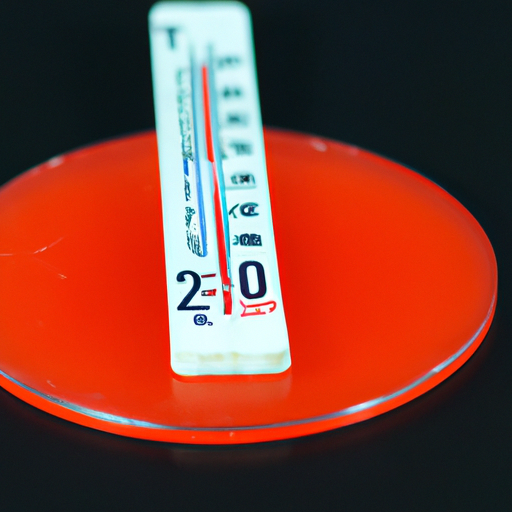
High temperature epoxy resin has emerged as a critical material in various industrial applications, particularly in the realm of electrical insulation. This specialized resin is designed to withstand elevated temperatures while maintaining its structural integrity and insulating properties. One of the primary benefits of using high temperature epoxy resin for electrical insulation is its exceptional thermal stability. Unlike conventional epoxy resins, which may degrade or lose their insulating properties at elevated temperatures, high temperature variants can endure extreme conditions, making them ideal for applications in motors, transformers, and other electrical components that generate significant heat during operation.
In addition to thermal stability, high temperature epoxy resin exhibits excellent electrical insulating properties. This characteristic is crucial in preventing electrical failures and ensuring the safe operation of electrical devices. The resin’s ability to resist electrical breakdown under high voltage conditions further enhances its suitability for use in demanding environments. As a result, manufacturers often choose high temperature epoxy resin to encapsulate sensitive electronic components, providing a reliable barrier against moisture, dust, and other contaminants that could compromise performance.
Moreover, the chemical resistance of high temperature epoxy resin adds another layer of protection for electrical insulation. In many industrial settings, electrical components are exposed to harsh chemicals and solvents that can degrade standard materials. High temperature epoxy resins are formulated to resist such corrosive substances, ensuring longevity and reliability in challenging environments. This resilience not only extends the lifespan of electrical components but also reduces maintenance costs, as the need for frequent replacements is minimized.
Furthermore, the mechanical strength of high temperature epoxy resin is noteworthy. This material exhibits impressive tensile and compressive strength, which is essential for maintaining the structural integrity of electrical assemblies. In applications where components may be subjected to mechanical stress or vibration, high temperature epoxy resin provides the necessary support to prevent damage. This durability is particularly beneficial in automotive and aerospace industries, where reliability and performance are paramount.
Another significant advantage of high temperature epoxy resin is its versatility in formulation. Manufacturers can tailor the resin’s properties to meet specific application requirements, such as varying viscosity, curing time, and thermal conductivity. This customization allows engineers to optimize the resin for particular electrical insulation needs, ensuring that it performs effectively under the unique conditions of each application. Additionally, the ability to modify the resin’s properties can lead to innovations in design and functionality, further enhancing the performance of electrical systems.
In conclusion, the benefits of using high temperature epoxy resin for electrical insulation are manifold. Its thermal stability, excellent electrical insulating properties, chemical resistance, mechanical strength, and versatility make it an indispensable material in various industries. As technology continues to advance and the demand for more efficient and reliable electrical systems grows, high temperature epoxy resin will undoubtedly play a pivotal role in shaping the future of electrical insulation. By providing robust protection against heat, moisture, and mechanical stress, this specialized resin not only enhances the performance of electrical components but also contributes to the overall safety and efficiency of electrical systems. As such, understanding the advantages of high temperature epoxy resin is essential for engineers and manufacturers seeking to optimize their products and ensure long-term reliability in an increasingly demanding technological landscape.
Comparison of High Temperature Epoxy Resin with Other High-Performance Polymers
High temperature epoxy resin has gained significant attention in various industrial applications due to its exceptional thermal stability and mechanical properties. When comparing high temperature epoxy resin with other high-performance polymers, it is essential to consider several factors, including thermal resistance, mechanical strength, chemical resistance, and processing characteristics. These comparisons can help industries make informed decisions regarding material selection for specific applications.
One of the most notable advantages of high temperature epoxy resin is its ability to withstand elevated temperatures without losing structural integrity. Typically, these resins can maintain their performance in environments exceeding 150°C, making them suitable for applications in aerospace, automotive, and electronics industries. In contrast, other high-performance polymers, such as polyimides and polyetheretherketone (PEEK), also exhibit high thermal stability but often come with higher costs and more complex processing requirements. While polyimides can endure temperatures up to 300°C, their processing can be challenging due to their high viscosity and the need for specialized curing conditions. This complexity can limit their use in certain applications where ease of processing is a priority.
Moreover, mechanical strength is another critical aspect to consider when comparing high temperature epoxy resin with other polymers. High temperature epoxy resins typically exhibit excellent tensile strength and modulus, which are essential for load-bearing applications. In comparison, PEEK and polyphenylene sulfide (PPS) also offer high mechanical strength but may not provide the same level of adhesion to substrates as epoxy resins. This characteristic can be particularly important in composite applications where bonding strength is crucial for overall performance. Furthermore, while high temperature epoxy resins can be formulated to enhance toughness, some other high-performance polymers may be more brittle, which can be a disadvantage in dynamic loading conditions.
Chemical resistance is another area where high temperature epoxy resins excel, although they may not be as resistant as certain fluoropolymers, such as polytetrafluoroethylene (PTFE). While PTFE is renowned for its outstanding chemical inertness, it lacks the mechanical strength and thermal stability that high temperature epoxy resins offer. Therefore, in applications where both chemical exposure and mechanical performance are critical, high temperature epoxy resins often emerge as a more balanced choice. Additionally, the versatility of epoxy formulations allows for customization to enhance specific properties, such as flame retardancy or moisture resistance, further broadening their applicability.
Processing characteristics also play a vital role in the selection of materials. High temperature epoxy resins can be processed using various methods, including resin transfer molding and vacuum bagging, which are relatively straightforward compared to the processing of some other high-performance polymers. For instance, while PEEK requires high-temperature extrusion and specialized equipment, high temperature epoxy resins can often be cured at lower temperatures, making them more accessible for manufacturers.
In conclusion, while high temperature epoxy resin stands out for its thermal stability, mechanical strength, and ease of processing, it is essential to evaluate the specific requirements of each application. By understanding the strengths and limitations of high temperature epoxy resins in comparison to other high-performance polymers, industries can make informed choices that align with their operational needs and performance expectations. Ultimately, the selection of the right material will depend on a careful consideration of the unique demands of each application, ensuring optimal performance and reliability.
Q&A
1. **What is high temperature epoxy resin?**
High temperature epoxy resin is a type of thermosetting polymer that can withstand elevated temperatures, typically up to 300°F (150°C) or higher, without losing its structural integrity.
2. **What are the applications of high temperature epoxy resin?**
It is commonly used in aerospace, automotive, electronics, and industrial applications where heat resistance and durability are critical, such as in composite materials, adhesives, and coatings.
3. **How does high temperature epoxy resin differ from standard epoxy resin?**
High temperature epoxy resin is formulated with specific additives and curing agents that enhance its thermal stability and mechanical properties, making it suitable for applications exposed to extreme heat, unlike standard epoxy resin which may degrade at lower temperatures.High temperature epoxy resin is a specialized material designed to withstand elevated temperatures while maintaining structural integrity and performance. It is commonly used in applications such as aerospace, automotive, and industrial settings where heat resistance is critical. Key considerations include its thermal stability, curing process, and compatibility with various substrates. Proper handling and application techniques are essential to maximize its benefits. Overall, high temperature epoxy resin is a valuable choice for demanding environments, offering durability and reliability under extreme conditions.